

Is Lung Cancer Hereditary?

Key Takeaways
- Lung cancer is usually not passed down in a straightforward hereditary pattern.
- A family history of lung cancer can still increase risk, even in people who have never smoked.
- Smoking and secondhand smoke remain the strongest preventable risk factors.
- Some inherited gene changes may affect how lung cells respond to damage, but they are not the most common cause.
- People with a strong family history should discuss risk assessment and screening with a doctor.
Lung cancer is not usually inherited in a simple, direct way, but family history can raise a person’s risk. Most cases are linked to smoking, environmental exposures, and other factors, while genetics may play a smaller but meaningful role in some families.
Overview
For people asking, is lung cancer hereditary, the most accurate answer is that it is sometimes influenced by inherited risk, but it is not usually a purely inherited disease. In other words, lung cancer does not commonly follow the kind of clear family pattern seen in some genetic conditions. Most cases develop from a mix of exposures over time, especially tobacco smoke, along with age, air pollution, occupational hazards, and other medical or genetic factors.
A family history of lung cancer still matters. When several close relatives have had lung cancer, it may signal shared genes, shared environments, or both. For international patients trying to decide whether to travel for evaluation, the practical question is not only whether lung cancer can run in families, but whether a personal risk profile is high enough to justify specialist assessment, imaging, or genetic counseling. That conversation is best led by an experienced oncology team.
Understanding hereditary risk can help people make sensible choices earlier. It can also reduce confusion, especially when a diagnosis appears in someone who has never smoked. In those situations, doctors look carefully for inherited patterns, environmental exposure history, and tumor features that may guide treatment.
Symptoms
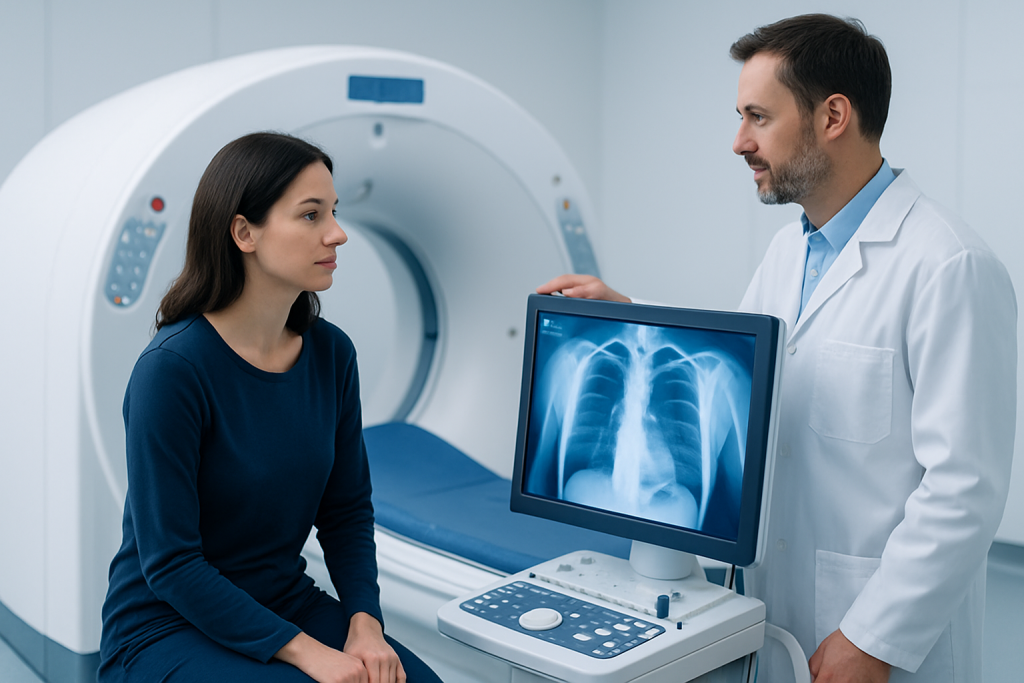
Lung cancer does not have one single symptom pattern, and inherited risk does not create a special set of warning signs. Symptoms usually appear when a tumor begins affecting the airways, nearby lung tissue, or other parts of the body. In many people, early lung cancer causes few or no symptoms, which is one reason screening and risk awareness are important.
Common symptoms can include a cough that does not go away, coughing up blood, shortness of breath, chest pain, hoarseness, unexplained weight loss, or frequent chest infections. These symptoms are not specific to cancer, but they should be discussed with a clinician, especially if they are persistent or worsening.
Some people with a family history of lung cancer may wonder whether they should watch for special clues. The answer is that they should pay close attention to the same persistent respiratory changes as anyone else, and they should not wait for symptoms before asking about screening if they are in a higher-risk group.
Causes & Risk Factors

Lung cancer usually develops after repeated damage to lung cells over time. Smoking is the most important risk factor, including cigarettes, cigars, and other tobacco products. Secondhand smoke also raises risk, and quitting smoking lowers risk at any age, although it does not eliminate it entirely.
Family history can increase risk, but it is rarely the only explanation. A close relative with lung cancer may reflect inherited susceptibility, shared exposures such as household smoke, or both. Researchers have identified gene variants that may slightly alter how the body repairs DNA or responds to carcinogens, but most people with a family history do not have a single inherited mutation that directly causes lung cancer.
Other risk factors include:
- Exposure to radon gas in homes or workplaces
- Long-term exposure to asbestos, diesel exhaust, or industrial pollutants
- Air pollution
- Prior radiation to the chest
- Chronic lung disease, such as COPD or pulmonary fibrosis
- Older age
People who have never smoked can still develop lung cancer. In those cases, doctors pay closer attention to family history, environmental exposures, and tumor biology because these details may influence both diagnosis and treatment planning.
Diagnosis
When a doctor evaluates possible lung cancer, the first step is usually a careful history and physical examination. Family history is part of that story, but it is only one piece. The clinician may ask whether any relatives had lung cancer, how old they were at diagnosis, whether they smoked, and whether there are other cancers in the family.
Imaging is often used when symptoms or risk factors suggest lung disease. A chest X-ray may be a starting point, but CT scans are more detailed and are commonly used to look for suspicious nodules or masses. If something abnormal is seen, a biopsy is usually needed to confirm whether cancer is present and to determine the type of lung cancer.
For some patients, especially those with lung cancer at a young age or without a major smoking history, doctors may recommend molecular testing of the tumor and, in selected situations, genetic counseling. Tumor testing is not the same as inherited genetic testing. It helps identify changes that may affect treatment options, while genetic counseling explores whether the family pattern suggests a inherited predisposition worth investigating.
Treatment Options
Treatment depends on the type of lung cancer, how far it has spread, overall health, and the tumor’s molecular features. Because every case is different, there is no single plan that fits all patients. In many international care settings, specialists in oncology, thoracic surgery, pulmonology, radiology, and pathology work together to build a plan that is both medically appropriate and practical for follow-up after travel.
Possible treatment approaches include surgery for some early-stage tumors, radiation therapy, chemotherapy, targeted therapy, immunotherapy, or combinations of these treatments. Molecular testing has become especially important because certain tumor changes can make targeted treatment more effective. This is one reason inherited risk and tumor biology are discussed together: even when lung cancer is not strongly hereditary, genetics can still matter in the clinic.
Supportive care is also part of treatment. This may include help with breathing symptoms, nutrition, pain management, smoking cessation, and rehabilitation after surgery or radiation. For patients coming from abroad, planning for continuity of care matters as much as the initial treatment decision, because follow-up imaging, medication monitoring, and recovery support often continue after returning home.
Prevention & Self-care
The most effective way to lower lung cancer risk is to avoid tobacco smoke. For smokers, quitting is the single most important step, and medical support can make the process more manageable. People who do not smoke should still avoid secondhand smoke as much as possible.
Practical prevention also includes reducing exposure to radon, using protective equipment in workplaces with dust, fumes, or asbestos, and following safety rules at work. In homes, especially older buildings, radon testing can be a useful and often overlooked step. Healthy habits such as regular exercise, balanced nutrition, and keeping chronic lung conditions well controlled support overall health, although they do not replace risk reduction measures.
For self-care after diagnosis or treatment, rest and gradual activity are often helpful. Patients may need to monitor breathing, manage fatigue, and keep scheduled scans or appointments even when they are feeling well. People with a strong family history should not rely on symptoms alone; a doctor can advise whether screening or surveillance is appropriate based on age, smoking history, and other risk factors.
When to See a Doctor
A doctor should be consulted if a cough lasts more than a few weeks, if there is coughing up blood, unexplained chest pain, shortness of breath, or persistent hoarseness. Unexplained weight loss, repeated chest infections, or worsening fatigue also deserve medical attention. These symptoms do not mean cancer is present, but they should not be ignored.
People with a close family history of lung cancer should ask for a personalized risk review, even if they feel well. This is especially important for current or former smokers and for anyone with prior exposure to radon, asbestos, or heavy air pollution. A clinician can determine whether chest imaging, smoking-cessation support, or screening is appropriate.
If someone is traveling for evaluation, it is helpful to bring previous scans, pathology reports, medication lists, and a written family history if available. That preparation allows the team to move more efficiently and helps avoid repeating tests. Acibadem Health Point’s multidisciplinary specialists and JCI-accredited hospitals diagnose and treat lung cancer for international patients, with attention to both medical planning and follow-up needs after travel.
Living With Risk and Uncertainty
Learning that lung cancer can run in a family may feel unsettling, but it does not mean a diagnosis is inevitable. Many people with a family history never develop the disease, and many people diagnosed with lung cancer have no known family pattern at all. The most useful response is measured: understand the risk, reduce what can be changed, and seek guidance when screening or evaluation makes sense.
For some families, the next step is practical rather than dramatic. That may mean quitting smoking, testing the home for radon, asking relatives about cancer history, or discussing whether a preventive chest scan is appropriate. For others, it may mean meeting with a specialist to review a newly found lung nodule or to clarify whether inherited risk is likely.
Clear information often helps more than fear. A good oncology team can explain what family history means in context, what it does not mean, and how to plan follow-up in a way that fits a person’s life, travel schedule, and long-term care needs.
Frequently asked questions
01Is lung cancer hereditary in most cases?
No. Most lung cancers are not inherited in a simple way. Family history can raise risk, but smoking and environmental exposures are still the main causes in many people.
02Can a person get lung cancer if no one in the family had it?
Yes. Many people diagnosed with lung cancer have no family history at all. Other factors such as smoking, radon exposure, air pollution, and chance changes in cells can still lead to cancer.
03Does having a relative with lung cancer mean screening is needed?
Not automatically, but it is worth discussing with a doctor. Screening decisions usually depend on age, smoking history, and overall risk, with family history considered as part of the picture.
04Are there genetic tests for hereditary lung cancer risk?
Sometimes, but they are not needed for everyone. Genetic counseling may be useful when there is a strong family pattern, early-onset disease, or lung cancer in someone who has never smoked.
05What is the strongest way to lower lung cancer risk?
Avoiding tobacco smoke is the most important step. Quitting smoking, reducing secondhand smoke exposure, and checking homes for radon can also help lower risk.
06Should a person with a family history worry if they feel fine?
Feeling well does not rule out lung cancer, but it also does not mean cancer is present. A family history is a reason to review risk with a clinician and ask whether screening or monitoring is appropriate.
This article is for general information only and is not a substitute for professional medical advice. Please consult a qualified doctor about your individual situation.
Medical weight-loss options in Turkey — costs & eligibility
JCI-accredited · board-certified surgeons · reply within 24h
Add us as a Preferred Source to see more of our trusted health content across Google Search, AI Overviews and Discover.


