Is it Dangerous to Sleep with a Blocked Nose?

Key Takeaways
- A blocked nose at night is common and often linked to allergies, colds, dry air, or sinus inflammation.
- Most healthy people can sleep with nasal congestion without serious danger, but sleep quality may suffer.
- Breathing difficulty, loud snoring, pauses in breathing, or chest symptoms can point to a condition that needs assessment.
- Simple measures such as saline rinses, humidified air, and sleeping with the head elevated may help.
- Persistent, one-sided, or recurrent congestion should be checked by an ENT specialist.
Sleeping with a blocked nose is usually not dangerous for most healthy adults, but it can make breathing, rest, and sleep quality worse. In some people—especially those with asthma, sleep apnea, or a chest infection—it may signal a problem that deserves medical attention.
Overview
For many people, the answer to is it dangerous to sleep with a blocked nose is reassuring: in most cases, no, it is not immediately dangerous. A stuffy nose often causes discomfort, mouth breathing, snoring, or a poor night’s sleep, but it does not usually create an emergency by itself.
The picture changes when nasal blockage is part of something broader, such as asthma, sleep apnea, a significant infection, or swelling after an injury. In those situations, the blocked nose may be one piece of a breathing problem that should not be ignored.
For international patients deciding whether to seek care, the main question is not only whether the nose feels blocked, but whether breathing, sleep, and daily function are being affected. That distinction helps guide whether home care is reasonable or an ear, nose and throat (ENT) assessment is the better next step.
Symptoms
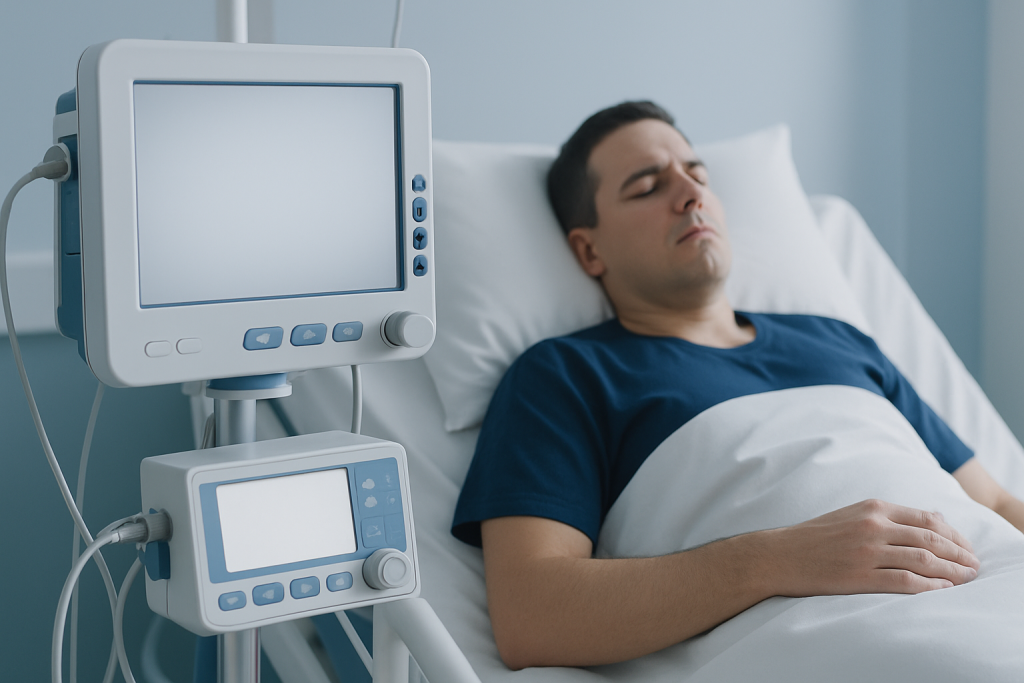
A blocked nose can feel like one nostril or both are narrowed, dry, or completely closed off. People often notice mouth breathing, a reduced sense of smell, pressure in the face, postnasal drip, or waking with a dry mouth and sore throat.
At night, congestion may become more noticeable because lying flat can increase blood flow to the nasal lining and make swelling feel worse. Some people also report snoring, restless sleep, or waking up several times to breathe more comfortably.
- Common nighttime signs: stuffy nose, mouth breathing, snoring, disturbed sleep
- Possible associated signs: cough, sore throat, facial pressure, runny nose, sneezing
- Concerning signs: wheezing, shortness of breath, blue lips, high fever, confusion, or pauses in breathing during sleep
If congestion is new and mild, it often improves as the cause settles. If it is severe, long-lasting, or comes with other breathing symptoms, it deserves more attention.
Causes & Risk Factors

Nasal blockage at night has many possible causes, and the most common ones are not serious. Colds, influenza, allergies, sinus inflammation, dry indoor air, irritants such as smoke, and changes in temperature can all swell the tissues inside the nose.
Some people are more prone to nighttime congestion because of anatomy or ongoing conditions. A deviated septum, enlarged turbinates, nasal polyps, chronic sinusitis, or enlarged adenoids in children can make airflow through the nose harder, especially when lying down.
Risk can be higher in people with asthma, obstructive sleep apnea, reflux, repeated sinus infections, or exposure to dust, animal dander, or workplace irritants. Temporary congestion can also happen during pregnancy or after using certain medications that dry or inflame the nasal passages.
It is useful to think of the blocked nose as a symptom with a cause, rather than a diagnosis on its own. Finding that cause is what allows the most effective treatment.
Diagnosis
When a blocked nose is short-lived, diagnosis may be as simple as discussing symptoms with a clinician. If the congestion keeps returning or never fully clears, an ENT specialist may look for structural, allergic, inflammatory, or infectious causes.
A typical evaluation may include a detailed history, an examination of the nose and throat, and questions about sleep, snoring, allergies, and breathing during the day and night. In some cases, nasal endoscopy, allergy testing, sleep assessment, or imaging studies may be recommended to clarify what is happening.
For patients traveling from another country, this stage is especially useful because it can separate a simple seasonal problem from a condition that needs a longer treatment plan. A clear diagnosis also helps avoid repeated, trial-and-error treatment.
The aim is not to label every blocked nose as disease, but to identify when congestion is a signal of something treatable or ongoing.
Treatment Options
Treatment depends on the cause. A common cold may only need rest, fluids, and time, while allergies may improve with allergen control and physician-guided medication. Chronic sinusitis, nasal polyps, or structural blockage may require ENT-directed care.
Many people find relief from supportive measures such as saline sprays or rinses, warm showers, staying well hydrated, and sleeping with the head slightly elevated. A humidified room can help if the air is very dry, and avoiding smoke or strong irritants may reduce swelling in the nasal lining.
If allergies are contributing, management often focuses on reducing exposure to triggers and using prescribed treatments consistently. When a deviated septum, polyps, or another structural issue is the main problem, a specialist may discuss procedures that improve airflow.
Sleep-related breathing concerns deserve special attention. If snoring is loud, sleep is unrefreshing, or breathing appears to stop during sleep, the underlying issue may involve obstructive sleep apnea rather than congestion alone.
Prevention & Self-care
Not every blocked nose can be prevented, but many nighttime symptoms can be reduced with simple habits. Keeping the bedroom free of dust and smoke, managing seasonal allergies, and maintaining a comfortable level of humidity may all help the nose stay clearer overnight.
People who notice recurrent congestion often benefit from tracking triggers. That may include pollen seasons, pets, changes in weather, upper respiratory infections, or exposure to perfumes and cleaning products.
Helpful self-care steps may include:
- Using saline spray or rinse as advised by a clinician
- Sleeping with the head slightly elevated
- Drinking enough fluids during the day
- Avoiding tobacco smoke and other irritants
- Following an allergy management plan if one has been prescribed
These measures are generally safe, but they do not replace medical evaluation if the blockage is persistent or accompanied by other symptoms. Over-the-counter remedies should be used carefully, especially if there are other health conditions or if symptoms last longer than expected.
When to See a Doctor
A blocked nose does not always need urgent care, but it is sensible to speak with a doctor if it lasts more than a few weeks, keeps returning, or affects sleep regularly. ENT evaluation is also appropriate if congestion is mostly on one side, there is frequent nosebleeding, facial pain, reduced smell, or a feeling of pressure that does not improve.
More urgent assessment is needed if breathing becomes difficult, there is chest pain, wheezing, a high fever, swelling of the face, or signs of severe infection. In children, noisy breathing, poor feeding, or pauses in breathing during sleep should be reviewed promptly.
Anyone with known asthma, sleep apnea, or chronic sinus problems should pay closer attention to changes in nighttime breathing. A blocked nose may be manageable on its own, but it should not be dismissed when it starts to affect the broader pattern of sleep and respiration.
Acibadem Health Point’s multidisciplinary specialists and JCI-accredited hospitals can evaluate and treat ENT conditions for international patients when a clearer diagnosis or coordinated care is needed.
Living With Nighttime Nasal Congestion
For many people, the practical challenge is not danger but disruption. A blocked nose can leave someone tired, irritable, and less able to concentrate the next day, even when the condition itself is temporary.
That is why the best response is usually balanced: use simple comfort measures, watch for warning signs, and seek medical advice when symptoms do not fit the pattern of a routine cold or allergy flare. A careful approach helps avoid both unnecessary worry and unnecessary delay.
For patients arranging care across borders, an ENT consultation can bring clarity quickly by identifying whether the congestion is temporary, allergy-related, or structural. With the right explanation, most people can move forward with a sensible plan for better sleep and easier breathing.
Frequently asked questions
01Is it dangerous to sleep with a blocked nose?
Usually, no. For most healthy adults, a blocked nose at night is uncomfortable rather than dangerous. It becomes more concerning if breathing is difficult, sleep is repeatedly disrupted, or other symptoms such as wheezing or pauses in breathing are present.
02Why does my nose get more blocked when I lie down?
Lying flat can increase swelling in the nasal passages and make mucus drainage less effective. That is why congestion often feels worse at bedtime even when it seemed manageable during the day.
03Can I sleep with a blocked nose from a cold?
Yes, many people do, but the sleep may be lighter or more broken. Supportive measures such as saline rinses, hydration, and sleeping with the head slightly raised may help reduce discomfort.
04When should blocked nose symptoms be checked by an ENT specialist?
An ENT assessment is sensible if congestion is persistent, one-sided, recurrent, or linked with facial pain, reduced smell, snoring, or sleep disruption. It is also important if there may be a structural issue such as a deviated septum or nasal polyps.
05Does mouth breathing at night mean the blocked nose is serious?
Not always, but it can mean the blockage is affecting sleep quality. If mouth breathing is frequent, causes dryness, or is accompanied by loud snoring or breathing pauses, medical review is a good idea.
06Can allergies make nighttime congestion worse?
Yes. Allergies are a very common reason for a blocked nose at night, especially if the bedroom contains triggers such as dust mites, pets, or pollen brought in from outside. Managing the trigger often improves symptoms.
This article is for general information only and is not a substitute for professional medical advice. Please consult a qualified doctor about your individual situation.
Explore treatments in Turkey — costs, top hospitals & a free quote
JCI-accredited · board-certified surgeons · reply within 24h
Add us as a Preferred Source to see more of our trusted health content across Google Search, AI Overviews and Discover.