Is Epilepsy a Disability Under Legal Definitions?
Epilepsy can be considered a disability when seizures, treatment effects, or related health needs substantially limit major daily activities, safety, education, or work. However, an epilepsy diagnosis does not automatically mean a person is disabled, and legal eligibility for accommodations or financial support depends on individual circumstances and local rules.
Is Epilepsy a Disability?
Epilepsy can be a disability, but it is not automatically considered one for every person. Many people have seizures that are controlled with treatment and can study, work, travel, exercise, and manage everyday life independently. Others have unpredictable seizures, medication side effects, memory or concentration difficulties, injuries, or restrictions that make daily activities substantially harder.
In general, disability laws focus on how a health condition affects a person’s functioning rather than on the diagnosis alone. Epilepsy may be recognized as a disability if it significantly limits major life activities, such as staying safe, caring for oneself, learning, communicating, working, sleeping, driving, or participating in community life. The exact legal definition, available accommodations, and eligibility for benefits vary by country, insurance system, employer, school, and government program.
Having epilepsy should not be viewed as a measure of a person’s abilities or potential. Supportive medical care, appropriate treatment, seizure planning, and reasonable adjustments often allow people to remain active and independent. A treating neurologist can document how epilepsy affects an individual’s life, but legal or benefits decisions are made by the relevant local authority or organization.
How Epilepsy Can Affect Daily Life
Epilepsy is a neurological condition characterized by a tendency to have recurrent unprovoked seizures. A seizure is a temporary change in brain activity that may cause changes in awareness, behavior, movement, sensations, emotions, or bodily functions. Seizures do not always involve shaking or loss of consciousness; some are brief staring episodes, confusion, unusual sensations, or short periods of altered awareness.
The impact of epilepsy differs widely. A person who has infrequent seizures with reliable warning symptoms may need few changes to daily routines. Someone with sudden loss of awareness, falls, frequent seizures, or a prolonged recovery period may need help with certain tasks or may need to avoid safety-sensitive activities such as driving, working at heights, swimming alone, or operating dangerous machinery.
Effects between seizures can also matter. Some people experience tiredness after seizures, anxiety about when a seizure might happen, disrupted sleep, medication-related dizziness, or difficulties with attention and memory. These concerns are real and treatable. Discussing them openly with a healthcare professional can help identify practical adjustments and Brain Stimulation" class="ahp-ilk">treatment options.
When Epilepsy May Be Considered a Disability

Whether epilepsy is considered a disability usually depends on its functional effects. Relevant factors may include seizure type and frequency, whether seizures occur without warning, recovery time, injuries, cognitive symptoms, treatment side effects, and restrictions needed to stay safe. A person may need support even if seizures are not frequent, particularly when a seizure could place them or others at significant risk.
In employment and education settings, disability recognition may allow a person to request reasonable accommodations. Examples can include a predictable work schedule, time off for appointments, a quiet recovery area after a seizure, flexibility during medication changes, written instructions, extra time for tasks affected by memory difficulties, or adjustments to duties involving avoidable safety risks. The most suitable arrangement is individualized and should respect both privacy and safety.
Financial disability benefits are assessed differently from workplace protections. They commonly require evidence that epilepsy limits the ability to work or perform daily activities over a defined period. Medical records, seizure diaries, test results, medication history, and clinician letters may help document the condition. A social worker, patient advocate, disability adviser, or local legal resource may explain the rules that apply where the person lives.
Seizure Safety, Work, School and Driving
Most people with epilepsy can participate in work and education safely when risks are assessed thoughtfully. It is often helpful to tell a trusted manager, teacher, colleague, or friend what a seizure may look like and what to do. This should be the person’s choice wherever possible, although some jobs may require disclosure when there is a substantial safety concern.
A simple seizure action plan can reduce uncertainty. It may describe seizure type, usual duration, first-aid steps, emergency contacts, medicines that may be used in an emergency, and when emergency services should be called. Basic seizure first aid includes staying calm, protecting the person from injury, timing the seizure, placing them on their side when possible after convulsive movements stop, and not putting anything in their mouth.
Driving rules after seizures vary substantially by country and region. They often depend on seizure type, seizure-free period, medical advice, and whether seizures affect awareness or control of movement. A person with epilepsy should ask their neurologist about local requirements and should not drive if advised not to do so. Similar individual safety discussions may be needed for swimming, bathing, climbing, cooking, and certain occupations.
When to Seek Medical Care
Many people with established epilepsy recover from their usual seizures without emergency treatment. However, urgent medical care is needed if a seizure lasts longer than five minutes, seizures repeat without the person returning to their usual level of awareness, breathing is difficult, a significant injury occurs, or the person is pregnant, has diabetes, or has a seizure in water. Emergency help is also appropriate when a seizure is the first known event or when recovery is unusually slow.
A non-urgent medical review is important if seizures become more frequent, change in appearance, occur after a long seizure-free period, or cause new injuries or concerning symptoms. New problems with mood, memory, sleep, balance, medication tolerability, or daily functioning also deserve attention. These changes do not always mean that epilepsy is worsening, but they can indicate that treatment or support needs to be reviewed.
Family members, friends, schools, and employers can be reassured that most seizures end on their own. Remaining nearby, preventing injury, timing the event, and noting what happened before, during, and after the seizure can provide valuable information for the medical team. Calling emergency services is appropriate whenever there is doubt about the person’s safety.
How Doctors Diagnose and Assess Epilepsy
Doctors do not diagnose epilepsy from a single symptom alone. They begin by asking for a detailed description of the event, including what the person felt beforehand, what witnesses observed, how long it lasted, and how recovery occurred. Information about sleep, alcohol or substance use, fever, head injuries, medications, family history, and previous episodes can help distinguish seizures from fainting, migraine, sleep-related events, panic symptoms, or other conditions.
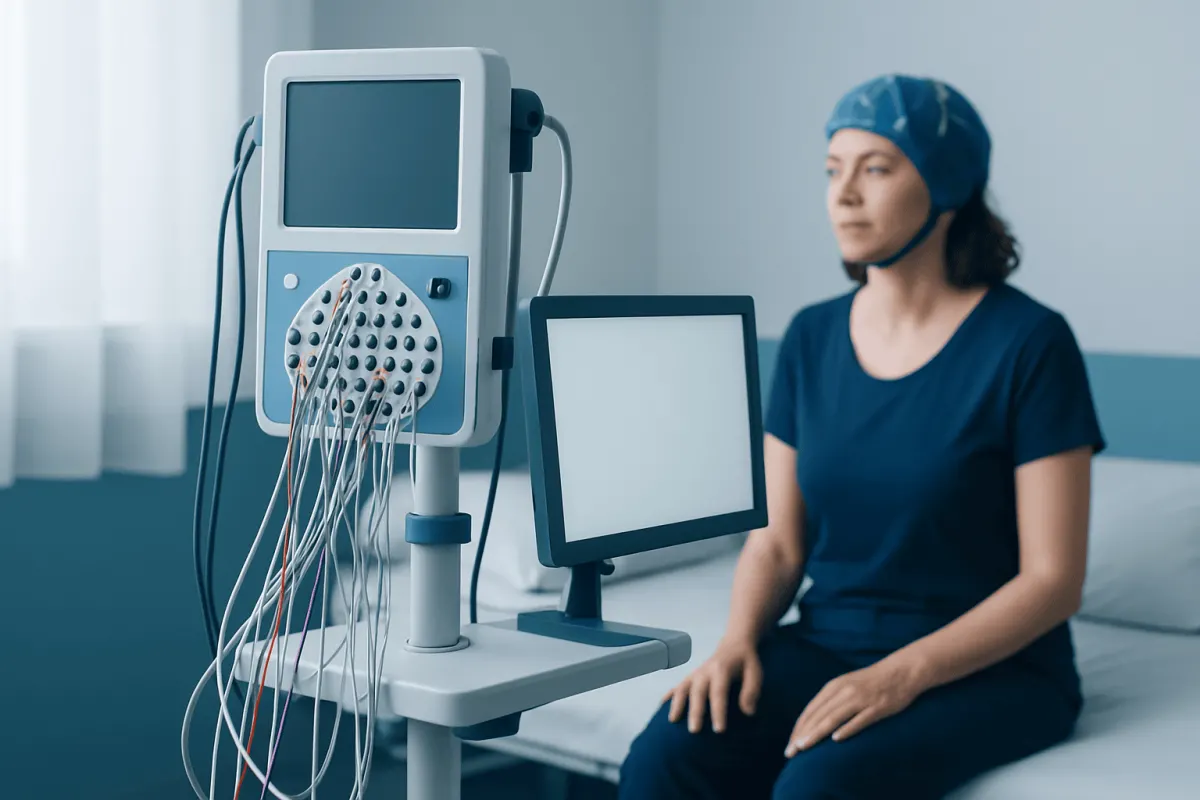
A neurological examination is followed by tests when appropriate. An electroencephalogram, or EEG, records brain electrical activity and may identify patterns that support an epilepsy diagnosis. Brain imaging, usually magnetic resonance imaging, may be recommended to look for structural causes. Blood tests, heart rhythm assessment, or longer-term video EEG monitoring may also be used in selected situations.
Doctors also assess the practical effect of seizures on safety and independence. A seizure diary can be particularly useful. Recording dates, times, possible triggers, symptoms, recovery, missed medication, sleep changes, and witness observations can help clarify seizure control and guide decisions about treatment, accommodations, and driving. A person should never stop antiseizure medication suddenly without medical guidance, as this can trigger seizures.
Treatment, Support and Living Well
Antiseizure medicines are the most common treatment for epilepsy, and many people achieve good seizure control with the right medicine or combination of medicines. The choice depends on seizure type, age, other health conditions, pregnancy plans, possible side effects, and personal preferences. When medicines do not adequately control seizures, a specialist may discuss further evaluation for dietary therapy, Neuromodulation Options Compared" class="ahp-ilk">nerve stimulation, or epilepsy surgery in suitable cases.
Healthy routines can complement medical treatment. Taking medication consistently, protecting sleep, managing stress, limiting alcohol when advised, and avoiding individual triggers may reduce seizure risk for some people. Not everyone has identifiable triggers, and a seizure is not a personal failure. Emotional support, counselling, epilepsy support organizations, and discussions with family can help people manage understandable worries about independence and stigma.
Acıbadem Health Point’s multidisciplinary specialists and JCI-accredited hospitals provide assessment and treatment planning for international patients with epilepsy. Ongoing care should be personalized, with regular reviews to address seizure control, side effects, safety, mental wellbeing, and practical needs at home, school, or work.
Frequently asked questions
01Does having epilepsy automatically mean someone is disabled?
No. Epilepsy is not automatically a disability for every person. It may be considered a disability when seizures, treatment effects, or related restrictions substantially limit daily activities, education, work, safety, or independence.
02Can a person with epilepsy work?
Yes, many people with epilepsy work successfully in a wide range of roles. The safest job arrangement depends on seizure control, seizure type, recovery needs, medication effects, and whether the work involves risks such as driving, heights, water, or hazardous equipment.
03Can epilepsy qualify for disability benefits?
It may qualify in some systems, especially when seizures remain frequent or unpredictable despite treatment and substantially limit the ability to work or manage daily activities. Eligibility rules differ by country and program, so local disability agencies or advisers can explain the required medical evidence.
04What accommodations may help a student or employee with epilepsy?
Helpful accommodations may include time for medical appointments, a seizure action plan, a safe place to recover after a seizure, written instructions, flexible scheduling, and adjustments to avoid unnecessary safety hazards. The appropriate accommodation should be based on the individual’s symptoms and role.
05When should someone call emergency services for a seizure?
Emergency services should be called if a seizure lasts more than five minutes, another seizure begins before recovery, breathing is difficult, an injury occurs, or the seizure happens in water. Emergency assessment is also important for a first seizure or when the person does not recover as expected.
06Can epilepsy improve or go away?
Some people become seizure-free with medication, surgery, or other treatment, while others need long-term care. A neurologist can review seizure control over time and advise whether treatment changes are appropriate; medication should not be stopped without medical supervision.
This article is for general information only and is not a substitute for professional medical advice. Please consult a qualified doctor about your individual situation.
Explore treatments in Turkey — costs, top hospitals & a free quote
JCI-accredited · board-certified surgeons · reply within 24h
Add us as a Preferred Source to see more of our trusted health content across Google Search, AI Overviews and Discover.