Is Beer Good for Health? What Research Suggests
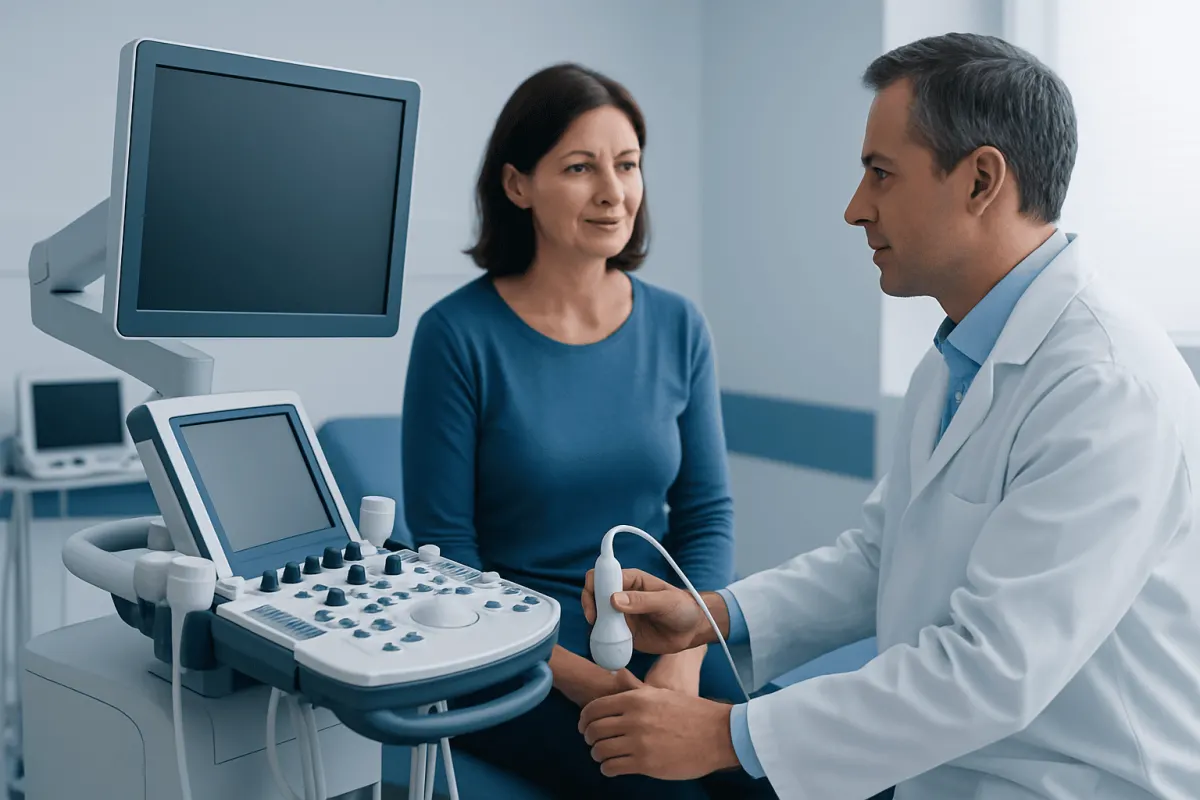
For most adults, an occasional beer is unlikely to cause harm, but beer is not recommended as a way to improve health. Current evidence shows that alcohol-related risks rise with intake, and choosing not to drink remains the healthiest option for people who do not already drink alcohol.
Is beer good for health?
For most adults, having an occasional beer is unlikely to cause harm, especially when it is not combined with driving, unsafe activities, or medicines that interact with alcohol. However, the answer to “is it beer good for health?” is no: beer should not be viewed as a health food or used to prevent disease. The healthiest choice for someone who does not drink alcohol is not to start.
Beer contains alcohol, most often ethanol, which is the ingredient linked with health risks. It also provides calories and may contain small amounts of B vitamins, minerals, and plant compounds from grains and hops. These nutrients can be obtained more safely from foods such as whole grains, vegetables, legumes, nuts, and fortified products.
Health guidance has changed as alcohol research has improved. Earlier observational studies sometimes suggested that light drinkers had lower rates of heart disease than non-drinkers. Many of these findings may have been affected by other differences between groups, including diet, income, physical activity, and the inclusion of former drinkers who stopped because of illness among people classified as non-drinkers.
What the evidence says about possible benefits
Some studies have found an association between low alcohol intake and a lower risk of certain cardiovascular events in selected groups. An association does not prove that beer itself caused the benefit. People who drink small amounts may also have social, dietary, and lifestyle patterns that support better health.
Alcohol can affect blood lipids and blood clotting, which helped create the idea that a daily drink might protect the heart. However, alcohol can also raise blood pressure, contribute to irregular heart rhythms, increase triglycerides, and add calories. For this reason, major health organizations do not recommend drinking beer, wine, or spirits to protect the heart.
Beer may contain polyphenols from hops and barley, but the amounts and effects vary substantially by product. Non-alcoholic beer may provide some of these compounds without the direct effects of ethanol, although it can still contain calories and, in some products, small amounts of alcohol. It is not a substitute for an overall balanced eating pattern.
In practical terms, healthy routines with much stronger evidence include not smoking, regular physical activity, adequate sleep, managing blood pressure and cholesterol, and eating a varied diet rich in minimally processed foods. These measures support heart health without introducing alcohol-related risks.
Health risks linked with beer and alcohol
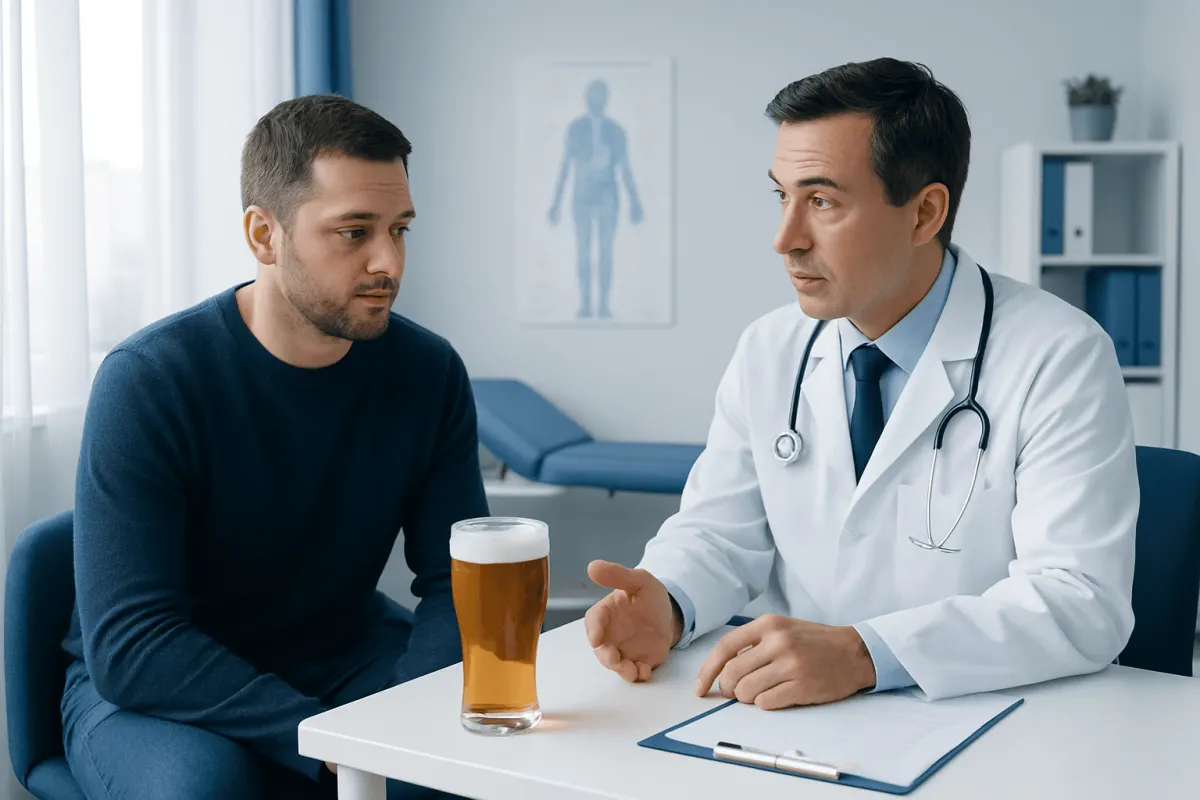
Alcohol affects many organs and body systems. Regular or heavier beer consumption can contribute to weight gain, high blood pressure, liver inflammation, pancreatitis, sleep disturbance, depression or anxiety symptoms, and problems with memory or concentration. Alcohol can also reduce coordination and reaction time, increasing the likelihood of falls, injuries, and road traffic accidents.
Alcohol is linked with an increased risk of several cancers, including cancers of the mouth, throat, voice box, esophagus, liver, breast, and bowel. The risk generally increases as the amount consumed increases. Even low levels of alcohol may carry some cancer risk, which is why reducing intake can be beneficial.
Beer can be particularly easy to underestimate because serving sizes and alcohol percentages vary. Strong beers, large glasses, cans, and draft servings may contain more alcohol than a standard drink. Drinking several servings in one sitting can quickly lead to intoxication and, over time, a higher average intake than expected.
Alcohol may also worsen existing conditions. People with liver disease, acid reflux, gout, diabetes, high triglycerides, sleep apnea, epilepsy, or certain mental health conditions may need individualized advice. A clinician can help assess whether alcohol is contributing to symptoms or interfering with treatment.
Who should avoid beer completely?
Some people should not drink beer or other alcohol at all. This includes people who are pregnant, trying to become pregnant, or breastfeeding according to individualized medical advice. There is no known safe amount of alcohol during pregnancy, as alcohol can affect fetal development.
Alcohol should also be avoided by children and adolescents, people who need to drive or operate machinery, and anyone recovering from alcohol dependence or experiencing difficulty controlling their drinking. People with a history of alcohol use disorder may be at risk of relapse even after a long period without alcohol.
Many medicines can interact with alcohol. These include some sleeping medicines, anti-anxiety medicines, opioid pain medicines, certain antidepressants, diabetes medicines, blood thinners, and medicines that affect the liver. Combining alcohol with sedating medicines can dangerously slow breathing and impair alertness. A pharmacist or doctor can check a person’s specific medicines.
People with liver or pancreatic disease, a history of alcohol-related health problems, or certain heart rhythm conditions should seek medical advice before drinking. In these situations, avoiding alcohol is often the safest approach rather than trying to identify a “safe” amount.
How to reduce alcohol-related risk
For adults who choose to drink, less is safer than more. Avoiding binge drinking, spacing alcoholic drinks, choosing smaller servings, and having alcohol-free days can reduce exposure. It is also helpful to drink slowly, have food if appropriate, and alternate alcoholic drinks with water.
Alcohol should never be used to manage stress, insomnia, loneliness, or low mood. Although beer may briefly feel relaxing, it can disrupt sleep later in the night and can worsen mood or anxiety over time. Supportive alternatives include speaking with someone trusted, exercise, relaxation practices, counseling, and treatment for underlying health concerns.
People may find it useful to keep a simple record of when, where, and why they drink. This can reveal patterns such as drinking every evening, using alcohol after stressful events, or drinking more in social settings. Alcohol-free beer or other non-alcoholic options can be useful for some people, though labels should be checked because not all products are fully alcohol-free.
- Do not drink and drive, swim, cycle in traffic, or operate machinery.
- Do not mix alcohol with recreational drugs or sedating medicines.
- Avoid saving up drinks for one occasion or drinking rapidly.
- Seek support early if cutting down feels difficult.
When to seek medical care
Many people who drink beer occasionally do not need medical testing simply because they drink. Medical review is sensible, however, when alcohol use is increasing, feels difficult to control, causes problems at home or work, or is being used regularly to cope with emotions or sleep. Early, non-judgmental support can be very effective.
Prompt medical advice is important for symptoms such as yellowing of the skin or eyes, persistent abdominal pain, vomiting blood, black stools, unexplained weight loss, swelling of the abdomen or legs, repeated falls, confusion, or a marked change in mood. Emergency care is needed for severe confusion, seizures, difficulty breathing, loss of consciousness, or suspected alcohol poisoning.
A doctor will usually ask about drinking patterns, overall health, medicines, mood, sleep, diet, and family history. Depending on symptoms, evaluation may include a physical examination, blood pressure measurement, blood tests for liver function and blood sugar, and sometimes imaging or referral to a specialist. These steps help identify treatable concerns without assuming that alcohol is the only cause.
For people who drink heavily or daily, stopping suddenly can occasionally cause withdrawal symptoms. It is safer to seek medical advice before stopping abruptly if there is a history of shaking, sweating, anxiety, hallucinations, seizures, or severe withdrawal. Acıbadem Health Point’s multidisciplinary specialists and JCI-accredited hospitals can assess alcohol-related health concerns and coordinate appropriate care for international patients.
A balanced conclusion about beer
Beer is a common social drink, and an occasional serving is often not harmful for many healthy adults. Yet “not harmful on one occasion” is different from “good for health.” The available evidence does not show that people should drink beer to gain health benefits.
Whether a person drinks, cuts down, or avoids alcohol completely is a personal decision that should take health conditions, medicines, family history, lifestyle, and past experiences into account. Someone who already drinks can lower risk by reducing the amount and frequency. Someone who does not drink does not need to begin.
If there are questions about alcohol and a specific condition, a qualified doctor can provide individualized guidance. This is particularly important when there are liver symptoms, pregnancy plans, mental health concerns, medication use, or trouble controlling alcohol intake.
Frequently asked questions
01Is one beer a day good for the heart?
A daily beer is not recommended as a way to protect the heart. Earlier research suggesting a benefit may have been influenced by lifestyle differences between drinkers and non-drinkers. Heart health is better supported by exercise, a balanced diet, not smoking, and management of blood pressure and cholesterol.
02Does beer have any nutritional value?
Beer can contain small amounts of B vitamins, minerals, carbohydrates, and plant compounds from barley and hops. However, it also contains alcohol and calories, and it should not be relied on for nutrients. Food sources provide these nutrients with fewer risks.
03Is non-alcoholic beer healthier than regular beer?
Non-alcoholic beer generally avoids or greatly reduces exposure to ethanol, so it may be a lower-risk choice for some adults. Products differ, and some contain small amounts of alcohol, sugar, or calories. People who need complete alcohol avoidance should check the label and discuss suitable options with a clinician if needed.
04Can beer cause weight gain?
Yes. Beer provides calories, and drinking may also increase appetite or reduce attention to food choices. Frequent intake, large portions, and stronger beers can make calorie intake rise over time.
05Can beer affect sleep?
Alcohol may make a person feel sleepy initially, but it commonly disrupts sleep later in the night. It can reduce sleep quality, worsen snoring or sleep apnea, and lead to early waking. Avoiding alcohol close to bedtime can help protect sleep.
06When is drinking beer a sign that I should get help?
Medical support is appropriate if a person cannot cut down, needs alcohol to relax or sleep, experiences withdrawal symptoms, or has alcohol-related problems in relationships, work, or health. A doctor can assess the situation confidentially and discuss safe treatment and support options. Seeking help early is a positive and practical step.
This article is for general information only and is not a substitute for professional medical advice. Please consult a qualified doctor about your individual situation.
Medical weight-loss options in Turkey — costs & eligibility
JCI-accredited · board-certified surgeons · reply within 24h
Add us as a Preferred Source to see more of our trusted health content across Google Search, AI Overviews and Discover.