Inside Knee Pain: Common Causes and Warning Signs
Pain on the inside of the knee, also called medial knee pain, is common and may develop after an injury, repeated strain, or gradual joint wear. Many causes improve with appropriate self-care and medical guidance, but persistent pain, swelling, instability, or inability to bear weight should be assessed by a healthcare professional.
Overview: What Does Pain on the Inside of the Knee Mean?
Inside knee pain describes discomfort along the inner, or medial, side of the knee. It may feel sharp, aching, burning, tender to touch, or tight. Some people notice it only during walking, climbing stairs, squatting, or turning, while others have pain at rest or after sitting for a long time.
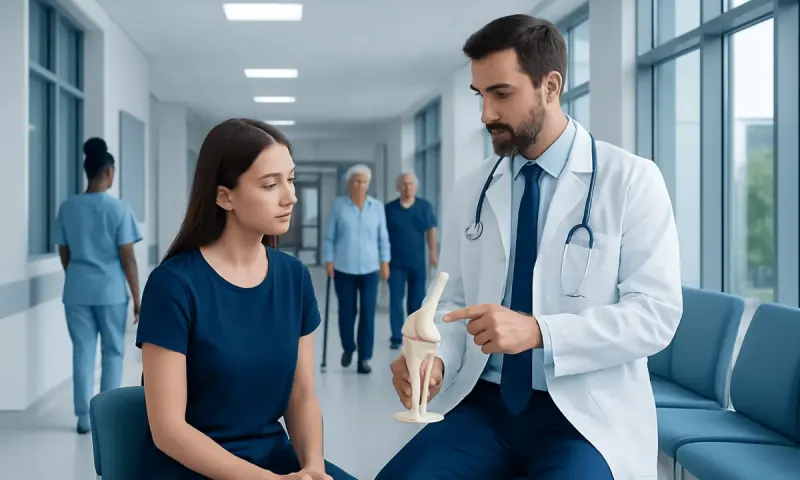
The knee is a complex weight-bearing joint. The inner side contains the medial meniscus, medial collateral ligament (MCL), joint cartilage, tendons, and a fluid-filled cushion called the pes anserine bursa. Pain can arise from one of these structures or from conditions affecting the whole joint, such as osteoarthritis.
Inner knee pain is not always serious, but the pattern and timing of symptoms matter. A sudden pain after a twist or direct impact needs a different assessment from discomfort that developed gradually over months. A clinician can help identify the source and recommend safe treatment.
Common Symptoms That Can Accompany Inner Knee Pain
Symptoms vary according to the underlying cause. Pain may be located directly at the joint line, slightly below the joint on the upper inner shin, or along the inner edge of the knee. It can worsen with activities that load or rotate the knee, including running, pivoting, kneeling, getting up from a chair, or using stairs.
Some people also develop stiffness, swelling, reduced range of motion, clicking, catching, or a sensation that the knee may give way. Swelling that appears soon after an injury can suggest injury within the joint, whereas mild swelling that builds gradually may occur with overuse or osteoarthritis.
- Meniscus-related symptoms: joint-line tenderness, catching, locking, pain with twisting, or swelling after activity.
- MCL-related symptoms: tenderness along the inner ligament and pain after the knee is pushed inward or twisted.
- Osteoarthritis-related symptoms: gradual pain, stiffness after rest, reduced movement, and discomfort with weight-bearing.
- Pes anserine bursitis or tendon irritation: tenderness a few centimetres below the inner joint line, often worse with stairs or repeated bending.
A true locked knee, where the joint cannot fully straighten or bend, should be evaluated promptly. It can sometimes occur when a meniscus injury blocks normal joint movement.
Causes and Risk Factors

A meniscus tear is a common cause of medial knee pain. The meniscus is a C-shaped piece of cartilage that helps spread load across the knee. It can tear during a forceful twist, especially in sport, but may also become more vulnerable with age-related tissue changes. Meniscus tears may cause pain, swelling, catching, or difficulty fully moving the knee.
The MCL is a band of tissue that stabilizes the inner knee. It may be stretched or torn when a blow affects the outer knee, forcing it inward, or during a twisting injury. MCL injuries are often painful to touch along the ligament and can cause a feeling of instability.
Medial compartment osteoarthritis occurs when cartilage in the inner part of the knee becomes worn or damaged over time. Previous injury, ageing, excess body weight, physically demanding work, repetitive high-impact activity, altered leg alignment, and family history can all contribute. Knee osteoarthritis can also flare after unusual activity.
Other possible causes include pes anserine bursitis, tendon irritation, patellofemoral pain that is felt medially, stress injury, inflammatory arthritis, and less commonly infection or referred pain from the hip or lower back. Risk factors for overuse-related pain include sudden training increases, weak hip or thigh muscles, inadequate recovery, poorly fitting footwear, and changes in walking or running technique.
How Doctors Diagnose the Cause
A healthcare professional usually begins by asking when the pain started, whether there was an injury, which movements bring it on, and whether there is swelling, locking, instability, fever, or symptoms elsewhere in the body. Information about sport, work, previous knee injuries, medicines, and medical conditions is also useful.
During examination, the clinician may check the knee’s alignment, swelling, warmth, range of motion, strength, walking pattern, and areas of tenderness. Gentle manoeuvres can help assess the meniscus, ligaments, kneecap, and surrounding tendons. The examination also considers the hip and lower back when referred pain is possible.
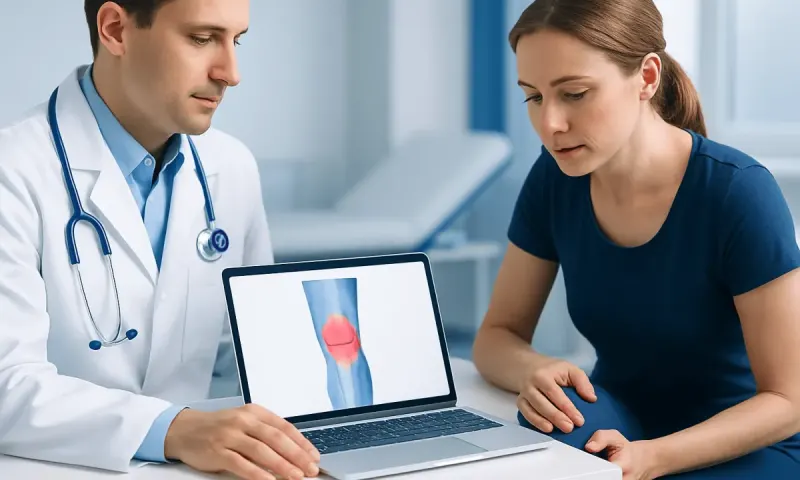
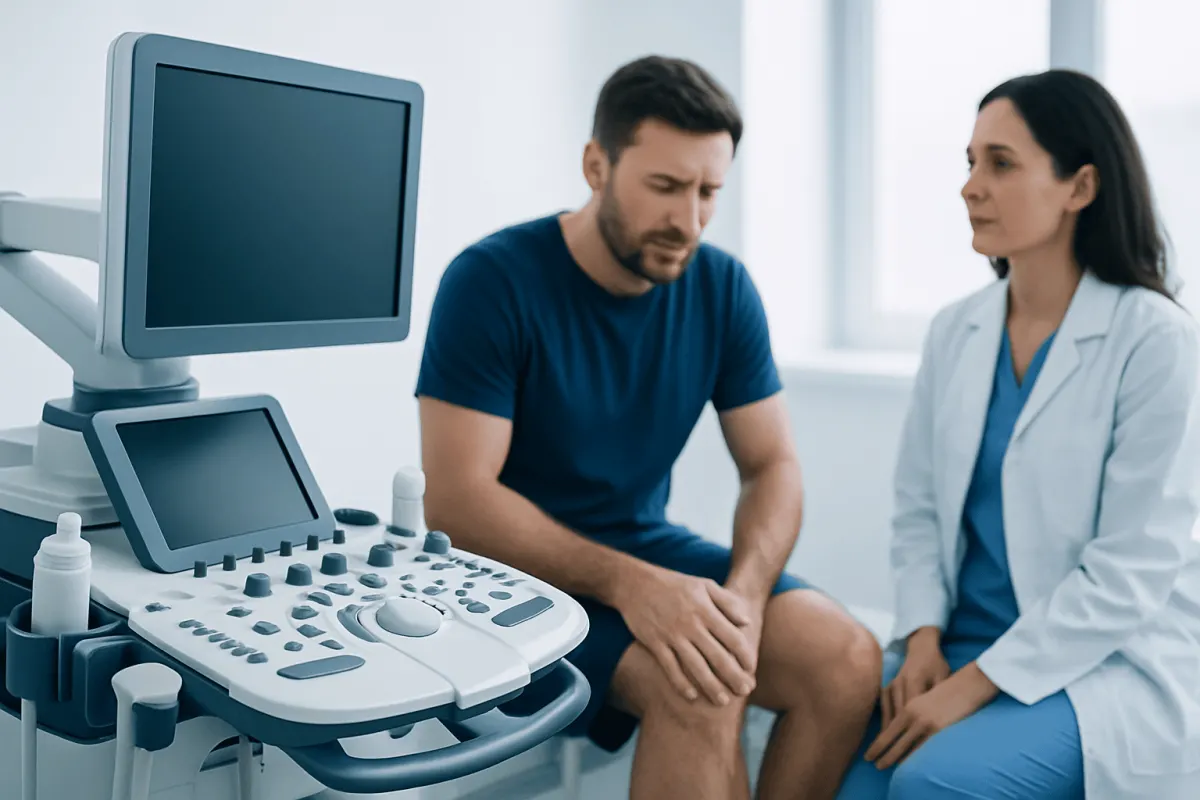
Imaging is not required for every episode of knee pain. X-rays can help identify arthritis, bone changes, or fractures. Ultrasound may be useful for some soft-tissue or fluid-related concerns. Magnetic resonance imaging (MRI) provides more detail about menisci, ligaments, cartilage, and other soft tissues when the result is likely to guide treatment.
Blood tests or joint-fluid testing may be considered if an inflammatory condition, infection, or crystal arthritis is suspected. These tests are selected based on the person’s symptoms and examination rather than used routinely.
Treatment Options for Medial Knee Pain
Treatment depends on the cause, the severity of symptoms, activity needs, and overall health. For many minor sprains and overuse problems, reducing aggravating activities for a short period while maintaining comfortable movement is helpful. Cold packs wrapped in a cloth may ease pain and swelling after activity. A clinician or pharmacist can advise whether pain-relieving medicines are suitable, particularly for people with stomach, kidney, heart, blood-thinning, or other health considerations.
Rehabilitation is an important part of recovery. A physiotherapist may recommend exercises to restore motion and strengthen the quadriceps, hamstrings, hips, and core. Improving balance and movement control can reduce strain on the knee during daily activities and sport. Physical therapy and rehabilitation is often used for ligament injuries, meniscus symptoms, osteoarthritis, and post-injury recovery.
For knee osteoarthritis, treatment may include exercise-based therapy, weight management where relevant, activity adaptation, assistive devices when needed, and selected medicines or injections. When symptoms remain severe despite appropriate non-surgical care, surgical options may be discussed. Replacement Surgery: Candidates, Implant Types, and Recovery" class="ahp-ilk">Knee replacement surgery is generally considered for advanced arthritis that has a major effect on pain, mobility, and quality of life.
Some meniscus tears can be managed without surgery, particularly when symptoms are improving and there is no persistent locking. Surgery may be considered for certain tears, ongoing mechanical symptoms, or injuries associated with other knee damage. Decisions should be individualized after assessment by an orthopedic specialist.
Self-Care, Prevention, and Safer Return to Activity
During a painful flare, it is reasonable to avoid activities that clearly increase symptoms, such as deep squats, pivoting sports, running hills, or prolonged kneeling. Complete inactivity is usually unnecessary and may lead to stiffness and weakness. Gentle range-of-motion exercises and low-impact activity, such as cycling or swimming, may be appropriate if they are comfortable and approved by a clinician.
A gradual return to activity is safer than trying to make up for missed exercise quickly. Training volume and intensity should increase step by step, with rest days and recovery included. Supportive footwear and appropriate sport technique may also reduce repeated stress on the knee.
Maintaining thigh and hip strength helps support knee movement. For people with osteoarthritis or excess load on the joint, a sustainable approach to healthy weight management may reduce symptoms and improve function. A physiotherapist can tailor exercises to the person’s diagnosis, pain level, and goals.
Knee braces, sleeves, or taping can sometimes provide comfort or stability, but they do not replace a diagnosis or a strengthening programme. It is best to seek professional advice before relying on a brace after a significant injury or when the knee feels unstable.
When to See a Doctor
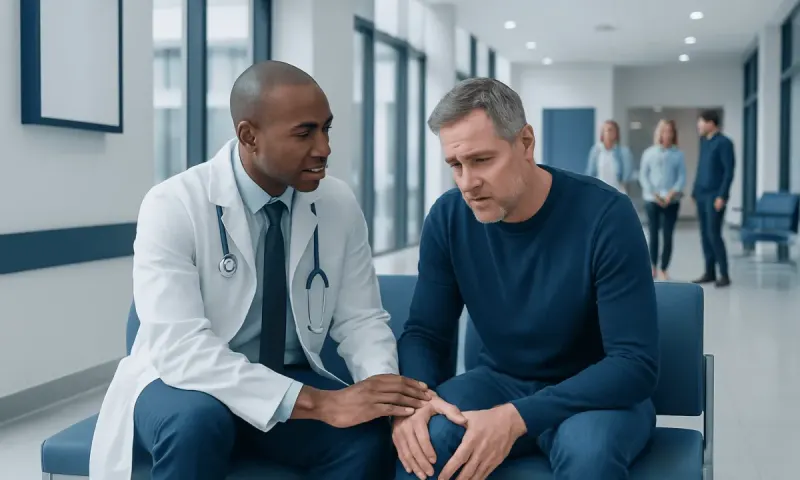
Medical assessment is advisable when inner knee pain lasts more than a few weeks, repeatedly returns, limits usual activity, or does not improve with sensible activity modification. An appointment is also appropriate after a twist, fall, or sports injury, especially if swelling, instability, reduced movement, or a popping sensation occurred.
Urgent medical care is needed if the person cannot bear weight after an injury, the knee is visibly deformed, there is severe or rapidly increasing swelling, or the knee is locked and cannot move normally. A hot, red, very swollen knee, especially with fever or feeling unwell, requires prompt evaluation because infection and inflammatory causes need timely treatment.
Acıbadem Health Point’s multidisciplinary specialists and JCI-accredited hospitals assess and treat knee conditions for international patients, including through orthopedic evaluation and rehabilitation planning. The most suitable pathway depends on the individual diagnosis and recovery goals.
Early assessment can clarify the cause of pain, protect the knee from further strain, and support a safe return to daily movement, work, and physical activity.
Frequently asked questions
01Why does my knee hurt on the inside when walking?
Pain on the inner side of the knee while walking may come from overuse, osteoarthritis, a meniscus problem, ligament strain, or irritation of tissues below the joint. The exact cause depends on the location of tenderness, swelling, injury history, and other symptoms. Persistent or worsening pain should be assessed by a healthcare professional.
02Can inner knee pain heal on its own?
Many mild strains and overuse-related problems improve with temporary activity changes, gentle movement, and appropriate strengthening. However, recovery time varies, and some causes, such as significant meniscus or ligament injuries, may need medical assessment and targeted treatment. A locked knee, major swelling, or inability to bear weight should not be managed at home alone.
03Is pain on the inside of the knee always a meniscus tear?
No. A meniscus tear is one possible cause, but medial knee pain may also result from MCL injury, osteoarthritis, bursitis, tendon irritation, or pain referred from another area. Examination and, when necessary, imaging help distinguish between these possibilities.
04What is the difference between MCL pain and meniscus pain?
MCL pain is often felt along the inner side of the knee and may follow a force that pushes the knee inward. Meniscus pain is commonly felt at the inner joint line and may be accompanied by catching, clicking, swelling, or locking after twisting. Symptoms can overlap, so a clinician may need to examine the knee.
05Should I use heat or ice for inner knee pain?
Cold packs can be useful for short-term relief of pain and swelling after a recent injury or activity-related flare. Gentle warmth may help stiffness in some people, particularly before movement, if there is no marked swelling or acute injury. Both should be used with a protective cloth and for limited periods to avoid skin injury.
06When is surgery needed for inside knee pain?
Surgery is not needed for most episodes of medial knee pain. It may be considered when there is a repairable injury, persistent locking, significant instability, or advanced arthritis that has not responded to suitable non-surgical treatment. An orthopedic specialist can explain potential benefits, limitations, and alternatives for the individual situation.
This article is for general information only and is not a substitute for professional medical advice. Please consult a qualified doctor about your individual situation.
Joint and spine care in Turkey — expert assessment & treatment
JCI-accredited · board-certified surgeons · reply within 24h
Add us as a Preferred Source to see more of our trusted health content across Google Search, AI Overviews and Discover.