Infected Tattoo: Symptoms, Causes and Treatment

Key Takeaways
- Mild redness and soreness are common early after tattooing, but spreading symptoms may suggest infection.
- Infections can come from contaminated tools, poor aftercare, or bacteria entering broken skin.
- A doctor can help distinguish normal healing, allergy, and infection, which may look similar at first.
- Early care focuses on keeping the area clean and avoiding picking, squeezing, or heavy ointments.
- Fever, rapidly worsening pain, pus, or spreading redness deserve prompt medical review.
An infected tattoo can start as a small area of redness or tenderness, but not every irritated tattoo is infected. Understanding the warning signs, likely causes, and safe next steps helps protect the skin and support proper healing.
Overview
A new tattoo is, in practical terms, a controlled skin injury. The skin needs time to close and recover, and during that window it can look red, feel warm, or be mildly swollen. Those early changes are often part of normal healing rather than a problem.
An infected tattoo is different because the reaction tends to worsen instead of settle. The skin may become increasingly painful, hot, swollen, or develop pus, and the redness may spread beyond the tattooed area. For someone traveling internationally to have a tattoo corrected, removed, or assessed, knowing the difference between ordinary healing and infection can save time and prevent unnecessary worry.
Most tattoo infections are treatable when recognized early. A careful examination helps identify whether the issue is bacterial infection, irritation, an allergic reaction, or an inflammatory skin condition that is not actually infected.
Symptoms
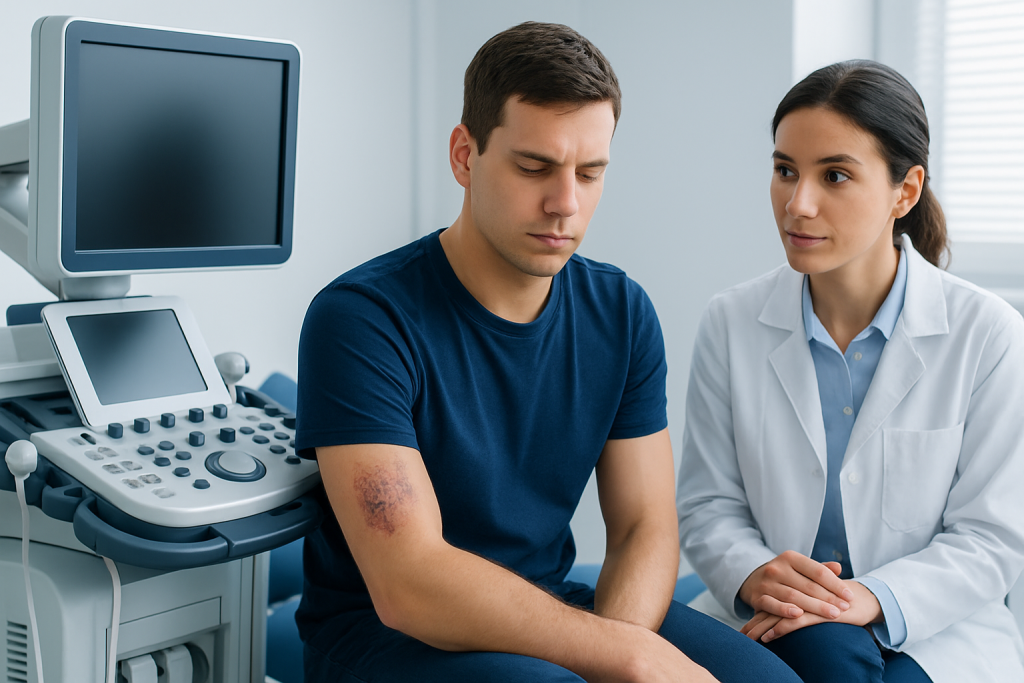
Many people first notice that the tattoo “doesn’t feel right.” Instead of gradually calming down over several days, the area may become more uncomfortable or look more inflamed. The pattern matters as much as the appearance.
Common signs that may point to infection include:
- Redness that spreads or becomes more intense
- Increasing pain, throbbing, or warmth
- Swelling that does not improve
- Pus, thick yellow drainage, or a bad odor
- Fever, chills, or feeling generally unwell
- Red streaks extending away from the tattoo
Some tattoos also itch during healing, which can be normal. However, severe itching with a rash, blisters, or widespread redness may suggest a reaction to ink or aftercare products rather than infection. That distinction is important because treatment is not the same.
Causes & Risk Factors

Tattoo infection usually happens when bacteria or, less commonly, other germs enter the broken skin. This may occur during the tattooing process or afterward if the area is exposed to contamination before it has fully healed.
Possible causes include unsterile equipment, poor hand hygiene, contaminated ink, touching the tattoo with unwashed hands, swimming too early, or using shared razors, towels, or dressings. Even a well-done tattoo can become infected if aftercare is inconsistent or the skin is repeatedly rubbed or scratched.
Certain factors can make infection more likely. People with diabetes, immune system problems, or poor circulation may need extra caution. Large tattoos, tattoos in areas that rub against clothing, and tattoos picked at during healing can also heal more slowly and become more vulnerable.
Diagnosis
A doctor usually diagnoses an infected tattoo by examining the skin and asking how the symptoms have changed over time. The timing is helpful: a tattoo that was improving and then suddenly became painful, swollen, or draining fluid is more concerning than one that is simply mildly tender in the first day or two.
If the cause is not clear, the clinician may take a swab or culture from any drainage to identify the germ responsible. This can guide treatment, especially when symptoms are not responding as expected. In some cases, the appearance may suggest a noninfectious problem such as contact dermatitis, an allergic reaction to ink, or a skin condition triggered by trauma.
For international patients, photos sent in advance or an in-person review after travel can be useful, but they do not replace a hands-on examination when symptoms are active. Skin infections can evolve quickly, so assessment should not be delayed if signs are worsening.
Treatment Options
Treatment depends on how severe the infection is and what appears to be causing it. Mild cases may only need close follow-up and local care, while more obvious infections often require prescription medication. The goal is not only to calm the current symptoms but also to prevent deeper skin involvement.
General management may include gentle cleaning, keeping the area dry, and avoiding friction, shaving, or occlusive coverings unless advised by a clinician. If bacterial infection is suspected, a doctor may prescribe an antibiotic appropriate for the presentation and local resistance patterns. If there is an abscess or trapped pocket of pus, it may need drainage by a medical professional.
It is usually best not to self-treat with leftover antibiotics, steroid creams, or harsh antiseptics without advice. Those products can blur the picture, delay correct treatment, or irritate the skin further. Pain relief, if needed, should be discussed with a healthcare professional, especially for people who have other medical conditions or take regular medicines.
Prevention & Self-care
Careful aftercare is the strongest protection against tattoo infection. Clean hands, gentle washing, and patience go a long way. The skin is healing from a procedure, so the routine should support recovery rather than scrub it into submission.
Helpful self-care steps include:
- Wash the tattoo gently with mild soap and water, then pat dry
- Follow the artist’s aftercare instructions unless a doctor advises otherwise
- Avoid picking scabs or scratching itchy skin
- Keep the area out of pools, hot tubs, lakes, and ocean water until healed
- Wear loose clothing that reduces rubbing
- Use only products recommended for healing skin
Before getting a tattoo, it is wise to choose a licensed, hygienic studio and ask about sterile needles, fresh ink caps, and proper sanitation. For someone planning care abroad, this can be part of a larger travel plan: knowing where follow-up help is available if the tattoo reacts badly after returning home.
When to See a Doctor
Medical review is advisable if redness, pain, or swelling is getting worse after the first couple of days, rather than slowly improving. Drainage of pus, fever, red streaks, or a rapidly expanding rash should be assessed promptly.
A doctor should also be contacted if the tattoo looks infected and the person has diabetes, immune suppression, or another condition that could complicate healing. The same is true if the tattoo is on the face, near the eyes, or over an area where movement and friction make healing harder.
If uncertainty remains, it is safer to have the skin examined than to guess. A clinician can tell whether the problem is an infection, allergy, or simple irritation and recommend the right next step. At Acibadem Health Point, multidisciplinary specialists and JCI-accredited hospitals diagnose and treat tattoo-related skin problems for international patients, helping coordinate care before and after travel.
Recovery and Follow-up
Once treatment begins, improvement should be watched closely. Pain, redness, and swelling should gradually settle rather than spread, and any drainage should lessen. If the skin becomes more painful or the person feels unwell, the treatment plan may need to be adjusted.
Follow-up is especially important when a tattoo infection has been more than mild or when the person is returning home soon after treatment. Clear instructions about wound care, medication use, and warning signs can help avoid gaps in care across borders. In some cases, the tattoo may heal with temporary color changes or scarring, which can be discussed later if cosmetic concerns remain.
Once the skin is fully healed, it is usually easier to assess whether the tattoo itself needs touch-up, correction, or simply time. The priority first is always to calm the infection and let the skin recover safely.
Frequently asked questions
01How can someone tell if a tattoo is infected or just healing normally?
Normal healing usually brings mild redness, tenderness, and some itching that gradually improves. An infection is more likely if pain, warmth, swelling, or redness is getting worse, or if pus, fever, or red streaks appear. When in doubt, a medical exam is the safest way to tell the difference.
02Can a tattoo infection go away on its own?
Some minor irritation can settle without treatment, but a true infection should not be ignored. Waiting too long can allow the problem to spread deeper into the skin. A clinician can decide whether the tattoo needs local care, prescription medicine, or closer follow-up.
03What should be done at home while waiting to see a doctor?
The area should be washed gently with mild soap and water, then patted dry. It is best to avoid picking, scratching, squeezing, or applying random creams or makeup over the tattoo. Keeping the skin clean and uncovered, unless otherwise advised, can help reduce further irritation.
04Is pus from a tattoo always a sign of infection?
Pus or thick drainage often suggests infection, especially if it comes with increasing pain, swelling, or redness. A small amount of clear or lightly colored fluid can sometimes occur during healing, so the whole pattern matters. If the drainage is cloudy, foul-smelling, or increasing, it should be checked promptly.
05Can an allergic reaction look like an infected tattoo?
Yes, allergic reactions and infection can look similar early on because both may cause redness, swelling, itching, or discomfort. Allergic reactions are often more itchy and may cause blisters or a rash beyond the tattooed area. A doctor can help separate the two, since the treatment approach is different.
06When is urgent care needed for a tattoo problem?
Urgent assessment is sensible if there is fever, rapidly spreading redness, severe pain, red streaks, or swelling that is getting worse quickly. These signs can mean the infection is not staying limited to the skin. Prompt evaluation helps ensure the right treatment is started without delay.
This article is for general information only and is not a substitute for professional medical advice. Please consult a qualified doctor about your individual situation.
Explore treatments in Turkey — costs, top hospitals & a free quote
JCI-accredited · board-certified surgeons · reply within 24h
Add us as a Preferred Source to see more of our trusted health content across Google Search, AI Overviews and Discover.