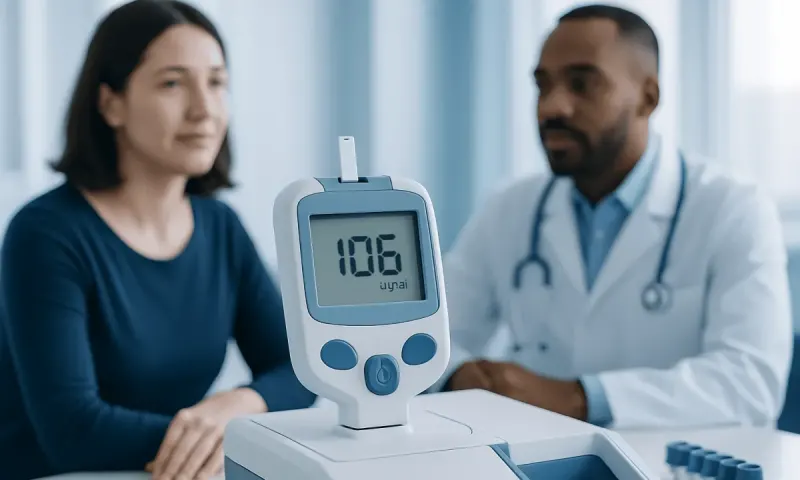
Impaired Fasting Glucose Is an Early Warning, Not Diabetes

Your routine blood test comes back and one line is flagged: fasting glucose, slightly high. Not diabetes. Not normal either. What now?
Impaired fasting glucose means your fasting blood sugar is above the normal range but below the level used to diagnose diabetes. It is a warning sign of insulin resistance and future metabolic risk. The good news: with timely medical guidance and changes to daily habits, many people can bring their blood sugar back down.
What impaired fasting glucose means
We use the term impaired fasting glucose when your blood sugar after fasting sits higher than normal, but not high enough to meet the criteria for diabetes. It is often considered part of the prediabetes spectrum. In practical terms, it means the body is beginning to have difficulty managing glucose efficiently, especially during fasting periods such as overnight.
This change is commonly linked to insulin resistance, a condition in which the body’s cells do not respond as well as they should to insulin. Over time, the pancreas may need to work harder to keep blood sugar under control. Some people remain stable for years, while others progress to type 2 diabetes if the underlying causes are not addressed.
It often causes no immediate health problems at all, which is exactly why it slips past people. However, it is clinically important because it may increase the long-term risk of type 2 diabetes, cardiovascular disease, and other metabolic problems. Early recognition gives patients and clinicians a valuable opportunity to act before diabetes develops.
How it differs from diabetes and other blood sugar changes
Patients often ask whether impaired fasting glucose is the same as diabetes. The answer is no. Diabetes is diagnosed when blood sugar levels reach clearly defined thresholds that reflect a more advanced problem with glucose regulation. Impaired fasting glucose falls in an intermediate range, so it is best understood as a warning sign rather than a final diagnosis of diabetes.
It is also slightly different from impaired glucose tolerance, another form of prediabetes. Impaired fasting glucose reflects elevated blood sugar after fasting, while impaired glucose tolerance refers to blood sugar that rises too much after eating or after a glucose drink during testing. Some people have one pattern, some have the other, and some have both.
Since these conditions overlap, your doctor will usually look at prediabetes more broadly instead of judging by one result. Looking at the full picture helps guide follow-up, lifestyle advice, and whether additional testing is needed.
Symptoms and why many people do not notice it

Most people with impaired fasting glucose feel completely well. There are often no obvious symptoms, especially in the early stages. That is why it is commonly discovered during routine blood work, annual checkups, or testing performed for another reason.
When symptoms do occur, they are usually subtle and not specific enough to clearly point to blood sugar problems. A person may notice fatigue, increased hunger, difficulty losing weight, or feeling unusually sleepy after meals. These experiences can have many causes, so laboratory testing is needed to understand whether blood sugar is involved.
Symptoms more typical of diabetes, such as excessive thirst, frequent urination, blurred vision, or unexplained weight loss, are less typical in impaired fasting glucose but should never be ignored. If such symptoms are present, a clinician may assess for diabetes or another underlying condition.
Common causes and who is at higher risk
The most common underlying driver of impaired fasting glucose is insulin resistance. This can develop when the body becomes less efficient at moving glucose from the bloodstream into cells. Excess body weight, especially around the abdomen, physical inactivity, and a diet high in refined carbohydrates and ultra-processed foods can all contribute, although the condition can also occur in people who do not fit this pattern.
Your family history matters here. A person may be more likely to develop impaired fasting glucose if close relatives have type 2 diabetes. Risk also tends to increase with age, though younger adults can develop it as well. Other associated factors include high blood pressure, abnormal cholesterol or triglyceride levels, sleep problems such as obstructive sleep apnea, smoking, and a history of gestational diabetes.
Certain medical conditions and medications may also affect glucose control. Hormonal disorders, chronic stress, and some medicines such as corticosteroids can raise blood sugar in some patients. Because blood sugar regulation is linked to overall metabolic health, doctors may also look for related concerns such as obesity when planning care.
- Higher body weight or increased waist circumference
- Low physical activity
- Family history of type 2 diabetes
- High blood pressure or abnormal blood lipids
- History of gestational diabetes or polycystic ovary syndrome
- Smoking, poor sleep, or advancing age
How doctors diagnose and monitor impaired fasting glucose
Diagnosis usually begins with a fasting plasma glucose test. The patient fasts overnight, and a blood sample is taken in the morning. If the result is above the normal range but below the diabetes threshold, it may indicate impaired fasting glucose. Because a single test can sometimes be influenced by illness, stress, or short-term factors, doctors may repeat the test to confirm the pattern.
Additional tests may help provide a fuller picture. HbA1c estimates average blood sugar over the previous two to three months, and an oral glucose tolerance test shows how the body handles glucose after a controlled glucose drink. These tests help distinguish between normal glucose regulation, prediabetes, and diabetes.
Monitoring usually includes more than blood sugar alone. Clinicians often check blood pressure, body weight, waist circumference, cholesterol, triglycerides, and liver function because metabolic conditions often occur together. In some cases, a doctor may recommend a broader check-up and screening approach to identify related risks early and guide a prevention plan.
Treatment options and lifestyle changes that make a difference
The main goal of treatment is to reduce the risk of progression to type 2 diabetes and lower overall cardiovascular risk. For many patients, the first and most effective step is lifestyle change. Even modest improvements in weight, eating habits, and physical activity can help the body use insulin more effectively and bring fasting glucose closer to normal.
Doctors often advise a balanced eating pattern built around vegetables, fruit, legumes, whole grains, lean protein, and healthy fats, while limiting sugary drinks, frequent sweets, and highly processed foods. Regular physical activity is also important. A plan that combines aerobic exercise with strength training can improve insulin sensitivity and support long-term metabolic health. Structured medical nutrition therapy may be helpful for people who want individualized dietary guidance.
In selected patients, medication may be considered, especially when blood sugar levels are rising, other risk factors are present, or lifestyle measures alone are not enough. Treatment decisions are individualized and should be made with a qualified clinician. If weight is a major contributing factor, supportive programs such as weight loss programs may form part of a broader care plan.
Keep coming back for review, because impaired fasting glucose can improve, stay put, or progress. Ongoing review allows the healthcare team to adjust advice, repeat tests when needed, and address barriers such as low motivation, stress, poor sleep, or other health conditions.
Prevention, self-care, and daily habits
Daily habits can strongly influence fasting blood sugar. A practical approach is often more helpful than a perfect one. Choosing consistent meal patterns, eating more fiber-rich foods, reducing large late-night meals, and staying active throughout the week can all support steadier glucose control. Small sustainable changes usually work better than strict short-term plans.
Do not underestimate sleep and stress. Poor sleep can worsen insulin resistance, and chronic stress may affect hormones that influence blood sugar. Developing routines for sleep, relaxation, and regular movement can support medical treatment and improve overall well-being. Avoiding tobacco and limiting alcohol are also important parts of long-term prevention.
Please do not try to fix elevated fasting glucose with supplements or advice you found online. The safest path is to discuss any self-care plan with a healthcare professional, especially if there are other conditions such as high blood pressure, fatty liver disease, or pregnancy. Some people do better with specialist support along the way. Acıbadem Health Point’s multidisciplinary specialists in JCI-accredited hospitals diagnose and treat metabolic conditions for international patients.
When to seek medical care
Book a medical review if routine blood tests show elevated fasting glucose, if there is a strong family history of diabetes, or if risk factors such as weight gain, high blood pressure, or abnormal cholesterol are present. Early evaluation can clarify whether the result represents impaired fasting glucose, another form of prediabetes, or diabetes itself.
Prompt medical advice is also important if symptoms suggest blood sugar is becoming more abnormal. These include excessive thirst, frequent urination, blurred vision, recurrent infections, unusual fatigue, or unexplained weight loss. A doctor can assess symptoms, repeat tests if needed, and recommend appropriate next steps.
Urgent care is appropriate if a person feels severely unwell, confused, dehydrated, or develops rapid worsening of symptoms. While this is uncommon in impaired fasting glucose alone, sudden or severe symptoms should always be taken seriously.
Frequently asked questions
01Is impaired fasting glucose the same as prediabetes?
Impaired fasting glucose is one form of prediabetes. Prediabetes is a broader term that can include impaired fasting glucose, impaired glucose tolerance, or an HbA1c in the prediabetes range. A doctor may use one or more tests to define the exact pattern.
02Can impaired fasting glucose go back to normal?
Yes, in many cases fasting glucose can improve with lifestyle changes such as weight loss, healthier eating, regular exercise, and better sleep. Some people return to normal glucose levels, while others remain in the prediabetes range or progress over time. Regular follow-up testing is important to track the trend.
03Does impaired fasting glucose always cause symptoms?
No. Most people do not notice any symptoms at all. That is why screening and routine blood tests are often how it is found.
04What foods are helpful for impaired fasting glucose?
Foods that support steadier blood sugar include vegetables, whole grains, legumes, lean proteins, nuts, seeds, and unsweetened dairy or suitable alternatives. It is usually helpful to limit sugary drinks, frequent desserts, and heavily processed snacks. A registered dietitian or doctor can help tailor advice to the person’s health needs.
05Will everyone with impaired fasting glucose develop diabetes?
No, not everyone will develop diabetes. The risk is higher than in people with normal fasting glucose, but timely lifestyle changes and medical follow-up can reduce that risk. Personal factors such as age, family history, weight, and other medical conditions also influence the outcome.
06How often should fasting glucose be checked?
The right schedule depends on the patient’s overall risk and the first test result. Many people need repeat testing at intervals recommended by their doctor, especially if they have other metabolic risk factors. Follow-up may include fasting glucose, HbA1c, or other blood tests.
This article is for general information only and is not a substitute for professional medical advice. Please consult a qualified doctor about your individual situation.
Heart care in Turkey — expert evaluation and treatment
JCI-accredited · board-certified surgeons · reply within 24h
Add us as a Preferred Source to see more of our trusted health content across Google Search, AI Overviews and Discover.