Immunotherapy for Lung Cancer: How It Works
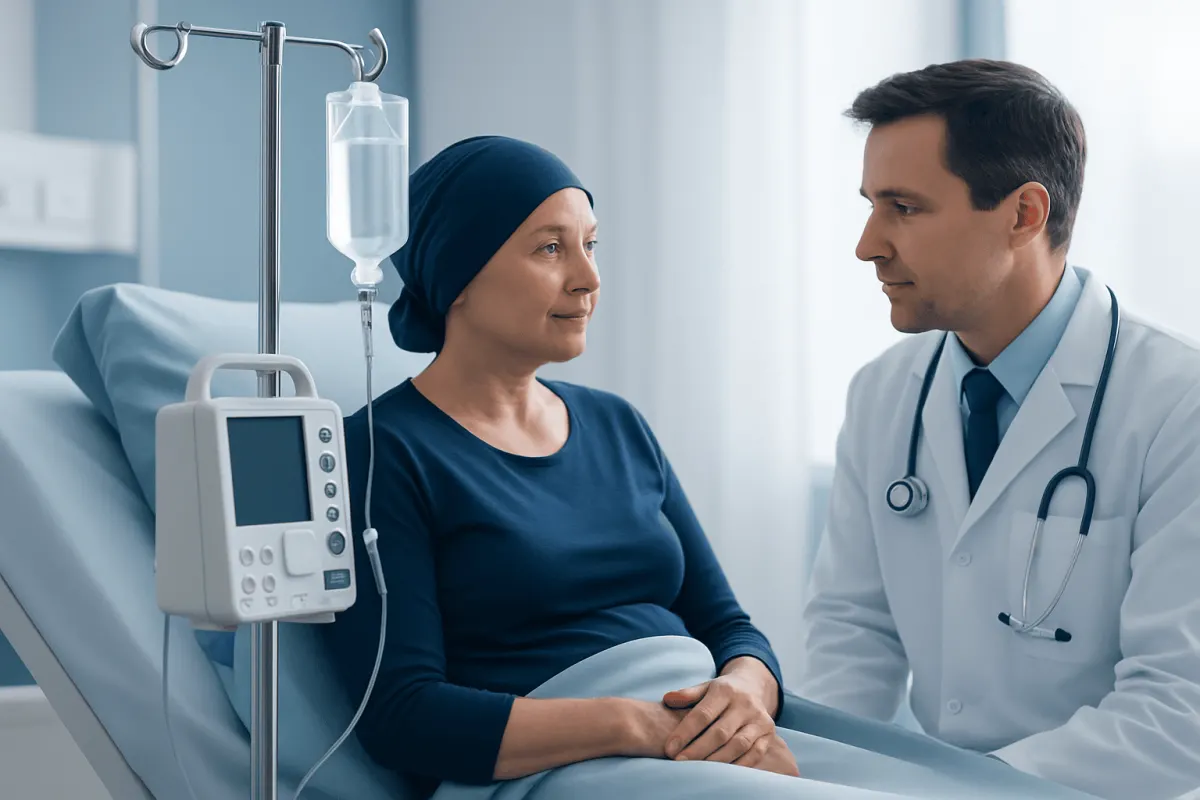
Immunotherapy for lung cancer uses medicines that help the body's immune system detect and fight cancer cells. It is used for selected early-stage and advanced lung cancers, either alone or combined with chemotherapy, surgery, or Cancer Radiation Treatment: Options and Outlook" class="ahp-ilk">radiation treatment, depending on the cancer type and individual test results.
Overview: What Is Immunotherapy for Lung Cancer?
Immunotherapy for lung cancer is a treatment that strengthens or releases the body’s own immune response against cancer. Cancer cells can sometimes avoid immune detection by using signals that slow down immune cells. Immunotherapy medicines can block some of these signals, allowing immune cells to recognize and attack cancer cells more effectively.
The most commonly used medicines are called immune checkpoint inhibitors. They target pathways such as PD-1, PD-L1, or CTLA-4. Treatment may be used on its own, alongside chemotherapy, before or after surgery, or with radiation in carefully selected situations. The appropriate plan depends on whether the cancer is non-small cell lung cancer or small cell lung cancer, its stage, and its molecular and biomarker profile.
Immunotherapy is not the same as chemotherapy. Chemotherapy acts directly on rapidly dividing cells, whereas immunotherapy changes how the immune system responds. Some patients receive both approaches because they work differently and may complement one another. A lung cancer team can explain how lung cancer type and stage influence treatment choices.
How Immunotherapy Is Planned and Given
Before treatment begins, the oncology team reviews biopsy findings, imaging scans, medical history, medications, and blood tests. Tumor testing commonly includes PD-L1 testing and, particularly for non-small cell lung cancer, testing for genetic changes that may make targeted therapy more appropriate. These results help determine whether immunotherapy is likely to be useful and how it should be combined with other treatment.
Most checkpoint inhibitors are administered as an intravenous infusion in an outpatient cancer unit. The infusion itself may take a relatively short time, but appointments also include symptom checks, laboratory tests when needed, and discussion with the treatment team. Sessions are repeated on a schedule chosen for the particular medicine and treatment plan.
There is usually no surgery-like recovery period after an infusion. Many people go home the same day and continue usual activities as they feel able. However, fatigue and immune-related side effects can develop between visits, so patients should know whom to contact if new symptoms occur. In some cases, lung cancer treatment includes a coordinated combination of systemic therapy, surgery, and radiation.
Who May Be Offered Immunotherapy?
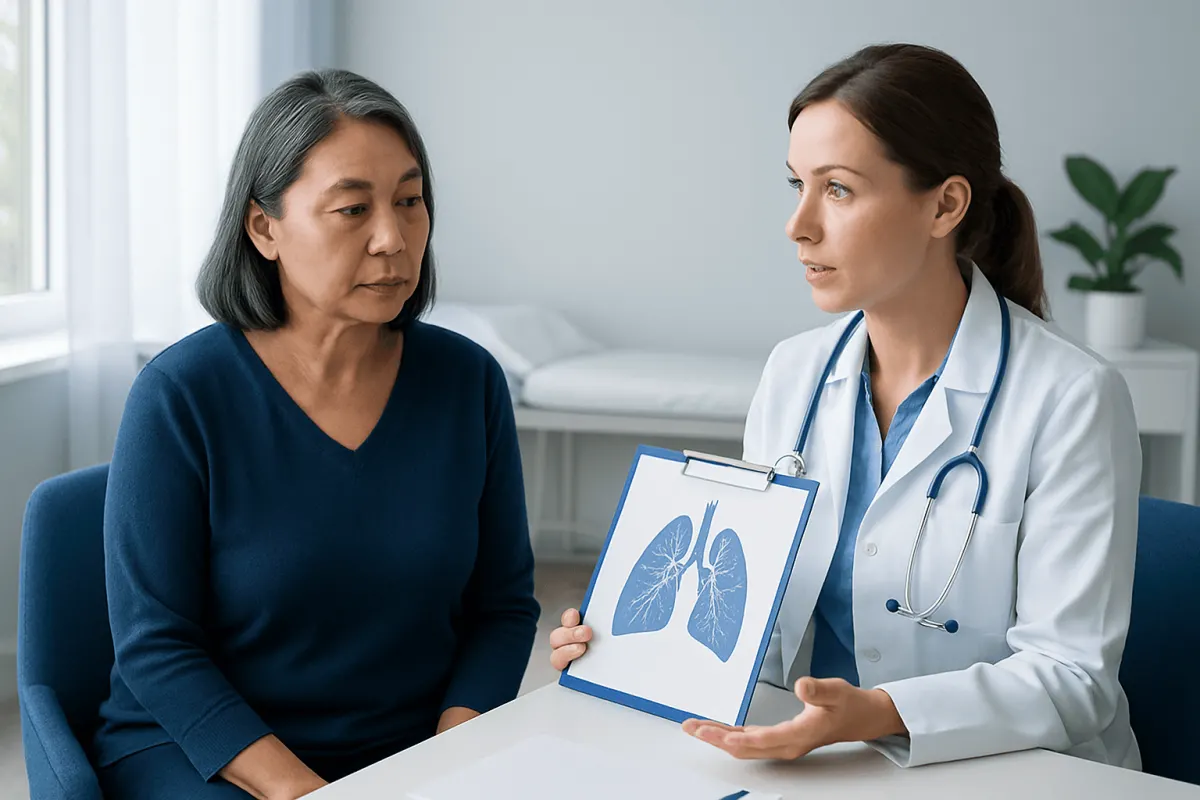
Immunotherapy may be considered at several points during lung cancer care. In early-stage non-small cell lung cancer, it can be used before surgery with chemotherapy, after surgery in selected cases, or after chemoradiation for certain locally advanced cancers. The goal may be to reduce the risk of cancer returning or to improve control of disease that cannot be removed surgically.
For advanced or metastatic non-small cell lung cancer, immunotherapy may be given alone when tumor testing and clinical features support this approach. It is also frequently used with chemotherapy, especially when a rapid response is needed or when PD-L1 levels do not support immunotherapy alone. In extensive-stage small cell lung cancer, immunotherapy may be added to initial chemotherapy for some patients.
Not every patient is a candidate. Active autoimmune disease, an organ transplant, certain chronic infections, significant lung inflammation, or use of medicines that suppress the immune system may require an individualized assessment. These factors do not always rule out treatment, but they can change the balance of potential benefits and risks.
How Successful Is Immunotherapy on Lung Cancer?
Immunotherapy can be highly effective for some people with lung cancer, but success varies widely. In some patients, tumors shrink or remain controlled for a long time; in others, the cancer does not respond or eventually grows again. Results depend on the lung cancer subtype, disease stage, PD-L1 expression, tumor genetics, treatment combination, general health, and how the individual immune system and tumor interact.
Clinical studies have shown that checkpoint inhibitors can improve outcomes for appropriate groups of patients compared with older treatment approaches alone. However, an individual response cannot be guaranteed. PD-L1 testing can help guide decisions, but it does not predict benefit perfectly: some people with high PD-L1 expression do not respond, while some with low expression can benefit, especially when immunotherapy is combined with chemotherapy.
Success is assessed in more than one way. The team considers scan results, symptoms, physical function, and whether treatment side effects remain manageable. Imaging is usually repeated at planned intervals. Occasionally, immune cells entering a tumor can make it look temporarily larger on a scan, so doctors interpret results alongside the person’s overall condition before deciding whether treatment is helping.
What Is the Life Expectancy of Someone on Immunotherapy for Lung Cancer?
Life expectancy for someone receiving immunotherapy for lung cancer cannot be estimated reliably from treatment alone. It depends on the stage at diagnosis, whether the cancer has spread, cancer type and biology, response to treatment, other health conditions, and the treatments available over time. People with the same diagnosis can have very different experiences.
For some people with advanced lung cancer, immunotherapy has made longer-term disease control possible. For others, the treatment may provide limited benefit, and the care plan may need to change. In earlier-stage disease, immunotherapy may be used with curative-intent treatment, so prognosis is assessed differently than in metastatic cancer.
The oncology team is best placed to discuss prognosis using the individual’s scans, pathology, treatment response, and overall health. Honest conversations about goals of care can be helpful at every stage and do not mean that active treatment or supportive care will stop. Symptom relief, emotional support, nutrition advice, and palliative care can be included alongside cancer-directed treatment whenever needed.
How Long Does It Take for Immunotherapy to Work for Lung Cancer?
Immunotherapy for lung cancer may begin to show an effect within the first few months, but the timing differs from person to person. Doctors commonly arrange follow-up imaging after several treatment cycles to assess whether tumors are shrinking, stable, or growing. Symptom improvement may happen sooner for some people, while others may not notice a change even when scans show benefit.
Unlike a treatment that acts directly on tumor cells, immunotherapy depends on activating an immune response. This can take time. If the cancer is causing significant symptoms or is progressing quickly, chemotherapy may be used with immunotherapy because it can provide more immediate tumor control in appropriate circumstances.
It is important not to judge effectiveness based only on how a person feels after one infusion. New or worsening symptoms should still be reported promptly, as they may indicate side effects or cancer-related problems that require attention. The team will use regular clinical reviews, blood tests, and scans to decide whether treatment should continue, be adjusted, or be changed.
Side Effects, Monitoring, and Recovery
Many people tolerate immunotherapy reasonably well, but side effects can occur because immune activity may affect healthy tissues. Common effects include tiredness, rash or itching, diarrhea, nausea, reduced appetite, joint aches, and changes in thyroid function. These symptoms may be mild, but they should be discussed with the oncology team rather than managed alone.
Less common but potentially serious immune-related effects can involve the lungs, bowel, liver, kidneys, hormone-producing glands, nerves, heart, or other organs. New shortness of breath, persistent cough, chest pain, severe diarrhea, abdominal pain, yellowing of the skin or eyes, marked weakness, confusion, or a severe rash needs urgent medical advice. Early recognition often allows side effects to be treated more effectively, sometimes with treatment pauses or medicines that calm immune inflammation.
Recovery after each infusion is usually based on symptom management rather than a fixed timetable. Rest, regular fluids, balanced meals, gentle activity when possible, and keeping a record of symptoms can be useful. Patients should not start supplements, anti-inflammatory medicines, or herbal remedies without checking with their cancer team, since these may affect treatment or other medicines.
When to Seek Medical Care
Anyone with a new persistent cough, coughing up blood, unexplained breathlessness, chest discomfort, repeated chest infections, unexplained weight loss, or worsening fatigue should arrange a medical assessment. These symptoms can have many causes and do not necessarily mean lung cancer, but timely evaluation is important. People with a known lung cancer diagnosis should contact their care team if symptoms change or become more difficult to manage.
During immunotherapy, urgent medical advice is needed for sudden or worsening breathlessness, chest pain, high fever, severe or persistent diarrhea, signs of dehydration, confusion, major weakness, severe headache, vision changes, or widespread blistering rash. Patients should tell emergency clinicians that they are receiving immunotherapy, as immune-related side effects may need a different assessment from common infections or chemotherapy effects.
Acıbadem Health Point’s multidisciplinary specialists and JCI-accredited hospitals diagnose and treat lung cancer for international patients, with treatment decisions guided by pathology, imaging, biomarker results, and the individual’s needs.
Frequently asked questions
01Is immunotherapy used instead of chemotherapy for lung cancer?
Sometimes. For selected people, especially those with certain biomarker results, immunotherapy may be used alone. In many cases, it is combined with chemotherapy because the combination can improve the chance of controlling the cancer.
02Can immunotherapy cure lung cancer?
In early-stage lung cancer, immunotherapy may be part of treatment intended to cure the disease, often alongside surgery and/or chemotherapy. In advanced lung cancer, the usual aim is long-term control, symptom relief, and prolonging life, although a small number of people can have very durable responses.
03How is eligibility for lung cancer immunotherapy decided?
Eligibility is based on the cancer type, stage, PD-L1 testing, genetic test results, prior treatments, symptoms, and overall health. The medical team also considers conditions such as autoimmune disease, organ transplantation, and medicines that suppress the immune system.
04What happens if immunotherapy stops working?
If scans or symptoms indicate that cancer is growing, the oncology team reassesses the situation. Options may include chemotherapy, targeted therapy if a relevant genetic alteration is present, radiation for specific areas, a clinical trial, or supportive treatment focused on comfort and quality of life.
05Can immunotherapy side effects start after treatment ends?
Yes. Immune-related side effects can occur during treatment and, less commonly, weeks or months after it has ended. New symptoms should be reported to the cancer team, and patients should mention previous immunotherapy when receiving care elsewhere.
06Can a person work or travel while receiving immunotherapy?
Many people can continue some work, travel, and daily activities, depending on how they feel and the demands of their treatment schedule. It is important to discuss travel plans with the oncology team, carry treatment information, and know how to access medical care if symptoms develop.
This article is for general information only and is not a substitute for professional medical advice. Please consult a qualified doctor about your individual situation.
Oncology care in Turkey — second opinion and treatment plan
JCI-accredited · board-certified surgeons · reply within 24h
Add us as a Preferred Source to see more of our trusted health content across Google Search, AI Overviews and Discover.