

Ice Baths: Benefits, Risks and Safe Cold Exposure
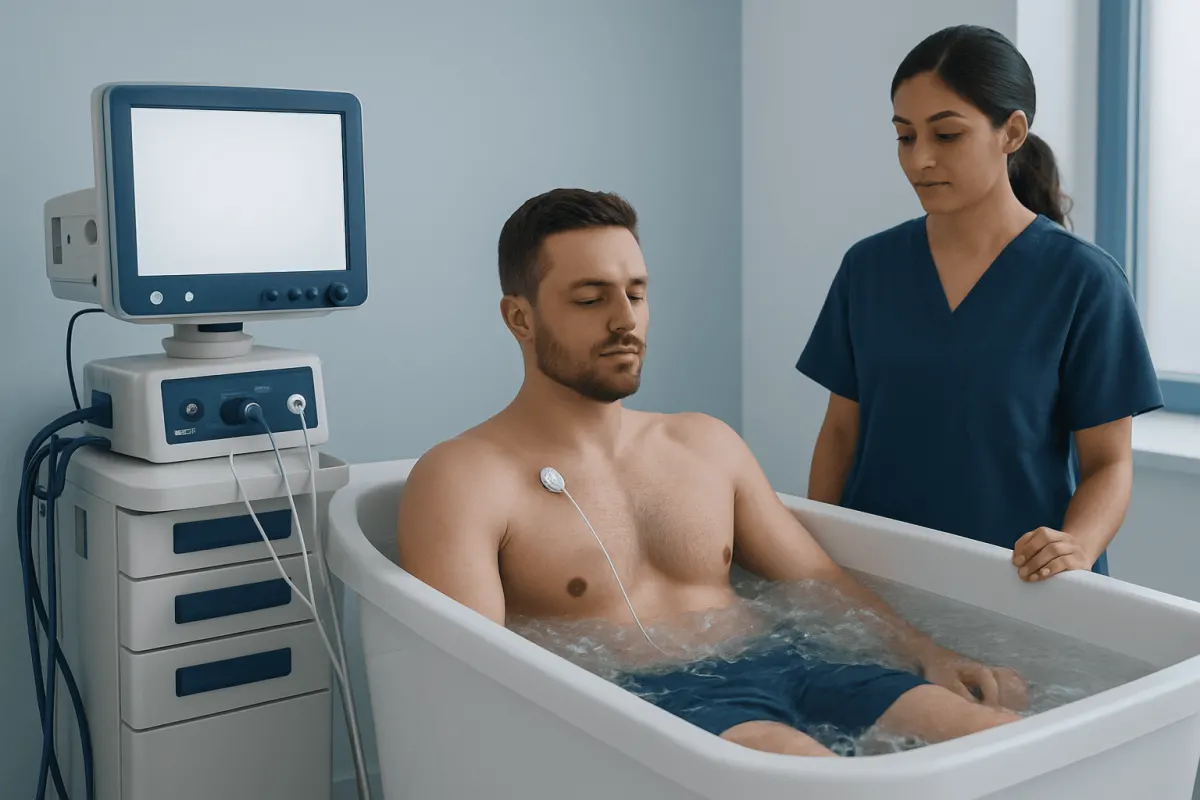
An ice bath is brief immersion in very cold water, often used after exercise for perceived recovery and alertness. It may reduce short-term muscle soreness for some people, but it is not necessary for health or fitness and should be approached carefully, especially by people with heart, circulation, breathing or nerve conditions.
Ice bath overview: what it is and why people use it
An ice bath, also called cold-water immersion or a cold plunge, involves sitting or standing in very cold water for a short time. Athletes commonly use it after intense training or competition, while others use it as a wellness practice for alertness, mood or a feeling of resilience. The most established potential use is short-term relief of exercise-related muscle soreness, although individual responses differ.
Cold water quickly activates the body’s stress response. Blood vessels in the skin narrow, breathing may become fast or difficult to control, and the heart works harder. These effects are usually temporary in healthy people who use brief, controlled exposure, but they can be unsafe when cold exposure is prolonged, unsupervised or undertaken by someone with certain medical conditions.
An ice bath is optional, not an essential part of recovery. Rest, adequate nutrition, hydration, progressive training and sleep remain the foundations of physical recovery. People considering cold exposure should view it as a personal recovery tool rather than a treatment for injury, chronic pain or disease.
Are ice baths medically proven?
Ice baths are medically studied, but the claims made about them often go beyond the evidence. Research suggests that cold-water immersion after strenuous exercise may modestly reduce delayed-onset muscle soreness and the feeling of fatigue over the next day or two. This may be useful when a person needs to perform again soon, such as during a tournament or a period of repeated training.
Evidence is less certain for claims that ice baths improve long-term health, dramatically boost immunity, detoxify the body, increase testosterone or cause meaningful weight loss. Feeling energized or refreshed after cold water is common, but it does not prove a lasting medical benefit. Studies differ in water temperature, immersion time, participant fitness and outcome measures, which makes broad conclusions difficult.
There is also a practical consideration for strength training. Frequent cold-water immersion immediately after resistance exercise may reduce some of the inflammatory and cellular signals involved in muscle adaptation. For people whose main goal is building strength or muscle, routinely taking an ice bath after every session may not be ideal. A sports medicine professional can help tailor recovery choices to training goals.
How the body responds during and after cold water immersion

On entering cold water, the body may experience a cold-shock response. Breathing can become rapid and shallow, the pulse and blood pressure may rise, and a person may feel an intense urge to gasp. This response is particularly important during sudden immersion of the face or chest and can be dangerous in deep water because loss of breathing control increases the risk of drowning.
As exposure continues, the skin, hands, feet and muscles cool. Shivering may begin as the body attempts to generate heat. Coordination, grip strength and judgment can decline before a person recognizes how cold they have become. After leaving the water, body temperature may continue to fall for a time, sometimes called afterdrop, especially after longer exposure.
Cold exposure can temporarily reduce pain sensation. This may feel helpful after exercise, but it can also mask an injury. Persistent pain, swelling, deformity, inability to bear weight or loss of function should not be managed with repeated ice baths alone. These symptoms need appropriate clinical assessment.
What happens after 30 days of cold plunge?
After 30 days of cold plunging, some people report that the initial shock feels more manageable and that they have developed a regular routine. They may notice a temporary sense of alertness, improved mood or less perceived soreness after demanding activity. These experiences can be meaningful to the individual, but they vary widely and do not occur in everyone.
Thirty days of cold exposure is not known to reliably transform metabolism, produce substantial fat loss or prevent medical illness. Any changes in weight, sleep, energy or wellbeing may also be influenced by exercise habits, diet, expectations and other lifestyle changes made at the same time. Cold plunging should not be used as a substitute for treatment of depression, anxiety, obesity, chronic fatigue or other health concerns.
Regular exposure can also create cumulative problems if the routine is overly intense or poorly managed. Repeated skin irritation, worsening of cold-sensitive symptoms, sleep disruption when done late in the day, or increasing anxiety around exposure are reasons to reassess the practice. A gradual, tolerable routine is safer than attempting to endure increasingly extreme cold.
What are the downsides of ice baths?
The main downside of an ice bath is the sudden cardiovascular and breathing stress caused by cold water. Cold exposure can trigger a rapid rise in heart rate and blood pressure and, in susceptible individuals, may contribute to abnormal heart rhythms, chest pain or fainting. It can also provoke breathing symptoms in people with cold-sensitive asthma or other respiratory conditions.
Other potential harms include hypothermia, dizziness, confusion, falls, frost injury from direct contact with ice, skin irritation and drowning if a person becomes incapacitated in water. Risk rises with colder water, longer immersion, alcohol or drug use, fatigue, being alone, and entering water suddenly. People should never treat numbness, severe shivering or confusion as signs of successful recovery.
Ice baths may be unsuitable without medical clearance for people with known heart or vascular disease, uncontrolled high blood pressure, a history of arrhythmia or fainting, peripheral artery disease, Raynaud’s phenomenon, significant nerve damage or reduced sensation, and some breathing disorders. A clinician may also advise against them during acute illness, fever, pregnancy in some circumstances, or while recovering from an injury or surgery.
- Do not use cold immersion to “push through” severe pain or a suspected injury.
- Do not plunge alone, particularly in a pool, tub or open water.
- Do not mix cold exposure with alcohol, recreational drugs or sedating medicines.
- Do not use a cold bath when feeling dizzy, unwell, extremely tired or dehydrated.
What not to do after an ice bath?
After an ice bath, a person should not remain in wet clothing, continue exercising intensely while numb, or drive if they feel lightheaded, confused or unable to warm comfortably. They should dry off, put on warm layers and allow the body to rewarm gradually in a comfortable environment. Gentle movement and a warm, non-alcoholic drink may be appropriate for many people.
Very hot showers, saunas or other abrupt high-heat exposure immediately afterward are best avoided, especially if the person is still shivering, dizzy or has a heart condition. Sudden large temperature changes can add strain to the cardiovascular system. Alcohol should also be avoided because it can impair judgment and increase heat loss.
A person should not ignore ongoing symptoms after cold exposure. Persistent shivering, increasing drowsiness, confusion, poor coordination, blue or pale skin, chest discomfort, severe shortness of breath or fainting require urgent medical attention. If numbness or skin color changes do not resolve normally with gentle rewarming, medical evaluation is advisable.
A safer approach to ice baths and recovery
For a healthy adult who has decided to try an ice bath, preparation and moderation are important. Starting with cool rather than ice-cold water, keeping exposure brief, entering gradually and having another adult nearby can reduce risk. The goal should be controlled exposure, not endurance. The person should be able to breathe normally, communicate clearly and leave the water easily at any point.
It is sensible to avoid putting the head under water and to keep the hands free for balance and exit. A shower or bath should have stable footing, and open-water cold plunges carry additional hazards from currents, depth and access. Anyone with a health condition or uncertainty about their risk should speak with a qualified clinician before beginning.
For exercise recovery, less extreme measures may also help. These include a gradual cool-down, fluids and meals suited to the workout, adequate sleep, active recovery and appropriate rehabilitation for injuries. People with ongoing joint or muscle symptoms may benefit from assessment and physical therapy rather than relying on cold exposure alone.
Acıbadem Health Point’s multidisciplinary specialists and JCI-accredited hospitals can assess exercise-related symptoms and advise international patients on appropriate recovery and rehabilitation options when needed.
When to seek medical care
Emergency care is needed after an ice bath for chest pain, severe breathing difficulty, fainting, palpitations with dizziness, confusion, inability to stop shivering, severe weakness, or persistent blue, gray or very pale skin. These symptoms can indicate a significant cold-related or cardiovascular problem and should not be managed at home.
A non-urgent medical appointment is appropriate for recurrent dizziness during cold exposure, cold-triggered wheezing, new circulation symptoms, frequent numbness, skin changes, or pain and swelling that persist after exercise. People with known heart, blood pressure, circulation or neurological conditions should ask their doctor whether cold immersion is appropriate before starting.
If an injury is suspected, medical assessment is especially important when there is deformity, inability to use the affected area, substantial swelling, worsening pain or numbness. Cold therapy may have a limited role in early symptom relief, but it does not replace diagnosis and treatment for a significant injury.
Frequently asked questions
01How long should an ice bath last?
There is no single medically required duration. Studies and athletic protocols vary, and colder water requires shorter exposure. A person who chooses to use cold immersion should begin conservatively, avoid extreme conditions and stop immediately if they develop pain, dizziness, uncontrolled breathing, numbness or intense shivering.
02Is an ice bath good after every workout?
Not necessarily. Ice baths may be most useful after unusually demanding exercise or repeated events when short-term soreness is a concern. Using them after every strength-training session may not suit people whose priority is maximizing muscle and strength adaptation.
03Can ice baths help with anxiety or depression?
Some people feel temporarily more alert or uplifted after cold exposure, but ice baths are not an established treatment for anxiety or depression. Persistent low mood, anxiety, sleep changes or thoughts of self-harm should be discussed with a qualified healthcare professional promptly.
04Can an ice bath cause a heart attack?
Cold water can sharply increase heart rate and blood pressure and may trigger dangerous rhythm problems in vulnerable people. While severe events are uncommon in healthy people using controlled exposure, anyone with heart disease, arrhythmia, chest pain or cardiovascular risk factors should obtain medical advice first.
05Should a person take an ice bath before or after exercise?
Most people who use cold-water immersion do so after exercise for possible short-term relief of soreness. Taking it before activity may temporarily reduce muscle temperature, flexibility or power and may not be suitable before performance. The best timing depends on the activity and the person’s goals.
06Are cold showers as effective as ice baths?
Cold showers may provide a milder form of cold exposure and are often easier to control than an ice bath. Whether they provide the same recovery effects is unclear because water temperature and body coverage differ. A cold shower may be a more cautious starting point for healthy people who want to explore cold exposure.
This article is for general information only and is not a substitute for professional medical advice. Please consult a qualified doctor about your individual situation.
Explore treatments in Turkey — costs, top hospitals & a free quote
JCI-accredited · board-certified surgeons · reply within 24h
Add us as a Preferred Source to see more of our trusted health content across Google Search, AI Overviews and Discover.


