ICD Cardiac Devices: Defibrillator Implant Overview
An ICD cardiac device is an implantable cardioverter-defibrillator: a small device placed under the skin that continuously monitors heart rhythm and can treat certain life-threatening abnormal rhythms. It is recommended for selected people at higher risk of sudden cardiac arrest, often alongside medicines and treatment for the underlying heart condition.
ICD Cardiac: Overview and Purpose
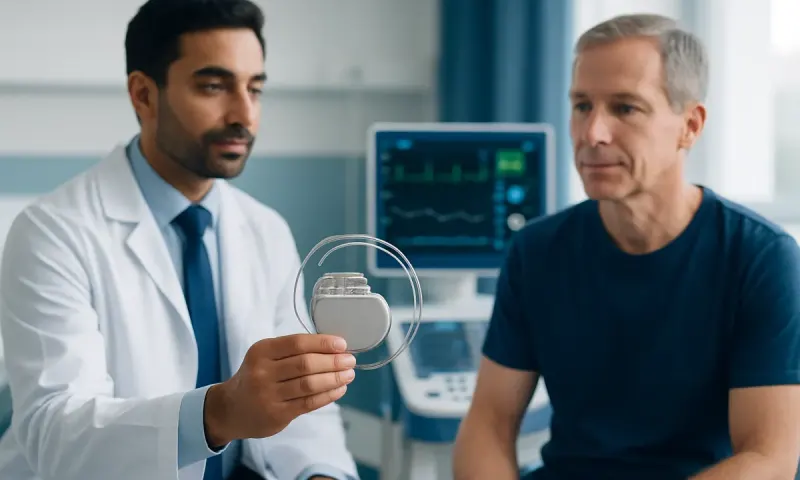
An ICD cardiac device is an implantable cardioverter-defibrillator. It is a small electronic device placed beneath the skin, usually in the upper chest, with one or more leads that connect to the heart. It continuously tracks the heart’s electrical activity and is designed to recognize certain dangerous fast rhythms that may lead to cardiac arrest.
If a life-threatening rhythm occurs, the ICD can provide treatment within seconds. Depending on the rhythm, it may deliver gentle pacing signals, faster pacing intended to interrupt the rhythm, or a stronger electrical shock. The device does not prevent every heart problem, but it can reduce the risk of death from specific ventricular arrhythmias in appropriately selected patients.
An ICD may be recommended for someone who has survived a cardiac arrest or has experienced sustained ventricular tachycardia or ventricular fibrillation. It may also be considered for people with significantly reduced heart pumping function or certain inherited heart conditions that increase arrhythmia risk. The decision is individualized and is made after careful cardiac assessment.
What Does ICD Mean in Cardiology?
In cardiology, ICD means implantable cardioverter-defibrillator. This is the usual meaning of the ICD cardiac abbreviation when discussing a heart device. The ICD cardiac acronym describes what the device does: it is implanted in the body, it can restore a dangerous rhythm to a safer rhythm, and it can defibrillate the heart when necessary.
The term can occasionally be confusing because “ICD” also refers to the International Classification of Diseases, a system used for diagnosis coding. In that setting, ICD cardiology codes are administrative codes used in medical records and billing. However, when a clinician says a person “has an ICD” or “needs an ICD,” they are generally referring to an implantable cardioverter-defibrillator.
ICDs differ from standard pacemakers, although some ICDs also provide pacemaker functions. A pacemaker mainly treats slow heart rhythms. An ICD is primarily intended to detect and treat potentially fatal fast rhythms arising from the lower heart chambers.
Who May Need an ICD Cardiac Device?

Doctors recommend ICD treatment when the expected benefit of preventing sudden cardiac death outweighs the risks of implantation and long-term device care. A person may be considered for an ICD after a prior episode of cardiac arrest, ventricular fibrillation, or sustained ventricular tachycardia that was not caused by a temporary reversible problem.
ICDs are also used for prevention in some people who have not had a cardiac arrest but have a substantial risk of one. This can include selected patients with heart failure and reduced ejection fraction, previous heart muscle damage, certain cardiomyopathies, or inherited electrical conditions. Related conditions can include heart failure and disorders that affect the heart muscle or electrical system.
Assessment may include an electrocardiogram, echocardiogram, blood tests, ambulatory rhythm monitoring, cardiac imaging, and review of symptoms and family history. A cardiologist, often working with a cardiac electrophysiologist, considers overall health, expected survival, current medicines, and the person’s values and preferences before recommending implantation.
- Previous ventricular fibrillation or cardiac arrest
- Sustained ventricular tachycardia
- Markedly reduced heart pumping function despite appropriate treatment
- Selected inherited rhythm or heart muscle disorders
- A strong family history of sudden cardiac death in specific clinical settings
Is ICD a Major Surgery?
ICD implantation is generally considered a minimally invasive cardiac procedure rather than open-heart surgery. It is commonly performed in a cardiac catheterization or electrophysiology laboratory under local anesthetic with sedation, although the anesthetic approach can vary. The procedure usually involves a small incision below the collarbone and placement of the device under the skin.
For a transvenous ICD, the physician guides one or more leads through a vein into the heart using X-ray imaging. The leads are connected to the device generator, which is then placed in a pocket under the skin. A subcutaneous ICD is another option for some people; its lead is placed under the skin rather than inside a blood vessel and the heart.
Although it is not open-heart surgery, getting an ICD is still a significant medical intervention. Possible complications include bleeding, infection, bruising, lead displacement, collapsed lung, blood vessel injury, and, less commonly, heart injury. The clinical team explains the individual risks, expected benefits, and alternatives before consent.
How Long Does It Take to Recover From an ICD Defibrillator Procedure?
Many people go home the same day or after an overnight hospital stay, depending on their health and the reason for implantation. Initial soreness, bruising, and mild swelling near the incision are common. Pain is usually managed with medication recommended by the treating team, and the wound should be kept clean and dry as instructed.
Most people can gradually return to usual light activities within several days, but complete early recovery often takes several weeks. The care team commonly advises avoiding heavy lifting, vigorous upper-body exercise, and raising the arm on the implant side repeatedly above shoulder height for a period of time. These precautions help the incision heal and reduce the chance of lead movement while it settles into place.
Recovery timing varies according to the type of ICD, whether leads were placed, other heart conditions, and the demands of a person’s work or daily activities. Follow-up appointments are used to inspect the wound, check lead function, adjust settings when needed, and review any symptoms. People should follow their own cardiology team’s activity instructions rather than relying on a fixed timeline.
Living With an ICD: Monitoring, Daily Life and Treatment
An ICD requires lifelong follow-up. During clinic visits or remote monitoring, the care team checks battery level, lead performance, recorded heart rhythms, and any therapies the ICD has delivered. Batteries typically last for years, but the generator will eventually need replacement in a separate procedure when the battery reaches its replacement threshold.
Most household electronics are safe when used normally. People are usually advised to keep mobile phones and wireless headphones a short distance from the ICD and avoid placing them directly over the device. Strong magnetic fields and certain industrial equipment may interfere with an ICD. Before an MRI, surgery, dental procedure, or other medical test, the person should tell the healthcare professional that they have an ICD.
Some people receive appropriate shocks that stop a dangerous rhythm; others may experience inappropriate shocks due to other rhythms or device sensing issues. Any shock can be distressing and should be discussed with the cardiology team. Treatment for the underlying heart condition may include medication, lifestyle measures, catheter procedures, or cardiac ablation when clinically appropriate.
Emotional adjustment is also important. Worry about shocks or returning to activity is understandable, and support from clinicians, family, cardiac rehabilitation services, or mental health professionals can be helpful. ICD recipients should carry their device identification card and ask their team about driving, work, travel, exercise, and sexual activity based on their circumstances.
Is Getting an ICD Serious?
Yes. Receiving an ICD is serious in the sense that it means a clinician has identified a meaningful risk of dangerous heart rhythm problems or has treated a serious rhythm event. At the same time, an ICD is a well-established preventive treatment that can provide important protection for people who meet medical criteria. It should not be viewed as a sign that cardiac arrest is certain to occur.
The decision involves balancing potential benefits with possible harms, including procedural complications, future generator replacement, device-related infection, and the emotional impact of living with a device. Shared decision-making is important: the person should understand why an ICD is being considered, what it can and cannot do, and how it fits within their wider care plan.
An ICD does not replace treatment for coronary artery disease, heart failure, high blood pressure, or other contributing conditions. Taking prescribed medicines, attending follow-up visits, avoiding tobacco, and following recommended physical activity and dietary advice remain important parts of cardiac health.
When to Seek Medical Care
Anyone who has fainting, unexplained near-fainting, a racing heartbeat with chest discomfort, new shortness of breath, or a known heart condition with worsening symptoms should seek prompt medical assessment. Sudden collapse, severe chest pain, severe breathing difficulty, or loss of consciousness requires emergency medical help.
After ICD implantation, urgent medical review is needed for fever, increasing redness, warmth, swelling, drainage, worsening pain at the incision, or swelling of the arm on the device side. These symptoms may indicate infection or another complication. The treating team should also be contacted if there is a suspected device alert, persistent palpitations, or dizziness.
If an ICD delivers a shock and the person feels unwell afterward, has chest pain, faints, has ongoing symptoms, or receives more than one shock in a short period, emergency care is needed. Even if a person feels well after a single shock, they should contact their ICD clinic or cardiologist promptly for advice and device review. Acıbadem Health Point’s multidisciplinary cardiac specialists and JCI-accredited hospitals support diagnosis and treatment planning for international patients with heart rhythm concerns.
Frequently asked questions
01What is an ICD cardiac device?
An ICD cardiac device is an implantable cardioverter-defibrillator. It monitors the heart rhythm and can provide pacing or an electrical shock if it detects certain life-threatening fast rhythms. It is placed under the skin, usually in the chest area.
02What does ICD mean in cardiology?
In cardiology, ICD means implantable cardioverter-defibrillator. The ICD cardiac medical abbreviation refers to a device used to detect and treat dangerous ventricular arrhythmias. It is different from ICD diagnosis codes, which are used for medical classification and documentation.
03Is an ICD the same as a pacemaker?
No, although some ICDs also include pacemaker capabilities. A standard pacemaker is mainly used to treat an excessively slow heartbeat. An ICD is designed primarily to treat life-threatening fast rhythms, such as ventricular tachycardia and ventricular fibrillation.
04Is ICD a major surgery?
ICD implantation is usually a minimally invasive procedure and is not open-heart surgery. However, it is still an important cardiac procedure with potential risks such as bleeding, infection, and lead-related complications. The care team assesses each person’s risk before recommending it.
05How long does it take to recover from an ICD defibrillator procedure?
Many people return to light daily activities within days, while early healing and activity restrictions commonly continue for several weeks. The exact recovery period depends on the device type, whether leads were implanted, and the person’s overall health. A cardiology team should provide individualized advice about lifting, driving, exercise, and work.
06What happens if an ICD gives a shock?
A shock may feel sudden and painful, but it can be a necessary treatment for a dangerous heart rhythm. A person who feels unwell, receives repeated shocks, faints, or has chest pain after a shock should seek emergency care. After a single shock without ongoing symptoms, the ICD clinic or cardiologist should still be contacted promptly.
07Is getting an ICD serious?
Getting an ICD means there is a clinically important concern about the risk of dangerous heart rhythms, so it is a serious decision. However, the device is an established treatment intended to reduce the risk of sudden cardiac death in suitable patients. Ongoing follow-up and treatment of the underlying heart condition remain essential.
This article is for general information only and is not a substitute for professional medical advice. Please consult a qualified doctor about your individual situation.
Heart care in Turkey — expert evaluation and treatment
JCI-accredited · board-certified surgeons · reply within 24h
Add us as a Preferred Source to see more of our trusted health content across Google Search, AI Overviews and Discover.