

Hysterosalpingogram: Procedure, Uses and Risks

Key Takeaways
- An HSG uses contrast dye and X-rays to assess the uterine cavity and fallopian tube patency.
- The test is usually scheduled after a menstrual period and before ovulation.
- Mild cramping or spotting can happen afterward, but serious complications are uncommon.
- HSG results may help guide fertility treatment decisions, including whether further testing is needed.
- A normal HSG is reassuring, but it does not rule out every fertility issue.
A hysterosalpingogram, often called an HSG, is an X-ray test that helps doctors look at the shape of the uterus and whether the fallopian tubes are open. It is commonly used during fertility evaluation and can give important clues about why pregnancy is taking longer than expected.
Overview
A hysterosalpingogram, or HSG, is a specialized X-ray study used to see the inside of the uterus and the shape of the fallopian tubes. In fertility care, it is often one of the first tests recommended because it can show whether sperm and egg have a clear path to meet. For many people, it is less about the image itself and more about what the result can tell the care team about the next step.
The test is most often arranged when a couple or individual is being evaluated for infertility, especially if pregnancy has not happened after a period of trying. It may also be used after certain uterine surgeries, recurrent miscarriage, or when a clinician wants to better understand an abnormal pelvic scan. Because it combines imaging with a small amount of contrast dye, it provides information that a standard ultrasound may not fully show.
For Myomectomy Recovery for International Patients: The Usual Travel Timeline" class="ahp-ilk">international patients planning care abroad, an HSG can be a practical starting point. It is typically a same-day outpatient procedure, and the findings can help a fertility specialist decide whether additional testing, treatment, or IVF planning is the most sensible path forward.
What the test can show
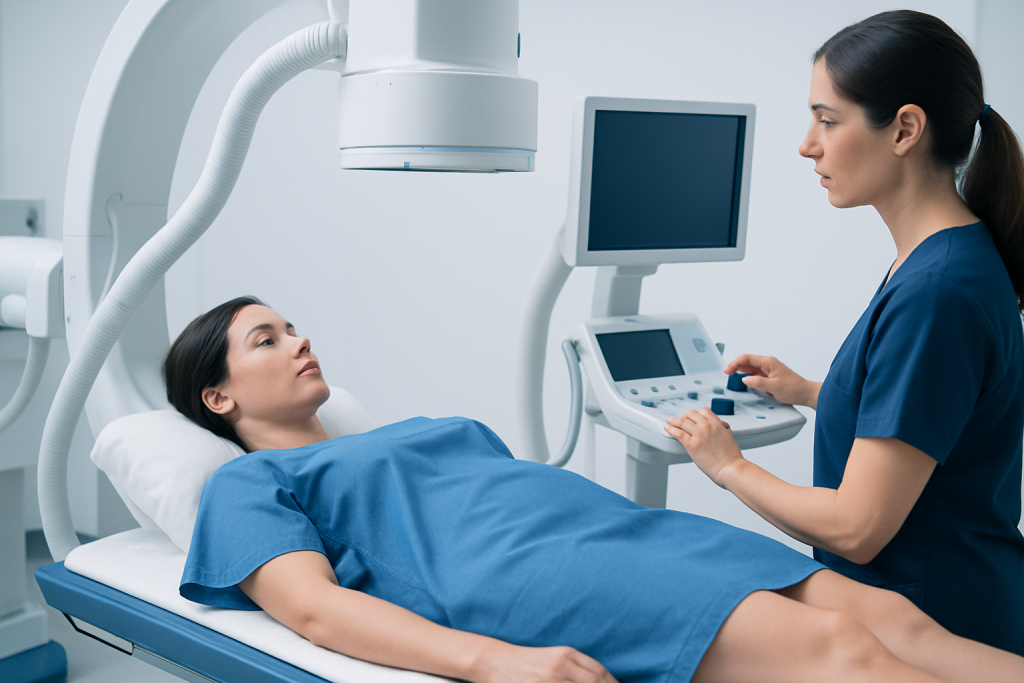
An HSG is designed to answer two main questions: Is the uterine cavity shaped as expected, and are the fallopian tubes open? The contrast dye fills the uterus and flows into the tubes if they are patent, allowing the clinician to trace the pathway on X-ray images. If the dye stops, pools, or passes in an unusual pattern, that may suggest a blockage, narrowing, or an anatomic difference.
The test can sometimes reveal findings such as fibroids pushing into the uterine cavity, polyps, scar tissue, a septum, or signs that one or both tubes are closed. It can also provide indirect clues about adhesions or previous inflammation. Even so, the HSG is only one part of the fertility picture and does not measure egg quality, ovulation, sperm factors, or all causes of implantation difficulty.
Because the information is structural rather than hormonal, it is especially helpful when the care team is trying to distinguish between an issue with anatomy and an issue with ovulation or other fertility factors. That distinction can prevent unnecessary treatment and help guide more targeted next steps.
Who may be asked to have one

Clinicians often recommend an HSG for people who have not conceived after trying for a period of time, particularly when there is a reason to suspect a tubal or uterine factor. It may also be suggested after repeated early pregnancy loss, prior pelvic infection, endometriosis, or surgery involving the uterus or tubes. In some fertility pathways, it is performed before certain treatments to make sure the uterine cavity and tubes have been checked.
The test is not for everyone. A doctor may choose another evaluation if pregnancy is already suspected, if there is active pelvic infection, or if the timing in the menstrual cycle is not appropriate. Women with known allergy concerns, prior reactions to contrast material, or specific medical conditions should mention these early so the team can plan safely.
For patients traveling from another country, it helps to bring prior records, past imaging reports, surgical notes, and a clear menstrual history. Those details can make the consultation more efficient and may reduce the need to repeat tests that have already been done.
How the procedure is performed
An HSG is usually done in a radiology or fertility imaging suite and takes only a short time. The patient lies on an examination table, similar to a pelvic exam position, and the clinician places a speculum to access the cervix. A thin catheter is then used to gently introduce contrast dye into the uterus while X-ray images are taken.
As the dye fills the uterus and flows toward the tubes, the radiology team watches the images in real time. Some people feel pressure or cramping during this part, similar to menstrual cramping. The sensation usually settles quickly once the catheter is removed, and most patients are able to return home shortly after the procedure.
The experience can be more comfortable when the patient knows what will happen step by step. Many clinics explain the process in advance, answer medication questions, and give timing instructions based on the menstrual cycle, since the exam is commonly scheduled after bleeding ends and before ovulation.
Possible results and what they mean
An HSG report may show a normal uterine shape with both tubes open, which is reassuring but not a complete explanation for fertility concerns. In that case, the care team may look more closely at ovulation, sperm testing, uterine lining, age-related factors, or other causes. A normal HSG can still be an important piece of the puzzle because it rules out several structural problems.
If the uterus looks irregular, the report may suggest a polyp, fibroid, scar tissue, congenital shape difference, or another issue that needs further assessment. If the tubes appear blocked, the clinician may consider whether the blockage is real or whether spasm, mucus, or technical factors affected the image. Sometimes a repeat study or a different test is needed before a conclusion is made.
When results are uncertain, the next step may include ultrasound, hysteroscopy, laparoscopy, or a tailored fertility consultation. The purpose is not to label a person quickly, but to build a clearer map of what might be affecting conception and what treatment options are worth considering.
Preparation, recovery, and self-care
Preparation usually begins with scheduling the test at the right point in the menstrual cycle. The clinic may ask the patient to avoid intercourse or use contraception beforehand, mainly to make sure the exam is not performed in early pregnancy. Some teams also advise taking pain relief before the appointment, but this should always be based on the clinician’s instructions rather than self-directed medication choices.
After the procedure, mild cramping, light spotting, or a watery discharge from the contrast dye can happen for a short time. Rest, hydration, and a calm schedule for the remainder of the day are often enough. Most people can resume normal activities quickly, although the care team may give specific guidance depending on the findings or whether any additional procedure was done at the same visit.
- Follow the timing instructions carefully.
- Share any allergy history, infection symptoms, or chance of pregnancy before the test.
- Bring previous fertility records if treatment is being arranged across borders.
- Ask when results will be available and who will explain them.
For patients combining diagnostics with travel, planning a little extra time around the test can be helpful. That allows room for consultation, result discussion, and any additional imaging if needed, without rushing decisions about care.
When to see a doctor
Medical advice should be sought promptly if there is severe or worsening pelvic pain after the test, fever, heavy bleeding, foul-smelling discharge, or symptoms that feel out of proportion to the expected recovery. These are not typical reactions and deserve a review. A doctor should also be contacted if there is any possibility of pregnancy before the test is scheduled.
More broadly, anyone considering an HSG should discuss it with a gynecologist or fertility specialist if there is a history of pelvic infection, ectopic pregnancy, tubal surgery, endometriosis, or repeated miscarriage. These details can influence whether an HSG is the best choice and how the results are interpreted.
For international patients, a coordinated fertility consultation can help connect the imaging result to the broader plan. At Acibadem Health Point, multidisciplinary specialists and JCI-accredited hospitals diagnose and treat fertility-related conditions for international patients, which can be especially useful when several evaluations need to fit into a short travel window.
Why HSG matters in a fertility workup
Fertility evaluation often works best when it is orderly rather than overwhelming. An HSG can prevent guesswork by showing whether the uterus and tubes are structurally ready for pregnancy or whether another procedure might help. In many cases, that clarity shortens the path to a more focused treatment plan.
The test also helps clinicians avoid assuming that every fertility problem has the same cause. Some people need ovulation support, some benefit from surgery or hysteroscopic treatment, and others may move directly into assisted reproduction. HSG does not decide the future on its own, but it can make the route ahead easier to understand.
For patients seeking care in another country, that sense of direction matters. A well-timed HSG, interpreted alongside the rest of the fertility evaluation, can help a specialist recommend the most practical next step with less delay.
Frequently asked questions
01Is a hysterosalpingogram painful?
Most people feel brief cramping or pressure during the dye injection, and the sensation usually passes quickly. The experience varies from person to person, but it is generally short-lived and manageable. A clinician can explain comfort options before the appointment.
02When in the menstrual cycle is an HSG done?
It is usually scheduled after the menstrual period ends and before ovulation. This timing helps reduce the chance of testing during an early pregnancy and gives a clearer view of the uterus. The clinic will usually provide a specific window based on the person’s cycle.
03Can an HSG help someone get pregnant?
The test is mainly diagnostic, but in some cases the passage of dye may temporarily clear minor debris or mucus from the tubes. That does not guarantee pregnancy, and the main purpose is still to gather information. Any treatment plan should be guided by the fertility specialist’s interpretation of the results.
04Does a normal HSG mean fertility is fine?
Not necessarily. A normal result shows that the uterine cavity looks appropriate and the tubes appear open, but it does not assess ovulation, egg reserve, sperm factors, or all implantation issues. It is one important part of a broader evaluation.
05What if one tube is blocked?
A blocked tube does not always mean surgery is needed, because the finding may sometimes be due to spasm or a technical issue. The doctor may recommend another test or look at the full fertility picture before deciding on treatment. The best next step depends on the rest of the history and results.
06Can the test be done if there is a chance of pregnancy?
If pregnancy is possible, the clinic should know before the procedure is scheduled. HSG is usually avoided during pregnancy, so timing and pregnancy exclusion are important for safety. If there is any uncertainty, the clinician will advise on the safest approach.
This article is for general information only and is not a substitute for professional medical advice. Please consult a qualified doctor about your individual situation.
IVF & fertility treatment in Turkey — success rates and costs
JCI-accredited · board-certified surgeons · reply within 24h
Add us as a Preferred Source to see more of our trusted health content across Google Search, AI Overviews and Discover.


