Hypothyroidism With Thyroid Nodule: Causes and Treatment

Key Takeaways
- Hypothyroidism and thyroid nodules often occur together, but one does not automatically mean the other is dangerous.
- A thyroid nodule is usually assessed with blood tests and ultrasound; some people also need a biopsy.
- Treatment depends on the cause of hypothyroidism and whether the nodule changes, causes symptoms, or looks suspicious.
- Most nodules do not require surgery, but they do need monitoring over time.
- Consistent follow-up is especially important for people managing thyroid care from another country.
Hypothyroidism with a thyroid nodule means two common thyroid concerns may be present at the same time: an underactive thyroid and a lump in the gland. Many nodules are benign, but the combination deserves careful evaluation so a clinician can check thyroid function, review the nodule’s features, and plan the right follow-up.
Overview
When a person is told they have hypothyroidism with a nodule, it usually means two thyroid findings are being managed at once: an underactive thyroid and a lump or growth within the thyroid gland. The thyroid sits at the base of the neck and helps regulate energy use, temperature, heart rate, and many body functions. If it is working too slowly, the body can feel the effects in subtle ways that build over time.
A thyroid nodule is a distinct area of tissue within the gland. Some nodules are tiny and found only on imaging, while others can be felt as a neck lump or noticed because of swallowing discomfort or voice changes. Most thyroid nodules are benign, and many people have no symptoms at all. Still, because the thyroid plays such an important hormonal role, the combination of a nodule and hypothyroidism deserves structured evaluation rather than guesswork.
For international patients, this often begins with a practical question: does the nodule simply need observation, or is it linked to a thyroid condition that needs treatment? The answer depends on thyroid blood tests, ultrasound findings, symptoms, and sometimes a needle biopsy. A careful plan can usually be made without rushing into treatment, while still avoiding delays in the conditions that do need attention.
Symptoms

Hypothyroidism can affect the whole body, so its symptoms are often broad rather than dramatic. People may notice tiredness, feeling cold easily, dry skin, constipation, slower thinking, weight gain, low mood, or a slower heart rate. Some patients also describe muscle aches, hoarseness, heavier menstrual bleeding, or swelling in the face or hands.
A thyroid nodule may cause no symptoms at all. When it does, the signs are usually local and related to its size or position: a lump in the neck, a sense of pressure, discomfort when swallowing, or a feeling that collars fit differently. Large nodules can rarely affect breathing or voice quality, especially if they press on nearby structures.
It is important to note that the symptoms of hypothyroidism do not prove that a nodule is the cause, and a nodule does not automatically explain fatigue or weight changes. These symptoms can overlap with many other health issues, which is why doctors usually look at the full picture rather than relying on one sign alone.
Causes & Risk Factors

The most common cause of hypothyroidism is Hashimoto’s thyroiditis, an autoimmune condition in which the immune system gradually affects the thyroid. In some people, chronic inflammation within the gland can also be associated with a lumpy or irregular thyroid texture on examination or imaging. This does not mean every nodule is inflammatory, but it is one reason the two findings are sometimes seen together.
Thyroid nodules themselves have several possible causes. They may be benign cysts, areas of overgrowth of normal thyroid tissue, colloid nodules, or, less commonly, thyroid cancer. Risk is influenced by factors such as prior head or neck radiation, a family history of thyroid disease or thyroid cancer, age, female sex, iodine imbalance, and certain inherited or autoimmune conditions.
Some nodules are discovered incidentally during scans performed for other reasons, such as a neck ultrasound or CT imaging. Others are found because a clinician feels a lump during a physical exam. In either situation, the key question is not whether a nodule exists, but what its characteristics suggest and whether thyroid function is stable.
Diagnosis
Diagnosis usually starts with blood tests and a physical exam. Thyroid-stimulating hormone, often called TSH, is the main screening test for thyroid function, and it is commonly paired with free T4. If hypothyroidism is present, the blood work helps show how underactive the gland is and whether treatment is needed.
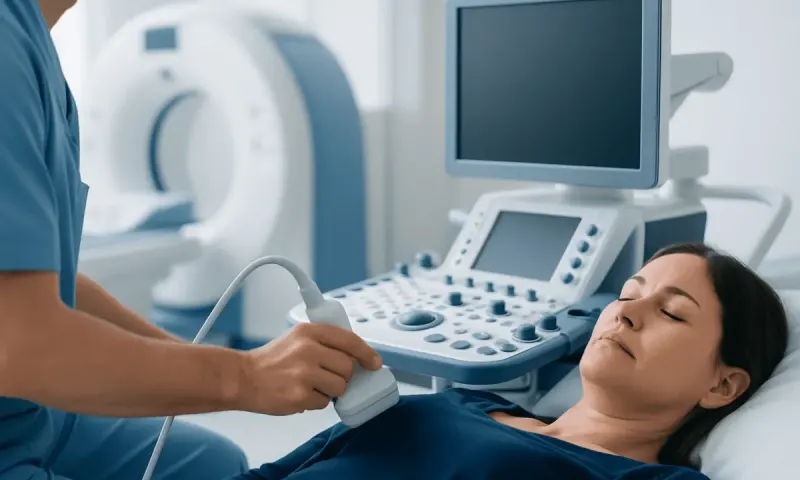
If a nodule is found or suspected, ultrasound is typically the next step. Ultrasound gives a detailed look at the nodule’s size, shape, borders, internal structure, and whether there are nearby lymph nodes that need attention. These features help clinicians decide whether the nodule can be watched or whether it should be sampled with a fine-needle aspiration biopsy.
A biopsy is usually done in a clinic setting with a thin needle to collect cells for analysis. It does not remove the whole nodule, but it can provide important information about whether the growth is benign, suspicious, or clearly concerning. In some cases, additional tests may be used to understand the broader thyroid picture, especially if the nodule is part of autoimmune thyroid disease or if the thyroid has an unusual pattern on imaging.
For people traveling from abroad, diagnostic planning often benefits from coordination. Bringing previous blood results, ultrasound reports, and any prior biopsy findings can save time and help the treating team compare the nodule over time rather than starting from zero.
Treatment Options
Treatment depends on two separate but connected issues: the hypothyroidism and the nodule. If the thyroid is underactive, replacement hormone is often used to restore more normal thyroid function. This treatment is individualized by a doctor and monitored with repeat blood tests, since thyroid needs can change over time.
Most benign nodules do not need immediate treatment beyond observation. A clinician may recommend periodic ultrasound checks to make sure the nodule remains stable in size and appearance. If the nodule is causing pressure, discomfort, cosmetic concerns, or uncertain biopsy results, treatment may shift toward a more active approach.
When a nodule is suspicious or confirmed to be cancerous, surgery may be recommended. The extent of surgery depends on the diagnosis, nodule size, location, and whether any lymph nodes are involved. After surgery, some patients need ongoing thyroid hormone replacement and structured follow-up to keep thyroid levels steady.
Other treatments may be considered in selected situations, such as draining a cystic nodule or using minimally invasive procedures in specific cases. The best option is chosen based on the full medical picture, not on the presence of a nodule alone.
Prevention & Self-care
Not every thyroid nodule can be prevented, and many thyroid conditions develop for reasons outside a person’s control. Even so, people with hypothyroidism can support their thyroid care by taking prescribed medication consistently, keeping regular lab follow-up, and reporting new symptoms rather than waiting for the next routine visit.
Self-care also means noticing changes that matter: a neck lump that grows, increasing swallowing difficulty, persistent hoarseness, pressure when lying down, or symptoms suggesting thyroid hormone levels are off. Writing down symptoms, medication timing, and recent test results can make follow-up appointments more productive, especially if care is being coordinated across countries or time zones.
- Take thyroid medication exactly as advised by the treating clinician.
- Arrange repeat blood tests and ultrasound scans as scheduled.
- Keep a personal record of reports, imaging images, and pathology results.
- Tell the care team about pregnancy plans, heart disease, or new neck symptoms.
- Seek medical guidance before starting supplements that may affect thyroid tests or absorption.
A steady routine is often the most helpful strategy. For many patients, the goal is not constant intervention but reliable monitoring that catches change early and keeps treatment aligned with the thyroid’s current needs.
When to See a Doctor
Medical review is appropriate when a neck lump is new, enlarging, or associated with swallowing difficulty, hoarseness, or breathing discomfort. It is also important to seek evaluation if hypothyroidism symptoms are getting worse, if thyroid medication is not helping as expected, or if blood tests have not been checked recently.
People should not assume a nodule is harmless simply because they feel well. Many important thyroid findings are discovered before they cause major symptoms, which is why ultrasound and thyroid function testing are so useful. A doctor can determine whether the nodule should be watched, biopsied, or treated more actively.
Urgent care is uncommon, but rapid assessment is sensible if neck swelling progresses quickly, breathing becomes difficult, or voice changes appear suddenly. For international patients, timely review can be especially useful when travel plans, follow-up imaging, or pathology review need to be coordinated in one place. Acibadem Health Point’s multidisciplinary specialists and JCI-accredited hospitals diagnose and treat thyroid conditions for international patients within a coordinated care pathway.
Living With Follow-Up Care
After the first evaluation, many people enter a period of observation. That can feel uneventful, but it is often the safest and most thoughtful approach. Stable nodules are commonly followed with repeat ultrasound, and thyroid hormone levels are checked periodically to confirm that treatment remains appropriate.
Patients who live abroad or split time between countries may want to keep copies of reports in a single folder and note the date of each test. If care changes hands between clinicians, those records help prevent duplicate testing and make it easier to compare trends in nodule size, thyroid levels, or biopsy results.
With the right follow-up, hypothyroidism with a nodule is usually manageable. The aim is not just to label the condition, but to understand what the thyroid is doing now, what the nodule means, and what level of surveillance is reasonable going forward.
Frequently asked questions
01Does hypothyroidism cause thyroid nodules?
Not necessarily. Hypothyroidism and thyroid nodules can occur together, especially in autoimmune thyroid disease, but one does not automatically cause the other. A clinician usually evaluates both findings separately and in context.
02Are most thyroid nodules cancerous?
Most thyroid nodules are benign. Ultrasound features, growth pattern, and biopsy results help determine whether a nodule needs closer follow-up or treatment.
03Can a thyroid nodule affect thyroid hormone levels?
Sometimes, but not always. Some nodules do not change hormone production at all, while others may be part of a broader thyroid condition that affects hormone levels.
04What tests are usually done first?
Blood tests for TSH and free T4 are commonly done first to assess thyroid function. If a nodule is present, ultrasound is usually the next key test, and some patients will need a biopsy.
05When is surgery considered?
Surgery may be considered if a nodule is suspicious, cancerous, causing pressure symptoms, or producing ongoing uncertainty after biopsy. Many benign nodules do not need surgery and can be monitored instead.
06Can someone travel for thyroid nodule evaluation and treatment?
Yes, many people do. It helps to bring prior lab results, ultrasound reports, and biopsy records so the treating team can make an informed plan and continue follow-up smoothly after travel.
This article is for general information only and is not a substitute for professional medical advice. Please consult a qualified doctor about your individual situation.
Medical weight-loss options in Turkey — costs & eligibility
JCI-accredited · board-certified surgeons · reply within 24h
Add us as a Preferred Source to see more of our trusted health content across Google Search, AI Overviews and Discover.