Hypochondroplasia: Genetic Causes and Ongoing Care
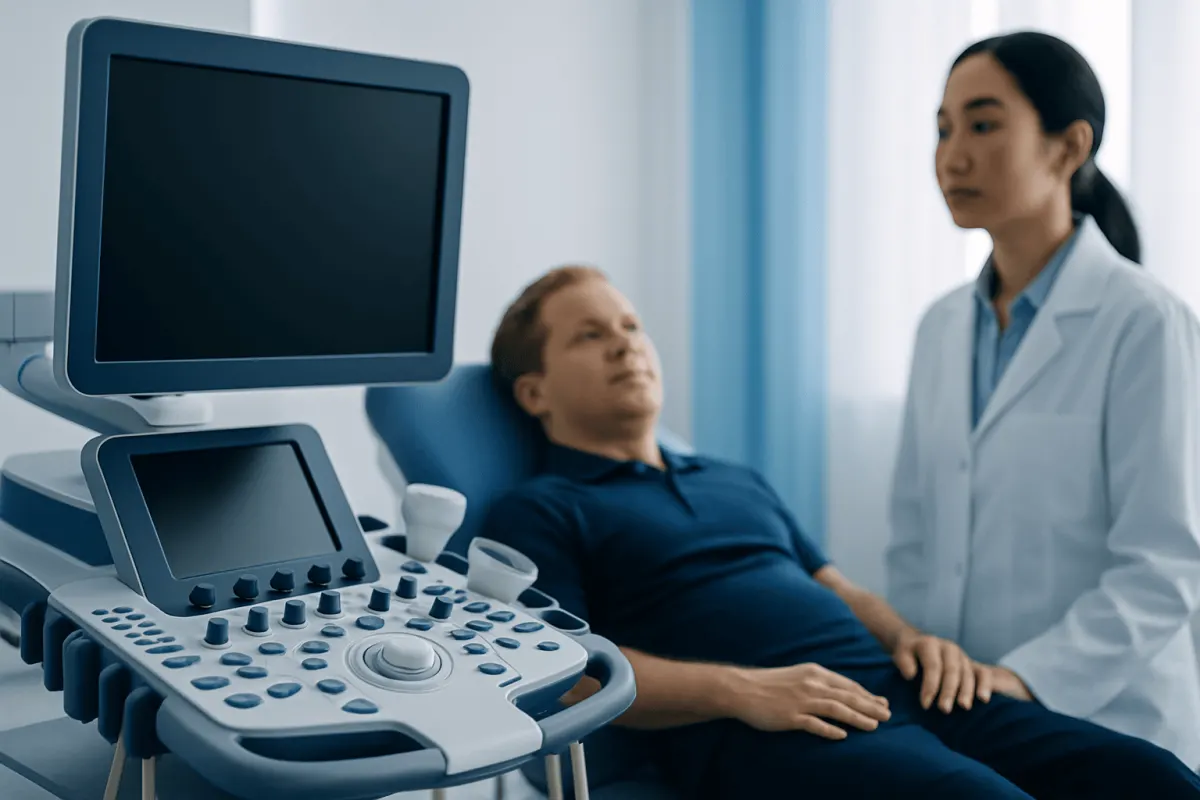
Hypochondroplasia is a genetic skeletal dysplasia that typically causes short stature, shorter arms and legs, and characteristic bone changes. Many people have mild symptoms and lead active, independent lives, while individualized follow-up helps identify and manage orthopedic, neurologic, developmental, or sleep-related concerns when they occur.
Overview: What Is Hypochondroplasia?
Hypochondroplasia is an inherited condition that affects how cartilage is converted into bone, particularly in the long bones of the arms and legs. It usually leads to disproportionate short stature, with the upper arms and thighs shorter than expected in relation to the trunk. The condition varies considerably from person to person: some people have subtle physical differences and are diagnosed only later in childhood or adulthood, while others have more noticeable skeletal features.
Hypochondroplasia belongs to a group of conditions called skeletal dysplasias. It is related to achondroplasia, another FGFR3-related skeletal dysplasia, but hypochondroplasia is often less pronounced. Intelligence is usually typical, and many affected people participate fully in school, work, family life, sports, and their communities. A diagnosis can nevertheless be useful because it guides growth assessment, anticipatory care, and evaluation of symptoms that may need attention.
The name can sound complex, but it describes a difference in bone development rather than a progressive loss of health. The bones do not stop functioning, and the condition is not contagious. Supportive care is tailored to the individual’s concerns, physical findings, age, and goals.
Physical Features and Possible Symptoms
Common features include short stature, shortened upper arms and thighs, relatively broad hands and feet, and mild limitation in elbow extension. The head may appear relatively large compared with the body, and the forehead can be prominent. Unlike in some other skeletal dysplasias, facial features may be subtle, which is one reason diagnosis can be delayed.
Growth patterns are different from those of average-height children, so standard growth charts may not accurately reflect expected development. Clinicians may use condition-specific growth information where available and consider the child’s family height pattern. Adults with hypochondroplasia may have mild to moderate disproportionate short stature, but height alone does not determine overall health or function.
Some people develop orthopedic or neurologic symptoms. These can include inward curvature of the legs, a curved lower back, joint discomfort, reduced stamina with certain activities, or back and leg pain related to narrowing of the spinal canal. A minority of children may have developmental, learning, behavioral, or seizure-related concerns, but these are not present in everyone and should be assessed individually rather than assumed from the diagnosis.
Sleep-disordered breathing, recurrent ear problems, or hearing concerns may also occur in some individuals. Regular conversations about sleep quality, snoring, daytime tiredness, pain, walking, and school development help clinicians decide whether further evaluation is appropriate.
Causes, Inheritance, and Family Planning

Most cases of hypochondroplasia result from a disease-causing variant in the FGFR3 gene. This gene provides instructions for a protein involved in regulating bone growth. Certain changes make the receptor overly active, slowing growth of the long bones and producing the characteristic skeletal pattern. The condition is not caused by anything a parent did or did not do during pregnancy.
Hypochondroplasia is usually inherited in an autosomal dominant pattern. This means that a person with the condition has a 1 in 2, or 50%, chance of passing the altered gene copy to each child. The actual features and their severity can differ within the same family. Some affected people have an affected parent, while others have a new genetic change that occurred for the first time in them.
Genetic counseling can help individuals and families understand inheritance, testing options, and the meaning of results before or during a pregnancy. Counseling is intended to support informed, personal decisions; it does not direct a family toward a particular choice. When a familial FGFR3 variant is known, targeted testing may be possible for relatives or in reproductive planning discussions.
How Hypochondroplasia Is Diagnosed
Diagnosis generally combines a detailed medical and family history, physical examination, growth measurements, and imaging of the skeleton. A pediatrician, clinical geneticist, or skeletal dysplasia specialist may recognize a pattern of short-limbed stature and characteristic body proportions. In mild cases, the differences may become clearer as a child grows and their height diverges from typical growth expectations.
X-rays can show findings that support the diagnosis, such as shortened long bones, changes in the shape of the pelvis, and reduced spacing between certain structures in the lower spine. These findings may be less striking than those seen with achondroplasia, so interpretation by clinicians experienced in skeletal dysplasia can be valuable. Imaging is not always needed repeatedly; it is used when it will answer a specific clinical question.
Molecular genetic testing can confirm a change in FGFR3 and may distinguish hypochondroplasia from other causes of disproportionate short stature. A confirmed genetic diagnosis can clarify follow-up needs and inheritance patterns. However, testing results should be interpreted alongside clinical findings, since not every genetic variant has the same significance.
Assessment may also include hearing checks, developmental screening, sleep evaluation, and neurologic or orthopedic review when symptoms suggest a concern. This approach helps avoid both under-investigation of meaningful symptoms and unnecessary testing in people who are well.
Treatment and Ongoing Care
There is no single treatment that is necessary for every person with hypochondroplasia. Care focuses on preserving comfort, mobility, participation, and long-term health. A coordinated team may include a primary care clinician, clinical geneticist, pediatrician, orthopedist, neurologist, physiotherapist, sleep specialist, ear and hearing specialist, and developmental professionals, depending on the person’s needs.
Physiotherapy and appropriately adapted physical activity can support strength, balance, joint movement, and confidence with everyday tasks. Occupational therapy may assist with school, work, self-care, and home adaptations. If leg alignment, spinal curvature, or joint symptoms become significant, an orthopedic specialist can discuss monitoring, braces in selected situations, or surgery when there is a clear functional indication.
Back pain, leg weakness, numbness, changes in walking, or bladder and bowel changes warrant prompt assessment because they can occasionally indicate spinal nerve compression. Treatment for spinal narrowing may range from activity modification and symptom-focused care to surgical decompression in carefully selected cases. Decisions are based on symptoms, examination findings, and imaging rather than an X-ray finding alone.
Medicines that target growth pathways have been developed or are being studied for some skeletal dysplasias, especially achondroplasia. Their role in hypochondroplasia is less established and depends on local approvals, clinical evidence, age, and the individual genetic diagnosis. Families should discuss any emerging treatment with a specialist who can explain potential benefits, limitations, monitoring requirements, and uncertainties.
Daily Life, Prevention, and Self-Care
Because hypochondroplasia is genetic, it cannot be prevented through diet, exercise, or lifestyle changes. However, practical self-care and preventive health support can reduce avoidable discomfort and improve day-to-day function. Regular age-appropriate medical care, dental care, vaccinations, vision checks, and attention to emotional wellbeing remain important, just as they are for everyone.
Movement is generally beneficial. Low-impact activities such as swimming, walking, cycling with suitable equipment, and strength exercises adapted to the individual can support cardiovascular health and muscle conditioning. Activities with a high risk of neck or back injury may require individual advice, particularly for someone with neurologic symptoms, spinal narrowing, or significant joint pain.
Families and schools can make small environmental changes that improve independence, such as stable foot support when sitting, step stools, reachable storage, adapted bathroom fixtures, and appropriately sized classroom furniture. These measures are practical accommodations, not signs of reduced capability. Support from teachers, therapists, and patient organizations can also help children develop confidence and advocate for their needs.
Emotional support matters at every age. People with short stature may encounter unwanted comments, inaccessible spaces, or assumptions about their abilities. Open communication, respectful language, and access to counseling when desired can help individuals and families navigate these experiences.
When to Seek Medical Care
A child with unexpectedly slow growth, disproportionate short stature, shortened limbs, or a family history of skeletal dysplasia should be assessed by a qualified clinician. Early evaluation does not mean that serious problems are expected; it helps establish an accurate diagnosis and an appropriate plan for monitoring growth and development.
Medical review should be arranged if there is persistent or worsening back pain, pain radiating into the legs, weakness, numbness, reduced walking tolerance, a change in balance, or new bladder or bowel difficulties. These symptoms can have many causes, but they deserve timely assessment in a person with a skeletal dysplasia. Urgent care is appropriate for sudden severe weakness, loss of bladder or bowel control, or other rapidly developing neurologic symptoms.
Parents and caregivers should also mention loud habitual snoring, pauses in breathing during sleep, excessive daytime sleepiness, recurrent ear infections, hearing concerns, seizures, or developmental regression. A clinician can determine whether referral for sleep testing, hearing assessment, developmental support, or neurologic evaluation is needed.
For international patients seeking coordinated evaluation, Acıbadem Health Point’s multidisciplinary specialists and JCI-accredited hospitals can assess hypochondroplasia and related concerns, with care plans based on each person’s clinical needs.
Frequently asked questions
01Is hypochondroplasia the same as achondroplasia?
No. Both conditions are commonly related to changes in the FGFR3 gene and can cause disproportionate short stature, but hypochondroplasia is generally milder. The physical and X-ray findings can overlap, so genetic testing and specialist assessment may help distinguish them.
02Can hypochondroplasia be diagnosed before birth?
It may sometimes be suspected during prenatal ultrasound if limb growth differs from expected patterns, especially when there is a known family history. However, mild skeletal differences may not be clear before birth. If a familial FGFR3 variant is known, genetic counseling can explain available testing options.
03Does hypochondroplasia affect intelligence?
Most people with hypochondroplasia have typical intelligence. Some children may have developmental, learning, behavioral, or neurologic concerns, but these are variable and not inevitable. Developmental screening allows support to be offered early if a child needs it.
04What is the life expectancy for someone with hypochondroplasia?
Hypochondroplasia is generally compatible with a typical lifespan. Individual health needs can vary, particularly when spinal, sleep, or neurologic complications occur. Regular medical follow-up and timely evaluation of new symptoms are important.
05Can adults be diagnosed with hypochondroplasia?
Yes. Mild cases may not be recognized until adolescence or adulthood, sometimes after a child or relative receives a diagnosis. An adult with disproportionate short stature, characteristic skeletal findings, or a relevant family history can discuss genetic evaluation with a clinician.
06Is there a cure for hypochondroplasia?
There is currently no treatment that reverses the underlying genetic change. Care can effectively address many specific concerns, including pain, mobility limitations, spinal problems, hearing issues, and developmental needs. Research into targeted therapies is continuing, but their role in hypochondroplasia should be discussed with a specialist.
This article is for general information only and is not a substitute for professional medical advice. Please consult a qualified doctor about your individual situation.
Joint and spine care in Turkey — expert assessment & treatment
JCI-accredited · board-certified surgeons · reply within 24h
Add us as a Preferred Source to see more of our trusted health content across Google Search, AI Overviews and Discover.