

Hypertrichosis: Symptoms, Causes and Treatment

Key Takeaways
- Hypertrichosis refers to excessive hair growth and is not the same as hirsutism, which usually follows a male-pattern distribution in women.
- The condition may be inherited, present at birth, or acquired later because of medicines, skin irritation, or other medical conditions.
- Diagnosis focuses on the hair-growth pattern, medical history, medication review, and sometimes blood tests or other studies.
- Treatment depends on the cause and may include adjusting an underlying trigger, cosmetic hair removal, or medical therapy in selected cases.
- A dermatologist or other qualified doctor can help distinguish harmless hair growth from signs that need further evaluation.
Hypertrichosis is a condition marked by unusually increased hair growth in areas of the body where hair may already be present. It can be present from birth or develop later in life, and understanding the pattern of growth helps guide the search for an underlying cause.
Overview
Hypertrichosis describes hair growth that is thicker, longer, or more widespread than expected for a person’s age, sex, and ethnic background. The extra hair can appear on the face, arms, back, or other areas, and it may involve fine “vellus” hair or darker, terminal hair. In some people, the condition is noticeable from infancy; in others, it develops later and leads to a careful search for a trigger.
Because hair growth naturally varies widely, the key question is not simply whether hair is present, but whether the pattern has changed. That distinction matters for people considering treatment abroad as well: a clear diagnosis can save time, prevent unnecessary procedures, and help international patients plan whether they need dermatology care alone or a broader medical evaluation.
Hypertrichosis is different from hirsutism. Hirsutism usually refers to excess terminal hair in a pattern linked to androgen sensitivity, often on the chin, upper lip, chest, or abdomen in women. Hypertrichosis can affect anyone and may occur in patterns that do not follow hormone-driven distribution.
Symptoms
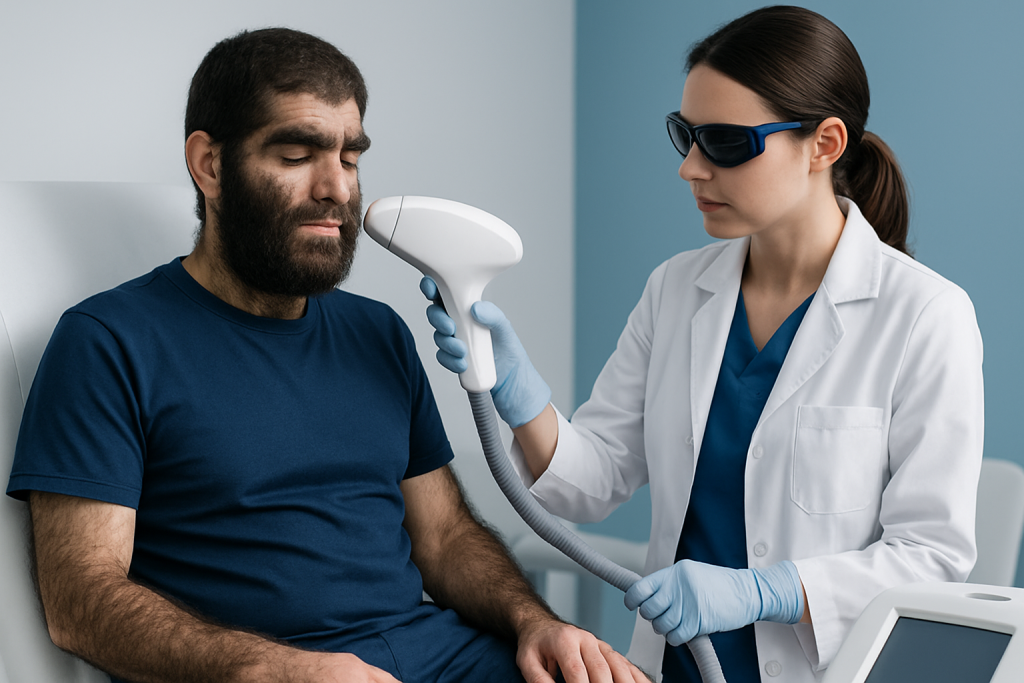
The main sign is visible excess hair growth. The hair may be fine and soft or coarse and dark, and it can appear in one small area or across larger parts of the body. Some people notice that the hair is simply “more than usual,” while others describe a sudden change that is easy to compare with their prior appearance.
Symptoms depend on the form of hypertrichosis. Congenital forms may be present at birth or become obvious during early childhood. Acquired hypertrichosis often develops later and may be localized to one area, such as a patch that becomes hairier after skin inflammation, repeated friction, or a medication exposure. In some cases, the hair growth is the only finding; in others, it appears alongside signs of an underlying condition.
People commonly ask whether the hair itself is a problem or only a cosmetic concern. The answer depends on context. When the change is sudden, spreading, or accompanied by symptoms such as weight change, menstrual changes, fatigue, skin changes, or new medication use, a medical review is usually worthwhile.
Causes & Risk Factors

Hypertrichosis has several possible causes. Some forms are congenital and related to genetic changes that affect hair follicles. These cases are uncommon and may be part of a broader inherited syndrome or appear without other major health issues. Other forms are acquired and arise later in life because the hair follicle is being stimulated in a way that is not part of the person’s usual baseline.
Common acquired triggers include certain medicines, chronic skin irritation, repeated rubbing or occlusion, and some metabolic or systemic illnesses. In a few cases, hair growth increases around areas of healing skin or after inflammation, which is why the location and timing of the change matter. Doctors also consider whether the pattern could reflect another endocrine or hormonal disorder, even when the term hypertrichosis is used loosely in everyday conversation.
Risk factors vary by type. A family history may matter for congenital cases. For acquired cases, the most useful clues are recent medication changes, new topical products, long-standing inflammation, and any broader health symptoms. A careful history is especially important for international patients, because prior records from different clinics or countries can help identify when the change started and what treatments have already been tried.
- Inherited or congenital hair-growth syndromes
- Medication exposure
- Chronic skin irritation or inflammation
- Systemic illness or hormonal imbalance
- History of gradual or sudden change in hair pattern
Diagnosis
Diagnosis begins with observation. A clinician looks at where the hair is growing, what type of hair is involved, and whether the pattern suggests hypertrichosis, hirsutism, or another condition. The timing of onset is particularly helpful: hair present since childhood often points in a different direction than hair that appears after a new medicine or illness.
A medical history and physical examination are usually the foundation of the workup. The clinician may ask about family history, menstrual changes, skin symptoms, weight changes, signs of hormone imbalance, and all current or recent medications and supplements. If the pattern suggests an underlying disorder, tests may include blood work, hormone evaluation, or other studies tailored to the person’s symptoms.
In selected cases, a skin biopsy or specialist review may be recommended, especially if the diagnosis is unclear or the hair changes are unusual. For patients traveling for care, bringing photographs that show earlier hair patterns, medication lists, and prior test results can make consultation more efficient and reduce the chance of repeating work already done elsewhere.
Treatment Options
Treatment depends on the cause. If hypertrichosis is triggered by a medication, the prescribing doctor may consider an alternative if one is medically appropriate. If the hair growth is linked to a skin condition or another illness, treating that underlying issue may reduce further progression. When a congenital or genetic cause is present, treatment is usually directed at management of the hair itself rather than elimination of the underlying tendency.
Cosmetic hair removal methods are common and may include shaving, trimming, waxing, depilatory creams, bleaching, threading, electrolysis, or laser-based approaches. The best option depends on the hair type, skin tone, body area, and the person’s tolerance for temporary versus longer-lasting results. A dermatologist can help weigh benefits and limitations, especially for sensitive areas or darker skin types where irritation or pigment changes need to be considered.
In some cases, medical therapy may be useful when there is a hormonal or endocrine contributor, but this is determined case by case. People should avoid self-treating with products that irritate the skin, because inflammation can sometimes make the appearance worse. For those coordinating care across borders, it is reasonable to plan treatment in phases: diagnostic review first, then a personalized hair-management plan once the cause is clearer.
Prevention & Self-care
Not all forms of hypertrichosis can be prevented, especially congenital cases. Still, there are practical steps that can reduce irritation and help people feel more comfortable while they and their doctor assess the cause. Gentle skin care is important, particularly if hair is growing in areas that are already sensitive from friction, sweating, or prior procedures.
Keeping a simple record can be surprisingly useful. Note when the change began, which areas are involved, whether it is spreading, and whether any medicines or topical products were started beforehand. This information can be valuable during an appointment, especially if consultation is happening after travel or through a second-opinion pathway.
For day-to-day comfort, choose hair-removal methods that suit the skin rather than the fastest or most aggressive option. If a method causes redness, bumps, or repeated ingrown hairs, a clinician may suggest a different approach. People should also avoid assuming that all excess hair is hormone-related; a more accurate label leads to better decisions and less frustration.
When to See a Doctor
A doctor’s evaluation is sensible when hair growth appears suddenly, spreads quickly, or looks different from a person’s usual pattern. It is also important to seek advice if the change comes with other symptoms such as menstrual irregularity, voice changes, fatigue, unexplained weight changes, skin darkening, or new lumps or pain.
Children with unusual hair growth should be assessed if the pattern is extensive, progressing, or associated with other developmental or health concerns. Adults should also review new hair growth after starting a medicine, because the timing may point to a reversible cause. Even when the concern is mainly cosmetic, a diagnosis can be reassuring and can prevent missed conditions.
If care is being arranged from another country, a dermatologist or physician experienced in hair disorders can help decide whether the case needs focused skin treatment or broader medical testing. Acibadem Health Point’s multidisciplinary specialists and JCI-accredited hospitals diagnose and treat hypertrichosis for international patients, with coordinated evaluation and follow-up that can support continuity of care after travel.
Living With Hypertrichosis
Living with hypertrichosis can affect confidence, clothing choices, and social comfort, even when the condition is medically harmless. A respectful treatment plan should address both the physical pattern and the person’s concerns about appearance and daily life. That may mean combining medical evaluation with practical grooming options and realistic expectations about what treatment can and cannot change.
Some people do best with a simple cosmetic strategy, while others want a longer-term plan after a cause is found. Follow-up is helpful when treatments are being adjusted or when the hair pattern changes over time. The goal is not to force every case into the same pathway, but to choose the least burdensome option that fits the person’s situation and skin needs.
For international patients, it can be especially helpful to leave the consultation with a written summary of the diagnosis, next steps, and warning signs that should prompt re-evaluation. That kind of clarity makes it easier to continue care at home and keeps decisions grounded in the original evaluation.
Frequently asked questions
01What is hypertrichosis in simple terms?
Hypertrichosis means having more hair growth than expected for a person’s age, sex, and background. The hair can be fine or coarse and may appear in one area or over larger parts of the body. It is a description of a pattern, so doctors still look for the reason behind it.
02Is hypertrichosis the same as hirsutism?
No. Hypertrichosis refers to excess hair growth in a broader sense, while hirsutism usually describes male-pattern hair growth in women, often linked to androgen effects. A doctor uses the pattern of hair growth and other symptoms to tell the difference.
03Can medicines cause hypertrichosis?
Yes, some medicines can trigger increased hair growth in certain people. If the timing matches a new prescription or supplement, the prescribing doctor may review whether an alternative is appropriate. People should not stop a medicine on their own without medical advice.
04Does hypertrichosis always mean there is a serious illness?
No. Some cases are isolated and mainly cosmetic, especially when they have been present since childhood. Other cases can signal an underlying issue, which is why a medical evaluation is useful when the change is new or spreading.
05What treatments are usually used?
Treatment depends on the cause and on the person’s goals. Options can include addressing an underlying trigger, choosing hair-removal methods, or using specialist therapies in selected cases. A dermatologist can help identify the safest approach for the skin and hair type involved.
06Should a child with unusual hair growth be seen by a doctor?
Yes, especially if the hair growth is extensive, increasing, or accompanied by other health concerns. A clinician can decide whether it is a normal variant, a congenital form of hypertrichosis, or a sign that further evaluation is needed. Early assessment often brings reassurance and a clearer plan.
This article is for general information only and is not a substitute for professional medical advice. Please consult a qualified doctor about your individual situation.
Hair transplant in Turkey — costs, graft counts & a free assessment
JCI-accredited · board-certified surgeons · reply within 24h
Add us as a Preferred Source to see more of our trusted health content across Google Search, AI Overviews and Discover.


