Hyperthyroidism: Symptoms, Causes, and Treatment Options

Have you been losing weight without trying, even though you’re eating as much as ever? Or maybe your heart races for no reason you can name. These can be signs of hyperthyroidism — an overactive thyroid, where the gland makes more thyroid hormone than your body needs.
The good news: with proper diagnosis and treatment tailored to you, most people manage their symptoms well and protect their long-term health.
Overview
Hyperthyroidism is a condition in which the thyroid gland is overactive and releases too much thyroid hormone into the bloodstream. The thyroid is a small, butterfly-shaped gland at the front of the neck. It produces hormones, mainly thyroxine, known as T4, and triiodothyronine, known as T3, that help regulate metabolism, body temperature, heart rate, digestion, muscle strength, and many other functions.
When thyroid hormone levels are too high, the body’s systems may work faster than usual. Some people notice clear symptoms, such as a racing heartbeat or unintended weight loss. Others have subtle changes that develop gradually and may be mistaken for stress, aging, menopause, or another health issue.
Hyperthyroidism is treatable. The right approach for you depends on what’s causing it, your age, your overall health, whether you’re pregnant, how severe your symptoms are, and what you prefer. Getting the diagnosis right matters — different thyroid conditions can look alike but need different treatments.
Symptoms of Hyperthyroidism
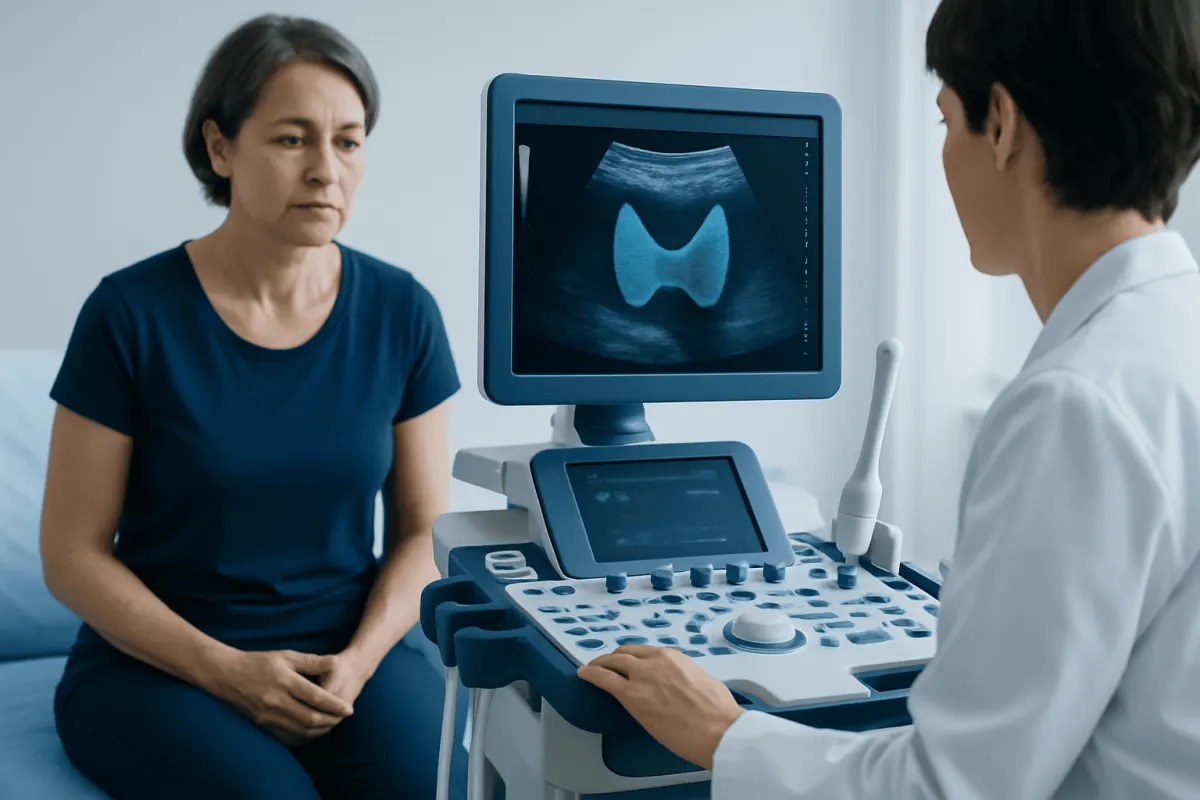
No two people experience this the same way. Some have several obvious symptoms; others have only mild changes picked up on routine blood tests. In older adults, the picture can be less typical — often just fatigue, weight loss, or changes in heart rhythm.
Common symptoms of hyperthyroidism may include:
- Fast, pounding, or irregular heartbeat
- Unexplained weight loss despite normal or increased appetite
- Nervousness, anxiety, irritability, or trouble sleeping
- Hand tremor, muscle weakness, or tiredness
- Heat intolerance and increased sweating
- Frequent bowel movements or loose stools
- Thinning hair or warm, moist skin
- Changes in menstrual periods or reduced fertility
- Swelling at the front of the neck, called a goiter
In Graves disease, an autoimmune cause of hyperthyroidism, some people develop eye symptoms. These may include dry or gritty eyes, redness, swelling around the eyes, sensitivity to light, double vision, or a feeling that the eyes are more prominent. Eye symptoms should be assessed by a doctor, especially if vision changes occur.
Causes and Risk Factors

The most common cause of hyperthyroidism is Graves disease. This is an autoimmune condition in which the immune system stimulates the thyroid gland to make excess hormone. Graves disease can occur at any age, but it is more common in women and may run in families.
Other causes include toxic multinodular goiter and toxic adenoma, in which one or more thyroid nodules produce too much hormone independently. Thyroiditis, meaning inflammation of the thyroid, can also cause temporary hyperthyroidism when stored hormone leaks from the gland. Thyroiditis may occur after a viral illness, after pregnancy, or as part of an autoimmune process.
Less commonly, hyperthyroidism may be linked to taking too much thyroid hormone medicine, exposure to high iodine intake, or certain medications such as amiodarone. Rarely, a pituitary gland problem may drive excess thyroid hormone production. Risk factors include a personal or family history of thyroid disease, autoimmune conditions, recent pregnancy, smoking, and iodine-containing treatments or supplements.
Diagnosis
Diagnosis usually begins with a medical history, physical examination, and blood tests. The most important screening test is thyroid-stimulating hormone, or TSH. In most cases of hyperthyroidism, TSH is low because the brain is signaling the thyroid to slow down. Blood tests for free T4 and sometimes T3 show whether thyroid hormone levels are elevated.
Additional tests help identify the cause. Thyroid antibody tests, such as TSH receptor antibodies or thyroid-stimulating immunoglobulins, can support a diagnosis of Graves disease. If nodules are suspected, ultrasound may be used to view the size, structure, and features of the thyroid gland.
A radioactive iodine uptake test or thyroid scan may be recommended for some patients who are not pregnant or breastfeeding. This test helps show whether the whole gland is overactive, as in Graves disease, or whether one or more nodules are producing hormone. If thyroiditis is suspected, uptake is often low because the gland is releasing stored hormone rather than making too much new hormone.
Doctors may also check heart rhythm, bone health, liver function, or blood counts depending on symptoms and planned treatment. In pregnancy, diagnosis and management require special care because normal thyroid values can change, and treatment choices must protect both the mother and baby.
Treatment Options
The goal of treatment is simple: bring the excess thyroid hormone down, ease your symptoms, and prevent complications. What works best depends on the cause and on you. Your doctor may recommend antithyroid medicines, radioactive iodine, surgery, or simply monitoring with supportive care.
Antithyroid medicines reduce the thyroid gland’s ability to make hormone. They are commonly used for Graves disease and may also be used before definitive treatment for nodular thyroid disease. These medicines require follow-up blood tests, and patients should be informed about rare but important side effects, such as fever, sore throat, liver symptoms, or unusual bruising, which should be reported promptly.
Beta blockers may be prescribed for short-term symptom relief. They do not treat the cause of hyperthyroidism, but they can reduce palpitations, tremor, and anxiety-like physical symptoms while thyroid hormone levels are being controlled. Radioactive iodine is another established treatment that gradually reduces thyroid activity. It is not used during pregnancy or breastfeeding, and many people need lifelong thyroid hormone replacement afterward because the thyroid may become underactive.
Surgery to remove part or most of the thyroid may be considered when there is a large goiter, suspicious nodules, pressure symptoms, medication intolerance, or when rapid control is needed in selected cases. After surgery, thyroid hormone replacement is often necessary. Thyroiditis-related hyperthyroidism is usually temporary and is often managed with symptom relief and monitoring rather than antithyroid medication.
Prevention, Self-Care, and Living Well
Not all forms of hyperthyroidism can be prevented, especially autoimmune thyroid disease. However, people can reduce avoidable risks by using iodine-containing supplements only when advised by a clinician and by taking thyroid hormone medication exactly as prescribed. Anyone already treated for thyroid disease should attend recommended follow-up visits because hormone levels can change over time.
Self-care supports medical treatment but does not replace it. Adequate nutrition, hydration, and rest are important, especially when metabolism is increased. Weight loss and muscle weakness may improve as hormone levels normalize, but some people benefit from guidance on balanced protein intake and gradual return to exercise.
Keep an eye on your bones and heart, too. When hyperthyroidism goes on for a long time, it can contribute to bone loss and heart rhythm problems — especially in older adults. Depending on your situation, your doctor may suggest checking vitamin D, testing bone density, assessing heart rhythm, or managing other risk factors.
Smoking is especially important to address because it can worsen Graves eye disease and reduce response to eye-related treatments. People with eye irritation may be advised to use lubricating eye drops, wear sunglasses outdoors, elevate the head during sleep, and seek specialist care if symptoms persist or worsen.
When to See a Doctor
See a doctor if you have persistent palpitations, unexplained weight loss, tremor, trouble tolerating heat, new anxiety with physical symptoms, neck swelling, or changes in your periods. It’s also worth getting checked if symptoms appear after pregnancy or after starting a new medication that may affect the thyroid.
Urgent medical care is needed for severe chest pain, fainting, severe shortness of breath, extreme weakness, confusion, high fever, or a very rapid irregular heartbeat. These symptoms are uncommon but may indicate a serious complication that requires immediate assessment.
If you’ve been diagnosed with hyperthyroidism, keep your follow-up appointments and blood tests — even when you feel better. Treatment often needs adjusting, and thyroid levels that swing too high or too low can both cause symptoms if no one is watching. Please don’t stop or change your prescribed thyroid medicines without talking to your doctor first.
For international patients seeking coordinated care, Acıbadem Health Point’s multidisciplinary specialists and JCI-accredited hospitals diagnose and treat thyroid conditions, including hyperthyroidism, using individualized evaluation and evidence-based treatment planning.
Frequently asked questions
01Is hyperthyroidism the same as Graves disease?
No. Graves disease is one cause of hyperthyroidism, and it is the most common cause in many settings. Hyperthyroidism can also be caused by thyroid nodules, thyroiditis, too much thyroid hormone medication, or excess iodine exposure.
02Can hyperthyroidism go away on its own?
Some types, such as certain forms of thyroiditis, can be temporary and may improve over weeks or months. Other causes, such as Graves disease or toxic thyroid nodules, often require specific treatment and monitoring. A doctor can identify the cause and recommend the safest plan.
03What foods should be avoided with hyperthyroidism?
Most people do not need a highly restrictive diet, but they should avoid taking iodine supplements or kelp products unless prescribed. Very high iodine intake can worsen some thyroid conditions. Dietary advice should be individualized, especially for people who are pregnant, taking thyroid medication, or preparing for radioactive iodine testing.
04Is hyperthyroidism dangerous if untreated?
Untreated hyperthyroidism can strain the heart, weaken bones, affect fertility or pregnancy, and reduce quality of life. Serious complications are less common but are more likely when high thyroid hormone levels persist. Timely diagnosis and treatment usually help control these risks.
05Will treatment make the thyroid underactive?
Some treatments, especially radioactive iodine or thyroid surgery, can lead to hypothyroidism, meaning the thyroid becomes underactive. This is usually managed with daily thyroid hormone replacement and regular blood tests. Many patients do well with long-term monitoring and dose adjustment by their doctor.
06Can someone exercise with hyperthyroidism?
Exercise should be discussed with a doctor, especially if there are palpitations, shortness of breath, significant weight loss, or muscle weakness. Intense activity may need to wait until thyroid hormone levels and heart rate are controlled. Gentle activity may be appropriate for some people, depending on symptoms and medical advice.
This article is for general information only and is not a substitute for professional medical advice. Please consult a qualified doctor about your individual situation.
Medical weight-loss options in Turkey — costs & eligibility
JCI-accredited · board-certified surgeons · reply within 24h
Add us as a Preferred Source to see more of our trusted health content across Google Search, AI Overviews and Discover.