Hyperparathyroidism vs Thyroid Disease: Why the Symptoms Can Overlap

Hyperparathyroidism and thyroid disease can cause some similar symptoms, including fatigue, mood changes, and difficulty concentrating. Even so, they are different conditions that affect different glands, hormones, and body systems, so proper testing is important for an accurate diagnosis.
Overview: why these conditions are often confused
Hyperparathyroidism and thyroid disease are often discussed together because the thyroid and parathyroid glands sit next to each other in the neck. Despite their location, they do very different jobs. The thyroid gland makes hormones that help regulate metabolism, energy use, heart rate, and body temperature. The parathyroid glands, usually four small glands behind the thyroid, control calcium balance through parathyroid hormone.
Symptoms can overlap in ways that make the difference hard to spot without testing. A person with either condition may notice tiredness, low mood, weakness, poor concentration, or changes in everyday well-being. Because these symptoms are common and can develop gradually, they may be mistaken for stress, aging, menopause, poor sleep, or another health issue.
The key difference is that hyperparathyroidism mainly disrupts calcium regulation, while thyroid disease changes thyroid hormone levels. High calcium can affect the bones, kidneys, digestive system, and nervous system. Thyroid conditions, by contrast, often influence metabolism more directly, leading to symptoms related to body weight, temperature sensitivity, pulse, and bowel habits.
Understanding the distinction helps patients ask informed questions and seek the right evaluation. When symptoms are persistent or unexplained, an endocrinology assessment can help determine whether the cause is hyperparathyroidism, thyroid disease, or another condition entirely.
Symptoms that can overlap
Several symptoms can appear in both hyperparathyroidism and thyroid disease. Fatigue is one of the most common examples. People may feel drained despite sleeping enough, or they may notice reduced stamina, slower thinking, or a general sense that they do not feel like themselves. Mood changes such as irritability, anxiety, or feeling low can also occur in either condition.
Muscle weakness and aches may create further confusion. Hyperparathyroidism can contribute to muscle weakness because abnormal calcium balance affects nerve and muscle function. Thyroid disorders can also cause weakness, stiffness, or muscle discomfort, especially when hormone levels are either too low or too high. In daily life, this may feel like difficulty climbing stairs, carrying bags, or recovering from exercise.
Digestive symptoms may overlap as well. Constipation can be seen in hyperparathyroidism due to elevated calcium levels, and it is also common in an underactive thyroid. Some people notice appetite changes, nausea, or abdominal discomfort, which can be non-specific and easy to attribute to other causes.
Cognitive symptoms are another shared area. Trouble focusing, forgetfulness, and what many patients describe as “brain fog” can happen in both conditions. Because these concerns can affect work, family life, and emotional well-being, it is important not to dismiss them, especially when they persist or occur alongside other symptoms.
How the symptoms differ

Although overlap is common, each condition also has clues that may point more strongly in one direction. Hyperparathyroidism often causes symptoms related to high calcium. These may include increased thirst, frequent urination, kidney stones, bone pain, or a history of fractures. Some people have only mild symptoms, while others have laboratory abnormalities long before they feel clearly unwell.
Thyroid disease is a broad term that includes hypothyroidism, hyperthyroidism, thyroid nodules, thyroiditis, and other conditions. An underactive thyroid often causes feeling cold, dry skin, constipation, slowed heart rate, weight gain, and heavy or irregular menstrual periods. An overactive thyroid may lead to heat intolerance, tremor, palpitations, unintentional weight loss, anxiety, sweating, and more frequent bowel movements.
Changes in the neck can also be relevant. Thyroid disease may cause a visible swelling, fullness, or lump in the front of the neck, especially if a goiter or nodule is present. Hyperparathyroidism usually does not cause obvious neck changes, although enlarged parathyroid glands may sometimes be found on imaging done for other reasons.
It is also possible for a person to have both conditions at the same time. This is one reason doctors may evaluate the thyroid and parathyroid glands together, especially if symptoms are mixed or if blood tests raise more than one concern.
Causes and risk factors
Primary hyperparathyroidism usually happens when one or more parathyroid glands become overactive and release too much parathyroid hormone. This is often due to a benign growth called an adenoma, less commonly enlargement of multiple glands, and only rarely cancer. Excess hormone raises calcium levels in the blood by affecting the bones, kidneys, and intestines.
Secondary hyperparathyroidism is different. It is often a response to another problem, such as chronic kidney disease or vitamin D deficiency, where the body stimulates the parathyroid glands because calcium balance is disturbed. In this situation, the glands are reacting to an underlying issue rather than starting the problem on their own.
Thyroid disease has many possible causes. Autoimmune conditions are common, including Hashimoto thyroiditis for hypothyroidism and Graves disease for hyperthyroidism. Thyroid nodules, inflammation, certain medicines, iodine imbalance, pregnancy-related changes, and previous radiation exposure to the neck can also play a role.
Risk tends to increase with age for some gland disorders, and women are affected more often by several thyroid and parathyroid conditions. A family history of endocrine disorders, prior neck surgery, kidney disease, low vitamin D, or a history of kidney stones can also provide useful clues during evaluation.
How doctors tell them apart
Because symptoms alone are not enough to distinguish hyperparathyroidism from thyroid disease, blood tests are central to diagnosis. In suspected hyperparathyroidism, doctors often measure calcium, parathyroid hormone, phosphorus, vitamin D, and kidney function. A pattern of high calcium together with inappropriately high or non-suppressed parathyroid hormone strongly suggests primary hyperparathyroidism.
For thyroid disease, the starting tests usually include thyroid-stimulating hormone and free thyroid hormone levels. Depending on the situation, doctors may also order thyroid antibodies to look for autoimmune disease. These tests help show whether the thyroid is underactive, overactive, or functioning normally despite symptoms.
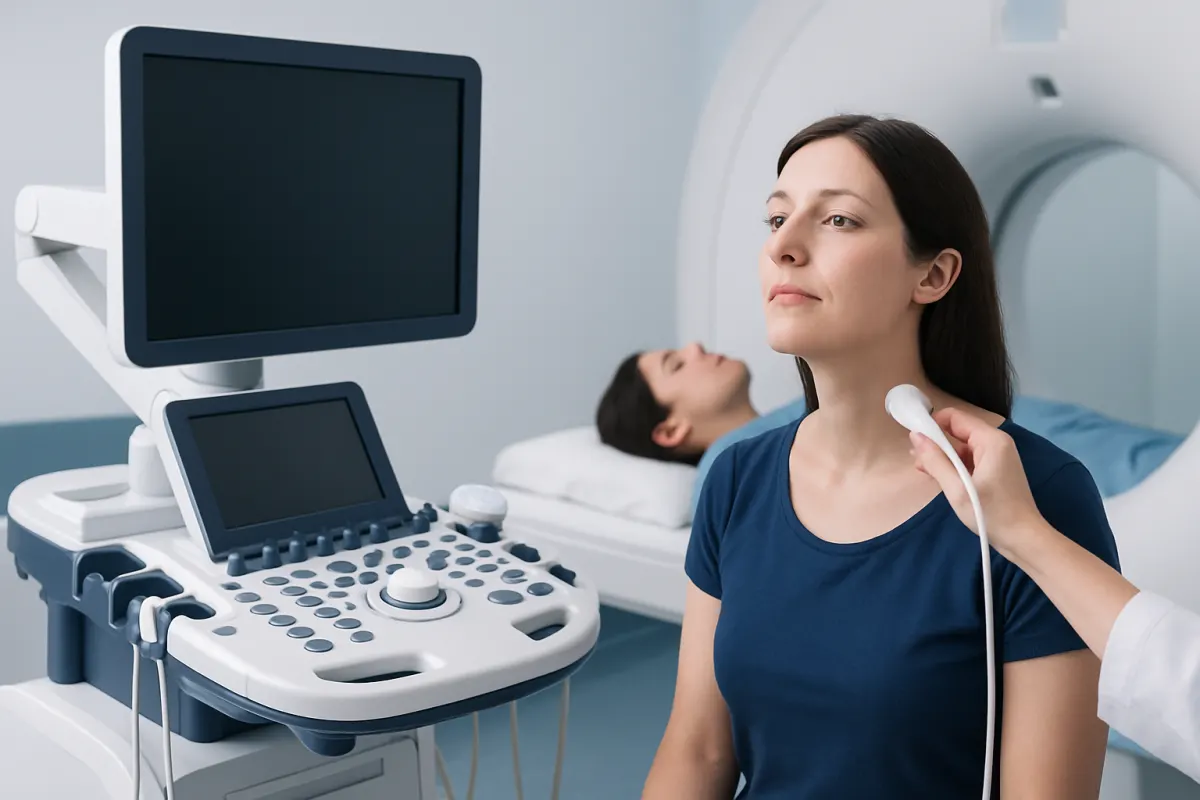
Imaging can help but usually serves a different role than blood work. Thyroid ultrasound is commonly used to assess nodules, goiter, or inflammation. For hyperparathyroidism, imaging such as ultrasound or nuclear medicine scans may be used to locate an overactive gland before surgery, rather than to make the diagnosis by itself. In selected cases, patients may need thyroid ultrasound or parathyroid surgery planning after laboratory confirmation.
Doctors may also assess complications related to hyperparathyroidism. This can include bone density testing to look for bone loss and imaging or urine studies if kidney stones are suspected. The overall goal is not only to identify the condition but also to understand how much it is affecting the body.
Treatment options for each condition
Treatment depends on the diagnosis, symptom severity, laboratory results, and overall health. In primary hyperparathyroidism, surgery to remove the overactive gland or glands is often the definitive treatment, especially when calcium is clearly elevated, symptoms are present, kidney stones have occurred, or bone density is reduced. In some milder cases, careful monitoring may be appropriate if a doctor judges that surgery is not immediately necessary.
When surgery is recommended, the aim is to restore normal hormone and calcium balance. Some patients may also need treatment for vitamin D deficiency or advice on hydration and kidney stone prevention. If hyperparathyroidism is secondary, management usually focuses on the underlying cause, such as correcting vitamin D deficiency or addressing kidney-related mineral imbalance.
Thyroid disease treatment varies widely. Hypothyroidism is usually managed with thyroid hormone replacement, while hyperthyroidism may be treated with medicines, radioactive iodine, or surgery depending on the cause. If nodules, compression symptoms, or suspicious findings are present, some patients may need thyroid surgery.
When neck gland conditions are complex or overlapping, care from endocrinology, radiology, and surgery specialists can be helpful. Near the end of the diagnostic process, patients may also benefit from discussing whether a neck mass, nodule, or incidental scan finding has changed the treatment plan. Acıbadem Health Point’s multidisciplinary specialists in JCI-accredited hospitals diagnose and treat thyroid and parathyroid conditions for international patients.
Prevention, self-care, and living well
Not every case of hyperparathyroidism or thyroid disease can be prevented, but general health steps can support earlier recognition and better overall well-being. Attending routine medical visits, especially when there is a family history or previous endocrine problems, may help detect changes before complications develop. People with kidney stones, bone loss, or unexplained calcium abnormalities should ask whether parathyroid testing is appropriate.
Self-care should be guided by a doctor rather than online assumptions. For example, calcium supplements, vitamin D, and hydration may all matter in parathyroid health, but the right approach depends on the individual. Taking supplements without advice can sometimes make calcium imbalance harder to interpret or manage.
For thyroid health, it helps to mention any new symptoms such as persistent fatigue, neck swelling, temperature intolerance, unexplained weight change, or menstrual changes. Keeping a simple symptom diary can make it easier to describe patterns during an appointment. Patients should also tell their doctor about all medicines and supplements, since some can affect thyroid tests or hormone balance.
Healthy routines remain important for both conditions. Balanced nutrition, regular physical activity, sleep, stress management, and avoiding smoking support bone, heart, and metabolic health. These habits do not replace medical treatment, but they can improve quality of life while diagnosis and treatment are underway.
When to see a doctor
A medical review is a good idea when symptoms are ongoing, unexplained, or worsening. Fatigue, weakness, constipation, mood changes, palpitations, tremor, kidney stones, bone pain, frequent urination, or a new neck lump all deserve attention, especially if they appear together. Even mild symptoms can matter when they continue for weeks or interfere with daily life.
People should seek more urgent assessment if they have severe dehydration, confusion, chest symptoms such as marked palpitations, significant weakness, or sudden worsening of neck swelling. These symptoms can have different causes, but they should not be ignored. Prompt evaluation helps doctors rule out serious complications and begin the right treatment sooner.
It is also worth seeing a doctor if routine blood tests show high calcium or abnormal thyroid function, even in the absence of clear symptoms. Some individuals with hyperparathyroidism or thyroid disease feel relatively well at first, but untreated hormone imbalance may still affect the bones, kidneys, heart, or general health over time.
Because symptom overlap is common, patients do not need to know the answer before making an appointment. A qualified clinician can decide which tests are most useful and whether referral to an endocrinologist or surgeon is needed. Early clarification often brings relief as well as a more focused care plan.
Frequently asked questions
01Are the thyroid and parathyroid the same gland?
No. The thyroid is a larger gland in the front of the neck that controls metabolism through thyroid hormones. The parathyroid glands are usually four much smaller glands behind the thyroid that regulate calcium through parathyroid hormone.
02Can hyperparathyroidism feel like hypothyroidism?
Yes, some symptoms can overlap. Fatigue, constipation, low mood, muscle weakness, and difficulty concentrating may happen in both conditions, which is why blood tests are needed to tell them apart.
03What blood tests help distinguish hyperparathyroidism from thyroid disease?
Hyperparathyroidism is commonly evaluated with calcium, parathyroid hormone, phosphorus, vitamin D, and kidney function tests. Thyroid disease is usually assessed with thyroid-stimulating hormone and free thyroid hormone levels, and sometimes thyroid antibody tests.
04Does high calcium always mean hyperparathyroidism?
No. High calcium can have several causes, including some medicines, dehydration, certain cancers, and other endocrine conditions. A doctor interprets calcium together with parathyroid hormone and the rest of the clinical picture.
05Can someone have both thyroid disease and hyperparathyroidism?
Yes, it is possible to have both. Because the glands are close together and the symptoms can overlap, doctors sometimes evaluate them at the same time, especially if symptoms are mixed or if imaging finds abnormalities in the neck.
06Is surgery always needed for hyperparathyroidism?
Not always. Some people benefit most from surgery, especially if calcium levels are elevated and there are symptoms, kidney stones, or bone loss, while others may be monitored carefully. The decision depends on test results, symptoms, age, and overall health.
This article is for general information only and is not a substitute for professional medical advice. Please consult a qualified doctor about your individual situation.
Medical weight-loss options in Turkey — costs & eligibility
JCI-accredited · board-certified surgeons · reply within 24h
Add us as a Preferred Source to see more of our trusted health content across Google Search, AI Overviews and Discover.