HSV-2 in the Mouth: Symptoms, Spread, and Care
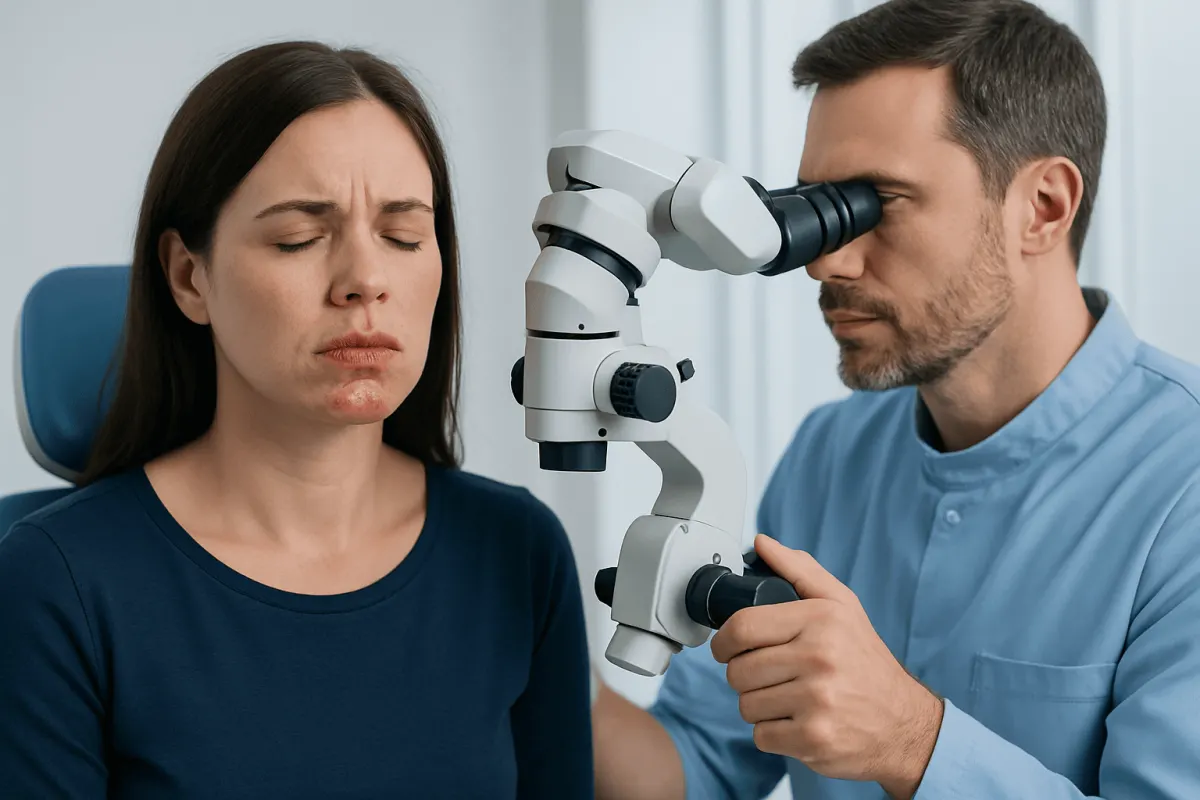
HSV2 in mouth is possible and usually results from oral contact with a person shedding herpes simplex virus type 2 (HSV-2). It may cause painful mouth or lip sores, but HSV-1 remains the more common cause of oral herpes; testing is the only way to confirm the virus type.
HSV2 in Mouth: The Evidence-Based Answer
HSV2 in mouth is possible. HSV-2, or herpes simplex virus type 2, can infect the lips, mouth, gums or throat after oral contact with an infected person, particularly during oral sex. This is commonly called oral HSV-2 or oral herpes caused by HSV-2. However, HSV-1 is still the virus type more often linked with cold sores around the mouth.
Herpes viruses are widespread and should be approached without shame or blame. A person may have HSV-2 without knowing it because symptoms can be mild, mistaken for another condition, or absent. When symptoms do occur, an oral HSV-2 episode can resemble other causes of mouth sores, so an examination and laboratory test are needed to identify the cause reliably.
After infection, HSV remains in the body in an inactive state and may reactivate later. Oral HSV-2 appears to recur and shed from the mouth less often than HSV-1, but it can still be passed to another person. Understanding symptoms, testing and practical prevention measures supports informed decisions for patients and partners.
What Oral HSV-2 Can Look and Feel Like
Some people develop symptoms within days to weeks of acquiring oral HSV-2, while many do not notice an initial episode. A first outbreak may be more uncomfortable than later episodes. It can begin with tingling, itching, burning or tenderness in one area of the lip or mouth before visible sores develop.
Possible symptoms include clusters of small fluid-filled blisters that break to form shallow, painful sores; redness or swelling of the gums; soreness of the lips, tongue, inner cheeks, palate or throat; and discomfort when eating or drinking. Fever, fatigue, swollen neck glands and body aches can occur with a more significant first infection, though they are not present in everyone.
Oral sores are not always herpes. Canker sores, irritation, dental problems, hand-foot-and-mouth disease, shingles and other infections can cause similar symptoms. The location, appearance and timing of sores may offer clues, but they cannot determine HSV type by themselves. A clinician can assess the full picture and arrange appropriate testing.
- Cold sores often occur on or near the outer lip, but herpes can also affect areas inside the mouth.
- Symptoms may heal without scarring over one to two weeks, although healing time varies.
- Severe pain, trouble swallowing or inability to drink enough fluid needs prompt medical assessment.
How HSV-2 Reaches the Mouth and Spreads

HSV-2 is transmitted through direct skin or mucosal contact with an area that is shedding the virus. Oral HSV-2 is most commonly acquired through oral-genital contact with a partner who has genital HSV-2. Transmission can occur when visible genital sores are present, but it can also happen during periods without symptoms because the virus may shed intermittently from the skin.
Kissing is a less typical route for HSV-2 than for HSV-1, but it may be possible if HSV-2 is active around the mouth. Sharing items such as drinks, cutlery or lip products is not considered a main route of herpes transmission because HSV does not survive well away from the body. Direct contact is the key concern.
Having one HSV type does not provide complete protection against acquiring the other type. A previous HSV-1 infection may influence symptoms or immune response, but it does not rule out HSV-2 infection. People who have oral HSV-2 can potentially transmit it from the mouth to a partner’s genitals during oral sex, especially during an active episode.
Transmission is not a reflection of hygiene, character or relationship fidelity. HSV can be acquired from a partner who has no symptoms and does not know they carry the virus. Open, nonjudgmental discussion and shared prevention choices are usually more helpful than trying to identify exactly when transmission occurred.
Testing: How to Confirm HSV-2 in the Mouth
The best way to confirm suspected HSV2 in mouth is to test a fresh blister or sore. A clinician can collect a swab for a nucleic acid amplification test, often called PCR, which detects herpes viral genetic material and can distinguish HSV-1 from HSV-2. Testing is most informative early in an outbreak, before lesions have healed.
A viral culture may also be used in some settings, although it can be less sensitive than PCR, especially when a lesion is older or healing. If there is no visible sore to swab, blood testing can identify antibodies to HSV-1 or HSV-2. However, an antibody test cannot determine whether HSV infection is located in the mouth or genitals, or establish when it was acquired.
Not everyone with a past exposure needs testing. It may be especially useful for people with unexplained recurrent oral lesions, a partner with known herpes, symptoms after oral sex, or concerns during pregnancy. A clinician may also recommend testing for other sexually transmitted infections based on symptoms and individual circumstances.
A positive result can bring up practical and emotional questions. Healthcare professionals can explain what the result does and does not mean, discuss ways to reduce transmission, and help decide whether antiviral treatment is appropriate. More general information about the infection is available in herpes simplex virus information.
Treatment and Day-to-Day Management
There is currently no treatment that removes HSV-2 permanently from the body, but antiviral medicines can help control outbreaks. Depending on the situation, a clinician may prescribe an antiviral medication for an individual episode or recommend suppressive treatment taken regularly for people with frequent, troublesome recurrences or particular transmission concerns.
Starting prescribed antiviral treatment promptly after symptoms begin generally provides the greatest benefit. Pain relief, cool drinks, soft foods and avoiding acidic, spicy or very salty foods may make mouth discomfort easier to manage while sores heal. People should avoid picking at lesions and should wash their hands after touching the mouth area.
During an active oral outbreak, it is sensible to avoid kissing and oral sex until all sores have fully healed and the skin or mucosa looks normal. Avoiding close contact with newborn babies, people with weakened immune systems and those with extensive eczema is particularly important when a facial or oral herpes lesion is present.
Some people find that illness, stress, sun exposure, friction or lack of sleep seems to precede recurrences, though triggers differ from person to person. Keeping a brief symptom record can help identify patterns. A clinician can offer individualized advice about antiviral treatment and symptom management.
Reducing Transmission Risk Without Myths
There is no method that eliminates herpes transmission risk completely other than avoiding the type of contact that could transmit the virus. Still, several measures can meaningfully reduce risk. The most important is to avoid oral contact, including oral sex and kissing, whenever tingling, burning, blisters, sores or crusting suggests an outbreak may be beginning or ongoing.
Condoms and dental dams reduce exposure during oral sex, although they do not cover every potentially infectious area of skin. Their consistent use is a practical risk-reduction strategy. Partners may also wish to discuss testing, symptoms, previous diagnoses and whether suppressive antiviral therapy is suitable for the person with HSV.
Routine handwashing is helpful after applying medication or touching a sore. It is also wise not to share lip balm, razors or similar personal items during an outbreak, even though these are not typical transmission routes. Contact lenses should be handled carefully after handwashing, because herpes infection of the eye requires urgent assessment.
People do not need to isolate themselves or avoid all affection permanently. Instead, they can use accurate information, symptom awareness and communication to make choices that fit their circumstances. For many, oral HSV-2 causes limited or no ongoing symptoms after the initial episode.
When to Seek Medical Care
Medical advice is recommended for a first episode of painful mouth blisters or sores, especially after possible oral-genital exposure. Assessment is also appropriate when sores are recurrent, diagnosis is uncertain, symptoms do not start improving within about two weeks, or a person wishes to discuss testing or prevention with a partner.
Urgent assessment is needed for eye pain, eye redness, light sensitivity, blurred vision or sores near the eye, as herpes can occasionally affect the eye. Prompt care is also important for severe headache, confusion, stiff neck, difficulty breathing, severe throat pain, inability to swallow fluids, signs of dehydration, or a widespread rash.
Pregnant people, newborns, people receiving chemotherapy or immune-suppressing medicines, transplant recipients and those living with significant immune suppression should contact a clinician promptly if herpes symptoms develop. These situations may need earlier testing and treatment planning.
Acıbadem Health Point’s multidisciplinary specialists and JCI-accredited hospitals can evaluate herpes-related symptoms and provide diagnostic and treatment planning for international patients. Care should always be individualized by a qualified doctor, particularly when symptoms are severe, new or affecting the eyes.
Frequently asked questions
01Can HSV-2 cause sores in the mouth?
Yes. HSV-2 can infect the mouth, lips, gums or throat, most often after oral-genital contact with a person who has genital HSV-2. HSV-1 is more commonly responsible for oral herpes, so a test is needed to identify the virus type.
02Is oral HSV-2 the same as genital herpes?
HSV-2 is commonly associated with genital herpes, but the virus can infect either oral or genital areas. The name of the condition refers to where the infection is present, while laboratory testing identifies the virus type. Oral HSV-2 tends to recur less often than genital HSV-2 in many people.
03Can a blood test tell whether HSV-2 is in the mouth?
No. HSV antibody blood tests can show whether a person has been exposed to HSV-2, but they cannot identify the body site of infection. A PCR swab from a fresh mouth sore is the preferred way to confirm HSV-2 at that location.
04Can someone spread oral HSV-2 without a visible sore?
Yes. HSV can sometimes shed from the skin or mucosa without noticeable symptoms, so transmission is possible even when no sore is visible. Risk is generally higher when there are tingling sensations, blisters, open sores or healing crusts.
05Does oral HSV-2 go away?
The visible sores usually heal, but HSV-2 remains inactive in the body after infection and can reactivate. Some people have no further oral episodes, while others may have occasional recurrences. Antiviral medicines can help reduce the duration or frequency of symptoms when needed.
06Should a person with oral HSV-2 avoid kissing forever?
No. Avoiding kissing and oral sex is most important during symptoms or a suspected outbreak, including early tingling or burning. Between outbreaks, there is still some risk because asymptomatic shedding can occur, so partners may choose additional precautions and discuss their preferences with a healthcare professional.
This article is for general information only and is not a substitute for professional medical advice. Please consult a qualified doctor about your individual situation.
Explore treatments in Turkey — costs, top hospitals & a free quote
JCI-accredited · board-certified surgeons · reply within 24h
Add us as a Preferred Source to see more of our trusted health content across Google Search, AI Overviews and Discover.