How to Remove the Eye Bags?

Key Takeaways
- Eye bags are often related to fluid retention, aging, allergies, or lifestyle factors rather than a serious problem.
- Cold compresses, better sleep, and allergy control may reduce mild puffiness.
- Persistent or one-sided swelling should be checked by a doctor to rule out an underlying cause.
- Medical options include treating the cause, office-based procedures, and eyelid surgery in selected cases.
- A careful diagnosis matters because not all under-eye puffiness is the same condition.
How to remove the eye bags depends on the cause: fluid retention, allergies, lack of sleep, aging, or sometimes a medical condition. Many people improve the appearance of eye bags with home care, while others need evaluation and treatment from an eye or facial specialist.
Overview
When people ask how to remove the eye bags, they are usually referring to the soft swelling or fullness that appears under the lower eyelids. In many cases, this is a cosmetic concern rather than a medical emergency, but it can be frustrating because it may make the face look tired even when a person feels well.
Eye bags can come and go, or they can become more noticeable over time. The most useful first step is understanding what is actually causing the puffiness, because the best treatment for fluid-related swelling is different from the best treatment for loose skin, fat shifts, allergies, or a thyroid or kidney-related problem.
A practical approach starts with simple measures at home and moves toward medical evaluation if the swelling is persistent, uneven, painful, or associated with other symptoms. For international patients, this is often the point where a specialist review becomes helpful, especially if the person wants a clear diagnosis before traveling for treatment.
Symptoms
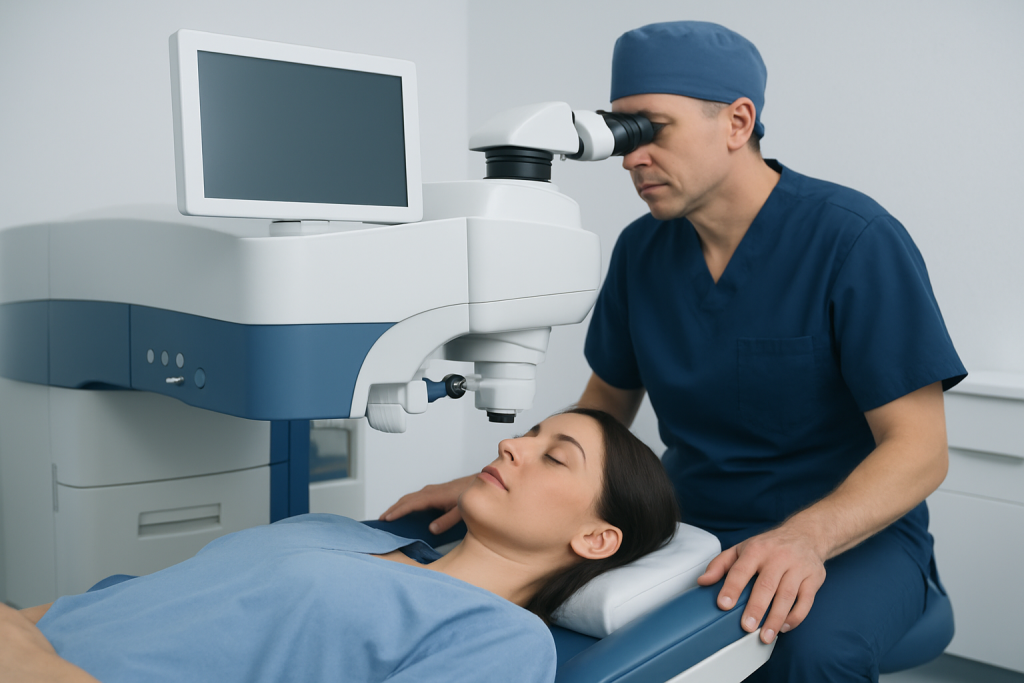
Eye bags usually show up as a soft bulge or puffiness below the eyes. They may be more obvious in the morning, after salty meals, after poor sleep, or during allergy season. Some people also notice dark shadows, which can make the area look more prominent even when swelling is mild.
It is helpful to separate ordinary under-eye puffiness from warning signs. Typical eye bags are usually symmetrical and not painful. By contrast, sudden swelling, redness, warmth, tenderness, or changes in vision suggest a different problem and should be assessed promptly.
- Puffiness under one or both eyes
- Loose or stretched lower eyelid skin
- Fullness that may improve during the day
- Dark circles that make the area appear deeper or more tired
- Occasional watery eyes if allergies are involved
Some people describe the issue as “bags,” while others are bothered more by hollowness, tear-trough shadows, or upper cheek descent. These details matter because each pattern points to a different treatment plan.
Causes & Risk Factors

Several everyday factors can contribute to eye bags. Fluid retention is common and may be related to sleep patterns, high salt intake, alcohol, crying, or sleeping flat. Allergies can also cause swelling by irritating the lining of the eyes and triggering rubbing, which can make puffiness worse.
Aging is another major reason. As the tissues around the eyes weaken, fat that normally helps support the eye socket can shift forward, and the skin may become thinner. This can create a puffy lower eyelid even in people who are otherwise healthy.
Other risk factors include smoking, sun damage, family tendency, chronic lack of sleep, and repeated eye rubbing. Less commonly, persistent swelling may reflect a medical issue such as thyroid eye disease, sinus problems, kidney disease, or inflammation around the eyes.
Because several conditions can look similar, it is important not to assume that every under-eye change is purely cosmetic. A clinician may look for clues from the timing, symmetry, skin quality, and any accompanying symptoms.
Diagnosis
Diagnosis usually begins with a careful history and a focused physical examination. A doctor may ask when the puffiness started, whether it changes during the day, whether one side is worse, and whether there are triggers such as allergies, sleep deprivation, or dietary changes.
The eye area is then examined for signs of swelling, skin laxity, fat prominence, or changes in the eyelids and surrounding tissues. If the pattern suggests a non-cosmetic cause, additional testing may be needed. This can include allergy assessment, blood tests, or referral to another specialist depending on the symptoms.
For patients who are considering treatment abroad, a thorough diagnosis is especially valuable. It helps the care team decide whether the best answer is medical treatment, a procedure, or simply conservative measures. It also allows recovery planning to be matched to travel timing, follow-up needs, and any medications already in use.
Treatment Options
There is no single answer to how to remove the eye bags, because treatment depends on the cause. If the puffiness comes from temporary fluid retention, lifestyle changes may be enough. If allergies are driving the swelling, controlling the allergy often improves the appearance of the under-eye area.
Common non-surgical measures include cold compresses, sleeping with the head slightly elevated, reducing excess salt, staying well hydrated, and avoiding eye rubbing. A clinician may also recommend allergy treatment, gentle skin care, or changes in sleep habits if these factors are contributing.
When eye bags are related to aging or structural changes, procedures may be considered. These can include lower eyelid surgery to remove or reposition fat and tighten excess skin. In selected cases, other aesthetic treatments may help with skin quality or surrounding shadows, but they do not replace surgery when true eyelid bulging is the main issue.
Treatment should always be individualized. A patient with puffy eyelids from allergies should not be treated the same way as someone with prominent fat pads or a person whose swelling is linked to thyroid disease. A careful specialist assessment helps avoid unnecessary procedures and supports a more natural result.
Prevention & Self-care
Prevention is most effective when the underlying trigger is known. If eye bags tend to appear after late nights, salty food, or alcohol, small changes in those habits may make the biggest difference. People with seasonal allergies often benefit from keeping symptoms under control before puffiness becomes obvious.
Simple self-care can also reduce day-to-day swelling. A cool compress may help in the morning, and some people notice improvement when they sleep with the head slightly raised. Using sunglasses outdoors and avoiding harsh rubbing can protect the delicate under-eye skin over time.
- Prioritize regular sleep patterns when possible
- Limit salty foods if fluid retention is a recurring issue
- Manage allergies consistently rather than only during flares
- Use gentle, fragrance-free eye-area products
- Protect the skin from sun exposure
Self-care may improve mild puffiness, but it does not reverse every cause. When the change is structural, the goal is usually improvement, not complete elimination, and that conversation is best handled with a qualified doctor who can explain realistic options.
When to See a Doctor
Medical review is recommended if eye bags are sudden, only on one side, painful, red, or associated with fever, blurred vision, double vision, or eye movement problems. These features suggest something more than routine puffiness and should not be ignored.
It is also worth seeking advice if the swelling is persistent, gradually worsening, or affecting confidence enough that the person is considering a procedure. A doctor can confirm whether the issue is harmless, allergy-related, or linked to a different health condition that needs treatment.
For people exploring care in another country, a specialist consultation before travel can be useful. Acibadem Health Point’s multidisciplinary specialists and JCI-accredited hospitals diagnose and treat eye-area concerns for international patients, helping them plan care with clarity and appropriate follow-up.
In short, the safest path is to match the treatment to the cause. That approach is usually more effective, more natural-looking, and more reassuring than trying random creams or procedures without a diagnosis.
Living With Eye Bags and Choosing the Right Next Step
Many people feel that eye bags make them look older or more tired than they are, but the condition is often manageable once the cause is identified. Some cases improve with sleep, allergy control, and lifestyle adjustments, while others need a procedural solution because the issue is mainly structural.
Anyone deciding between home care and professional treatment should think about three questions: Is the swelling temporary or persistent? Is it symmetrical? Is there pain, redness, or another symptom that suggests a medical problem? The answers help guide the next step.
For international patients, it can be helpful to bring photos that show how the eye bags change over time, along with a list of medications, allergies, and prior eye treatments. This gives the specialist a fuller picture and supports a more precise plan.
The most reliable way to remove the eye bags is not by guessing, but by identifying the reason they are there. Once that is clear, treatment becomes much simpler to choose.
Frequently asked questions
01How to remove the eye bags at home?
Mild puffiness may improve with a cold compress, better sleep, less salt, hydration, and allergy control. These steps are most helpful when the cause is temporary fluid retention rather than loose skin or fat changes.
02Can eye creams get rid of eye bags?
Eye creams may improve dryness or the look of fine lines, but they usually do not remove true eye bags. If the fullness is caused by fat pads or tissue laxity, a medical evaluation is more useful than relying on creams alone.
03Are eye bags a sign of a health problem?
Often they are not. However, sudden, one-sided, painful, or red swelling can point to an issue that needs medical attention, and persistent puffiness may sometimes be linked to allergies, thyroid disease, or other conditions.
04What is the most effective treatment for permanent eye bags?
When eye bags are structural and long-lasting, lower eyelid surgery is often the most definitive option. A specialist may also recommend other treatments depending on whether the main concern is fat prominence, skin excess, or shadowing.
05Can lack of sleep cause eye bags?
Yes, short sleep or poor-quality sleep can make puffiness more noticeable, especially in the morning. It is a common trigger, but it is usually only one part of the picture rather than the only cause.
06When should someone see an eye doctor for eye bags?
They should seek evaluation if the swelling is persistent, worsening, painful, red, or associated with vision changes. A doctor can help confirm whether the issue is cosmetic or whether another cause needs treatment.
This article is for general information only and is not a substitute for professional medical advice. Please consult a qualified doctor about your individual situation.
Explore treatments in Turkey — costs, top hospitals & a free quote
JCI-accredited · board-certified surgeons · reply within 24h
Add us as a Preferred Source to see more of our trusted health content across Google Search, AI Overviews and Discover.