How to Prevent a Brain Aneurysm: Risk Reduction Steps
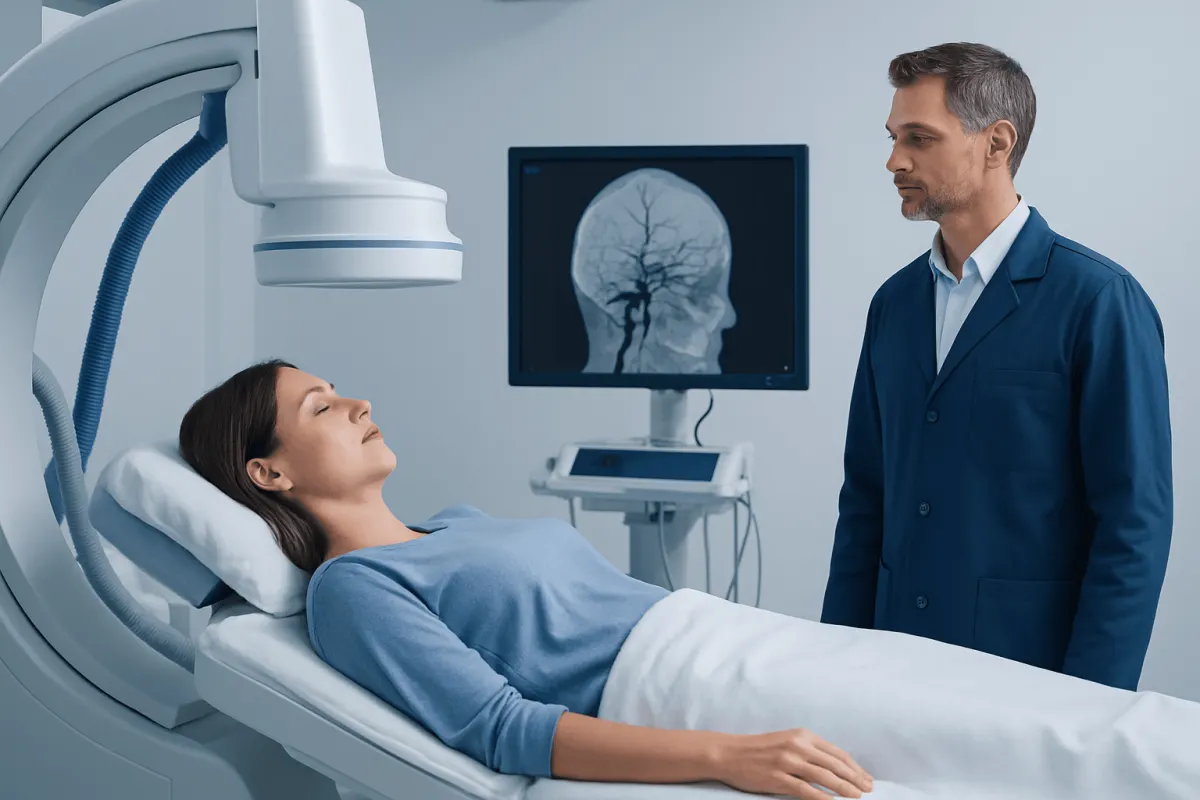
There is no guaranteed way to prevent a brain aneurysm, but controlling blood pressure, not smoking, avoiding stimulant drugs, and managing personal risk factors can lower the chance of aneurysm growth or rupture. Most unruptured brain aneurysms never rupture, and people with known risk factors can discuss appropriate screening and follow-up with a doctor.
Overview: Can a Brain Aneurysm Be Prevented?
There is no certain way to completely prevent a brain aneurysm, because some aneurysms are related to inherited traits, age, or changes in blood vessel walls that cannot be controlled. However, the most practical answer to how to prevent brain aneurysm is to reduce avoidable strain on blood vessels: keep blood pressure well managed, do not smoke, avoid cocaine and other stimulant drugs, and work with a clinician to address individual risks.
A brain aneurysm is a weakened area in an artery in or around the brain that bulges outward. Many are small, are found incidentally during imaging for another reason, and never cause symptoms or rupture. This can be reassuring, but a known aneurysm still deserves individualized medical advice because its outlook depends on features such as its size, shape, location, whether it has changed over time, and a person’s health history.
The most urgent concern is rupture, which causes bleeding around the brain, known as subarachnoid hemorrhage. A sudden, exceptionally severe headache that peaks within seconds or minutes requires emergency evaluation. Warning symptoms may also include fainting, vomiting, a stiff neck, seizure, confusion, new weakness, trouble speaking, or changes in vision. Doctors usually assess suspected aneurysm or bleeding promptly with brain imaging, sometimes followed by blood vessel imaging or a lumbar puncture when needed.
Understanding Brain Aneurysm Risk
Brain aneurysms can develop when part of an artery wall becomes weaker over time. The exact cause is not always known. They are more common in adults than children and may be influenced by a combination of blood vessel structure, long-term pressure within the arteries, inflammation, smoking exposure, and inherited susceptibility.
Some risk factors cannot be changed. These include having a close relative with a brain aneurysm or aneurysmal subarachnoid hemorrhage, especially when two or more first-degree relatives have been affected. Certain inherited disorders associated with blood vessels or connective tissue may also increase risk, including autosomal dominant polycystic kidney disease. A previous aneurysm or a previous aneurysm rupture also changes the level of risk and the follow-up needed.
Other factors are potentially modifiable. Cigarette smoking is strongly associated with aneurysm formation and rupture. High blood pressure can place ongoing stress on artery walls. Heavy alcohol use, cocaine, amphetamines, and other substances that can sharply raise blood pressure may increase danger. These factors do not mean an aneurysm will definitely develop, but reducing them is a meaningful part of prevention.
Daily Steps That Support Prevention

Blood pressure care is one of the most important steps. Adults can have high blood pressure without feeling unwell, so regular measurement is useful. A doctor may recommend home readings, lifestyle changes, medication, or both. Prescribed blood pressure medicines should not be stopped or adjusted without medical guidance, even when readings improve.
Not smoking is another key protective step. This includes cigarettes and other tobacco products. Quitting can be difficult, and support is available through behavioral counseling, nicotine-replacement approaches, and prescription treatments when appropriate. Avoiding secondhand smoke is also sensible for overall cardiovascular health.
A balanced eating pattern, regular physical activity, adequate sleep, and moderation with alcohol can help support blood pressure and blood vessel health. Physical activity is generally beneficial, and most people do not need to avoid normal exercise solely because they are concerned about aneurysms. Those with a known aneurysm, uncontrolled hypertension, or symptoms during exertion should ask their specialist about safe activity levels and whether they should avoid very heavy straining.
- Attend routine health checks, including blood pressure assessments.
- Take prescribed medicines as directed and discuss side effects rather than stopping treatment independently.
- Avoid cocaine, non-prescribed stimulants, and excessive alcohol use.
- Seek support to stop smoking and maintain a smoke-free environment.
- Discuss any supplements or stimulants with a clinician if they affect blood pressure or heart rate.
Symptoms That May Need Medical Review
Most unruptured aneurysms do not cause symptoms. When an aneurysm is larger or presses on nearby nerves or brain structures, symptoms can sometimes develop gradually. These may include pain above or behind one eye, a drooping eyelid, a dilated pupil, double vision, blurred vision, facial numbness, or a new headache pattern. These symptoms have many possible causes, so they do not automatically mean an aneurysm is present, but they should be assessed promptly.
A ruptured aneurysm is a medical emergency. The classic symptom is a sudden, severe headache often described as the worst headache of a person’s life or a thunderclap headache. It may be accompanied by neck stiffness, nausea or vomiting, sensitivity to light, collapse, seizure, drowsiness, confusion, weakness, or difficulty speaking. Emergency services should be contacted immediately rather than waiting to see whether the symptoms pass.
Occasionally, a small leak may cause a sudden severe headache before a major rupture. Any abrupt headache unlike previous headaches deserves urgent medical attention, particularly when it peaks immediately or occurs with neurological symptoms. It is safer not to drive oneself to emergency care if severe symptoms are present.
Who May Need Screening or Assessment?
Routine screening for brain aneurysms is not advised for the general population because aneurysms are uncommon, many never cause harm, and screening can lead to findings that require long-term monitoring or further tests. Instead, doctors consider screening based on a person’s family history, medical conditions, and circumstances.
Screening may be discussed when two or more first-degree relatives, such as parents, siblings, or children, have had a brain aneurysm or aneurysmal subarachnoid hemorrhage. It may also be considered for people with autosomal dominant polycystic kidney disease, particularly when there is a family history of aneurysm. A neurologist, neurosurgeon, or vascular specialist can help weigh the possible benefits and limitations.
Noninvasive imaging used to look at brain arteries may include magnetic resonance angiography (MRA) or computed tomography angiography (CTA). If an aneurysm is identified, clinicians assess its characteristics alongside the person’s age, health, family history, smoking status, blood pressure, and previous bleeding history. This helps determine whether observation with repeat imaging or preventive treatment is appropriate.
What Happens If an Aneurysm Is Found?
Finding an unruptured aneurysm does not automatically mean surgery is needed. For many people, careful observation is the safest approach. Follow-up imaging may be recommended to check whether the aneurysm remains stable, while blood pressure control and smoking cessation help reduce potentially modifiable risk.
When the estimated risk of rupture is higher than the risks of treatment, a specialist team may discuss preventive repair. Common approaches include microsurgical clipping, where a small clip is placed across the aneurysm’s neck, and endovascular procedures, where treatment is performed through blood vessels using devices such as coils, stents, or flow-diverting implants. The most suitable option depends on the aneurysm and the individual, and every procedure has potential benefits and risks.
A person who has been told they have an aneurysm should keep follow-up appointments and ask clear questions about the planned monitoring schedule, symptoms that require urgent care, activity advice, and medication use. Acıbadem Health Point’s multidisciplinary specialists and JCI-accredited hospitals diagnose and treat brain aneurysms for international patients, with care plans based on individual imaging findings and clinical needs.
When to Seek Medical Care
Emergency care is needed for a sudden, severe headache that reaches full intensity rapidly, especially if it is accompanied by fainting, seizure, vomiting, neck stiffness, confusion, weakness, numbness, difficulty speaking, or vision changes. These symptoms can be caused by several serious conditions, and urgent assessment is important even if they improve.
A non-emergency medical appointment is appropriate for people with a strong family history of brain aneurysm, a close relative who had aneurysmal bleeding, or a condition known to affect blood vessels. It is also sensible to speak with a doctor about persistent high blood pressure, difficulty quitting smoking, or questions after an aneurysm has been found on a scan.
People with a known unruptured aneurysm should contact their care team if they develop new neurological symptoms or a major change in headache pattern. Regular follow-up is intended to provide timely reassurance and identify changes that may require a revised care plan.
Frequently asked questions
01Can stress cause a brain aneurysm?
Everyday stress has not been shown to directly cause a brain aneurysm. However, chronic stress may contribute to unhealthy behaviors or poorly controlled blood pressure in some people. Managing stress, sleep, and blood pressure is beneficial for overall vascular health.
02Can exercise cause a brain aneurysm to rupture?
Regular moderate exercise is generally good for heart and blood vessel health and is not considered a cause of aneurysms. Intense exertion can temporarily raise blood pressure, so a person with a known aneurysm should ask their clinician about activity appropriate for their individual situation. Sudden severe headache during exercise needs urgent medical assessment.
03Should everyone be screened for a brain aneurysm?
No. Screening is not routinely recommended for people without symptoms or specific risk factors. It may be considered for people with two or more affected first-degree relatives or certain inherited conditions, after discussion with a qualified clinician.
04What is the best way to lower brain aneurysm rupture risk?
The most important modifiable measures are avoiding smoking, keeping blood pressure controlled, and avoiding cocaine and other stimulant drugs. For people with a known aneurysm, attending imaging follow-up and specialist appointments is also important. Treatment decisions are individualized and depend on the aneurysm's features and overall health.
05Can a brain aneurysm go away on its own?
Most brain aneurysms do not disappear on their own. Many remain stable for years and can be monitored safely, while some may grow or need treatment. Follow-up imaging helps a specialist assess whether the aneurysm is changing.
06Are headaches a common sign of an unruptured brain aneurysm?
Most headaches are not caused by a brain aneurysm, and most unruptured aneurysms cause no symptoms. A new sudden and severe headache, especially one that peaks immediately or occurs with neurological symptoms, is different and needs emergency evaluation. Ongoing or changing headaches can be discussed with a doctor for appropriate assessment.
This article is for general information only and is not a substitute for professional medical advice. Please consult a qualified doctor about your individual situation.
Explore treatments in Turkey — costs, top hospitals & a free quote
JCI-accredited · board-certified surgeons · reply within 24h
Add us as a Preferred Source to see more of our trusted health content across Google Search, AI Overviews and Discover.