How to Prepare for Plastic Surgery Travel: A Pre-Flight Checklist

Key Takeaways
- Travel plans should be built around the surgeon’s medical instructions, not the other way around.
- A patient should organize documents, medications, comfort items, and a recovery plan before flying.
- Blood clot prevention, mobility, and escort support matter after many plastic surgery procedures.
- Follow-up appointments, communication channels, and emergency contacts should be confirmed before departure.
Planning plastic surgery travel involves more than booking a flight. A careful checklist can help patients prepare for surgery, recovery, follow-up, and a safer journey home.
Overview
For patients who travel abroad for plastic surgery, the trip is not simply a medical appointment with a passport stamp attached. It is a sequence of decisions: choosing the right procedure, allowing enough time for evaluation, planning the recovery period, and making sure the return journey does not interfere with healing. A thoughtful pre-flight checklist can reduce stress and help the patient feel more settled before surgery day.
Plastic surgery travel works best when the patient thinks in phases. There is the preoperative phase, which includes consultation and medical clearance; the immediate postoperative phase, when rest and observation matter most; and the follow-up phase, when the body is still healing and instructions still need to be followed. Each of these stages may require different travel timing, companions, and supplies.
This guide is designed for patients arranging aesthetic or reconstructive procedures away from home. It focuses on practical preparation: what to confirm, what to pack, what to avoid, and when travel should be delayed. While every operation and every patient is different, the basic goal stays the same: support healing before, during, and after the flight.
What to Confirm Before Booking the Flight

Before any ticket is purchased, the patient should make sure the surgical plan is realistic from a medical and travel standpoint. The surgeon or care team should explain when the procedure is expected to take place, how long the patient should stay locally, and whether flying soon after surgery is appropriate. Some operations involve more swelling, limited mobility, or a need for close observation, which can change the timing of travel.
It is also important to confirm who will be responsible for follow-up care once the patient returns home. If the procedure requires stitch removal, dressing changes, drainage management, or later check-ins, these needs should be understood in advance. Patients traveling internationally should know how to reach the team after discharge, especially if questions arise once they are back in another country.
Another practical point is companion support. Many patients do better when someone can help with luggage, transportation, meals, medications, and general safety during the first days after surgery. If a companion is not available, the care plan should be adjusted so that the patient is not left handling travel tasks alone while still in early recovery.
Medical Information to Gather and Carry
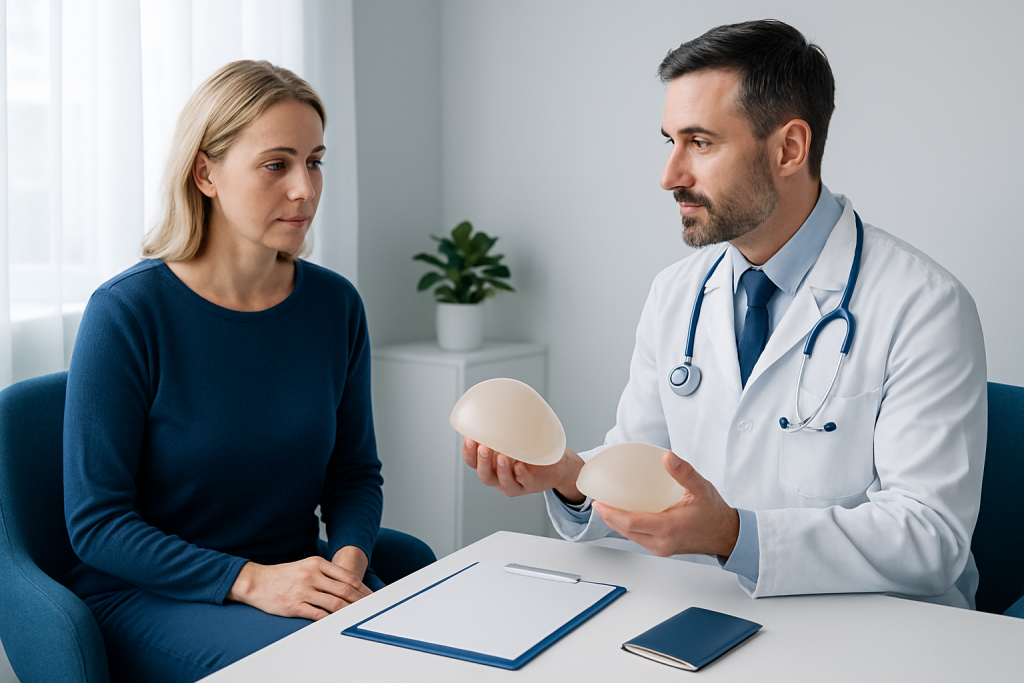
A clear paper trail is part of safe travel. Patients should carry a copy of the consultation notes, the proposed procedure plan, consent forms, and any written postoperative instructions provided by the surgeon. If the patient has chronic conditions, it helps to bring a list of diagnoses, allergies, previous surgeries, and current medications in their original names, especially when care may continue across different healthcare systems.
It is sensible to keep important medical details both in print and on a phone or secure digital file. This can include the surgeon’s contact information, the hospital name, local emergency numbers, passport and insurance details, and the address of the hotel or recovery accommodation. If any medication needs to be continued after surgery, the patient should know how it should be taken and whether it must remain in original packaging during travel.
- Photo identification and passport
- Appointment schedule and surgeon contact details
- Medication list and allergy information
- Travel insurance and emergency contact numbers
- Postoperative care instructions and wound-care notes
Packing for Surgery and the Return Trip
Packing for plastic surgery travel should feel more like preparing for a short period of focused rest than for a typical holiday. Loose, easy-to-remove clothing is often more comfortable after surgery, particularly garments that do not need to be pulled over the head. Many patients also benefit from bringing slip-on shoes, a small pillow for support, and items that make sleeping more comfortable in a semi-upright position if advised by the surgical team.
Comfort items are not trivial during recovery. A neck pillow, an extra charger, lip balm, unscented wipes, and a water bottle can all make the first days more manageable. Patients may also want to carry prescribed medications, any allowed over-the-counter items approved by the care team, and a small bag for documents and essentials that stays with them rather than in checked luggage.
For flights home, the patient should think about logistics as well as comfort. A direct route may be easier than a connection if permitted by the medical team. If the patient has swelling, bruising, or drainage equipment, luggage handling should be planned carefully so there is no need to lift, bend, or rush through the airport.
Managing Swelling, Mobility, and Flight Safety
Air travel after surgery deserves special attention because sitting still for long periods can be uncomfortable and, in some situations, medically unwise. The surgeon will usually advise when it is safe to fly based on the type of procedure, the patient’s condition, and the length of the journey. Patients should not assume that a short flight is automatically safe; healing needs can vary widely.
Staying mobile within the limits set by the surgeon is often part of postoperative guidance. Gentle walking, ankle movement, hydration, and periodic position changes may be recommended to support circulation. At the same time, patients should avoid doing more than their recovery plan allows, especially if movement increases pain, bleeding, or strain on the surgical area.
If the procedure involved the face, breasts, abdomen, body contouring, or another area affected by pressure or swelling, the flight plan may need to be adjusted. The care team may suggest special garments, head positioning, or the delay of certain activities. Patients should ask directly about blood clot risk, compression use, and whether any travel restrictions apply before boarding.
Organizing Recovery Support Abroad and at Home
A safe trip does not end when the patient leaves the operating room. The recovery setting matters: the hotel or accommodation should be quiet, clean, easy to access, and close enough to the clinic or hospital for follow-up visits. Ideally, the patient should be able to rest, bathe carefully, and move around without stairs, heavy doors, or complicated transportation.
It is helpful to make a simple schedule for the first few days. That may include meal times, medication reminders, dressing care, short walks if advised, and follow-up appointments. Patients often find it easier to recover when they do not need to improvise every day while tired or uncomfortable. If possible, a companion or local support person should know how to help with basic needs.
Before returning home, the patient should understand what can and cannot be done during the flight and after arrival. Long trips, work obligations, childcare, or exercise plans should be delayed if they would interfere with healing. A realistic recovery plan is one that allows the body to settle before the patient resumes full responsibilities.
What to Ask Before You Leave
Clear questions can prevent confusion later. Before departure, the patient should ask how to reach the surgical team, what symptoms are expected during normal healing, and which signs require prompt medical attention. It is also useful to confirm when a video or in-person follow-up is planned, especially for patients returning abroad and needing coordinated care across time zones.
Patients should also ask whether any paperwork is needed for the airline or for travel insurance. In some cases, a fitness-to-fly note or medical summary may be helpful. If medication schedules cross time zones, the patient should ask how to time doses safely without changing instructions on their own.
A short final review with the team before leaving can make the journey feel much more manageable. It is the right moment to check dressing care, shower instructions, activity limits, and what to do if swelling, fever, redness, or sudden discomfort develops after travel.
When to See a Doctor
Patients should contact their surgeon or a qualified doctor if they are unsure about whether to travel, if symptoms are not following the expected healing pattern, or if pain and swelling seem to be worsening rather than improving. Questions are not a burden; they are part of good postoperative care.
Medical advice should be sought promptly if there is sudden shortness of breath, chest pain, heavy bleeding, fainting, one-sided leg swelling, high fever, or any change that feels urgent. These symptoms are not typical recovery concerns and should be assessed without delay. If the patient is already at home after surgery, local emergency services should be used when needed.
For many international patients, staying in touch with the surgical team after the flight is just as important as the procedure itself. Follow-up allows the doctor to guide healing, address concerns early, and support a smoother return to normal routines. Acibadem Health Point’s multidisciplinary specialists and JCI-accredited hospitals also help diagnose and treat plastic surgery patients for international care journeys, with attention to coordinated follow-up and recovery planning.
Frequently asked questions
01How long should a patient stay after plastic surgery before flying home?
The right timing depends on the procedure, the patient’s healing, and the surgeon’s advice. Some patients can travel sooner than others, while certain surgeries require a longer stay for monitoring and follow-up. The surgical team should make the final recommendation.
02What should be in a plastic surgery travel bag?
The bag should include documents, prescribed medicines, a phone charger, loose clothing, and any recovery items recommended by the surgeon. It is also wise to keep important papers and medications in a carry-on bag, not checked luggage. Comfort items such as a neck pillow or wipes can also help.
03Can a patient fly alone after surgery?
Some patients may be able to travel without a companion, but many benefit from assistance during the first phase of recovery. This is especially true if mobility is limited, medication causes drowsiness, or luggage and transport may be difficult. The surgeon can help decide what level of support is appropriate.
04Is it safe to wear compression garments on a flight?
Compression garments are sometimes recommended, but only if the surgeon has prescribed or approved them. They can affect comfort, swelling, and circulation, so they should fit properly and be used as instructed. Patients should never improvise with compression items without medical guidance.
05What documents should international patients bring for surgery travel?
Patients should bring a passport or ID, consultation notes, a medication list, allergy information, and emergency contact details. It is also useful to carry postoperative instructions, insurance documents, and the surgeon’s contact information. Keeping copies in both paper and digital form is a practical safeguard.
06When should travel be postponed after plastic surgery?
Travel should be postponed if the surgeon advises against flying, if there are complications, or if the patient does not yet have safe support for the journey. Persistent bleeding, uncontrolled pain, fever, breathing problems, or major mobility issues all warrant medical review before any flight. Healing should always take priority over the schedule.
This article is for general information only and is not a substitute for professional medical advice. Please consult a qualified doctor about your individual situation.
Explore treatments in Turkey — costs, top hospitals & a free quote
JCI-accredited · board-certified surgeons · reply within 24h
Add us as a Preferred Source to see more of our trusted health content across Google Search, AI Overviews and Discover.