How to Permanently Get Rid of Puffy Eyes?

Key Takeaways
- Puffy eyes are a symptom, not a diagnosis, so lasting relief depends on finding the cause.
- Allergies, sleep habits, salt intake, aging, eye rubbing, and some medical conditions can all contribute.
- Cold compresses and sleep-position changes may help temporary puffiness, but they do not treat every cause.
- Persistent, one-sided, painful, or vision-changing swelling should be assessed by a doctor.
- In some cases, long-term improvement comes from managing allergies, eyelid issues, or other underlying conditions.
Puffy eyes can often be improved, but permanently getting rid of them depends on the cause. Some cases are linked to temporary fluid retention, while others come from allergies, aging, or medical conditions that need targeted treatment.
Overview
For anyone searching how to permanently get rid of puffy eyes, the most important answer is this: there is no single permanent fix for every person. Puffy eyes are a sign that something is causing extra fluid, inflammation, or tissue changes around the eyelids, so the right solution depends on the reason behind the swelling.
Some people wake up with puffiness that fades during the day. Others notice a more constant fullness under the eyes that is related to allergies, skin changes with age, sinus issues, or a medical condition that affects fluid balance. When the trigger is identified and treated, the swelling often improves in a lasting way.
Because the area around the eyes is delicate, patients should avoid harsh home remedies or unverified “quick fixes.” A calm, structured approach usually works better: understand the cause, treat it specifically, and make practical changes that reduce recurrence. For travelers seeking care abroad, that process often begins with a focused eye examination and may include coordination with allergy, dermatology, or general medical specialists.
Symptoms
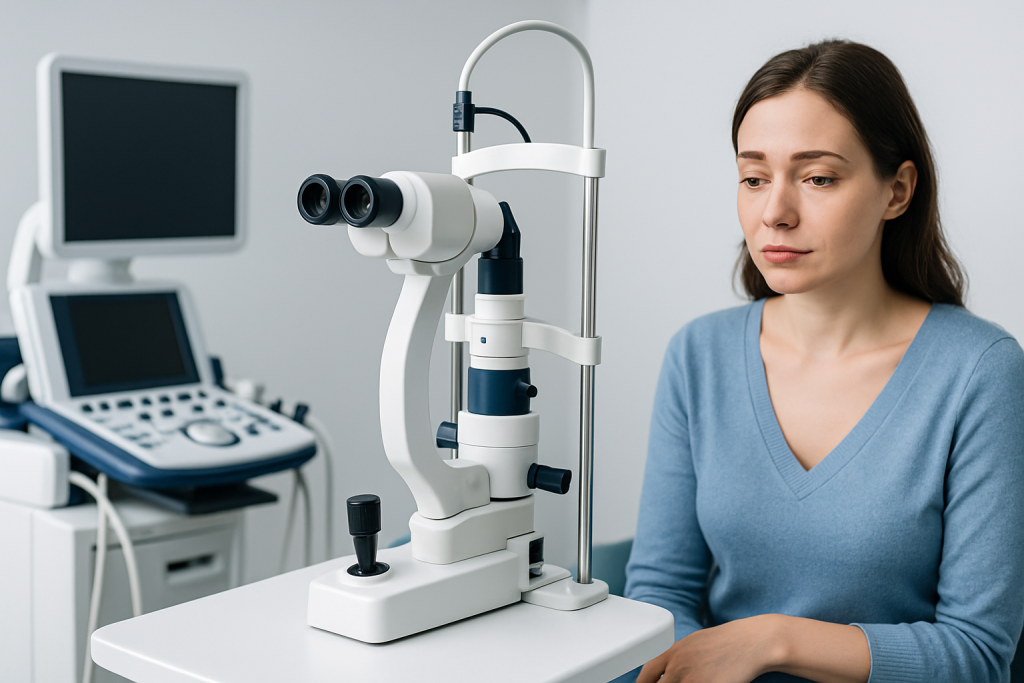
Puffy eyes usually look like swelling around the eyelids or the skin below the eyes. The area may appear heavy, bloated, or slightly darker because swelling changes the way light falls on the face. In many cases, the puffiness is most noticeable in the morning and improves after several hours.
Other symptoms can point toward the underlying cause. Itching, watery eyes, and sneezing often suggest allergies. Redness, pain, discharge, or sensitivity to light may point to irritation or infection. If swelling is paired with a facial rash, breathing difficulty, fever, or changes in vision, it deserves prompt medical attention.
Not all puffiness is the same. Temporary swelling after a salty meal or a poor night’s sleep is different from a firm, persistent bulge caused by aging changes in the eyelid or fat pads. Understanding the pattern helps clinicians decide whether the concern is cosmetic, inflammatory, or medical.
Causes & Risk Factors

Puffy eyes can develop for many reasons, and several may overlap. A person may have mild fluid retention from sleeping flat and also have seasonal allergies that keep the eyelids irritated. That is why a complete history matters more than trying one generic remedy.
Common causes and risk factors include:
- Allergies, including seasonal allergies and reactions to dust, pet dander, or cosmetics
- Poor sleep, irregular sleep schedules, or sleeping face-down
- High salt intake, dehydration, or alcohol use that can affect fluid balance
- Eye rubbing, contact lens irritation, or chronic eyelid inflammation
- Normal aging changes, including looser skin and shifting fat around the eyes
- Sinus congestion or upper respiratory infections
- Medical conditions such as thyroid disease, kidney problems, or inflammatory disorders
Risk can also increase after long flights, travel fatigue, or changes in climate and routines. International patients often notice that puffiness worsens during travel because of sleep disruption, dry cabin air, and diet changes. These factors usually cause temporary swelling, but persistent symptoms still deserve evaluation.
Diagnosis
Diagnosing the cause of puffy eyes usually starts with a detailed conversation and a careful examination of the eyelids, skin, and eyes. A doctor may ask when the swelling began, whether it affects one or both eyes, and whether it changes during the day. The pattern often gives valuable clues.
Depending on the findings, the clinician may look for allergy symptoms, signs of infection, eyelid inflammation, or changes related to thyroid or kidney disease. If swelling is recurrent or unusual, additional tests may be recommended to check overall health and rule out systemic causes. When the issue appears related to the eyelid structure itself, an eye specialist may assess whether a cosmetic or functional procedure could help.
For patients traveling for treatment, a good diagnostic visit should be clear and efficient. The goal is not only to name the problem, but to explain why it is happening and what type of improvement is realistic. A precise diagnosis is what turns a short-term fix into a more durable plan.
Treatment Options
There is no universal treatment for puffy eyes because the best option depends on the source of the swelling. Temporary puffiness often responds to simple measures, while persistent cases may need targeted medical care. The aim is always to reduce swelling safely and address what is driving it.
Helpful approaches may include:
- Cold compresses: May reduce short-term swelling by narrowing blood vessels and easing irritation.
- Allergy management: Avoiding triggers and using doctor-recommended treatment can reduce repeated puffiness.
- Lifestyle adjustments: Improving sleep, lowering salt intake, staying hydrated, and limiting alcohol may help fluid-related swelling.
- Eyelid and skin care: Gentle cleansing and avoiding rubbing can protect irritated eyelids.
- Medical treatment: If puffiness is caused by infection, thyroid disease, or another condition, treating that issue is essential.
When puffiness is caused by aging or structural eyelid changes, treatment may be more specialized. In selected cases, procedures such as eyelid surgery may be discussed to remove or reposition tissue that creates a chronically swollen appearance. These decisions should be made with an experienced eye or facial specialist after a full assessment, especially for patients planning care across borders.
It is also worth remembering that some over-the-counter products may temporarily tighten the skin but do not solve the underlying problem. A sustainable result usually comes from combining symptom relief with the right diagnosis and, when needed, longer-term treatment.
Prevention & Self-care
Prevention works best when it matches the likely trigger. If puffiness tends to appear after a salty meal, reducing salt may help more than any eye cream. If it follows pollen season, allergy control matters more than cosmetic products. Small, consistent habits can make the under-eye area calmer over time.
Self-care measures that are often useful include sleeping with the head slightly elevated, avoiding eye rubbing, using gentle skincare, and taking screen breaks if eyes feel strained or irritated. People who wear contact lenses should keep their lenses clean and follow replacement schedules carefully. Those with known allergies may benefit from reducing exposure to triggers and following their clinician’s treatment plan.
During travel, especially long-haul flights, patients can support eye comfort by staying hydrated, limiting excess alcohol, and trying to rest on a regular schedule. A simple approach is often the safest one: protect the eye area, reduce known triggers, and watch for patterns that suggest a deeper cause.
When to See a Doctor
Medical evaluation is important when puffy eyes are persistent, worsening, or not explained by obvious factors such as a poor night’s sleep. A doctor should also be consulted if the swelling is mostly on one side, because uneven swelling may suggest an infection, a blocked gland, trauma, or another condition that needs assessment.
Prompt care is especially important if puffiness comes with eye pain, fever, redness, discharge, blurred vision, double vision, a rash, or swelling elsewhere in the body. These symptoms do not always mean something serious, but they do mean the cause should be checked rather than guessed at.
People who have repeated puffiness that interferes with daily life, work, or confidence may also want an expert opinion. In many cases, an ophthalmologist can identify a treatable cause and explain whether the issue is medical, structural, or a combination of both. Acibadem Health Point’s multidisciplinary specialists and JCI-accredited hospitals can diagnose and treat this condition for international patients, with coordinated care when more than one specialty is involved.
Living With Chronic Puffy Eyes
When puffiness keeps returning, patients often feel frustrated because the problem seems small but persistent. A useful strategy is to track patterns for a few weeks: sleep, salt intake, allergies, menstrual changes, contact lens use, travel, and morning versus evening appearance. This information can help a clinician separate everyday triggers from causes that need treatment.
Chronic swelling may also affect how a person feels about their appearance. That experience is real, even when the underlying condition is harmless. Supportive care should therefore include both medical management and practical guidance that fits the patient’s routine, work schedule, and travel plans.
For some patients, lasting improvement comes from a combination of allergy control, better sleep habits, and treatment of an eyelid or sinus condition. For others, a procedure may be considered after conservative steps are tried. The right answer is usually the one that matches the cause, the exam findings, and the patient’s goals.
Frequently asked questions
01How can someone permanently get rid of puffy eyes?
There is no single permanent fix for every case because puffy eyes have different causes. Lasting improvement usually comes from treating the underlying issue, such as allergies, eyelid inflammation, fluid retention, or age-related tissue changes.
02Why are puffy eyes worse in the morning?
Puffiness often looks worse after sleep because fluid can collect around the eyelids when a person lies flat. It may improve as the day goes on, especially if the cause is mild and temporary.
03Can allergies cause puffy eyes all the time?
Yes, ongoing allergies can lead to repeated or persistent eyelid swelling, especially when exposure to triggers continues. Managing the allergy itself is usually more effective than treating the swelling alone.
04Do eye creams remove puffy eyes permanently?
Eye creams may help with dryness or a temporary tight feeling, but they usually do not solve the root cause of puffiness. If the swelling keeps returning, a medical evaluation is more useful than trying different cosmetic products.
05When should one worry about puffy eyes?
Puffy eyes should be checked if they are painful, only on one side, associated with vision changes, fever, redness, or discharge, or if they keep coming back without a clear reason. These features can point to a condition that needs treatment.
06Can travel make puffy eyes worse?
Yes, long flights, sleep disruption, dry air, and salty travel meals can all contribute to temporary swelling. Most travel-related puffiness settles, but persistent symptoms should still be evaluated if they do not improve.
This article is for general information only and is not a substitute for professional medical advice. Please consult a qualified doctor about your individual situation.
Persistent digestive symptoms? Get evaluated in Turkey
JCI-accredited · board-certified surgeons · reply within 24h
Add us as a Preferred Source to see more of our trusted health content across Google Search, AI Overviews and Discover.