Bowel Blockage: What to Do at Home Safely
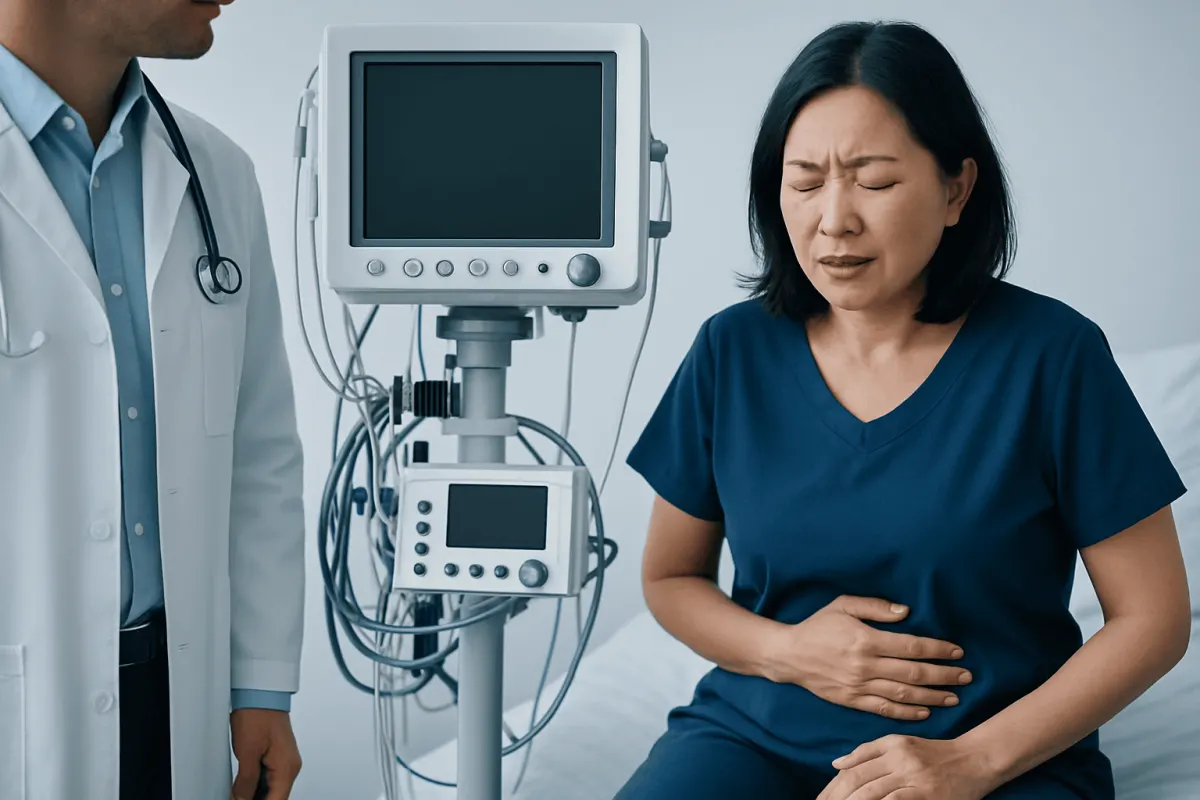
A suspected bowel blockage, also called an intestinal obstruction, is not something to try to loosen at home. While ordinary constipation may improve with simple measures, a true blockage can become serious and needs prompt medical assessment, especially when pain, vomiting, abdominal swelling, or inability to pass gas is present.
Overview: Can a Bowel Blockage Be Loosened at Home?
A bowel blockage means that food, fluid, stool, and gas cannot move normally through part of the small or large intestine. The medical term is intestinal obstruction. It may be partial, allowing some contents to pass, or complete, preventing passage altogether. A complete obstruction can quickly lead to dehydration, reduced blood supply to the bowel, or a tear in the bowel wall.
A true bowel blockage should not be managed with home remedies. Laxatives, strong purgatives, enemas, or attempts to eat high-fiber foods may worsen symptoms or delay necessary treatment. A person with possible obstruction should contact a doctor urgently for guidance, and seek emergency care if red-flag symptoms are present.
Constipation is much more common than intestinal obstruction. Constipation usually involves infrequent, hard, or difficult-to-pass stools, but many people can still pass gas and do not have severe, escalating pain or persistent vomiting. Because the symptoms can overlap, it is safest not to assume that significant constipation is harmless when new or severe symptoms occur.
Symptoms That May Suggest an Intestinal Obstruction
Symptoms depend on where the blockage is located and whether it is partial or complete. Pain often comes in waves or cramps at first, but it may become steady and severe if the bowel is under significant pressure or its blood supply is affected. The abdomen may look or feel bloated, tight, or tender.
Common symptoms can include nausea, vomiting, abdominal cramps, swelling, reduced appetite, constipation, and difficulty passing gas. Vomiting may happen earlier with a blockage in the small intestine. A large-bowel obstruction may develop more gradually, with increasing constipation and abdominal distension.
- Cramping or persistent abdominal pain
- Repeated nausea or vomiting
- A swollen, hard, or increasingly tender abdomen
- Inability to pass stool or gas
- Fever, chills, weakness, dizziness, or signs of dehydration
- Blood in the stool or black, tar-like stool
Symptoms can vary, and passing a small amount of stool does not always rule out a partial obstruction. Anyone with concerning symptoms, especially after abdominal surgery or with a known hernia or bowel condition, should be assessed by a qualified clinician.
When to Seek Emergency Medical Care
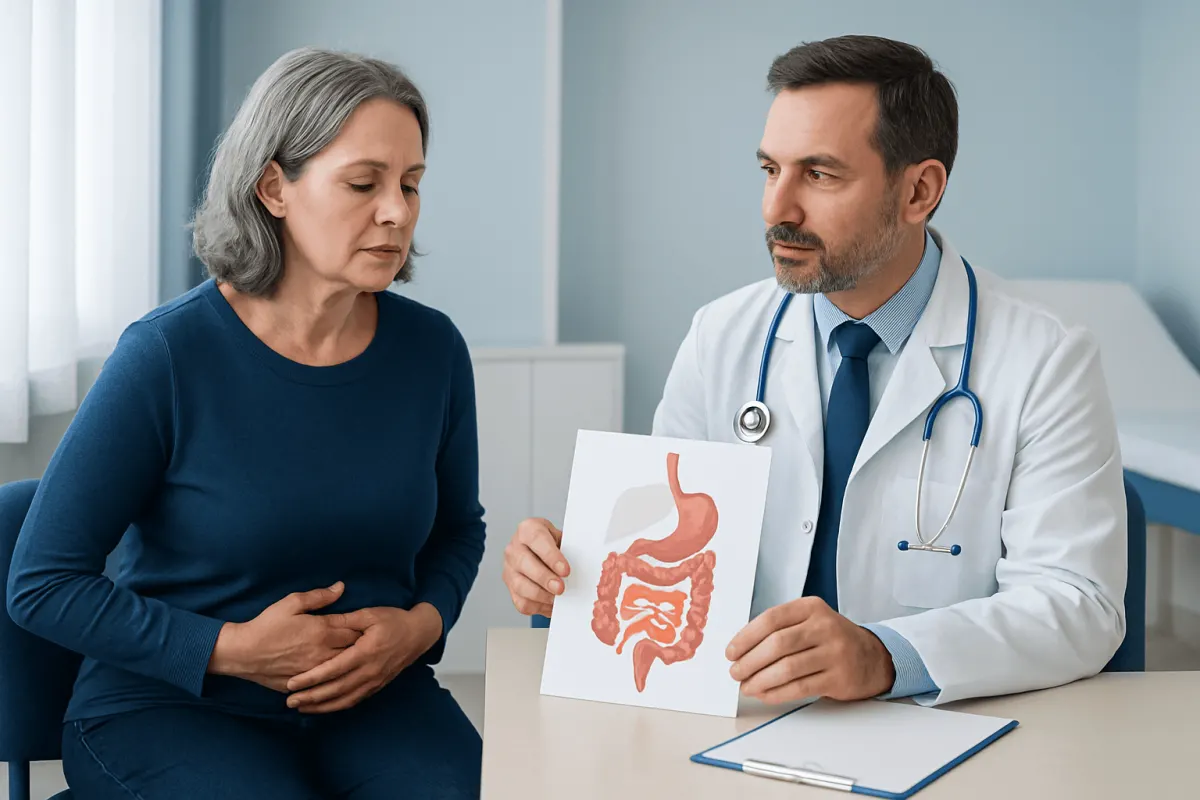
Emergency assessment is needed for severe or worsening abdominal pain, repeated vomiting, marked abdominal swelling, or inability to pass gas or stool together with pain and bloating. These symptoms can indicate a complete blockage or a complication that requires rapid treatment.
People should also seek urgent care if they have fever, fainting, confusion, a very fast heartbeat, blood in the stool, or severe tenderness when the abdomen is touched. These may be signs of infection, dehydration, reduced blood flow to the intestine, or bowel perforation. It is safer to call local emergency services rather than drive if the person feels faint, weak, or severely unwell.
Until medical advice is received, a person should avoid taking laxatives, enemas, anti-diarrheal medicines, or pain medicines that could mask worsening symptoms unless these have been specifically recommended. They should also avoid solid food if vomiting or a suspected obstruction is present. A healthcare professional can advise whether small sips of clear fluid are appropriate while arranging evaluation.
Causes and Risk Factors
In adults, scar tissue inside the abdomen, known as adhesions, is a common cause of small-bowel obstruction. Adhesions can form after abdominal or pelvic surgery, sometimes years after the procedure. Hernias are another important cause, because a section of bowel can become trapped in a weak area of the abdominal wall or groin.
Other causes include narrowing from Ulcerative Colitis, and Flares" class="ahp-ilk">inflammatory bowel disease, diverticular disease, previous radiation treatment, or a narrowing after surgery. A bowel may also twist around itself, called volvulus, or telescope into another segment, called intussusception. In the large intestine, a tumor can sometimes cause narrowing and obstruction, particularly in older adults.
Risk may be higher in people with a history of abdominal surgery, hernia, inflammatory bowel disease, colorectal cancer, severe diverticular disease, or prior abdominal radiation. In children, the causes differ and may include congenital conditions or intussusception, so prompt pediatric assessment is particularly important when a child has abdominal pain, vomiting, distension, or unusual lethargy.
How Doctors Diagnose a Bowel Blockage
Diagnosis begins with a medical history and physical examination. A doctor will ask about pain, vomiting, bowel movements, gas, previous operations, hernias, medications, and medical conditions. They may examine the abdomen for swelling, tenderness, scars, hernias, and changes in bowel sounds.
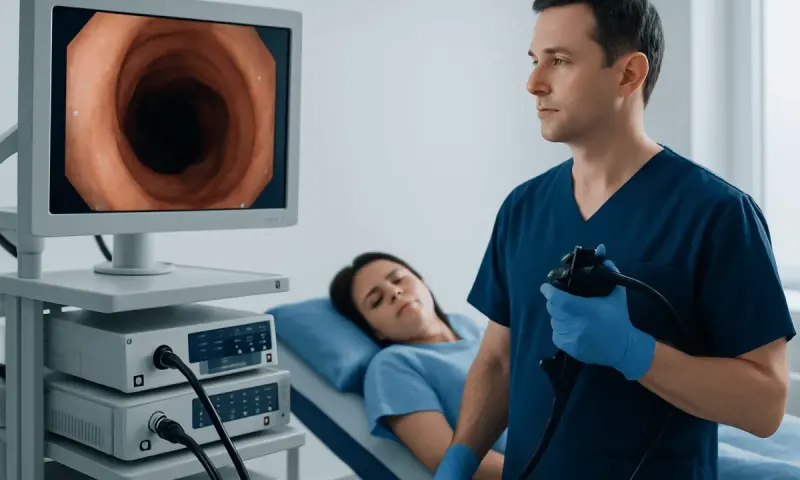
Blood tests can help identify dehydration, infection, electrolyte imbalance, or other complications. Imaging is often needed to confirm or rule out an obstruction and identify its location and likely cause. An abdominal X-ray may be used in some situations, while a CT scan commonly provides more detailed information about the bowel and surrounding tissues.
For some suspected large-bowel problems, additional tests such as contrast imaging or endoscopy may be appropriate after a clinician evaluates the situation. Accurate diagnosis matters because treatment for constipation differs significantly from treatment for an intestinal obstruction.
Treatment Options in Hospital
Treatment depends on the cause, location, and severity of the obstruction, as well as the person’s overall health. Many patients are given intravenous fluids because vomiting and reduced intake can cause dehydration. They may be asked not to eat or drink temporarily so the bowel can rest.
In some cases, a thin tube is passed through the nose into the stomach to remove fluid and gas. This can reduce vomiting, pressure, and discomfort. A partial obstruction caused by adhesions may sometimes improve with close hospital monitoring and supportive treatment, but this decision must be made by the treating team.
Surgery may be needed if there is a complete blockage, trapped hernia, bowel twisting, reduced blood flow, perforation, or a cause that cannot safely resolve without an operation. Procedures can remove the obstruction, repair a hernia, untwist the bowel, remove damaged tissue, or address a narrowing. Treatment plans are individualized and should be discussed with a surgical and gastroenterology team.
Acıbadem Health Point’s multidisciplinary specialists and JCI-accredited hospitals diagnose and treat intestinal obstruction and related digestive conditions for international patients.
Constipation Self-Care: Only When Obstruction Is Unlikely
For mild constipation without severe pain, vomiting, fever, abdominal swelling, or inability to pass gas, simple measures may help. These include drinking enough fluids, gradually increasing dietary fiber, staying physically active when possible, and allowing regular time for bowel movements. Dietary fiber should be increased slowly to reduce bloating and gas.
Some people may benefit from a clinician- or pharmacist-recommended stool softener, fiber supplement, or gentle laxative. However, these products are not appropriate when an obstruction is possible. Anyone with persistent constipation, unexplained change in bowel habits, rectal bleeding, unintended weight loss, anemia, or new constipation later in life should arrange a medical review.
People who take opioid pain medicines, iron supplements, calcium-containing products, certain antacids, or medicines that affect nerve signaling may be more prone to constipation. A doctor can review medications and help develop a safer bowel routine. Recurrent constipation should be assessed rather than repeatedly treated with escalating doses of over-the-counter remedies.
Prevention and Follow-Up
Not every bowel obstruction can be prevented, especially those related to prior surgery or sudden bowel twisting. However, managing conditions such as hernias, inflammatory bowel disease, and chronic constipation may reduce some risks. A new bulge in the abdomen or groin, particularly one that is painful or cannot be gently reduced, should be assessed promptly because it may represent a hernia.
After treatment for an obstruction, the care team may recommend follow-up imaging, colon evaluation, dietary adjustments, or monitoring for recurrence, depending on the underlying cause. People who have had surgery should ask which symptoms could indicate a future obstruction and when they should seek urgent help.
It is important not to ignore recurring episodes of cramping, bloating, vomiting, or difficulty passing stool and gas. Early evaluation can help identify a treatable cause before symptoms become more severe.
Frequently asked questions
01Can drinking water loosen a bowel blockage?
Water may help prevent dehydration and can support normal bowel function in uncomplicated constipation, but it cannot safely treat a true bowel blockage. If there is vomiting, severe pain, marked bloating, or inability to pass gas, medical assessment is needed rather than trying to drink large amounts of fluid.
02Should a person take a laxative for a suspected bowel blockage?
No. Laxatives, enemas, and other bowel-cleansing products should not be used for suspected intestinal obstruction unless a clinician has specifically instructed otherwise. They may worsen pressure in the bowel or delay appropriate emergency treatment.
03Can a person still pass stool with a partial bowel obstruction?
Yes. With a partial obstruction, small amounts of stool or gas may still pass. This does not rule out obstruction, particularly if the person has worsening cramps, vomiting, abdominal swelling, or a major change in bowel function.
04How can constipation be distinguished from a bowel obstruction?
Constipation commonly causes hard or infrequent stools and straining, but severe pain, persistent vomiting, increasing abdominal distension, and inability to pass gas are more concerning for obstruction. Only a medical assessment, and sometimes imaging, can reliably distinguish the two when symptoms are significant.
05How long can a bowel blockage last before it becomes dangerous?
There is no safe time limit to wait at home because the seriousness depends on the cause and whether the bowel blood supply is affected. A suspected complete obstruction or any severe symptoms should be evaluated urgently, even if symptoms began recently.
06What should someone eat after a bowel obstruction?
Diet after an obstruction depends on its cause, treatment, and the person’s recovery. A doctor may temporarily recommend clear liquids or a low-fiber diet before gradually returning to usual foods, but dietary changes should follow the treating team’s instructions.
This article is for general information only and is not a substitute for professional medical advice. Please consult a qualified doctor about your individual situation.
Persistent digestive symptoms? Get evaluated in Turkey
JCI-accredited · board-certified surgeons · reply within 24h
Add us as a Preferred Source to see more of our trusted health content across Google Search, AI Overviews and Discover.