How to Get Rid of Mosquito Bites? Causes, Explanations, and Next Steps

You wake up with an itchy bump on your ankle, and by the afternoon you’ve scratched it raw. Sound familiar? Most mosquito bites are harmless and settle within a few days with simple skin care. The fastest relief comes from cooling the area, calming the itch, and keeping your hands off it. Medical review matters when there are signs of infection, a severe allergy, or if you feel unwell after a bite.
Overview: What helps mosquito bites go away?
For most people, it comes down to calming the skin and not making things worse. A cold compress, a gentle wash, an over-the-counter anti-itch cream, and resisting the urge to scratch are usually enough to bring down the swelling and itching while the bite heals on its own.
Mosquito bites are very common and are usually harmless. The familiar bump appears because the immune system reacts to proteins in mosquito saliva. This reaction can cause itching, redness, and mild swelling, but symptoms often improve within a few days and rarely need urgent treatment.
The exceptions are the red flags: severe allergic symptoms, signs of skin infection, or feeling unwell after a bite. In those cases a doctor will look at the skin, ask about travel or time spent outdoors, and consider whether another insect bite, an allergic reaction, or an infection is behind it. Below, we walk through what helps at home and when it’s time to get checked.
Why mosquito bites itch and swell
When a mosquito bites, it injects a small amount of saliva into the skin while feeding. The body recognizes these proteins as foreign and releases chemicals such as histamine. This causes the nearby blood vessels to widen and leak fluid, leading to a raised, itchy bump.
Some people react only mildly, while others develop larger, firmer, or more intensely itchy areas. Children, people with sensitive skin, and those who have repeated exposure patterns can sometimes seem to react more strongly. A larger local reaction is not always dangerous, but it can be uncomfortable and easy to mistake for infection.
The symptoms also change over time. A bite may first look like a small red spot, then become a swollen bump that itches more over several hours. As healing begins, the itching fades and the bump gradually flattens. If scratching continues, however, the skin can become more inflamed and take longer to recover.
Symptoms that are normal and signs that need attention
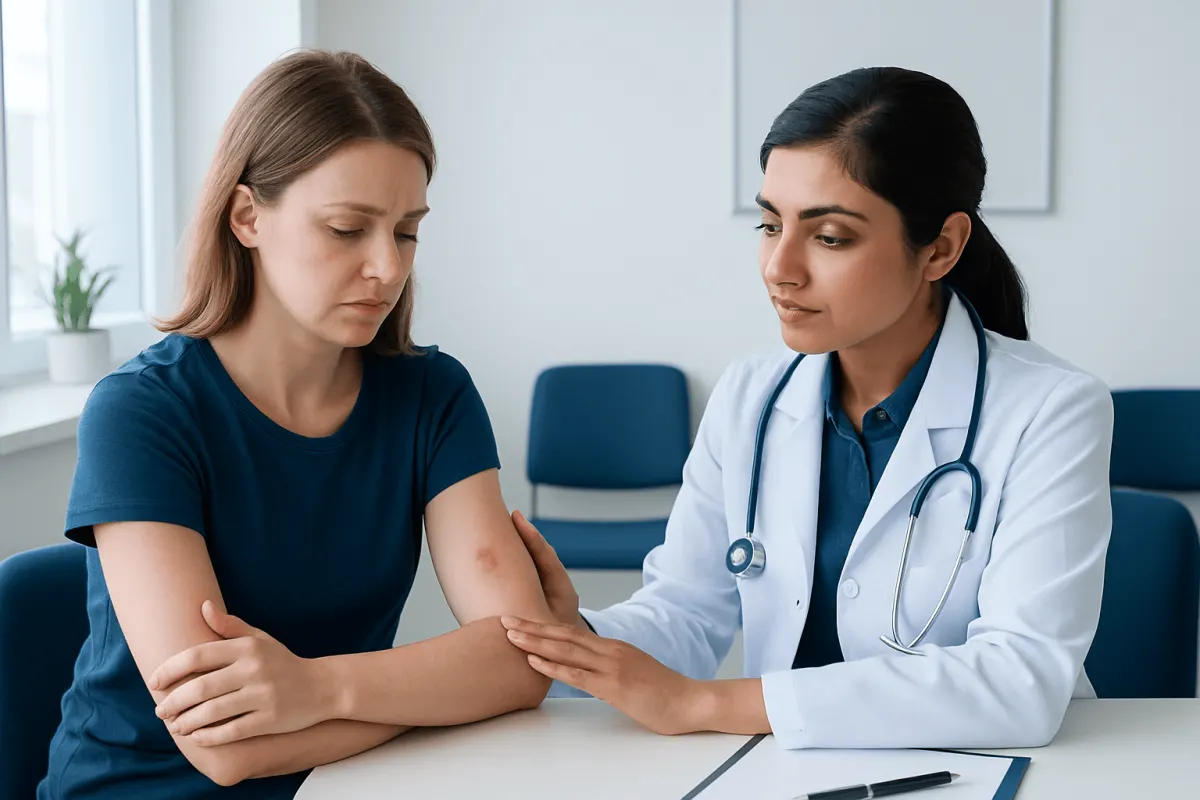
Typical mosquito bite symptoms include a small raised bump, itching, mild redness, and local swelling. These symptoms are often most noticeable in the first one to two days. The bite may feel warm or irritating, but should gradually become less bothersome.
Keep an eye out for anything that points to a different problem. Get checked if you notice rapidly spreading redness, increasing pain, pus, crusting, fever, or swollen lymph nodes, because scratching can allow bacteria into the skin and lead to an infection such as cellulitis.
Urgent care is important for trouble breathing, swelling of the lips or face, dizziness, fainting, or widespread hives after a bite. These can be signs of a serious allergic reaction. It is also wise to seek advice if unusual symptoms appear after mosquito exposure, such as persistent fever, severe headache, body aches, rash, or marked fatigue, especially after travel or time spent in areas where mosquito-borne illnesses occur.
- Usually normal: itch, small bump, mild redness, mild swelling
- Needs review: worsening pain, pus, increasing warmth, spreading redness
- Urgent: breathing difficulty, facial swelling, fainting, widespread hives
How to get rid of mosquito bites at home
Home care focuses on reducing inflammation and protecting the skin. A cool, damp cloth or cold pack wrapped in fabric can be applied for short periods to ease swelling and itching. Washing the area gently with soap and water can remove irritants from the skin surface and lower the chance of infection if the bite has been scratched.
Over-the-counter options may also help. Many people find relief with anti-itch creams, calamine lotion, or oral antihistamines when itching is widespread or especially bothersome. If skin symptoms are persistent or severe, a dermatologist may recommend an evaluation through dermatology care to confirm that the reaction is truly due to mosquito bites and not another skin condition.
Avoid scratching as much as possible, even though the urge can be strong. Scratching increases inflammation, can break the skin, and may delay healing. Keeping fingernails short, covering bites lightly at night, and using fragrance-free moisturizers around irritated skin can make scratching less likely.
Simple self-care steps often work best when used together:
- Apply a cold compress for 10 to 15 minutes at a time
- Use a soothing anti-itch product as directed on the label
- Keep the skin clean and dry
- Avoid harsh soaps, perfumes, or hot showers on irritated skin
- Discourage scratching, especially in children
What can make mosquito bites worse
Several factors can make a simple bite feel much more uncomfortable. Repeated scratching is the most common. It keeps the itch-scratch cycle going and may turn a small bump into a larger, inflamed patch. Heat can also intensify itching, which is why hot baths or heavy sweating may make bites seem worse.
Individual sensitivity matters too. Some people develop larger local reactions that can look dramatic but still settle with time. Others may have eczema, very dry skin, or another skin barrier problem that makes the bite area react more strongly. In these cases, management may overlap with care used for irritated or allergy-prone skin, and a specialist in allergy evaluation or skin health may be helpful if reactions are recurrent.
And remember, not every itchy bump is a mosquito bite. Bedbugs, fleas, mites, contact dermatitis, and hives can all mimic mosquito bites. If bumps keep appearing without clear exposure, occur mostly at night, or affect several family members, another cause should be considered rather than repeatedly treating the skin as if it were a mosquito bite.
How doctors diagnose and treat troublesome mosquito bites
Doctors usually diagnose mosquito bites by looking at the skin and asking about symptoms, timing, recent outdoor activity, travel, and whether other people nearby were bitten. In most cases, no special tests are needed. The pattern, location, and appearance of the bumps often provide enough information.
If a bite looks unusually swollen, painful, or prolonged, the clinician may check for skin infection, another insect bite, or an allergic skin reaction. When fever or whole-body symptoms are present, evaluation may be broader and can include blood tests or infectious disease assessment depending on travel history and local public health concerns. If there is concern about severe skin swelling or persistent inflammation, a review in dermatology care may be advised.
Treatment depends on the problem found. Uncomplicated bites are treated with symptom relief and skin protection. If there is secondary bacterial infection, a doctor may prescribe antibiotics. If there are signs of a significant allergic reaction, treatment may include antihistamines and, in emergency settings, other supportive care. The goal is not only to relieve the current bite but also to make sure a more serious condition is not being missed.
Prevention and self-care after repeated bites
The best long-term strategy is to prevent bites in the first place. Using an insect repellent according to the product instructions, wearing long sleeves and trousers when mosquitoes are active, and staying in screened or air-conditioned spaces can reduce exposure. Removing standing water around the home may also help limit mosquito breeding.
For people who react strongly to bites, planning ahead is useful. Carrying a preferred anti-itch product, washing bites promptly, and applying a cold compress early may shorten the period of swelling and discomfort. If reactions are frequent and difficult to manage, a clinician can help create a personalized plan and decide whether allergy-related assessment is worthwhile.
Skin care matters after the bite as well. Gentle cleansers, bland moisturizers, and avoiding rubbing or friction can support the skin barrier as it heals. If the area becomes very irritated or repeatedly inflamed, the person may benefit from medical review to rule out eczema, contact dermatitis, or infection rather than assuming every flare is caused only by mosquito bites.
If skin or allergy symptoms keep coming back, specialist input can help. Acıbadem Health Point’s multidisciplinary specialists in JCI-accredited hospitals diagnose and treat skin and allergic conditions for international patients when further assessment is needed.
When to seek medical care
Most mosquito bites do not need a doctor, but certain symptoms should not be ignored. Medical advice is sensible if a bite becomes increasingly red, painful, warm, or swollen after the first day or two, or if there is drainage, crusting, or fever. These signs may point to a skin infection rather than a simple bite reaction.
Prompt care is also important for symptoms of allergy such as lip or tongue swelling, wheezing, chest tightness, faintness, or widespread hives. A person who develops significant body symptoms after mosquito exposure, especially after travel, should be assessed to exclude mosquito-borne infection or another illness.
If your child scratches bites until they bleed, has many bites with marked swelling, or just seems unusually miserable, it’s worth having them seen. Getting advice early can prevent complications and sort ordinary irritation from something that needs more specific treatment.
Frequently asked questions
01How long do mosquito bites usually last?
Most mosquito bites improve within a few days, although the itching may come and go during that time. In some people, especially children or those with stronger local reactions, swelling can last longer before gradually settling.
02What is the fastest way to stop mosquito bites from itching?
A cold compress is often one of the quickest ways to reduce itching and swelling. Many people also benefit from an over-the-counter anti-itch cream or an oral antihistamine if symptoms are more widespread or disturbing sleep.
03Should mosquito bites be covered or left open?
Either approach can be reasonable, depending on the situation. If the bite is being scratched, a light covering can protect the skin, especially in children or during sleep; otherwise, keeping the area clean and uncovered is usually fine.
04Why do some mosquito bites get very swollen?
A larger swollen area usually means the immune system is reacting more strongly to proteins in mosquito saliva. This can still be a normal local reaction, but if swelling is severe, very painful, or accompanied by fever or spreading redness, a doctor should assess it.
05Can mosquito bites become infected?
Yes, especially if repeated scratching breaks the skin. Warning signs include increasing pain, warmth, redness that spreads, pus, and sometimes fever; these symptoms deserve medical evaluation.
06When should someone worry that a mosquito bite is something more serious?
Concern is appropriate if there are signs of severe allergy, infection, or whole-body illness after the bite. Trouble breathing, facial swelling, fainting, fever, severe headache, or unusual fatigue should prompt urgent or timely medical care depending on the symptoms.
This article is for general information only and is not a substitute for professional medical advice. Please consult a qualified doctor about your individual situation.
Explore treatments in Turkey — costs, top hospitals & a free quote
JCI-accredited · board-certified surgeons · reply within 24h
Add us as a Preferred Source to see more of our trusted health content across Google Search, AI Overviews and Discover.