How Much Blood Do You Lose During a Period?
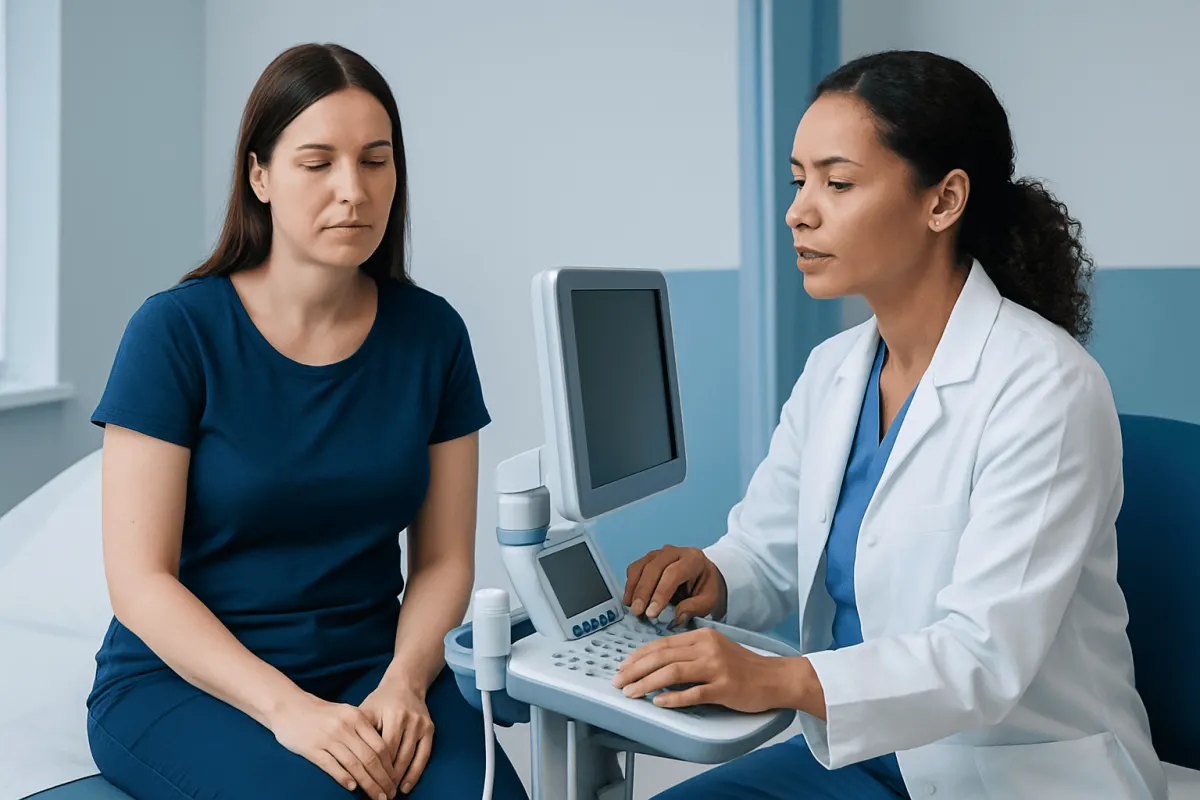
Most people lose around 30 to 40 milliliters of menstrual fluid during a period, which is about 2 to 3 tablespoons; this includes blood plus uterine tissue and mucus. Flow varies naturally, but bleeding that is very heavy, prolonged, or affecting daily life deserves a medical assessment.
What is a normal amount of blood to lose during a period?
Most people lose approximately 30 to 40 milliliters of menstrual fluid during an entire period. This is roughly 2 to 3 tablespoons. It can be difficult to judge the amount precisely because period flow contains more than blood: it also includes mucus and small amounts of tissue shed from the lining of the uterus.
A range of about 5 to 80 milliliters per cycle has traditionally been considered within the usual range. Periods differ from person to person and can also vary at different life stages. A flow that is heavier on the first one or two days and then becomes lighter is common and is usually not a cause for concern.
Heavy menstrual bleeding is often defined clinically as blood loss above 80 milliliters in one cycle. However, clinicians also consider how bleeding affects a person’s life. A period may need assessment even when the exact volume is unknown if it causes exhaustion, missed work or school, sleep disruption, iron deficiency, or significant worry.
Why period flow can look like more blood than it is
The appearance of menstrual flow does not reliably show the total amount of blood lost. Menstrual fluid is a mixture of blood, uterine-lining tissue, vaginal fluid, and cervical mucus. This is why it may look watery at times, thick at other times, or include small clots.
Blood can appear bright red when flow is fresh and moving quickly. It may look dark red, brown, or nearly black when it has taken longer to leave the uterus and vagina. These color changes are commonly normal, particularly at the beginning or end of a period, and do not by themselves indicate a health problem.
Small clots can also occur during a heavier-flow day. They form when blood collects briefly before leaving the uterus. Repeated large clots, especially those larger than a grape or accompanied by very heavy bleeding, pain, dizziness, or weakness, should be discussed with a doctor.
How to estimate menstrual blood loss

It is not practical to measure menstrual blood loss exactly at home, but tracking products and symptoms can provide useful information. A person can record how often they change pads, tampons, menstrual cups, or period underwear, how long bleeding lasts, whether there are clots, and whether flow leaks through clothing or bedding.
For example, regularly needing to change a pad or tampon every one to two hours, needing to use more than one product at a time, or waking at night to change protection can suggest a heavy flow. Menstrual cups may have volume markings, which can help some people estimate fluid loss, although measurements are not always exact because menstrual fluid contains non-blood components.
A period diary can help identify patterns over two or three cycles. It can include cycle dates, bleeding intensity, pain, fatigue, medications, contraception, and any bleeding between periods. This record gives a clinician more useful information than trying to estimate blood loss from appearance alone.
- Light flow: protection is changed mainly for comfort, with little or no leakage.
- Moderate flow: regular product changes are needed, often more frequently on the first days.
- Heavy flow: products become saturated quickly, leaks occur, or daily activities are limited.
What can cause heavier periods?
Heavier periods can occur for many reasons, and a single heavier-than-usual cycle is often not serious. Hormonal changes are a frequent explanation, especially in the years after periods first begin and during the transition toward menopause. Changes in ovulation can cause the uterine lining to build up more than usual before it is shed.
Structural conditions in the uterus may also increase bleeding. These include fibroids, polyps, adenomyosis, and, in some cases, endometriosis. Pregnancy-related bleeding, including miscarriage or ectopic pregnancy, can be serious and needs urgent assessment when pregnancy is possible.
Other possible factors include thyroid disorders, polycystic ovary syndrome, pelvic infection, bleeding disorders, liver or kidney disease, and medicines that affect blood clotting. Copper intrauterine devices can make periods heavier or more painful for some people, especially in the first months after insertion.
Heavy bleeding does not automatically mean there is a serious underlying condition. Still, new, persistent, or worsening heavy periods should be assessed because effective treatment may prevent complications such as iron-deficiency anemia.
How doctors assess heavy menstrual bleeding
A doctor will usually begin by asking about the pattern of bleeding, cycle regularity, pain, clots, pregnancy possibility, medical history, medicines, and family history of bleeding problems. They may ask how often menstrual products are changed and whether bleeding affects sleep, work, exercise, or other everyday activities.
A pregnancy test may be recommended for people who could be pregnant. Blood tests can check for anemia, low iron stores, thyroid conditions, or signs of an underlying bleeding disorder when appropriate. Testing is tailored to the individual rather than needed in every case.
A pelvic examination may be offered depending on symptoms, age, and medical history. An ultrasound scan can help evaluate the uterus and ovaries and look for fibroids, polyps, or other structural causes. In some circumstances, doctors may recommend examining the inside of the uterus or taking a small sample of the uterine lining, particularly when abnormal bleeding occurs later in reproductive life or after menopause.
The goal is not only to measure blood loss. It is to understand why the bleeding has changed, identify any impact on health, and choose an approach that fits the person’s symptoms, reproductive plans, and preferences.
Treatment and self-care options
Treatment depends on the cause of heavy bleeding, the severity of symptoms, and whether a person wants to become pregnant now or in the future. Some people need only monitoring and support, especially when a short-term change in flow has no concerning features. If iron levels are low, a clinician may recommend dietary changes or iron supplementation.
Medicines can reduce menstrual bleeding or ease cramps for some people. These may include anti-inflammatory pain medicines, medicines that help reduce bleeding, or hormonal options such as certain birth control pills, progestogen treatments, injections, implants, or hormonal intrauterine devices. A doctor can explain which choices are suitable and safe based on a person’s health history.
When fibroids, polyps, adenomyosis, or another uterine condition is contributing to symptoms, procedures may sometimes be considered. Options can include removing a polyp or fibroid, treating the uterine lining in selected people who do not plan future pregnancy, or surgery for more severe cases. The best approach should be decided after a full evaluation.
At home, keeping a cycle record, staying well hydrated, eating iron-containing foods such as beans, lentils, leafy vegetables, meat, fish, or fortified cereals, and resting when needed may support wellbeing. These measures do not replace medical advice if bleeding is heavy or symptoms of anemia are present.
When to seek medical care
Medical review is appropriate when periods become noticeably heavier than usual, last longer than about seven days, occur more frequently than expected, or interfere with normal activities. A person should also arrange an appointment if they have bleeding between periods, bleeding after sex, new severe pelvic pain, or symptoms such as ongoing fatigue, breathlessness, paleness, headaches, or reduced exercise tolerance.
Urgent medical care is important if a person is soaking through a pad or tampon every hour for two or more hours, feels faint or severely weak, has chest pain, shortness of breath, severe abdominal pain, or has heavy bleeding during a known or possible pregnancy. Emergency care is also appropriate if there is sudden severe pain with bleeding and pregnancy could be possible.
It is reassuring to know that many people with heavy periods have treatable causes, and a doctor can often improve symptoms substantially. Seeking help is not an overreaction when bleeding is affecting quality of life. A menstrual history, physical examination, and targeted tests can provide clarity and guide care.
Acıbadem Health Point’s multidisciplinary specialists and JCI-accredited hospitals assess and treat menstrual concerns for Myomectomy Recovery for International Patients: The Usual Travel Timeline" class="ahp-ilk">international patients, with care plans based on individual symptoms and clinical findings.
Frequently asked questions
01Is losing 2 to 3 tablespoons of blood during a period normal?
Yes. Average menstrual fluid loss is often estimated at around 30 to 40 milliliters, or about 2 to 3 tablespoons, over the whole period. This fluid includes blood as well as mucus and tissue from the uterine lining.
02How much period bleeding is considered too much?
More than 80 milliliters per cycle has traditionally been used as a clinical definition of heavy menstrual bleeding. In daily life, bleeding is also considered heavy when it requires very frequent product changes, causes leakage, lasts more than about seven days, or limits normal activities.
03Is it normal to have blood clots during a period?
Small clots can be normal, particularly on days when flow is heavier. Recurrent large clots, clots with severe pain, or clots accompanied by rapid soaking of pads or tampons should be assessed by a healthcare professional.
04Why does period blood sometimes look brown or black?
Dark brown or black menstrual blood usually means the blood has taken longer to leave the body and has oxidized. This commonly happens at the start or end of a period. A sudden change in bleeding with pain, fever, unusual discharge, or pregnancy concerns should be reviewed.
05Can heavy periods cause anemia?
Yes. Ongoing heavy menstrual bleeding can lower iron stores and lead to iron-deficiency anemia. Possible symptoms include tiredness, dizziness, shortness of breath, headaches, paleness, or a racing heartbeat, and blood tests can help confirm the cause.
06Should a person see a doctor after one heavy period?
One unusually heavy cycle may occur because of temporary hormonal changes, stress, illness, or other non-serious factors. However, medical advice is sensible if bleeding is very heavy, pregnancy is possible, severe pain occurs, or the pattern continues or worsens over subsequent cycles.
This article is for general information only and is not a substitute for professional medical advice. Please consult a qualified doctor about your individual situation.
Explore treatments in Turkey — costs, top hospitals & a free quote
JCI-accredited · board-certified surgeons · reply within 24h
Add us as a Preferred Source to see more of our trusted health content across Google Search, AI Overviews and Discover.