How Mental Health Is Diagnosed: Assessment, Questions, and Tests

Mental health diagnosis is a structured process that helps clinicians understand a person’s thoughts, feelings, behaviors, and overall functioning. It usually combines conversation, questionnaires, medical history, and sometimes physical or laboratory tests to rule out other causes and guide treatment.
Overview: What Mental Health Diagnosis Means
Mental health diagnosis is the process of identifying a pattern of symptoms that may fit a recognized mental health condition. The goal is not to place a label on a person, but to understand what they are experiencing and what kind of support may help. A diagnosis can also help explain why symptoms are happening and what treatments are most likely to be useful.
Unlike many physical illnesses, mental health conditions are not usually diagnosed with one single test. Instead, clinicians gather information from several sources. They may ask about emotions, thoughts, behaviors, sleep, appetite, stress, relationships, work or school performance, and any physical symptoms that may be connected.
The process is often called a mental health assessment, psychiatric evaluation, or psychological assessment, depending on who is carrying it out and what is being evaluated. It may be done by a psychiatrist, psychologist, primary care doctor, or another qualified mental health professional. In some cases, more than one appointment is needed to build a clear picture over time.
A diagnosis can be reassuring for many people because it gives structure to symptoms that may have felt confusing or overwhelming. It can also open the door to practical care such as therapy, medication, lifestyle support, and follow-up planning.
Symptoms and Concerns That May Lead to an Assessment
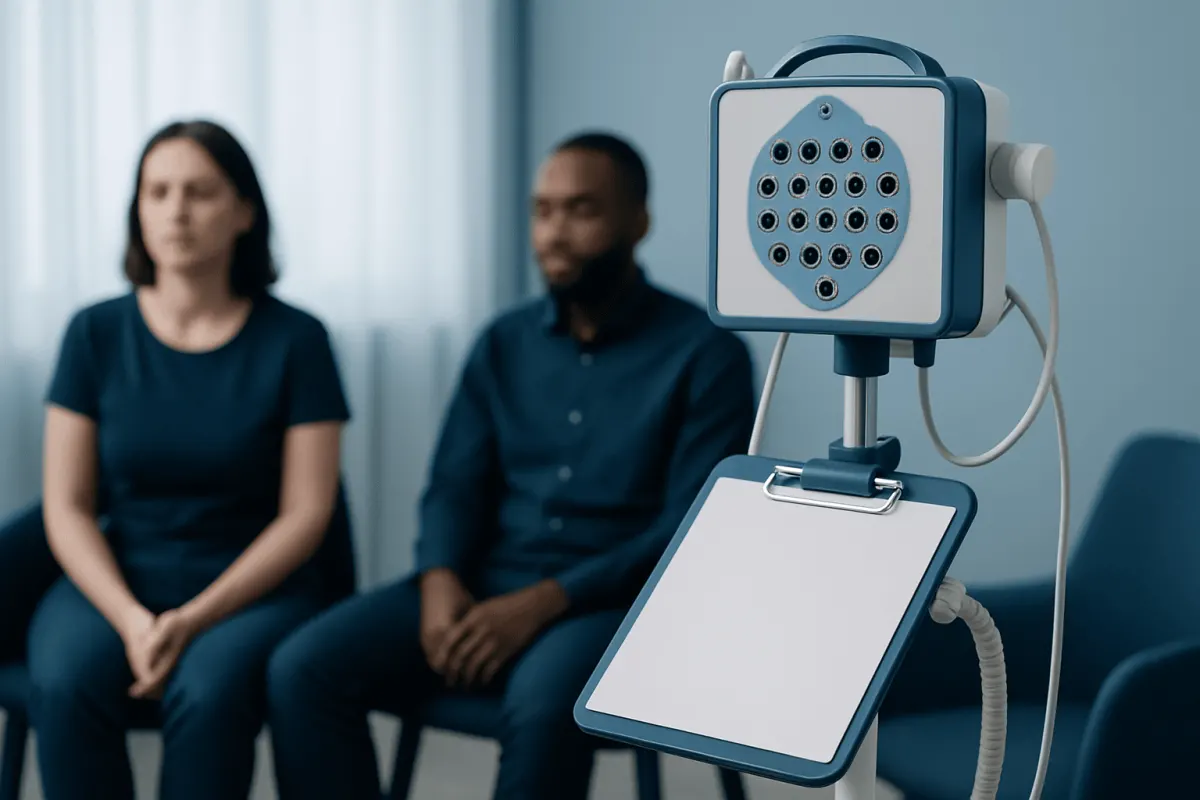
People seek a mental health assessment for many different reasons. Some notice changes in mood, such as persistent sadness, loss of interest, irritability, or emotional numbness. Others may struggle with anxiety, panic attacks, excessive worry, intrusive thoughts, or strong fears that interfere with daily life.
Behavior and thinking can also change. A person may have trouble concentrating, making decisions, remembering things, or completing usual tasks. Sleep problems, appetite changes, low energy, social withdrawal, or loss of motivation are also common reasons for evaluation. Some people seek care because family members, teachers, or colleagues notice changes before they do.
Certain symptoms need prompt professional attention, especially if they are severe, sudden, or worsening. These can include hearing or seeing things others do not, confused thinking, extreme mood changes, self-harm, or thoughts of suicide. Mental health symptoms can overlap with conditions such as depression or anxiety, so a careful assessment is important.
In children and adolescents, concerns may include changes in school performance, behavior outbursts, social difficulties, sleep problems, or developmental concerns. In older adults, memory changes, confusion, grief, isolation, or medical illness may play a larger role. The assessment is adjusted to the person’s age, life situation, and symptoms.
How a Mental Health Assessment Is Done

The assessment usually begins with a conversation about the person’s main concerns. The clinician may ask when symptoms started, how often they happen, what makes them better or worse, and how they affect everyday life. This includes work, school, relationships, self-care, and safety. The clinician will also ask whether the person has had similar symptoms in the past.
A full assessment often includes medical history, family history, current medications, alcohol or drug use, major life events, trauma history, and sleep patterns. Mental health and physical health are closely linked, so it is important to understand the whole picture. Sometimes symptoms that seem psychological may be influenced by a thyroid problem, chronic pain, medication side effects, or poor sleep.
Clinicians may also perform what is called a mental status examination. This is an organized way of observing appearance, speech, mood, thought patterns, attention, memory, insight, and judgment. It is not a pass-or-fail test. It simply helps describe how the person is functioning during the appointment.
When useful, the clinician may ask permission to gather information from a family member or caregiver, especially if memory, developmental, or safety concerns are present. The final diagnosis is based on the full pattern of symptoms and functioning, not on one answer or one moment in time.
Questions, Screening Tools, and Mental Health Tests
Many people wonder what kind of questions they will be asked. Most questions are straightforward and designed to understand daily experience. A clinician may ask about mood, worries, sleep, concentration, appetite, stress, energy, relationships, trauma, substance use, and whether there have been thoughts of self-harm or hopelessness. These questions can feel personal, but they are a routine and important part of safe care.
Screening questionnaires are often used to support the interview. These may measure symptoms of depression, anxiety, attention difficulties, trauma, eating disorders, substance use, or overall emotional distress. They help organize information and track changes over time, but they do not confirm a diagnosis on their own.
In some cases, more detailed psychological testing is recommended. This may include structured interviews, personality measures, cognitive testing, or learning assessments. These are especially helpful when symptoms are complex, when more than one condition may be present, or when there are questions about memory, attention, or developmental differences.
There is no standard blood test, brain scan, or genetic test that can diagnose most mental health conditions by itself. However, physical exams and laboratory tests may be used to rule out other causes or contributors. If a person is being evaluated for conditions such as bipolar disorder, the clinician may also ask in detail about mood swings, sleep need, energy, impulsivity, and family history.
Medical Tests and Differential Diagnosis
A key part of mental health diagnosis is ruling out other explanations for symptoms. For example, fatigue, low mood, and poor concentration may be linked to anemia, thyroid disease, vitamin deficiencies, chronic infections, medication effects, or sleep disorders. Anxiety symptoms may overlap with heart rhythm problems, stimulant use, or hormonal changes. That is why a mental health assessment may include a basic physical review.
Depending on the situation, a doctor may recommend blood tests, urine tests, or other medical evaluations. These are not used to prove a mental health diagnosis but to identify physical conditions that may be causing or worsening symptoms. If there are neurological concerns such as seizures, sudden personality change, severe confusion, or head injury, additional evaluation may be needed.
Diagnosis also involves what clinicians call differential diagnosis. This means comparing possible conditions that can look similar. For example, poor concentration may be related to anxiety, depression, trauma, sleep deprivation, ADHD, medication effects, or substance use. Mood changes may reflect depression, bipolar disorder, grief, or a medical problem.
This step matters because treatment depends on getting the diagnosis as accurate as possible. The same symptom can appear in different conditions, and some people may have more than one diagnosis at the same time. Careful assessment helps avoid oversimplifying complex experiences.
After Diagnosis: Treatment Planning and Follow-Up
Once the clinician has enough information, they will explain the diagnosis or discuss the most likely possibilities if symptoms are still evolving. In some cases, a diagnosis is clear at the first visit. In others, follow-up appointments are needed to watch symptoms over time. Mental health conditions can change, and treatment plans are often adjusted as more becomes known.
Treatment depends on the diagnosis, symptom severity, safety concerns, age, medical history, and personal preferences. Common approaches include talk therapy, lifestyle changes, stress management, family support, and medication when appropriate. Some people benefit most from a combination of treatments, such as psychotherapy together with regular medical follow-up.
If symptoms are significantly affecting daily life, a doctor may recommend a more structured level of care, such as closer psychiatric review or coordinated support. For some conditions, psychiatric care may include diagnosis review, medication planning, and monitoring of progress and side effects. Good treatment planning also includes discussing sleep, routine, alcohol or drug use, and practical supports at home, school, or work.
Near the end of the process, the person should have a chance to ask questions and understand the next steps. At Acıbadem Health Point, multidisciplinary specialists in JCI-accredited hospitals evaluate and treat mental health conditions for international patients, with care plans tailored to individual needs.
How to Prepare and When to Seek Help
Preparing for an appointment can make the assessment easier. It may help to write down current symptoms, when they began, any major stressors, medications or supplements, sleep patterns, and any questions for the clinician. If possible, bringing information about past treatment, previous diagnoses, or family history can also be useful.
People should seek professional help if symptoms last for weeks, keep returning, cause distress, or interfere with work, school, relationships, or daily activities. Early evaluation can be especially helpful when symptoms are changing quickly or beginning to affect safety. There is no need to wait until symptoms become severe.
Urgent help is important if there are thoughts of suicide, self-harm, harm to others, severe agitation, inability to care for basic needs, or sudden confusion. In these situations, contacting emergency services or going to the nearest emergency department is the safest step. Support from a trusted family member or friend can also help during urgent situations.
Even when symptoms are mild, reaching out can still be worthwhile. Mental health concerns are common, and asking for an assessment is a practical, informed step toward feeling better and understanding what support may help.
Frequently asked questions
01Is there a single test for mental health diagnosis?
No. Most mental health conditions are diagnosed through a clinical assessment that includes discussion of symptoms, history, daily functioning, and sometimes questionnaires. Medical tests may be used to rule out other causes, but they usually cannot confirm a mental health condition on their own.
02What questions are asked during a mental health assessment?
Questions often cover mood, anxiety, sleep, appetite, energy, concentration, stress, relationships, trauma, substance use, and safety concerns. The clinician may also ask how long symptoms have been present and how much they affect work, school, or home life.
03Can blood tests diagnose depression or anxiety?
Blood tests do not diagnose depression or anxiety directly. However, they may help identify physical conditions such as thyroid problems, anemia, or vitamin deficiencies that can contribute to similar symptoms.
04How long does a psychiatric evaluation take?
The length varies depending on the person’s symptoms and history. Some assessments can be done in one appointment, while others may need more time or follow-up visits to understand symptoms clearly and make an accurate diagnosis.
05Can someone have more than one mental health diagnosis?
Yes. It is possible to have more than one condition at the same time, such as anxiety with depression or substance use with another mental health disorder. A careful assessment helps clinicians understand how symptoms overlap and how to plan treatment safely.
06Should a person see a doctor even if symptoms seem mild?
Yes, especially if symptoms persist, return often, or begin to affect daily life. Early assessment can make it easier to understand what is happening and start support before problems become more disruptive.
This article is for general information only and is not a substitute for professional medical advice. Please consult a qualified doctor about your individual situation.
Explore treatments in Turkey — costs, top hospitals & a free quote
JCI-accredited · board-certified surgeons · reply within 24h
Add us as a Preferred Source to see more of our trusted health content across Google Search, AI Overviews and Discover.