How Many Eggs Does a Woman Have? Here Is What the Evidence Says
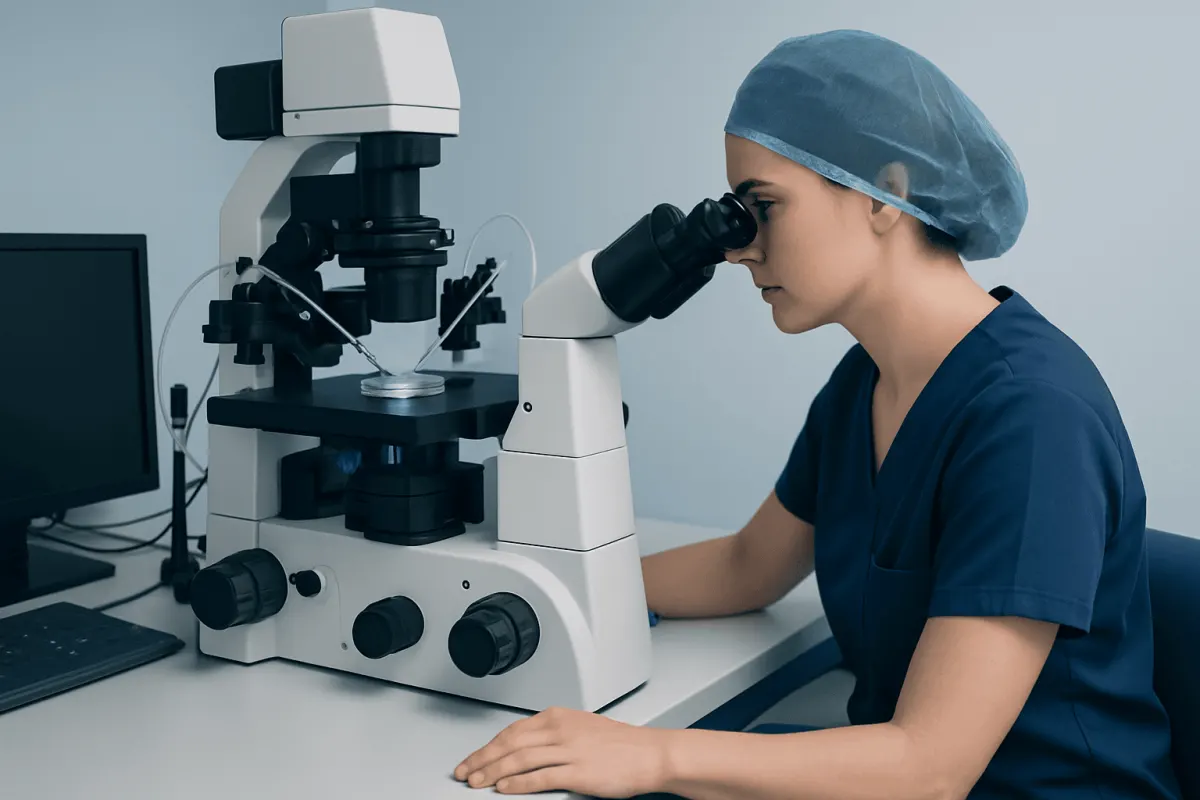
A woman is born with all the eggs she will ever have. The number starts at about 1 to 2 million at birth, falls to roughly 300,000 to 500,000 by puberty, and continues to decline naturally with age.
Overview: the short answer
For most women, this is a normal part of biology rather than a sign of illness. The evidence shows that females are born with all the immature eggs, called oocytes, they will have in life. There are usually about 1 to 2 million at birth, around 300,000 to 500,000 by puberty, and only a small fraction will ever mature enough to be released during ovulation.
Over time, the number of eggs falls naturally through a process called atresia, in which many immature eggs are lost even when a woman is not ovulating. By the late 30s and 40s, both the number of remaining eggs and their genetic quality tend to decline more quickly. This is why age is one of the most important factors in female fertility.
Knowing the approximate egg number can be helpful, but it does not tell the whole story. Fertility depends not only on how many eggs remain, but also on egg quality, ovulation, sperm health, the uterus and fallopian tubes, hormones, and general health. A person may have a lower ovarian reserve and still conceive, while someone with a normal reserve may still face fertility challenges.
How egg numbers change across life
Egg development begins before birth. During fetal life, the ovaries contain several million immature germ cells, but this number starts to decrease before birth. By the time a baby girl is born, the ovaries usually contain about 1 to 2 million oocytes.
The decline continues during childhood. At puberty, the ovaries generally contain about 300,000 to 500,000 eggs. During the reproductive years, only a few hundred eggs are typically ovulated across a lifetime. Most of the remaining eggs do not ovulate; instead, they are naturally reabsorbed by the body.
Age-related decline is gradual at first, then often becomes more noticeable in the mid-30s and beyond. This does not mean fertility ends suddenly at a certain birthday, but it does mean the chance of conception per cycle tends to become lower with time. At the same time, the risk of miscarriage and chromosomal differences also rises because egg quality changes with age.
Menopause happens when the ovaries no longer have enough responsive follicles to support regular ovulation and menstrual cycles. Even then, the ovaries may not be completely empty, but the remaining eggs are usually too few or less able to mature normally.
What affects ovarian reserve and egg quality

Age is the main factor that affects how many eggs remain and how well they function. However, ovarian reserve can vary widely from one woman to another. Two women of the same age may have very different test results and different fertility experiences.
Other factors can also affect egg number or ovarian function. These include a family history of early menopause, prior ovarian surgery, chemotherapy or radiation, certain genetic conditions, autoimmune disorders, endometriosis, and smoking. In some cases, reduced ovarian reserve happens without a clear reason.
It is also important to separate egg number from egg quality. Ovarian reserve tests estimate the quantity of remaining eggs, but they do not directly measure whether an individual egg can lead to a healthy pregnancy. Quality is more closely linked to age, although this relationship is not absolute.
Some conditions may influence fertility even when egg count is not the main issue. For example, irregular ovulation is common in polycystic ovary syndrome, while pelvic conditions such as endometriosis may affect the ovaries, tubes, or implantation environment.
Can a woman know how many eggs she has left?
There is no test that can count every egg in the ovaries. Instead, doctors estimate ovarian reserve using a combination of age, menstrual history, ultrasound findings, and hormone tests. These tools are useful, but they provide an estimate rather than an exact total.
One common blood test is anti-Mullerian hormone, or AMH. AMH is produced by small follicles in the ovaries, so it can give a general idea of ovarian reserve. A higher AMH often suggests a larger number of remaining follicles, while a lower AMH may suggest fewer. However, AMH alone does not predict natural conception perfectly and should not be interpreted in isolation.
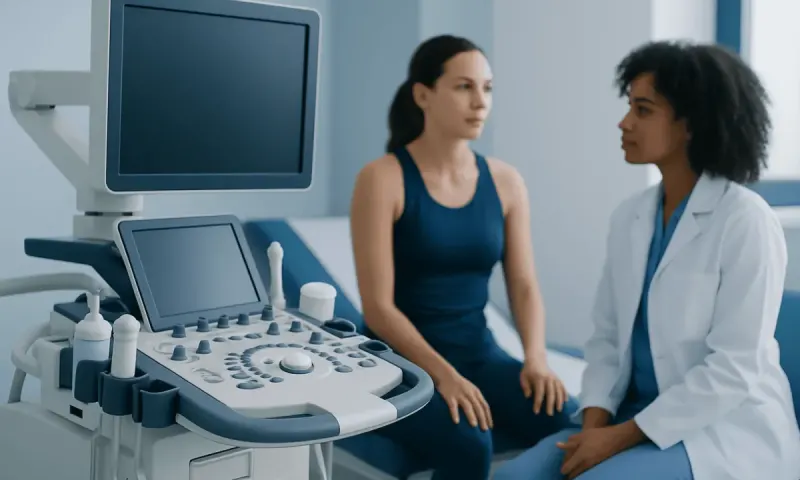
Another approach is an antral follicle count, done with pelvic ultrasound. This test counts the small resting follicles visible in the ovaries at the start of the menstrual cycle. Doctors may also consider follicle-stimulating hormone, or FSH, and estradiol levels, especially in the early follicular phase of the cycle.
Test results need careful interpretation. A low ovarian reserve does not always mean infertility, and a reassuring result does not guarantee pregnancy. The most meaningful assessment depends on the person’s age, symptoms, reproductive goals, and any related medical conditions.
Signs that may suggest a fertility or ovarian issue
Many women with declining egg numbers have no symptoms at all, especially in the early stages. This is one reason fertility discussions often focus on age and reproductive planning rather than waiting for symptoms to appear. In many cases, a question about egg count arises simply from curiosity, routine planning, or concern after hearing about age-related fertility changes.
Still, some signs can suggest that medical assessment would be helpful. These include menstrual cycles that are very irregular, periods that stop unexpectedly, difficulty becoming pregnant after months of trying, or symptoms of hormone changes such as hot flushes at a younger-than-expected age.
Other symptoms may point to a related condition rather than low egg number itself. Examples include very painful periods, chronic pelvic pain, severe acne or excess hair growth, pain during sex, or a history of pelvic infection or surgery. These can suggest problems that deserve evaluation because they may affect fertility in different ways.
- Irregular or absent periods
- Trouble conceiving
- Signs of early menopause
- Very painful periods or pelvic pain
- Past chemotherapy, radiation, or ovarian surgery
- Strong family history of early menopause
How doctors evaluate ovarian reserve and fertility
If someone is concerned about fertility or ovarian reserve, a doctor usually starts with a detailed medical history. This includes age, menstrual cycle pattern, past pregnancies, previous surgery, medications, smoking history, and any treatments such as chemotherapy. A family history of early menopause can also be relevant.
The next step often includes a physical examination, pelvic ultrasound, and selected blood tests. Ultrasound can look at the ovaries and count antral follicles, while blood tests such as AMH, FSH, estradiol, and sometimes thyroid or prolactin levels help build a broader picture. If pregnancy is the goal, evaluation may also include checking whether ovulation is happening regularly and whether the fallopian tubes and uterus appear normal.
Fertility is a couple-based issue, so a semen analysis may be recommended when appropriate. Doctors may also investigate conditions that can affect the ovaries or reproductive organs, such as endometriosis, ovarian cysts, or hormone disorders. In selected cases, people may be referred to specialists in IVF and fertility treatment for more detailed counseling.
The key point is that egg number is only one piece of the assessment. A careful, step-by-step evaluation helps identify what matters most for the individual rather than relying on a single test result.
What treatment or support may help
Treatment depends on the person’s age, symptoms, test results, and goals. Someone who is not trying to conceive may simply need reassurance and follow-up, while someone planning pregnancy may benefit from earlier evaluation and time-sensitive guidance. There is no proven way to create a large supply of new eggs in the ovaries, so management focuses on understanding reserve, supporting overall reproductive health, and choosing appropriate fertility options when needed.
If a related condition is found, treatment is directed at that problem. For example, hormone imbalance, thyroid disease, or ovulation disorders may be managed medically. Women with pelvic pain or suspected endometriosis may need targeted investigation and treatment. If ovarian cysts are present, doctors may evaluate whether ovarian cyst treatment is necessary based on symptoms, size, and imaging findings.
When pregnancy is desired and time is important, fertility treatment may be discussed. Options can include cycle tracking, ovulation support in selected cases, or assisted reproduction such as in vitro fertilization. For some women who are not ready to conceive but want to preserve future options, clinicians may discuss egg freezing if it is appropriate to their circumstances.
Near the end of the diagnostic journey, some patients benefit from care in centers with reproductive endocrinology, imaging, gynecology, and laboratory expertise working together. Acıbadem Health Point’s multidisciplinary specialists in JCI-accredited hospitals diagnose and treat fertility-related conditions for international patients when specialist evaluation is needed.
When to seek medical care
In many cases, asking how many eggs a woman has is part of normal planning and not an emergency. Still, medical review is sensible if periods become very irregular, stop for several months without pregnancy, or are accompanied by symptoms such as hot flushes at a young age. Evaluation is also helpful if there is concern after ovarian surgery, cancer treatment, or a strong family history of early menopause.
People who are trying to conceive should consider speaking with a doctor if pregnancy has not happened after 12 months of regular unprotected sex if under 35, or after 6 months if 35 or older. Earlier assessment may be appropriate for those with known ovulation problems, endometriosis, prior pelvic infection, or male-factor concerns.
Prompt care is also important for severe pelvic pain, sudden abdominal pain, heavy abnormal bleeding, or symptoms that interfere with daily life. These signs do not always relate to egg number, but they may point to a gynecologic problem that deserves timely attention.
Frequently asked questions
01Are women born with all the eggs they will ever have?
Yes. In routine human biology, females are born with a finite number of immature eggs and do not continuously make new ones throughout life. That number decreases naturally from before birth onward.
02How many eggs does a woman have at birth and at puberty?
At birth, the ovaries usually contain about 1 to 2 million eggs. By puberty, that number has already fallen to roughly 300,000 to 500,000.
03How many eggs are released during a lifetime?
Only a small proportion of eggs are ever ovulated. Across the reproductive years, usually only a few hundred eggs are released, while most of the rest are lost through natural atresia.
04Does a low egg count mean a woman cannot get pregnant?
Not necessarily. A lower ovarian reserve can reduce the chance of pregnancy, but it does not automatically mean pregnancy is impossible. Fertility also depends on age, egg quality, ovulation, sperm health, and the condition of the uterus and fallopian tubes.
05Can doctors count exactly how many eggs are left?
No test can give an exact total. Doctors estimate ovarian reserve using age, menstrual history, ultrasound findings such as antral follicle count, and blood tests like AMH and FSH.
06What is more important: egg number or egg quality?
Both matter, but they describe different things. Egg number reflects ovarian reserve, while egg quality relates more closely to the likelihood that an egg can develop into a healthy embryo. Age has a strong effect on quality.
07When should someone speak to a doctor about egg count or fertility?
It is reasonable to seek advice for irregular or absent periods, signs of early menopause, or difficulty conceiving. People aged 35 or older may benefit from earlier fertility evaluation if pregnancy has not happened after 6 months of trying, or sooner if they have known gynecologic or hormonal conditions.
This article is for general information only and is not a substitute for professional medical advice. Please consult a qualified doctor about your individual situation.
IVF & fertility treatment in Turkey — success rates and costs
JCI-accredited · board-certified surgeons · reply within 24h
Add us as a Preferred Source to see more of our trusted health content across Google Search, AI Overviews and Discover.