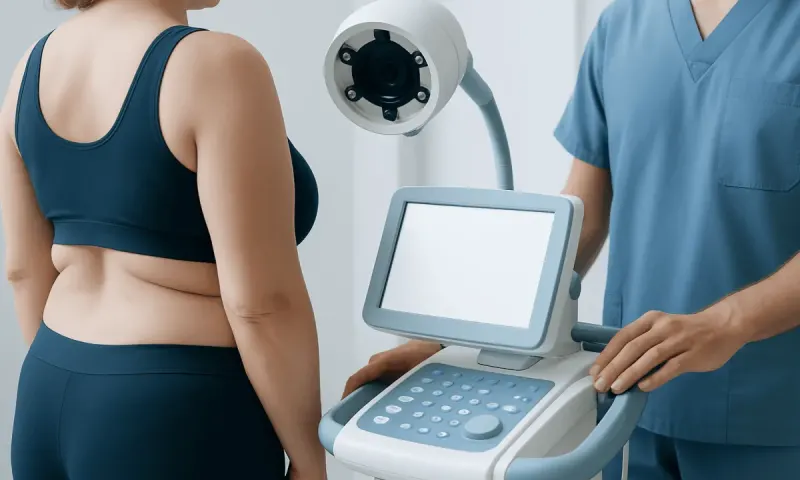
How Many Calories in a Pound? Causes, Explanations, and Next Steps

You’ve cut back on food, you’ve moved more, and yet the number on the scale barely budges — or it jumps two pounds overnight after a salty dinner. Frustrating, isn’t it?
A common rule of thumb is that one pound of body fat stores about 3,500 calories. In real life, however, body weight changes are influenced not only by calorie intake and activity, but also by fluid balance, muscle mass, hormones, medications, and underlying health conditions.
Overview: How Many Calories in a Pound?
For most people, the short answer is this: one pound of body fat is often estimated to equal about 3,500 calories. That long-used rule can help you understand weight change, plan nutrition goals, and make sense of calorie balance. As a starting point, it works well enough.
At the same time, the body is more complex than a calculator. Weight does not change in a perfectly straight line, and a pound on the scale is not always a pound of fat. Day-to-day changes may reflect water retention, digestion, muscle glycogen stores, bowel contents, or hormonal shifts rather than true fat gain or loss.
This is why two people can eat similar diets and still lose weight at different rates. Metabolism, body composition, age, physical activity, sleep, stress, and medical conditions all affect how the body uses and stores energy. So while 3,500 calories per pound is a useful estimate, it should be treated as a guide rather than an exact biological rule.
Most small swings in weight are harmless. But sudden, unexplained, or persistent changes deserve a closer look — especially alongside fatigue, swelling, appetite changes, digestive problems, or menstrual changes.
Why the 3,500-Calorie Rule Is Only Part of the Story

The idea behind the rule is that stored body fat contains a certain amount of energy, and reducing calorie intake or increasing activity can gradually reduce those stores. In broad terms, creating a calorie deficit tends to support weight loss, while consuming more energy than the body uses tends to support weight gain.
But the body adapts. As weight changes, energy needs also change. A person who loses weight may burn fewer calories at rest than before, and physical activity may feel easier and require less energy. Likewise, increased food intake can affect hormones and appetite regulation in ways that make weight gain more or less likely over time.
Not every pound lost is fat, especially early in a diet or after major changes in eating patterns. Lower carbohydrate intake, for example, can reduce water stored with glycogen, causing a quick drop on the scale. On the other hand, salty meals, hormonal changes, and some medications can increase water retention and cause weight gain without a true increase in body fat.
Body composition matters too. Muscle, fat, and fluid all add up to what the scale shows. If you start resistance training, you may gain muscle while losing fat, so your weight barely moves even though your health and body shape are improving.
What Can Make Weight Go Up or Down Besides Calories?

Calories are important, but they are not the only reason weight changes. Fluid shifts are one of the most common causes of fast fluctuations. Salt intake, dehydration, hot weather, menstruation, travel, inflammation, and certain medications can all influence how much water the body holds.
Hormones also play a major role. Thyroid disorders, insulin resistance, menopause, and other endocrine conditions can affect appetite, energy expenditure, and body composition. Sleep loss and chronic stress may increase hunger signals and make weight regulation harder over time. Conditions such as obesity are usually influenced by many interacting biological and lifestyle factors, not simple willpower alone.
Medications can contribute as well. Some antidepressants, steroids, diabetes medicines, and blood pressure treatments are associated with weight gain or fluid retention, while other medicines may reduce appetite or cause digestive side effects that lead to weight loss. A doctor can help review whether medication effects may be part of the picture.
Digestive and metabolic illnesses may also lead to unexpected changes. Examples include thyroid disease, poorly controlled diabetes, digestive disorders that reduce nutrient absorption, and some cancers. If a person has major weight loss or gain without an obvious reason, a medical assessment is often the safest next step.
How to Use Calorie Estimates in a Practical Way
For someone trying to lose or gain weight, the 3,500-calorie estimate can still be useful when used gently and realistically. Rather than focusing on one pound at a time, it may help to think in terms of consistent habits over weeks and months. Small daily changes in food choices and movement often matter more than extreme short-term plans.
A moderate calorie deficit is commonly easier to maintain than a severe one. Pairing balanced meals with regular physical activity, strength training, good sleep, and stress management usually supports better long-term results than calorie counting alone. Nutrition quality matters because protein, fiber, and minimally processed foods can improve fullness and preserve muscle during weight loss.
People who are concerned about significant overweight or obesity may benefit from professional support. In some cases, structured nutrition therapy, medical treatment, or bariatric surgery may be considered when lifestyle measures alone have not been enough and when health risks are high.
It is also helpful to track more than just scale weight. Waist circumference, how clothes fit, strength, stamina, blood pressure, blood sugar, and cholesterol can all reflect meaningful health improvement, even when the scale moves slowly.
When Weight Change May Need Medical Attention
Most short-term weight changes are not dangerous. A pound or two up or down over a few days is often related to fluids, bowel habits, or changes in routine. Even so, there are situations where weight change should not be ignored.
Medical review is more important if weight loss is unintentional, rapid, or accompanied by symptoms. Concerning signs can include unusual fatigue, fevers, night sweats, vomiting, diarrhea, trouble swallowing, ongoing abdominal pain, swelling in the legs, shortness of breath, increased thirst, frequent urination, or marked changes in appetite.
Weight gain can also merit evaluation, especially if it happens quickly or comes with swelling, bloating, breathlessness, menstrual changes, or signs of hormonal imbalance. Sudden fluid-related weight gain may point to heart, kidney, liver, or endocrine problems rather than excess body fat.
People with known conditions such as diabetes, thyroid disease, eating disorders, or digestive illness should be especially cautious about unexplained changes. If weight shifts are persistent or difficult to explain, a clinician can look for causes such as thyroid-related disease or other metabolic concerns, depending on the overall symptoms and examination.
How Doctors Evaluate Unexplained Weight Gain or Weight Loss
When a person seeks care for unexplained weight change, the first step is usually a detailed history. A doctor may ask about appetite, diet, activity level, bowel habits, sleep, stress, medications, menstrual history, alcohol intake, and any symptoms such as pain, swelling, palpitations, or digestive problems. This conversation often gives important clues.
A physical examination may assess body composition, hydration, blood pressure, pulse, thyroid size, abdominal findings, swelling, and signs of hormonal or nutritional problems. The clinician may also review how quickly the weight changed and whether the change was intentional.
Which tests you need depends on your situation. Blood tests may check thyroid function, blood sugar, blood count, liver and kidney function, inflammatory markers, and nutritional status. In some cases, imaging or endoscopic tests are needed if symptoms suggest a digestive, endocrine, or other internal problem. If digestive causes are suspected, a doctor may recommend endoscopy or colonoscopy as part of the evaluation.
The goal is not only to explain the number on the scale, but to understand the person’s overall health. This helps separate ordinary weight fluctuation from a medical problem that needs treatment, and it guides a plan that is safe and realistic.
Treatment, Prevention, and Next Steps
The right next step depends on the cause. If the issue is mainly lifestyle-related, treatment often focuses on sustainable nutrition, regular exercise, strength training, sleep improvement, and behavior support. If a medication or health condition is contributing, addressing that factor may be more important than calorie targets alone.
For people trying to lose weight, crash diets are rarely helpful in the long run. They can increase fatigue, reduce muscle mass, and lead to rebound weight gain. A balanced plan usually works better: regular meals, enough protein, fiber-rich foods, hydration, and physical activity that can be continued over time.
For unexplained weight loss, treatment is directed at the underlying cause. This may involve managing thyroid disease, diabetes, digestive disorders, infection, mental health concerns, or another condition identified during evaluation. If swallowing problems, nausea, or poor appetite are involved, tailored medical and nutrition support can help protect strength and nutritional status.
Some people do best with a team around them — internal medicine, endocrinology, nutrition, gastroenterology, and surgery when appropriate. At Acıbadem Health Point, our specialists and JCI-accredited hospitals evaluate and treat weight-related and metabolic conditions for international patients.
Frequently asked questions
01Is 3,500 calories always equal to one pound of weight loss?
Not exactly. It’s a useful estimate for body fat, but real weight loss also depends on metabolism, water balance, muscle mass, and hormonal changes. That’s why the scale rarely moves in a predictable line.
02Can someone gain a pound overnight from eating too much?
A rapid overnight increase on the scale is often due to water retention, digestion, or salt intake rather than a full pound of body fat. True fat gain usually develops over time with a sustained calorie surplus. Temporary fluctuations are very common.
03Why does weight loss slow down after the first few weeks?
Early weight loss often includes water as well as fat. As the body adapts, calorie needs may decrease, and progress may become slower and less linear. This does not always mean the plan is failing.
04Does exercise change how the calorie-per-pound rule works?
Exercise affects energy balance, but it also supports muscle preservation, fitness, and metabolic health. Because the body adapts to activity and because appetite may change, results can vary from person to person. Exercise remains an important part of healthy weight management.
05When should unexplained weight loss be checked by a doctor?
A doctor should be consulted if weight loss is unintentional, persistent, rapid, or associated with symptoms such as fatigue, digestive problems, fever, swelling, or increased thirst. These features can suggest an underlying condition that needs evaluation. Early assessment is especially important for older adults and people with chronic illness.
06What is more helpful than watching the scale alone?
Looking at overall health markers is often more useful than focusing only on body weight. Waist size, strength, stamina, blood pressure, blood sugar, sleep, and daily function can all show progress. This broader view is especially helpful when body composition is changing.
This article is for general information only and is not a substitute for professional medical advice. Please consult a qualified doctor about your individual situation.
Medical weight-loss options in Turkey — costs & eligibility
JCI-accredited · board-certified surgeons · reply within 24h
Add us as a Preferred Source to see more of our trusted health content across Google Search, AI Overviews and Discover.