How Long Is the Heal Time for a Vasectomy?
The heal time for vasectomy is usually short: most people rest for one or two days, return to lighter routines within a few days, and avoid strenuous activity for about a week. Vasectomy is not immediately effective, so another form of contraception is needed until a follow-up semen test confirms that sperm have cleared.
Heal Time for Vasectomy: The Short Answer
For most people, the heal time for vasectomy includes one to two days of relative rest, about a week before returning to strenuous exercise or sex, and several weeks for any remaining tenderness to fully settle. Vasectomy does not provide immediate contraception, so another birth control method should be used until a semen test—often performed around three months after the procedure—confirms that sperm have cleared.
A vasectomy is a minor outpatient procedure used for permanent contraception. It prevents sperm from joining semen by interrupting the vas deferens, the two tubes that carry sperm from the testicles toward the urethra. The body continues to make sperm after surgery, but the sperm are naturally broken down and absorbed.
Recovery varies with the surgical technique, a person’s general health, their work and activity levels, and how closely aftercare guidance is followed. Most healing is uncomplicated, and a urologist can give individual advice about returning to work, sports, sexual activity, and travel.
How Vasectomy Works and Who It May Suit
During vasectomy, each vas deferens is cut, sealed, tied, or otherwise blocked. This stops sperm from being present in future ejaculations after the remaining sperm have cleared from the reproductive tract. Semen still contains fluid from the prostate and seminal vesicles, so its appearance and volume usually change very little.
Vasectomy may suit adults who are certain that they do not want to father children in the future or do not want additional children. It should be viewed as permanent contraception. Reversal surgery may sometimes be possible, but it is more complex, can be costly, and cannot guarantee the return of fertility.
A consultation gives the person time to consider other contraceptive options, discuss the decision with a partner if they wish, and review their health history. Active skin or urinary infections, bleeding disorders, scrotal concerns, and medicines that affect bleeding may require additional planning or temporary postponement of the procedure.
What Happens During the Vasectomy Procedure

Before the procedure, the clinician reviews consent, medical history, allergies, and current medicines. The patient may be asked to arrange transportation home, wear supportive underwear, and follow specific instructions about food, shaving, bathing, or medicines. Instructions can differ between clinics, so the treating team’s advice should take priority.
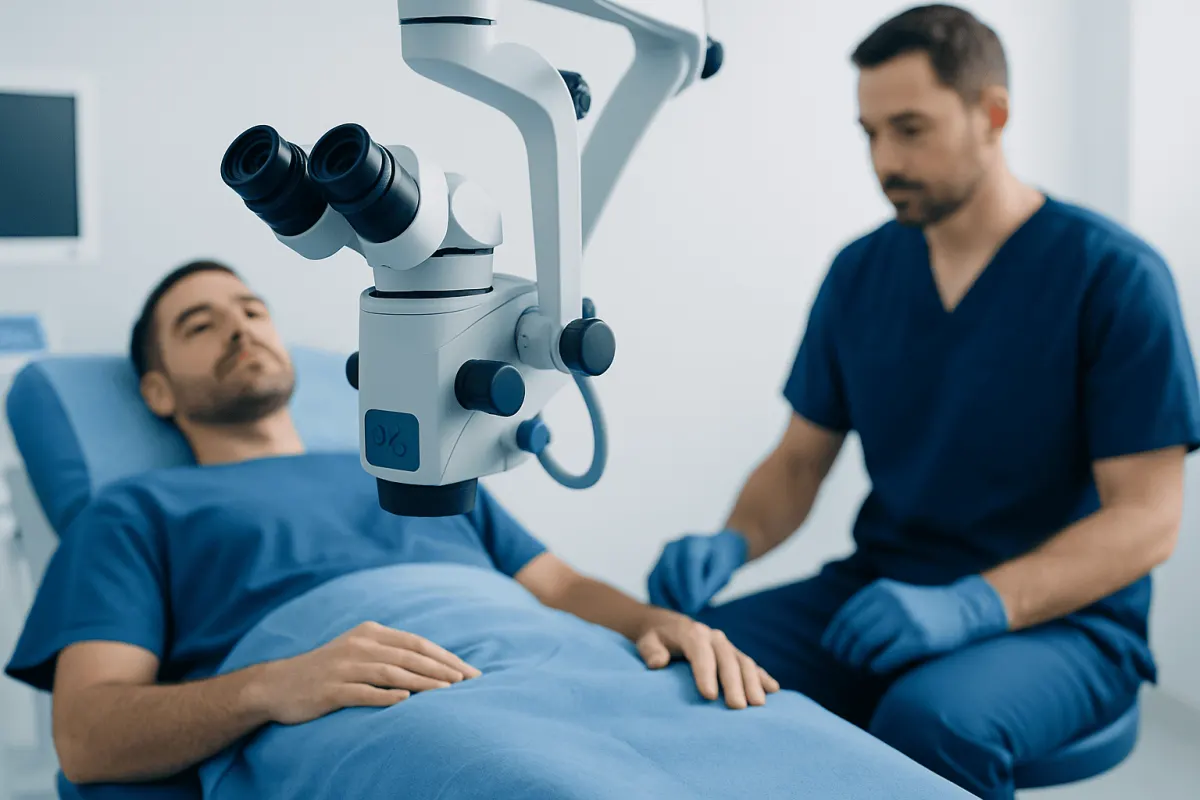
Vasectomy is commonly performed with local anesthetic while the patient is awake. Once the area is numb, the clinician accesses the vas deferens through one or two small openings in the scrotal skin; a no-scalpel technique uses a tiny puncture rather than a standard incision. Each tube is then divided and sealed or blocked before the skin opening is closed or allowed to heal.
The procedure itself often takes less than an hour, including preparation and recovery time. After a brief observation period, most people return home the same day. It is normal to have a small dressing, mild numbness from the anesthetic, and instructions for using cold packs and scrotal support during the first day or two.
Recovery Timeline: Rest, Pain, and Activity
How many days should I rest after a vasectomy?
Most people should plan one to two days of quiet rest, with time off work depending on the physical demands of their job. Desk-based work may be possible after a few days if discomfort is controlled, while heavy lifting, cycling, running, gym workouts, and physically demanding work are usually avoided for about a week or as advised by the surgeon. Mild bruising or tenderness can last longer without meaning that recovery is abnormal.
How painful is a vasectomy on a scale of 1 to 10?
There is no single pain score that applies to everyone. The local anesthetic may cause a brief sting, and many people mainly feel pressure or pulling during the procedure; afterward, discomfort is often mild and may be thought of as around 2–4 out of 10. Some people experience more soreness, particularly during the first few days, so pain that is severe, worsening, or not improving should be discussed with a clinician.
Why wait 3 months after a vasectomy?
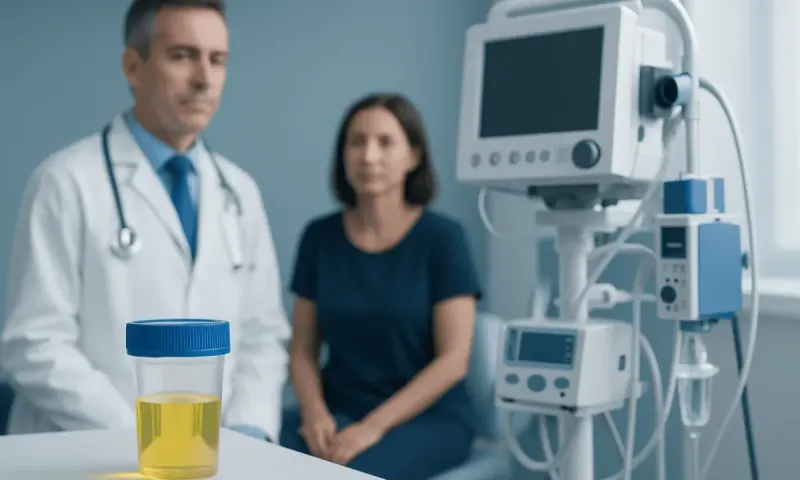
The three-month period is not because the surgical wounds need three months to heal. Sperm can remain beyond the blocked tubes for weeks after surgery, so pregnancy is still possible until these sperm have cleared. A follow-up semen analysis, scheduled according to the clinician’s protocol, confirms whether it is safe to stop using another form of contraception.
Can I walk around 2 days after a vasectomy?
Yes, gentle walking around the home or short, comfortable walks are usually appropriate two days after a vasectomy. Movement should be gradual and should not increase swelling or pain. Long walks, strenuous exercise, heavy lifting, and activities that cause scrotal jarring should wait until the person feels comfortable and has followed the surgeon’s return-to-activity guidance.
Results, Semen Testing, and Ongoing Contraception
Vasectomy should be considered effective only after a semen analysis shows that sperm are absent or at a level the treating clinician considers safe. Testing is commonly arranged several weeks to a few months after surgery, often around the three-month point. The timing and number of samples required can vary between healthcare systems and individual circumstances.
Until written or direct confirmation is received from the clinician, the person and their partner should continue using condoms or another reliable contraceptive method. Unprotected sex before clearance may result in pregnancy, even when the incision has healed and the person feels fully recovered.
Once semen clearance has been confirmed, vasectomy is a highly reliable form of permanent contraception. However, no method is completely without a possibility of failure, including rare reconnection of the vas deferens. Vasectomy also does not prevent sexually transmitted infections, so condoms remain important when STI protection is needed.
Benefits and Possible Risks
A key benefit of vasectomy is that it offers long-term contraception without requiring regular medication, devices, or repeated action at the time of sex. It does not lower testosterone or change masculine characteristics, erections, orgasms, or sexual desire. For many people, it can reduce concerns about unintended pregnancy once follow-up testing confirms success.
Short-term effects such as bruising, swelling, minor bleeding, and aching are relatively common and generally improve with rest and appropriate aftercare. A small lump caused by leaked sperm, called a sperm granuloma, or temporary pressure around the epididymis may also occur. These issues are often manageable, but persistent symptoms should be assessed.
Less common complications include infection, a collection of blood in the scrotum called a hematoma, ongoing scrotal pain, or failure due to the tubes reconnecting. Persistent pain that affects daily life is uncommon but deserves careful medical evaluation. Discussing personal risks, previous scrotal surgery, and any concerns about future fertility before the procedure supports an informed decision.
Aftercare That Supports Healing
During the first 24 to 48 hours, rest, supportive underwear, and a cold pack wrapped in cloth can help limit discomfort and swelling. Cold packs should be used in short intervals rather than directly on the skin. A clinician may recommend suitable pain relief based on the person’s health conditions, allergies, and other medicines.
The wound should be kept clean and dry according to the post-procedure instructions. Showering is often allowed after a short period, but soaking in a bath, swimming pool, or hot tub may need to wait until the skin has healed. Loose, comfortable clothing and avoiding friction or pressure can make the early recovery period easier.
Sexual activity and ejaculation are usually postponed for about a week, or until the person is comfortable and the clinician says it is appropriate. Resuming activity too quickly may increase discomfort or swelling. Even after sex can safely resume, another contraceptive method remains necessary until semen testing confirms clearance.
When to Seek Medical Care
Some soreness, mild bruising, and small amounts of swelling are expected after vasectomy and should gradually improve. A person should contact the treating clinic if pain or swelling is getting worse rather than better, if symptoms interfere with normal recovery, or if there are questions about medicines, activity, or wound care.
Prompt medical advice is important for fever, increasing redness or warmth around the wound, pus-like drainage, persistent bleeding, a rapidly enlarging scrotum, severe pain, or a large tender lump. These symptoms do not always mean a serious problem, but early assessment can identify infection, bleeding, or another issue that may need treatment.
For international patients, Acıbadem Health Point’s multidisciplinary specialists at JCI-accredited hospitals can provide urology assessment, vasectomy care, and follow-up planning. Any urgent symptoms after returning home should be assessed locally without delay, with the treating team informed when possible.
Frequently asked questions
01Does a vasectomy affect testosterone or erections?
No. Vasectomy blocks sperm transport and does not remove the testicles or alter testosterone production. It should not affect erections, orgasm, libido, or masculine characteristics.
02Is a no-scalpel vasectomy different from a conventional vasectomy?
Both methods work by blocking the vas deferens. A no-scalpel approach uses a small puncture to access the tubes rather than one or more standard incisions, but the best option depends on the clinician’s training and the individual’s anatomy.
03When can a person have sex after a vasectomy?
Many clinicians advise waiting about a week, or until soreness and swelling have settled. The person should follow their surgeon’s specific advice and use another contraceptive method until a semen test confirms clearance.
04Can a vasectomy be reversed?
A microsurgical reversal may be possible in some cases, but it is not guaranteed to restore fertility. The chance of success can depend on factors such as the time since vasectomy, the surgical technique used, and the partner’s fertility factors.
05Will semen look different after a vasectomy?
Semen usually looks and feels much the same because sperm make up only a small portion of ejaculate. The procedure stops sperm from entering semen after clearance, but it does not stop ejaculation.
06What happens if sperm are still seen on the follow-up semen test?
This can happen because sperm may take longer to clear from the reproductive tract. The clinician will advise continued contraception and may arrange another sample or further evaluation before confirming that the vasectomy is effective.
This article is for general information only and is not a substitute for professional medical advice. Please consult a qualified doctor about your individual situation.
IVF & fertility treatment in Turkey — success rates and costs
JCI-accredited · board-certified surgeons · reply within 24h
Add us as a Preferred Source to see more of our trusted health content across Google Search, AI Overviews and Discover.