How Long Is TB Testing Good For After a Negative Result?
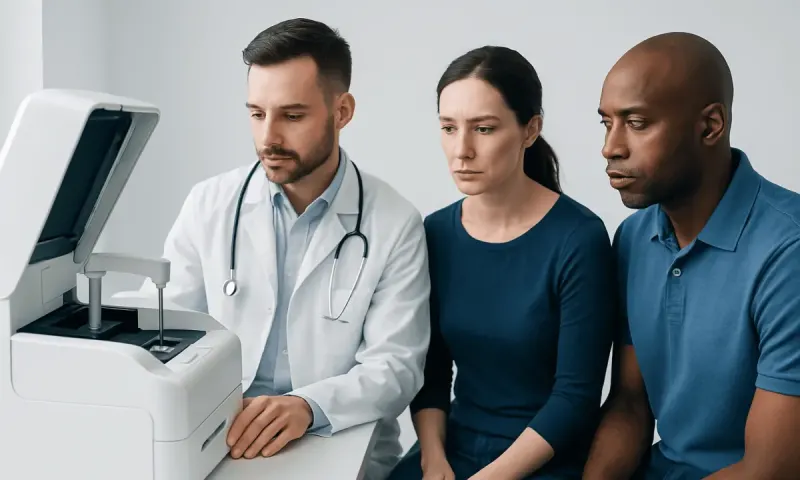
How long is TB testing good for? A negative TB test does not have one universal expiry date: it shows whether there was evidence of TB infection when the test was performed, and repeat testing is usually needed only after a new exposure, changing risk, or when an employer, school, travel program, or health authority requires it. Most people with a negative result and no new risk factors do not need frequent routine retesting.
How long is TB testing good for?
How long is TB testing good for? A negative tuberculosis (TB) test is best understood as a result that reflects a person’s status at the time of testing. It does not automatically expire after a fixed number of months or years, but it may need to be repeated if there is a new exposure to TB, a change in personal risk, symptoms suggesting TB disease, or a requirement from a workplace, school, immigration authority, or local public health program.
For most people with no known exposure and no ongoing risk factors, repeat testing is not routinely needed. A previous negative result is reassuring, but it cannot rule out an infection acquired afterward. Testing policies vary by country, setting, and individual circumstances, so a clinician can help determine whether an older result is still appropriate for a specific purpose.
A positive result also does not have a simple “validity period.” It should remain documented in the medical record because repeating a test after a prior positive result is usually not useful. Instead, clinicians assess whether the person has inactive TB infection or active TB disease and decide whether imaging, sputum testing, monitoring, or treatment is appropriate.
Why TB test timing matters
TB is caused by the bacterium Mycobacterium tuberculosis. It most often affects the lungs and spreads through the air when someone with untreated infectious pulmonary TB coughs, speaks, sings, or breathes. Casual brief contact usually carries a low risk, and many people who are tested after a concern will have a negative result.
After exposure, the immune system may take time to develop a detectable response. A TB skin test or TB blood test can therefore be negative soon after infection. When a person has had close contact with someone with infectious TB, testing is often performed promptly to establish a baseline and repeated about 8 to 10 weeks after the last exposure if the first test is negative. This interval allows time for infection to become detectable.
Some people have ongoing occupational or environmental exposure risk, such as certain healthcare workers, laboratory workers, people working in congregate settings, or people who spend significant time in areas where TB is more common. Their testing schedule should follow local public health guidance and an individualized risk assessment rather than a single universal timetable.
TB skin tests and TB blood tests

Two main tests identify TB infection. The tuberculin skin test, also called the Mantoux test, involves injecting a small amount of testing material just beneath the skin of the forearm. A trained healthcare professional measures the raised area 48 to 72 hours later. The result depends on the size of the reaction and the person’s individual risk factors.
TB blood tests, often called interferon-gamma release assays (IGRAs), measure the immune system’s response to TB proteins using a blood sample. They usually require one visit and do not require a return appointment for interpretation. Blood tests are often particularly helpful for people who previously received the BCG vaccine, because BCG can sometimes affect skin-test interpretation.
Neither test alone can distinguish inactive TB infection from active TB disease. A positive result means that medical assessment is needed. Depending on symptoms and circumstances, the next steps may include a clinical examination, chest imaging, and testing of sputum or other samples to look for active disease. For more information about the condition, see tuberculosis.
- Negative result: no evidence of TB infection was detected at that time, though testing may need repeating after recent exposure.
- Positive result: TB infection is possible and should be evaluated further; it does not by itself confirm active, contagious TB disease.
- Indeterminate or invalid blood test: may need to be repeated or interpreted alongside the person’s clinical situation.
When repeat TB testing may be needed
Repeat TB testing is most relevant after a meaningful exposure. This usually means spending time in close, prolonged, or shared indoor contact with a person known or suspected to have infectious TB of the lungs or throat. A doctor or public health team can clarify whether a particular contact represents a significant exposure and whether immediate testing, follow-up testing, or both are needed.
People who develop symptoms compatible with TB should be assessed even if they had a previous negative test. In this setting, the priority is not simply repeating a screening test. A clinician may arrange chest imaging and microbiological testing, because active TB disease requires a different diagnostic approach from screening for inactive infection.
Repeat testing may also be requested by an employer, educational institution, healthcare facility, or immigration process. Such rules are administrative and may not always reflect a medical need for annual testing. People with a documented prior positive test generally should not have repeat skin or blood tests; instead, the relevant organization may request symptom screening and evidence of prior medical evaluation.
Those with conditions or medicines that weaken the immune system may need tailored advice. Immune suppression can raise the risk that inactive TB infection develops into active disease and can sometimes affect test accuracy. A healthcare professional can advise on the most appropriate testing method and timing.
Understanding a positive TB test
A positive skin or blood test often identifies inactive TB infection, sometimes called latent TB infection. Inactive infection means TB bacteria are present in the body but are not causing illness and cannot be spread to others. Many people with inactive infection feel completely well, and treatment can reduce the chance of future active TB disease.
To exclude active TB disease, clinicians ask about symptoms, review possible exposure and travel history, perform an examination, and commonly order a chest X-ray. If there are symptoms or imaging findings that could indicate pulmonary TB, sputum samples may be tested for TB bacteria. These steps help ensure that treatment is matched to the correct diagnosis.
When inactive infection is confirmed, a clinician may discuss tuberculosis treatment options. The best approach depends on age, medical history, pregnancy status, other medicines, the likelihood of drug-resistant TB exposure, and local treatment guidance. Treatment should be prescribed and monitored by qualified professionals.
When to seek medical care
Most people who have a past negative TB test and no new exposure do not need urgent care. However, medical review is important after close contact with a person who has infectious TB, particularly if the contact occurred recently or repeatedly. A clinician or local public health service can advise on the appropriate testing window and whether a repeat test is needed.
Prompt assessment is also advised for a cough lasting several weeks, chest pain, coughing up blood or blood-stained mucus, fever, drenching night sweats, unexplained weight loss, marked tiredness, or reduced appetite. These symptoms can have many causes and do not necessarily mean TB, but they should not be ignored, especially in someone with possible exposure or other risk factors.
People with weakened immune systems, including those taking immune-suppressing medicines or living with certain medical conditions, should contact a clinician sooner after a possible exposure. Children and people who are pregnant should also receive individualized advice. If severe breathing difficulty, significant bleeding when coughing, confusion, or rapidly worsening illness occurs, urgent medical care is needed.
Practical steps for records, prevention, and follow-up
Keeping a copy of TB test results can be helpful for work, study, travel, and future medical care. The record should include the type of test, date, result, and any follow-up evaluation. For a skin test, the measurement in millimeters is more informative than a simple statement that it was positive or negative.
There is no reliable home method to prevent all TB exposure. Risk can be reduced by following public health advice after a known contact, completing any recommended evaluation, and taking prescribed treatment for inactive or active TB as directed. People being treated for active TB should follow their clinical team’s guidance about medicines, appointments, and precautions to protect others.
For international patients, Acıbadem Health Point’s multidisciplinary specialists and JCI-accredited hospitals can assess TB testing results and arrange appropriate diagnostic evaluation and treatment planning. Care should always be guided by a qualified doctor and coordinated with relevant local public health services when required.
Frequently asked questions
01Does a TB test expire after one year?
There is no universal one-year expiry date for a TB test. A negative result reflects the person’s infection status when tested, and repeat testing is usually based on new exposure, symptoms, changing risk, or requirements from a workplace or institution.
02How soon after TB exposure should a person get tested?
A clinician may recommend testing promptly after a significant exposure to establish a baseline. If that first result is negative, repeat testing is commonly advised 8 to 10 weeks after the last exposure because the immune response can take time to become detectable.
03Can a negative TB test become positive later?
Yes. A test can become positive if infection occurs after the original test, or if the first test was done too soon after an exposure for the immune response to be detected. This is why follow-up testing may be recommended after recent close contact.
04Should someone repeat a TB test after a positive result?
Usually, no. Once a person has a documented positive TB skin test or TB blood test, repeating the same screening test generally adds little information. A clinician instead evaluates for active TB disease and discusses whether treatment for inactive TB infection is appropriate.
05Is a TB blood test more accurate than a skin test?
Both tests can be useful, but they have different advantages. TB blood tests are often preferred for people who received BCG vaccination and for those unlikely to return within 48 to 72 hours for skin-test reading; the best choice depends on the individual situation and local guidance.
06Can TB testing diagnose active tuberculosis?
A skin test or blood test can indicate TB infection, but it cannot confirm active TB disease on its own. If active TB is possible, doctors use symptoms, examination, chest imaging, and laboratory tests on sputum or other samples to make the diagnosis.
This article is for general information only and is not a substitute for professional medical advice. Please consult a qualified doctor about your individual situation.
Explore treatments in Turkey — costs, top hospitals & a free quote
JCI-accredited · board-certified surgeons · reply within 24h
Add us as a Preferred Source to see more of our trusted health content across Google Search, AI Overviews and Discover.