How Long Does Pneumonia Last? Timeline and Relief

Key Takeaways
- Fever and the worst symptoms often ease within the first few days to a week of appropriate treatment, while full recovery commonly takes four to six weeks.
- Cough and fatigue are usually the last symptoms to fade and can linger for weeks without meaning something is wrong.
- Age, overall health, lung conditions, and the cause of the infection all influence recovery time.
- Symptoms that worsen after an initial improvement, breathing difficulty, chest pain, or confusion need prompt medical attention.
- Rest, fluids, prescribed medication taken to completion, and gradual return to activity support recovery.
- A follow-up appointment helps confirm the lungs are clearing and that no further evaluation is needed.
Most people with mild pneumonia begin feeling better within one to two weeks of starting treatment, but tiredness and a dry cough can persist for a month or more. This guide explains a typical recovery timeline, what helps, and which signs mean it is time to call a doctor.
How Long Does Pneumonia Last? A Realistic Answer
How long does pneumonia last is one of the most common questions people ask after a diagnosis, and the honest answer is that it varies. For an otherwise healthy adult with mild, community-acquired pneumonia treated at home, the sharpest symptoms — high fever, chills, and severe chest discomfort — typically start to settle within the first three to seven days. Feeling noticeably better within one to two weeks is a reasonable expectation, but feeling entirely back to normal usually takes longer.
Recovery happens in layers. The infection itself is often controlled first; then the inflamed lung tissue needs time to heal; and finally, overall stamina returns. This is why many people find that they can go back to light daily activities before they can manage a full workday, exercise, or travel. A lingering dry cough and easy tiredness for four to six weeks after the acute illness is common and, on its own, is not usually a sign that treatment failed.
Some situations take longer. Pneumonia in older adults, in people with chronic heart or lung disease, in those with weakened immune systems, or in anyone who required hospital care can involve a recovery period of two to three months before energy levels feel normal. Because every case differs, any timeline offered here is general guidance rather than a prediction — the treating physician is the right person to estimate a personal recovery arc.
A Typical Recovery Timeline, Week by Week
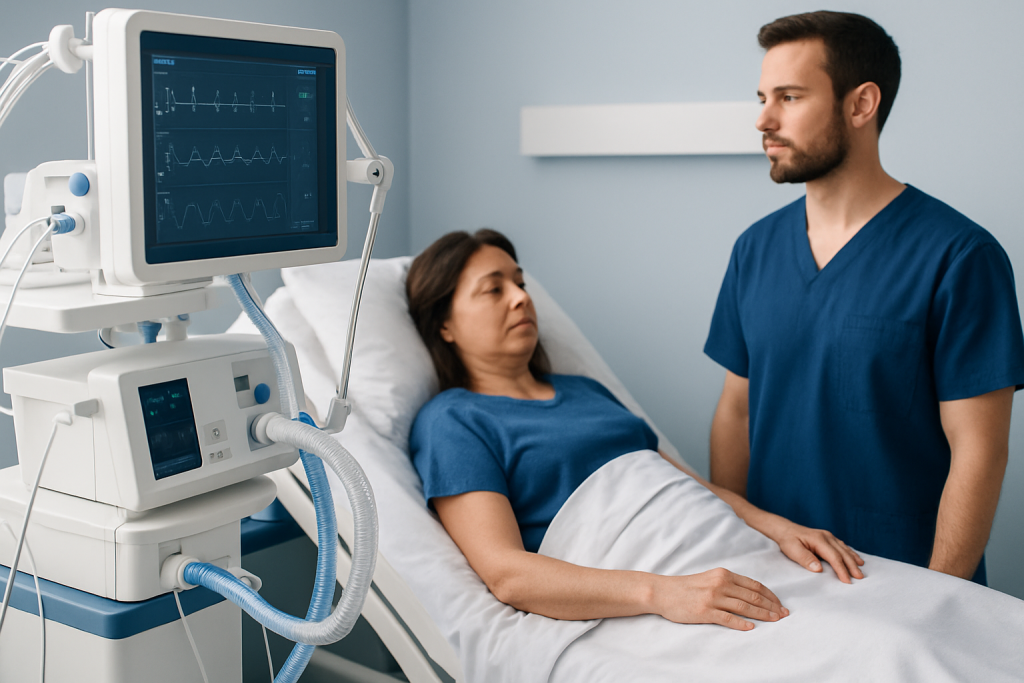
Thinking about recovery in stages can make the process feel less uncertain. The following pattern reflects a common course for uncomplicated pneumonia treated appropriately, and individual experiences will differ.
- Days 1–3: Fever begins to come down and chills ease. Cough, chest soreness, and profound tiredness are still prominent. Rest and fluids matter most during this window.
- Week 1: Fever usually resolves. Appetite may start returning. Breathing feels easier at rest, though activity still triggers breathlessness.
- Week 2–3: Chest discomfort and mucus production typically decrease. Many people manage light household tasks or a partial return to desk work, with rest breaks.
- Week 4: The cough is often much lighter but may persist, especially at night or in cold air. Energy is improving but not yet baseline.
- Weeks 6–8 and beyond: Most people feel close to their usual selves. Older adults and those who were hospitalized may still be rebuilding stamina at three months.
Chest imaging can lag behind how a person feels. Shadowing on a chest X-ray may take several weeks to clear even when symptoms have improved, which is why physicians often base decisions on the clinical picture rather than the image alone.
What Affects How Long Recovery Takes

Several factors shape the pace of healing. The organism responsible matters: bacterial pneumonia often responds within days once the right antibiotic is started, while viral pneumonia follows the course of the virus and does not improve with antibiotics. Some atypical infections produce a milder but more drawn-out illness with a cough that lingers for weeks.
Personal health is just as important. Age over 65, smoking, chronic obstructive pulmonary disease, asthma, heart failure, diabetes, kidney disease, and immune suppression all slow recovery and raise the chance of complications. Nutrition and hydration play a quiet but real role, since the body needs protein and fluids to repair tissue and clear secretions.
How promptly treatment began also counts. Delayed care can allow infection to spread across more of the lung or lead to fluid collecting around it, both of which extend the timeline. Finally, doing too much too soon is a frequent reason people feel stuck: returning to full activity while still fatigued often produces a setback that costs more days than resting would have.
Signs Recovery Is on Track — and Signs It Is Not
Reassuring signs include a fever that stays down after the first few days, gradually improving appetite and sleep, less breathlessness during ordinary movement, and a cough that becomes drier and less frequent over successive weeks. Small day-to-day fluctuations are normal; the overall trend over each week is what counts.
Less reassuring is a pattern of improvement followed by decline. If fever returns after having resolved, if breathing becomes harder rather than easier, if chest pain sharpens with each breath, or if the cough produces blood, medical reassessment is needed. Confusion or unusual drowsiness — particularly in older adults — deserves urgent attention, as does bluish lips or fingertips.
Symptoms that simply refuse to budge also warrant a call. If there is no meaningful improvement after several days of prescribed treatment, or if significant symptoms persist beyond four to six weeks, a physician may consider repeat imaging, additional tests, or evaluation for another underlying condition contributing to the picture.
Relief and Self-Care While the Lungs Heal
Comfort measures do not shorten the infection itself, but they make recovery more tolerable and support the body’s own repair work. Rest is the most underrated treatment: sleeping more than usual for the first couple of weeks is expected, not lazy. Fluids help thin mucus so it clears more easily, and small, frequent meals are often easier than large ones when appetite is low.
- Take any prescribed medication exactly as directed and complete the full course, even after feeling better.
- Sleep propped up on extra pillows if coughing worsens when lying flat.
- Use a humidifier or breathe steam from a warm shower to soothe airways, keeping equipment clean.
- Avoid tobacco smoke entirely, including secondhand exposure.
- Return to activity gradually — short walks first, then longer ones, before resuming exercise.
- Ask a doctor or pharmacist before using cough suppressants, since clearing mucus is sometimes helpful.
Breathing exercises, such as slow deep breaths held briefly before exhaling, can help re-expand lung tissue and are frequently recommended after hospitalization. For people who were seriously ill or who have underlying lung disease, a structured pulmonary rehabilitation program supervised by trained therapists can be a valuable step in rebuilding capacity safely.
Follow-Up, Testing, and Getting a Second Opinion
A follow-up visit is a standard part of pneumonia care, usually arranged for a few weeks after diagnosis. At that appointment, a clinician listens to the lungs, reviews how symptoms have changed, and decides whether repeat imaging is appropriate. Follow-up chest X-rays are more often recommended for older adults, smokers, and anyone whose recovery has been slower than expected, because persistent changes occasionally point to something other than infection.
When symptoms drag on, additional evaluation may include blood tests, sputum testing, lung function testing, or a CT scan. This is not a reason for alarm — it is the ordinary process of confirming that the lungs are clearing and ruling out contributors such as asthma, reflux, heart problems, or a structural issue in the airway.
People who remain unwell after a prolonged course, or who have received conflicting explanations, sometimes seek an independent review of their imaging and records. A remote second opinion can be arranged without traveling, using scans and reports already collected at home, and often brings clarity about whether further testing or a change of approach is warranted.
Recovering Away From Home and Planning Care Abroad
Pneumonia can complicate travel plans, and airlines and physicians generally advise waiting until symptoms have clearly settled before flying, since cabin pressure and dry air can aggravate a healing chest. Anyone recovering while abroad should keep copies of their diagnosis, imaging, and medication list to share with the next clinician they see.
For patients who are already planning a medical trip for another reason, a recent chest infection may shift the schedule. Pre-operative teams routinely review recent respiratory illness before anesthesia, and it is common for elective procedures to be postponed by several weeks so the lungs can recover fully. Building flexibility into travel dates and accommodation bookings reduces stress if this happens.
Patients who choose to be evaluated internationally often value having one point of contact for appointment scheduling, medical record transfer, interpreter support, visa documentation, indicative cost planning before arrival, and a written aftercare plan to hand to their doctor back home. Acibadem Health Point coordinates this kind of pathway for international patients, connecting them with multidisciplinary specialists across JCI-accredited Acıbadem hospitals for assessment of respiratory concerns and for planning follow-up care.
When to See a Doctor
Pneumonia should always be assessed by a qualified clinician rather than managed on assumption. Anyone with a persistent fever, a cough with colored or bloody mucus, chest pain that worsens with breathing, or unusual shortness of breath should be examined promptly — especially infants, adults over 65, pregnant women, and people with chronic illness or a weakened immune system.
Emergency care is appropriate for severe breathlessness at rest, chest pain that is intense or crushing, bluish lips or skin, fainting, or new confusion. These signs suggest the body is struggling to maintain oxygen levels and need immediate evaluation rather than a scheduled appointment.
During recovery, the simplest rule is to trust the trend. Slow, steady improvement week over week is normal. Getting worse after getting better, or making no progress at all, is the signal to reach back out. This article offers general education only and does not replace personal medical advice from a licensed physician who knows the individual’s history.
Frequently asked questions
01How long does pneumonia last in a healthy adult?
In an otherwise healthy adult with mild pneumonia, the most intense symptoms usually improve within about a week of starting appropriate treatment. Feeling substantially better by two weeks is common. Full return of energy and complete resolution of cough often takes four to six weeks.
02Why am I still coughing weeks after pneumonia?
A lingering cough is one of the most common features of recovery because inflamed airways stay sensitive after the infection has been controlled. It is often dry, worse at night or in cold air, and gradually fades over several weeks. A cough that worsens, produces blood, or comes with returning fever should be checked by a doctor.
03How long does pneumonia last if it is viral rather than bacterial?
Viral pneumonia follows the course of the virus and does not respond to antibiotics, so symptoms may improve more gradually over one to three weeks. Fatigue and cough can persist beyond that. A physician determines the likely cause and the right treatment approach.
04When can I return to work or exercise after pneumonia?
Many people return to desk-based work within two to three weeks, often part-time at first, while physically demanding jobs may need longer. Exercise should restart gently with short walks and build up gradually. Pushing too hard too soon frequently causes a setback, so it is best to increase activity in small steps.
05Do I need a repeat chest X-ray after pneumonia?
Not everyone does. Physicians commonly recommend follow-up imaging for older adults, smokers, and anyone whose symptoms are slow to resolve, because changes on an X-ray can take weeks to clear. The treating doctor decides based on symptoms, risk factors, and examination findings.
06Is it safe to fly while recovering from pneumonia?
Most clinicians advise waiting until fever has resolved and breathing is comfortable at rest before flying, as cabin conditions can irritate healing airways. The safe timing depends on how severe the illness was and on any underlying lung or heart conditions. A personal clearance from the treating physician is recommended before booking travel.
07What makes pneumonia recovery take longer than expected?
Older age, smoking, chronic lung or heart disease, diabetes, immune suppression, delayed treatment, and complications such as fluid around the lung can all extend recovery. Doing too much too soon also slows progress. If there is no improvement after several days of treatment or symptoms persist past six weeks, further evaluation is appropriate.
This article is for general information only and is not a substitute for professional medical advice. Please consult a qualified doctor about your individual situation.
Explore treatments in Turkey — costs, top hospitals & a free quote
JCI-accredited · board-certified surgeons · reply within 24h
Add us as a Preferred Source to see more of our trusted health content across Google Search, AI Overviews and Discover.