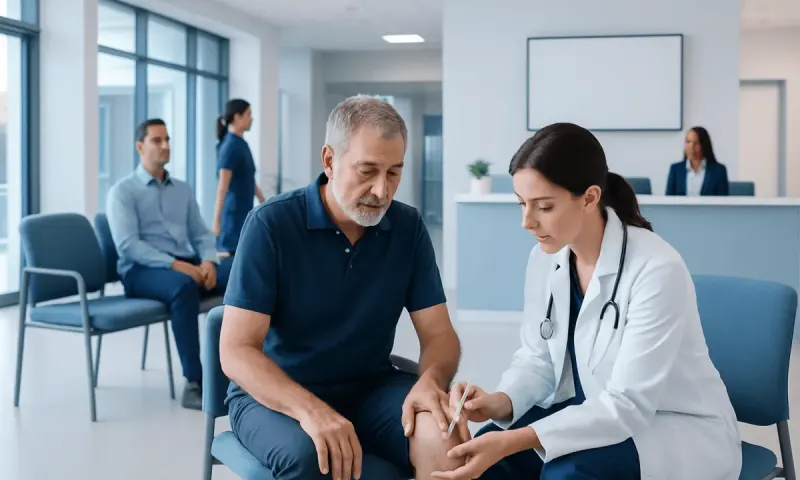
How Long Does Orthopedic Rehabilitation Take When You Live in Another Country?

Key Takeaways
- Recovery time is shaped more by the type of orthopedic problem and the rehab plan than by travel itself.
- Some patients can safely return home early, while others need longer in-person supervision before flying.
- A clear discharge plan helps coordinate physical therapy, imaging, medications, and warning signs after returning home.
- Telemedicine and shared records can make cross-border follow-up more practical and less stressful.
- Progress in rehabilitation is usually measured in function, not only in pain relief or the calendar.
- A qualified orthopedic team can help match the treatment plan to the patient’s travel timeline.
Orthopedic rehabilitation can take weeks or months, depending on the injury, surgery, age, health, and the consistency of therapy. For people living in another country, planning travel, follow-up visits, and local support is just as important as the treatment itself.
Overview
Orthopedic rehabilitation is the period of guided recovery that helps a person regain movement, strength, balance, and confidence after a fracture, joint replacement, ligament repair, spine procedure, or another musculoskeletal problem. When care happens across borders, the question is not only, “How long will healing take?” but also, “How should rehabilitation be organized before and after travel?”
The answer varies widely. Some people need only a short supervised period and then continue therapy near home. Others require a longer stretch of in-person monitoring because the early phase of recovery is delicate. In international care, the goal is to make the transition safe and realistic, so the patient can keep progressing after leaving the treating center.
A useful way to think about rehabilitation is by milestones rather than by a single date on the calendar. Being able to walk comfortably, use the arm for daily tasks, climb stairs, or return to work often matters more than a fixed number of days. That is why an individualized plan is essential, especially when the patient lives in another country and will need handoff care after discharge.
What rehabilitation usually looks like
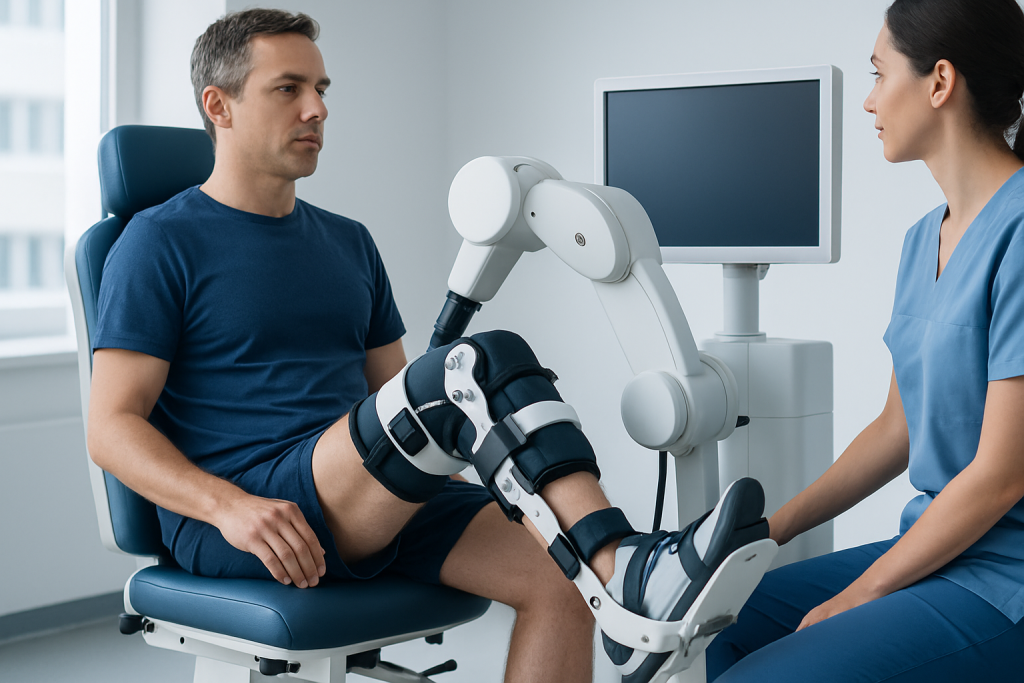
Rehabilitation often begins very early, sometimes within a day of surgery or soon after an injury is stabilized. Early steps may include pain control, swelling reduction, gentle movement, breathing exercises, safe transfers, and learning how to protect the repaired area. As healing progresses, therapy becomes more active and focuses on range of motion, strength, endurance, and functional training.
The structure of rehabilitation depends on the orthopedic condition. After a knee or hip replacement, the plan may emphasize walking, stair practice, and restoring joint motion. After a fracture, the priority may be protecting the bone while gradually regaining strength and coordination. After shoulder or spine surgery, therapy may be slower and more specific, with certain movements restricted for a period of time.
For international patients, the hospital stay and the first rehabilitation phase are often used to establish a stable routine. During that time, the care team can observe how the patient moves, tolerates therapy, manages pain, and responds to activity. Those observations help determine whether the patient can safely continue recovery at home or should remain under closer supervision for longer.
How long recovery may take
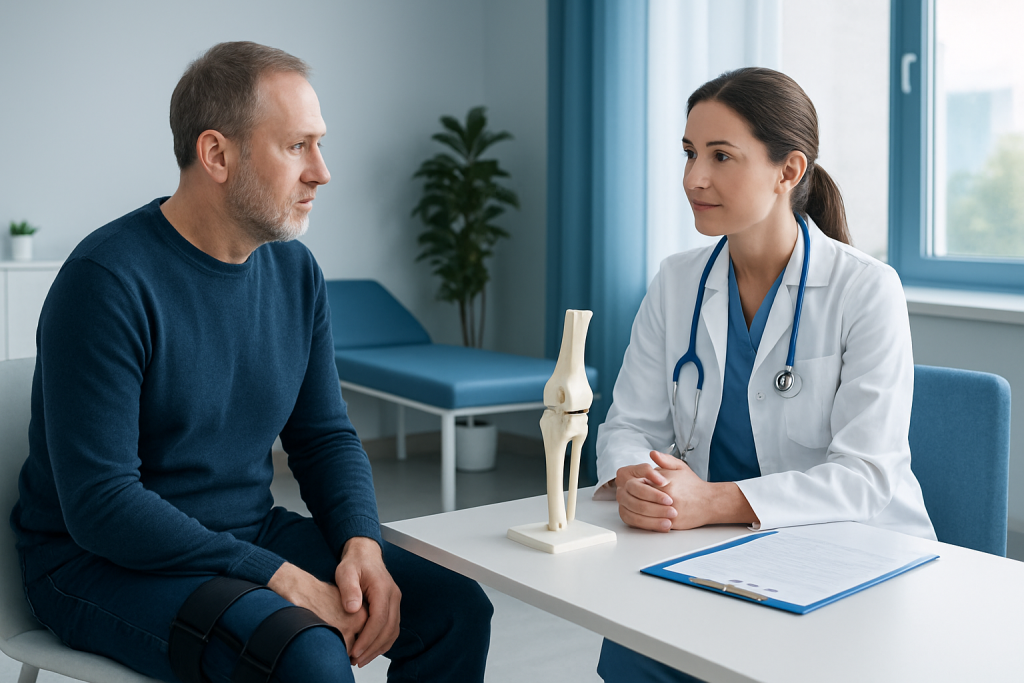
There is no single orthopedic rehabilitation timeline that fits every condition. Minor soft tissue injuries may improve over a few weeks, while complex surgery or major fractures can require several months of structured rehabilitation. Even when the bones or tissues are healing on schedule, full functional recovery can take longer because the muscles, joints, and nervous system also need time to adapt.
Shorter rehabilitation periods are more common when the procedure is less complex, the patient is otherwise healthy, and the patient can participate consistently in therapy. Longer recovery is more likely after major joint replacement, multi-ligament injury, spine surgery, infection-related surgery, or revision procedures. Age, general fitness, smoking, diabetes, nutritional status, and prior mobility all influence the pace of progress.
Living in another country does not automatically slow healing, but it can affect the rhythm of follow-up care. Travel time, visa limits, access to therapy at home, and language barriers may influence how long the initial stay should be. The safest approach is to plan rehabilitation around clinical milestones, not around convenience alone.
- Early recovery: pain control, swelling management, safe movement
- Intermediate recovery: guided strengthening and motion work
- Later recovery: functional training, endurance, return to daily activities
- Long-term recovery: home exercise, periodic reassessment, activity modification
Factors that change the timeline
Several factors can shorten or extend orthopedic rehabilitation. The type of surgery or injury is one of the biggest influences, because different tissues heal at different rates. A clean fracture fixation, for example, may progress differently from a complex tendon repair or a revision joint replacement.
The person’s overall health matters as well. Conditions that affect circulation, bone quality, nerve function, or immune response can make rehabilitation slower or more complex. Sleep, nutrition, hydration, and consistent participation in prescribed exercises also affect recovery. A patient who does the home program regularly often progresses more steadily than someone who can only attend therapy irregularly after returning abroad.
Practical issues matter too. For example, a patient who lives far from a therapy center may need a simpler home-based plan, while someone who can access local physiotherapy reliably may transition sooner. Clear communication between the treating orthopedic team and the local therapist can prevent confusion about precautions, exercise limits, and red flags.
How doctors decide when a patient can travel home
Before discharge, the orthopedic team usually checks whether the patient can move safely, control pain with an oral regimen, manage wound care, and understand the recovery instructions. They also consider whether the patient can get in and out of a vehicle, sit for a long flight, and follow mobility precautions such as using crutches, a brace, or a walker.
For international patients, the timing of travel is often linked to how predictable the first phase of recovery appears. If swelling is stable, the incision is healing well, and the patient has a clear therapy plan, the team may approve travel earlier. If there are concerns such as limited mobility, wound drainage, poor pain control, or a higher risk of complications, staying longer for observation may be safer.
Patients should not make travel decisions alone. The orthopedic surgeon, rehabilitation specialist, and sometimes the anesthesiology or nursing team help determine readiness. This approach is especially important when the patient will cross time zones and need follow-up care from a doctor who was not present during the operation.
What follow-up care should be arranged before leaving
A strong discharge plan reduces uncertainty after the patient returns home. The patient should ideally leave with a summary of the diagnosis, procedures performed, activity restrictions, wound care instructions, medication list, imaging reports, and the recommended therapy schedule. If the patient will need suture removal, repeat X-rays, or another review, those dates should be written clearly.
It is helpful to identify a local clinician before travel, especially if the rehabilitation program will continue for several months. That clinician may be a physiotherapist, orthopedic surgeon, or rehabilitation physician depending on the condition. Sharing records in advance allows the local team to understand what was done and what movements or loads should be avoided.
Patients should also know which symptoms deserve prompt medical advice after they leave. These may include increasing redness, fever, sudden swelling, calf pain, shortness of breath, a new inability to bear weight, or worsening pain that does not improve with prescribed care. Having that list in writing makes it easier to act quickly and calmly if something changes.
Prevention & Self-care
Good rehabilitation is not only about clinic visits. It also depends on what the patient does at home, in a hotel, or after returning to another country. The safest self-care usually includes doing the approved exercises regularly, protecting the surgical site, pacing activity, and avoiding movements that were specifically restricted by the treating team.
Patients can support recovery by keeping a simple routine. Taking medications as directed, using ice or elevation when recommended, staying hydrated, eating enough protein and calories, and avoiding smoking can all support healing. It also helps to prepare the home environment before travel: remove loose rugs, arrange a comfortable sleeping area, and keep frequently used items within easy reach.
For international patients, technology can make recovery easier. Video follow-ups, shared imaging, electronic treatment notes, and messages to the care team can help bridge the distance. If therapy exercises are provided in writing or with demonstration videos, the patient is more likely to perform them correctly after returning home.
When to see a doctor
Patients should contact their doctor if pain suddenly becomes worse instead of gradually improving, if swelling increases sharply, or if the surgical wound looks red, warm, or begins to drain. A doctor should also be contacted if the patient develops fever, numbness, weakness, calf pain, chest symptoms, or any loss of function that seems new or unexpected.
Follow-up is also important when progress seems unusually slow. If the patient cannot perform the recommended exercises, cannot bear weight as expected, or is unsure whether a movement is safe, that uncertainty should be discussed rather than guessed at. Small problems are often easier to manage when addressed early.
For people living in another country, communication gaps can delay care, so it is wise to keep the treating team informed even about minor concerns. Acibadem Health Point’s multidisciplinary specialists and JCI-accredited hospitals can help diagnose and treat orthopedic conditions for international patients, with rehabilitation plans designed to continue beyond the initial stay.
A practical way to think about the journey
Orthopedic rehabilitation abroad works best when the care plan is built around the patient’s real life, not only the operation itself. A person may need just a short hospital-based recovery before flying home, or may need a longer supervised period if mobility is limited or the procedure was complex. The right answer depends on clinical stability, travel logistics, and access to follow-up care at home.
Patients often feel more confident when they know what recovery milestones to expect and who will guide the next stage. That may include a local therapist, a family doctor, or the original orthopedic team through remote follow-up. With a clear plan, recovery can remain steady even after the patient leaves the country where the treatment was performed.
The most reassuring sign is not a specific number of days, but reliable progress: safer movement, better function, manageable pain, and a treatment team that stays connected across borders.
FAQ: Common questions from international patients
Because recovery crosses time zones and healthcare systems, patients often have practical questions about timing, travel, and therapy. The answers below cover the concerns that most often come up before leaving the treatment country.
Frequently asked questions
01Can a patient fly home soon after orthopedic surgery?
Sometimes, but only when the treating team feels the patient is medically stable and able to travel safely. The decision depends on the procedure, mobility, pain control, and the risk of complications. Patients should ask for individualized advice rather than assuming a fixed waiting period.
02Does rehabilitation have to continue in the same country where the surgery was done?
No. Many patients continue therapy at home with a local physiotherapist or rehabilitation doctor. The key is to share records, precautions, and exercise instructions so the next team can follow the same plan.
03What if the patient cannot attend regular therapy after returning home?
The team can often adapt the plan to include more home exercises and fewer supervised sessions, but the program should still be realistic and safe. If in-person therapy is not available, remote check-ins may help, although they do not replace a full examination when one is needed.
04How do patients know whether their recovery is on track?
Progress is usually judged by function: walking, using the arm, sleeping more comfortably, tolerating exercises, and gradually resuming daily activities. Mild ups and downs are common, but sudden worsening should be reviewed by a doctor.
05What should patients bring home after treatment abroad?
They should take a discharge summary, imaging reports, therapy instructions, medication list, wound-care guidance, and details of any restrictions. These documents help local healthcare providers continue care without repeating unnecessary steps.
06Is pain normal during orthopedic rehabilitation?
Some discomfort can be part of recovery, especially when the body is adjusting to new movement. However, pain should generally be manageable and should not keep getting worse; severe or sudden pain should be discussed with a doctor.
This article is for general information only and is not a substitute for professional medical advice. Please consult a qualified doctor about your individual situation.
Joint and spine care in Turkey — expert assessment & treatment
JCI-accredited · board-certified surgeons · reply within 24h
Add us as a Preferred Source to see more of our trusted health content across Google Search, AI Overviews and Discover.