How Long Does It Take for Miralax to Work? Timeline

Key Takeaways
- Most people have a bowel movement 1 to 3 days after starting Miralax; it is not designed for immediate relief.
- Miralax works by drawing water into the stool to soften it, so it needs time and adequate fluid intake to take effect.
- Hydration, diet, activity level, certain medications and the underlying cause of constipation all influence how quickly it works.
- If there is no bowel movement after about three days of use, or symptoms return quickly, a doctor should review the situation.
- Severe abdominal pain, vomiting, blood in the stool, unexplained weight loss or a sudden change in bowel habits need prompt medical attention.
- Doses, duration and suitability — especially for children, pregnancy or long-term use — should always be confirmed with a qualified clinician.
Miralax (polyethylene glycol 3350) is an osmotic laxative that usually produces a bowel movement within one to three days rather than within hours. This guide explains the typical timeline, what can speed it up or slow it down, and the signs that constipation deserves a medical review.
How Long Does It Take for Miralax to Work? The Short Answer
For most adults, the answer to how long does it take for Miralax to work is one to three days — commonly around 24 to 72 hours after the first dose. Miralax is not a fast-acting rescue product, and it is not expected to produce results within minutes or a few hours the way a stimulant suppository or enema might. Its purpose is to gradually soften stool so that a bowel movement becomes comfortable and natural rather than forced.
The active ingredient, polyethylene glycol 3350, is not absorbed into the bloodstream in any meaningful amount. Instead, it stays inside the intestine and holds water there. That water gradually mixes with the stool, softening it and increasing its volume, which in turn encourages the colon to move its contents along. Because this is a physical, water-based process rather than a chemical stimulation of the bowel wall, it simply takes time.
It is worth setting expectations early: a first bowel movement may be softer but still incomplete, and it can take several days of consistent use before stools become reliably comfortable. Many people stop too early, decide the product “did not work,” and return to strain and discomfort. Others take extra doses on day one hoping to speed things up, which more often leads to cramping, urgency or loose stools than to faster relief.
How Miralax Actually Works in the Body
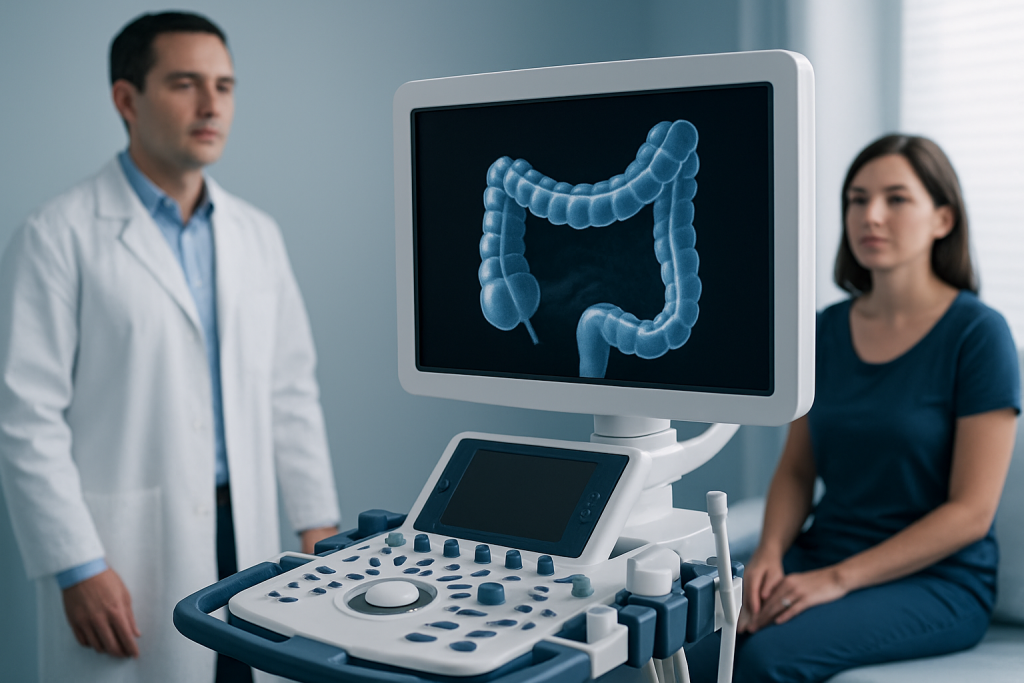
Miralax belongs to a family of medicines called osmotic laxatives. Osmosis is the movement of water toward a substance that attracts it. Polyethylene glycol 3350 is a large, inert molecule that the intestine cannot absorb, so it remains in the digestive tract and pulls water from surrounding tissue into the bowel. That extra water is what changes hard, dry, pellet-like stool into a softer, bulkier mass that passes more easily.
This mechanism explains two important practical points. First, adequate fluid intake matters: if a person is dehydrated, there is less water available for the medicine to draw in, and results may be slower or less complete. Second, the product does not force the colon to contract. Stimulant laxatives act directly on the nerves and muscles of the bowel wall and generally work faster, but they are also more likely to cause cramping. Osmotic agents trade speed for gentleness.
Because polyethylene glycol 3350 is not systemically absorbed, it is often described as a well-tolerated option for occasional constipation. That does not mean it is right for everyone or for indefinite use. Anyone with a known bowel obstruction, unexplained abdominal pain, kidney disease, an inflammatory bowel condition, or who is pregnant, breastfeeding or treating a child should confirm suitability with a clinician before starting.
A Realistic Day-by-Day Timeline

Individual responses vary widely, and the following is a general pattern rather than a promise. Some people respond in under a day; others need the full three days or a short course before their pattern settles.
- First 12 hours: Usually nothing noticeable. The medicine is beginning to hold water in the colon. Some people feel mild fullness or hear more gurgling than usual.
- 12 to 24 hours: A minority of people have a first bowel movement in this window, particularly if constipation is mild and recent. Stool may still be firm.
- 24 to 72 hours: The most common window for a first, clearly softer bowel movement. This is the timeframe most product labeling and clinicians refer to.
- Days 3 to 7: With continued use as directed, stools often become more consistently soft and easier to pass. Straining and the sense of incomplete emptying typically ease.
- Beyond a week: Continued daily use should generally happen under medical guidance, especially if constipation is chronic rather than occasional.
A useful way to judge progress is not the clock but the stool itself. Softer, formed stool passed without straining is the goal. Watery, urgent stools suggest too much medicine or too rapid an increase, while unchanged hard pellets after three days suggest the plan needs review.
What Can Speed Up or Slow Down the Response
Two people taking the same product on the same day can have very different experiences. Several factors shape the timeline, and understanding them helps explain why patience is often the right approach.
- Hydration: Low fluid intake is one of the most common reasons an osmotic laxative underperforms.
- Severity and duration of constipation: Stool that has been sitting in the colon for many days is drier and harder, and takes longer to soften. A significant backlog may need a longer course.
- Diet and fiber: Very low-fiber eating patterns tend to produce smaller, harder stools that respond more slowly.
- Physical activity: Prolonged bed rest, immobility after surgery or travel can slow colonic transit.
- Medications: Opioid pain relievers, certain antidepressants, iron supplements, some blood pressure medicines and antacids containing aluminum or calcium can all slow the bowel and blunt the response.
- Underlying conditions: Hypothyroidism, diabetes, neurological conditions, pelvic floor dysfunction and structural problems in the colon each affect how the bowel behaves.
Age matters as well. In children, clinicians often use polyethylene glycol under supervision and may plan a longer course, because pediatric constipation frequently involves a cycle of painful stools and withholding behavior that takes weeks to unwind. Pediatric use, including how long to continue, should always be directed by a pediatrician rather than decided at home.
Using Miralax Safely: General Principles
General safety guidance is straightforward: follow the directions on the package or those given by a clinician, do not double up because results feel slow, and mix the powder thoroughly in a beverage as instructed. This article intentionally does not suggest amounts — appropriate dosing depends on age, kidney function, other medicines and the reason for constipation, and that judgment belongs to a pharmacist or physician.
Over-the-counter osmotic laxatives are generally intended for short-term, occasional use unless a clinician advises otherwise. Longer courses are sometimes appropriate for chronic constipation, but that decision should follow an assessment rather than an assumption. Ongoing self-treatment can mask a condition that deserves investigation, and it can also lead people to overlook simpler contributors such as a new medication or a change in diet.
Common, usually mild effects include bloating, gas, cramping and loose stools. These often reflect too much softening rather than a problem with the medicine itself. Persistent diarrhea, dizziness, muscle cramps or unusual thirst can point to fluid and electrolyte shifts and should prompt a call to a healthcare professional. Anyone with kidney disease, heart failure, or who is taking diuretics should discuss use with their doctor first.
When Miralax Doesn't Seem to Be Working
If three days pass with no bowel movement, or if stool remains hard and painful despite consistent use, that is a signal to stop guessing and seek advice. Sometimes the explanation is simple — insufficient fluids, an inadequate course length, or a medication working against it. Sometimes it points to something that needs a different approach, such as pelvic floor dysfunction, in which the muscles that should relax during a bowel movement tighten instead. That pattern does not respond well to stool softening alone and is often treated with pelvic floor physical therapy or biofeedback.
Another common scenario is stool impaction, where a hard mass sits in the rectum and softer stool leaks around it. This can look confusingly like diarrhea. Impaction usually needs to be cleared under medical supervision before maintenance treatment can succeed, and repeated home dosing is unlikely to resolve it.
Finally, constipation that is new, persistent or steadily worsening — especially in adults over 45, or with any alarm symptoms — warrants evaluation rather than another week of over-the-counter treatment. Investigation may include blood tests, a review of medications, and in some cases a colonoscopy to look directly at the bowel lining. These are routine assessments and are usually reassuring, but they are the only reliable way to rule out structural causes.
Habits That Support Comfortable, Regular Bowel Movements
Laxatives address the symptom; daily habits address the setting in which constipation develops. Gradually increasing dietary fiber from vegetables, fruit, legumes and whole grains adds bulk and moisture to stool. Increasing fiber too quickly, however, can worsen bloating, so a slow build over a few weeks alongside adequate fluids tends to work better than an abrupt change.
Regular movement — even a daily walk — supports colonic transit. So does respecting the urge to go rather than postponing it, since repeatedly ignoring the signal can dull the reflex over time. Many people find that the natural post-meal increase in bowel activity makes the 20 to 30 minutes after breakfast a productive window. Sitting with the knees slightly higher than the hips, using a small footstool, straightens the anorectal angle and can reduce straining.
Sleep, stress and travel all influence bowel rhythm, and short-lived irregularity during a schedule change is normal. What matters is the overall trend. If constipation keeps returning despite reasonable habits, that recurring pattern — not any single difficult day — is the reason to book an appointment.
When to See a Doctor
Contact a healthcare professional promptly if constipation is accompanied by severe or worsening abdominal pain, persistent vomiting, abdominal swelling with an inability to pass gas, fever, blood in the stool or black tarry stools, unintentional weight loss, or a marked change in stool caliber. These features are not typical of simple constipation and deserve timely assessment.
A doctor’s review is also appropriate when over-the-counter treatment is needed for more than about a week or two, when constipation alternates with diarrhea, when there is a family history of colorectal cancer or inflammatory bowel disease, or when a child’s symptoms are not improving. Bringing a short record of stool frequency, consistency, fluid intake and current medications makes the consultation far more productive.
For patients traveling from abroad who need a gastroenterology assessment, Acibadem Health Point coordinates care with multidisciplinary specialists across JCI-accredited hospitals, arranging diagnostic evaluation, treatment planning and follow-up for international patients. Any specific dose, product choice or treatment plan should always be confirmed with a qualified clinician who knows the individual’s medical history.
Frequently asked questions
01How long does it take for Miralax to work overnight?
It is uncommon for Miralax to produce results overnight, although a small number of people do have a bowel movement within 12 to 24 hours. Most people should expect one to three days. If overnight relief is genuinely needed, a doctor or pharmacist can advise whether a different type of product is more appropriate.
02Is it safe to take another dose if nothing happens on the first day?
Taking extra doses on day one is generally not recommended and often causes cramping, bloating or loose stools rather than faster relief. The medicine needs time to draw water into the stool. Follow the labeled directions or a clinician's instructions, and seek advice if there is no result after about three days.
03Does drinking more water make Miralax work faster?
Adequate hydration supports the way the medicine works, since it relies on water being available in the bowel to soften stool. Being well hydrated may help it work as intended, though drinking large volumes will not dramatically shorten the timeline. Anyone with kidney or heart conditions should follow their doctor's fluid guidance.
04How long can a person keep taking Miralax?
Over-the-counter use is generally intended to be short-term unless a healthcare professional advises otherwise. Some people with chronic constipation use osmotic laxatives for longer periods under medical supervision. Ongoing self-treatment beyond a week or two should prompt a conversation with a doctor to identify the underlying cause.
05Can children use Miralax, and does it work the same way?
Polyethylene glycol is commonly used in children, but only under the direction of a pediatrician, who will determine suitability and duration. In children, treatment courses are often longer because constipation frequently involves stool withholding that takes time to resolve. Parents should not start or adjust treatment on their own.
06What should someone do if Miralax causes diarrhea?
Loose or watery stools usually indicate that the bowel has been softened more than needed. Stopping or adjusting treatment under pharmacist or physician guidance typically resolves it. Persistent diarrhea, dizziness, muscle cramps or signs of dehydration should be reported to a healthcare professional promptly.
07When is constipation a reason to see a doctor rather than self-treat?
Medical review is advisable when constipation is new and persistent, worsening, or accompanied by severe abdominal pain, vomiting, blood in the stool, unexplained weight loss or a change in stool shape. It is also appropriate when over-the-counter treatment is needed repeatedly. These symptoms are often benign, but they should be assessed rather than assumed.
This article is for general information only and is not a substitute for professional medical advice. Please consult a qualified doctor about your individual situation.
Persistent digestive symptoms? Get evaluated in Turkey
JCI-accredited · board-certified surgeons · reply within 24h
Add us as a Preferred Source to see more of our trusted health content across Google Search, AI Overviews and Discover.