

How Long Does it Take for Blood Transfusion?
- 9 min read
- Published November 26, 2026
Key Takeaways
- A blood transfusion commonly takes 1 to 4 hours, though the total visit can be longer because of preparation and observation.
- The type of blood product, the reason for transfusion, and the patient’s medical history all influence timing.
- Nurses and doctors monitor closely for reactions, which is one reason transfusions are not rushed.
- Most people can return to usual activity soon after, but any fever, rash, shortness of breath, or chest pain should be reported promptly.
A blood transfusion is often completed within a few hours, but the exact time depends on the type and amount of blood given, the patient’s condition, and how carefully the team monitors the process. Understanding the usual steps can make the experience feel more predictable, especially for patients arranging care at home or while traveling.
Overview
For many people, the most practical answer to how long does it take for blood transfusion is this: the transfusion itself often lasts about 1 to 4 hours, but the whole appointment can take longer once testing, setup, and monitoring are included. In some situations, a transfusion may be faster or slower depending on the blood product being given and the person’s overall condition.
A blood transfusion is a carefully controlled medical procedure used to replace blood or specific blood components such as red blood cells, platelets, or plasma. It is commonly done in hospitals, outpatient infusion units, and sometimes during planned inpatient care. Because safety checks are built into each step, the experience usually feels more measured than dramatic.
For international patients, timing matters for planning as much as for comfort. A person may need to arrange transport, a companion, post-procedure rest, and follow-up testing. Knowing the usual timeline helps families and travelers plan the day more realistically and reduces uncertainty before treatment.
Symptoms and Reasons a Transfusion May Be Needed
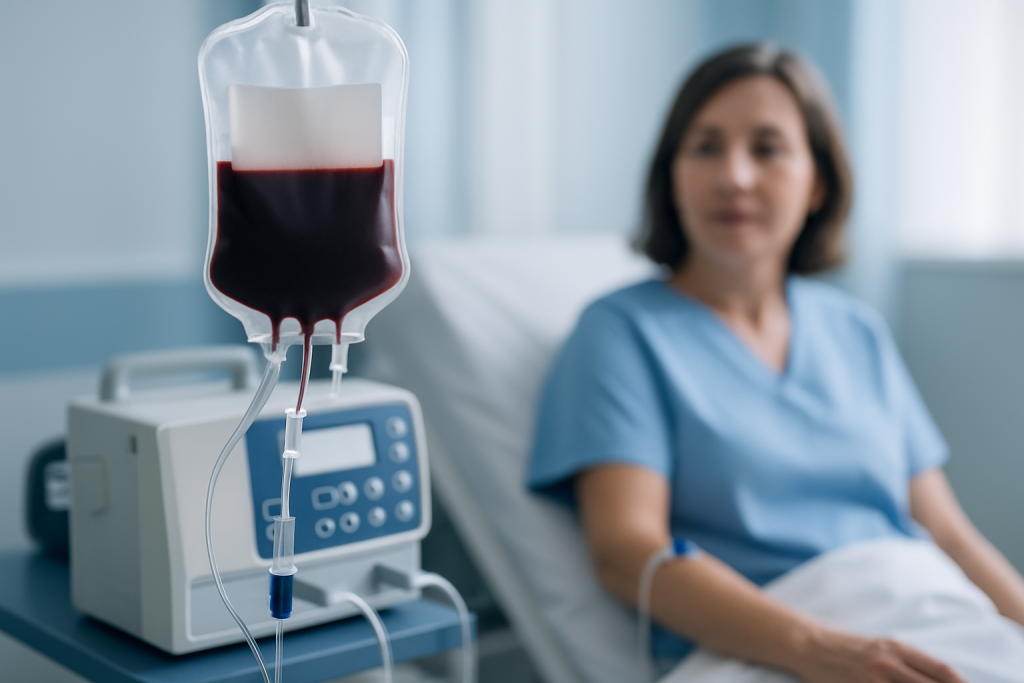
A transfusion is not a treatment for one single disease. It is used when the body needs support because of blood loss, reduced blood production, or a specific shortage of blood components. Doctors may recommend it after surgery, trauma, childbirth complications, gastrointestinal bleeding, cancer treatment, or certain blood disorders.
Common reasons include anemia that is severe or causing symptoms, low platelet counts that raise bleeding risk, and clotting problems that require plasma products. The decision is based on symptoms, laboratory results, and the broader clinical picture—not on the blood count alone.
People who need transfusion sometimes notice fatigue, dizziness, shortness of breath, rapid heartbeat, pallor, or unusual bleeding or bruising. These symptoms can overlap with many other conditions, which is why medical evaluation is important rather than self-diagnosis.
What Affects the Time It Takes

Several practical factors determine how long a transfusion takes. The first is the type of product: packed red blood cells are often infused more slowly and carefully than some other blood products, while plasma and platelets may follow different schedules based on clinical need and the facility’s protocol.
The second factor is the amount required. A single unit may be completed within a few hours, but more than one unit naturally extends the appointment. Some patients receive a one-time transfusion, while others need repeated support over days or weeks.
Preparation also adds time. Before the transfusion begins, the team checks identity, confirms compatibility, reviews allergies and previous reactions, and places an intravenous line. After the transfusion, the patient is usually observed for a period to watch for any reaction. These safety steps are normal and important.
- Type of blood product being transfused
- Number of units ordered
- Medical history, including prior transfusion reactions
- Need for slower infusion because of heart, kidney, or other conditions
- Location of care and local monitoring protocols
How the Procedure Usually Happens
On the day of the transfusion, a nurse or other trained clinician confirms the patient’s identity and reviews the treatment plan. Vital signs may be taken before the infusion starts, and the patient is asked about symptoms, allergies, and any past transfusions. This initial phase may feel routine, but it is essential for safety.
The blood product is then connected through an IV line. The team begins at a controlled pace and checks for early signs of reaction, such as itching, chills, fever, pain, or breathing discomfort. If the patient feels well, the infusion continues under observation. The slower start is deliberate, because many reactions appear early if they occur at all.
Once the transfusion ends, the IV may stay in place briefly while the team rechecks vital signs and ensures the patient remains stable. Depending on the setting, the person may then go home, return to a ward, or rest before continuing other tests or treatment. For travelers, this can be a good time to avoid a packed schedule and allow the rest of the day to stay flexible.
Diagnosis and Pre-Transfusion Testing
Before a transfusion, doctors need to know exactly which blood product is appropriate and whether it is safe to give. This usually involves a blood type test and a compatibility check, sometimes called crossmatching. These tests help match donor blood with the recipient’s blood as closely as possible.
Additional blood work may be ordered to understand the reason for the transfusion and to check how urgently it is needed. In some cases, the care team also reviews kidney function, clotting studies, or tests related to the underlying illness. A prior history of transfusion reactions, pregnancy, or certain antibodies can affect planning and timing.
Testing is one reason a transfusion is not always immediate, even when it is medically necessary. In urgent situations, hospitals use accelerated protocols, but they still follow essential safety checks. Patients and families are usually kept informed so they understand why waiting can be part of good care.
Treatment Options and What May Be Given
Blood transfusion is one part of a broader treatment plan, not the entire plan itself. Depending on the condition, doctors may transfuse red blood cells to improve oxygen delivery, platelets to reduce bleeding risk, or plasma to replace clotting factors. Each product serves a different purpose, and the timing can vary accordingly.
Some patients need only one transfusion. Others may need repeated support while a deeper issue is being treated, such as iron deficiency, chronic disease, bone marrow problems, or ongoing blood loss. In many cases, the team also works on the underlying cause so that transfusions are less likely in the future.
If a patient is traveling for care, treatment planning may include whether transfusion can be coordinated with imaging, surgery, chemotherapy, or follow-up visits. Good coordination matters because it reduces repeat travel and helps the patient recover with fewer disruptions. A clear written plan is especially useful when follow-up continues in another country.
Prevention, Recovery, and Self-Care
People cannot usually prevent the need for a transfusion when bleeding, surgery, or a serious illness is involved. What they can do is help the care team work efficiently by sharing a full medical history, including medications, allergies, past transfusions, and any prior reactions. This information can influence both safety and timing.
After the procedure, most people are advised to rest, drink fluids if permitted, and monitor how they feel. Mild fatigue can still be present because the transfusion treats a blood problem rather than instantly restoring full energy. The body may take time to respond, especially if the transfusion was part of a larger illness or recovery period.
General self-care is simple but meaningful: follow discharge instructions, take prescribed medicines as directed, and attend follow-up tests if advised. If the patient is an international visitor, it helps to keep contact details for the hospital handy and ensure a clear plan for any delayed symptoms after returning home.
When to See a Doctor
Most transfusions are tolerated well, but medical advice should be sought promptly if new symptoms appear after the procedure. Signs that should be reported include fever, chills, rash, itching, shortness of breath, chest pain, back pain, dark urine, or a feeling that something is not right. These symptoms do not always mean a serious problem, but they deserve immediate attention.
Patients should also contact a doctor if fatigue, dizziness, or bleeding continues after treatment, because the underlying cause may still need attention. A follow-up blood test may be recommended to confirm that the transfusion achieved the intended result. It is better to ask early than to wait and wonder.
For people arranging care while traveling, it is sensible to know in advance who to call day or night and where urgent reassessment would happen if symptoms develop after discharge. Acibadem Health Point’s multidisciplinary specialists and JCI-accredited hospitals diagnose and treat conditions requiring transfusion for international patients, with care plans designed to support both treatment and follow-up.
Frequently asked questions
01How long does it take for blood transfusion overall?
The transfusion itself often takes about 1 to 4 hours, but the full visit may be longer because of testing, setup, and post-procedure observation. The exact timing depends on the blood product, the amount given, and the patient’s condition.
02Can a blood transfusion be done faster in an emergency?
Yes, urgent situations can use faster protocols, but essential safety checks are still completed. Even when time matters, the team must confirm compatibility and monitor the patient closely.
03Does the type of blood product change the timing?
Yes. Red blood cells, platelets, and plasma may each follow different infusion patterns and monitoring needs. The care team chooses the product and pace based on the reason for transfusion and the patient’s condition.
04Why do nurses monitor so closely during a transfusion?
Monitoring helps detect a reaction early, when it is easiest to respond. Most people do well, but observing the patient carefully is a standard part of safe transfusion practice.
05What should a patient do after leaving the hospital?
They should follow discharge instructions, rest as advised, and report any fever, rash, breathing trouble, chest pain, or unusual symptoms. If follow-up blood tests are scheduled, keeping those appointments helps confirm that the treatment worked as intended.
06Can someone travel soon after a blood transfusion?
Sometimes yes, but it depends on the reason for the transfusion and how the person feels afterward. It is best to ask the treating doctor before traveling, especially if the patient needs repeat monitoring or ongoing treatment.
This article is for general information only and is not a substitute for professional medical advice. Please consult a qualified doctor about your individual situation.
Oncology care in Turkey — second opinion and treatment plan
JCI-accredited · board-certified surgeons · reply within 24h
Add us as a Preferred Source to see more of our trusted health content across Google Search, AI Overviews and Discover.


How can we help you today?
Meet an Acibadem specialist by secure video, before you travel.
Book a video visit