How Long Does a Cystoscopy Take: An Evidence-Based Patient Guide
How long does a cystoscopy take? In many cases, the examination itself takes about 5 to 20 minutes, although the complete appointment can take one to several hours depending on preparation, anesthesia, biopsies, or treatment. Cystoscopy is a common urology procedure that allows a clinician to examine the urethra and bladder directly.
Overview: how long does a cystoscopy take?
How long does a cystoscopy take? The examination itself usually takes around 5 to 20 minutes. However, the full appointment may take longer because it includes preparation, discussion with the urologist, anesthetic planning, and a recovery period if sedation or general anesthesia is used.
Cystoscopy is a procedure in which a urologist passes a narrow instrument called a cystoscope through the urethra into the bladder. The scope has a light and camera, allowing the clinician to view the lining of the urethra and bladder, collect tissue samples when needed, or carry out selected treatments.
Timing varies according to the reason for the test, the type of cystoscope used, and whether the procedure is diagnostic only or includes a biopsy, removal of a small bladder stone, stent work, or another intervention. The care team can explain the expected schedule for the individual procedure before the appointment.
Why cystoscopy is performed and who may need it
A clinician may recommend cystoscopy to investigate blood in the urine, repeated urinary tract infections, bladder pain, urinary urgency, difficulty passing urine, an abnormal scan, or concerns about a narrowing in the urethra. It may also be used to monitor some bladder conditions, including bladder cancer, after treatment.
The procedure provides information that urine tests and imaging cannot always show. Direct visualization can help identify inflammation, stones, growths, bleeding areas, congenital changes, scar tissue, enlarged prostate-related obstruction, or other changes within the lower urinary tract.
Not every urinary symptom requires cystoscopy. A urologist considers a person’s symptoms, medical history, examination findings, urine results, imaging and individual risk factors before recommending it. People who are pregnant, take blood-thinning medicines, have allergies, or have signs of an active urinary infection should tell the care team in advance.
- Flexible cystoscopy: usually used for office-based assessment and often involves local numbing gel.
- Rigid cystoscopy: uses a straight scope and may be selected when a biopsy or treatment is planned, commonly with sedation, spinal anesthesia, or general anesthesia.
How the cystoscopy procedure works, step by step
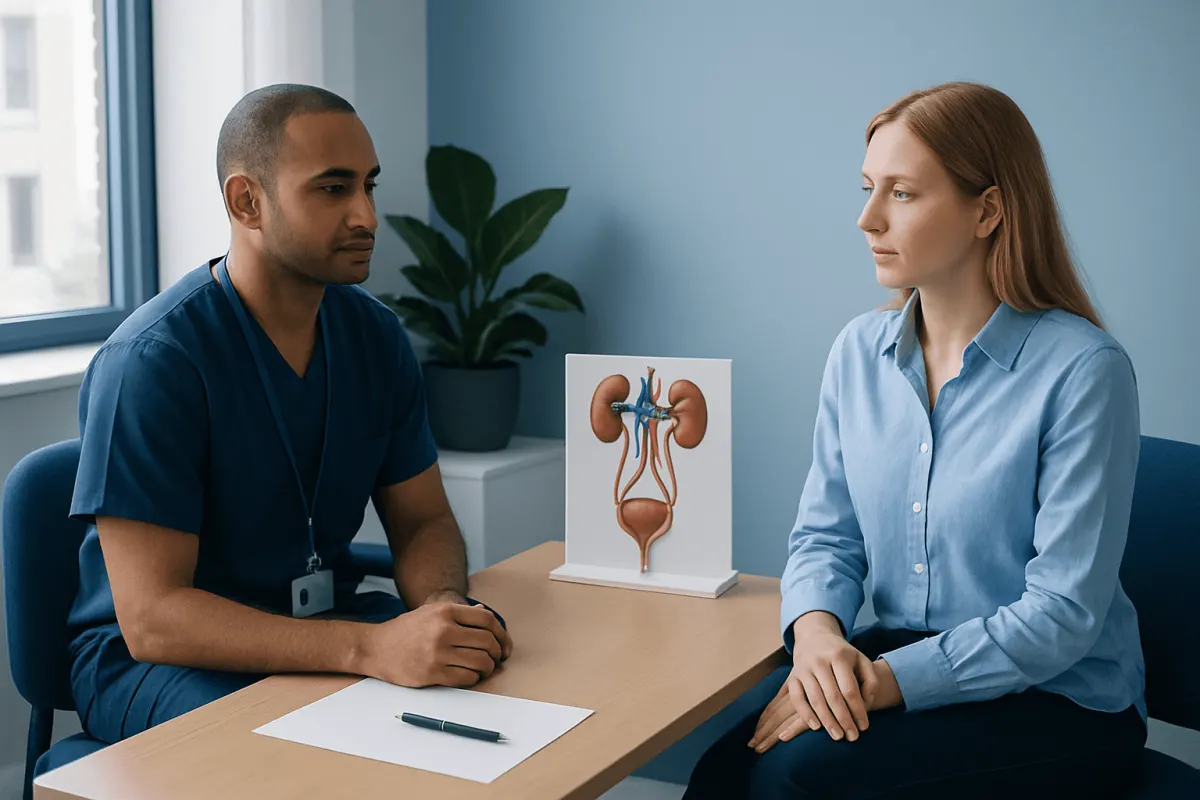
Before the procedure, the patient may be asked to provide a urine sample to check for infection. Instructions about eating, drinking and regular medicines depend on whether local anesthetic, sedation, spinal anesthesia or general anesthesia will be used. It is important to follow the hospital’s specific directions, especially when anesthesia is planned.
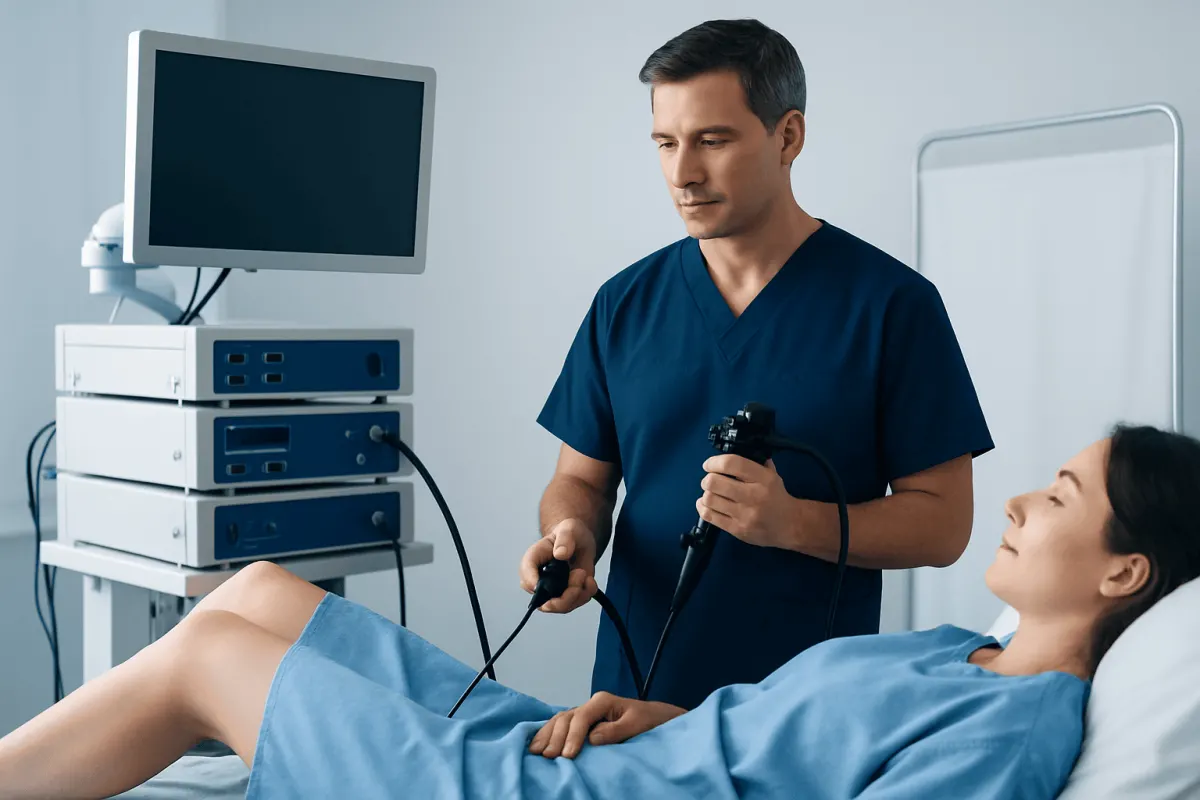
During a flexible cystoscopy, the patient generally lies on an examination table. A numbing lubricating gel is placed in the urethra, and the clinician gently introduces the flexible cystoscope. Sterile fluid may be passed into the bladder to improve visibility and gently expand it, which can create a temporary feeling of fullness or an urge to urinate.
For a rigid cystoscopy, the patient is positioned in a similar way but may receive anesthesia. The urologist examines the urethra and bladder and may use small instruments through the scope to take a biopsy, remove a small stone, treat bleeding, remove a stent, or perform another planned procedure. These additional steps can extend the procedure time.
Images may be recorded, and findings are often discussed after the examination. If tissue is removed, laboratory analysis takes additional time, so final results may not be available on the same day. A planned cystoscopy procedure can be tailored to whether diagnosis alone or diagnosis plus treatment is needed.
How long should a cystoscopy take?
For a straightforward diagnostic flexible cystoscopy, the scope is commonly in place for about 5 to 15 minutes. A rigid diagnostic cystoscopy may take roughly 15 to 30 minutes, while procedures that include a biopsy or treatment can take longer depending on the finding and the planned intervention.
Patients should allow more time than the procedure length alone. An office appointment may take approximately 30 to 60 minutes in total. If sedation or general anesthesia is used, arrival, pre-procedure assessment, anesthesia, recovery monitoring and discharge arrangements can make the visit several hours long.
There is no single “normal” duration because the procedure is adapted to the clinical purpose. A longer procedure does not automatically mean that a serious problem has been found; it may simply reflect the need for careful inspection, treatment, or safe anesthesia and recovery processes.
What is the most painful part of a cystoscopy?
Experiences vary, but many people describe the most uncomfortable part as the passage of the scope through the urethra or the sensation of bladder filling with sterile fluid. In men, the scope passing through the prostate area may create pressure or brief discomfort. Local anesthetic gel helps reduce discomfort during flexible cystoscopy.
Some people notice a burning sensation when urinating for a short time after the procedure. Mild lower abdominal pressure, urinary urgency, or a small amount of blood in the urine can also occur, particularly after a biopsy or other intervention. These symptoms often improve within a day or two, although recovery can be longer after more extensive treatment.
The team should be told immediately if the patient feels significant pain during the procedure. Clinicians can pause, adjust positioning, use additional comfort measures, or discuss whether another anesthesia approach is appropriate. Sedation or general anesthesia may be used for selected rigid procedures or when treatment is required.
How do you stay calm during a cystoscopy?
Knowing what to expect can make cystoscopy feel more manageable. Before the appointment, patients can ask whether the procedure will be flexible or rigid, what type of anesthesia is planned, how long the full visit may last, and whether they will need someone to take them home.
During a flexible procedure, slow breathing can help relax the pelvic floor muscles. Some people find it useful to focus on a steady inhale and longer exhale, listen to calm audio if permitted, or look at a fixed point in the room. Letting the clinician know about previous difficult medical procedures, anxiety, trauma, or concerns about pain can help the team provide more individualized support.
It is also reasonable to ask the clinician to explain each stage before it happens, or to request less detail if that feels more reassuring. Sedation may be an option in some circumstances, but its suitability depends on the procedure, health history, and local practice. Patients should not take anti-anxiety medicines, alcohol, or unapproved pain medicines before the appointment unless their clinician has advised them to do so.
Is cystoscopy a major or minor surgery?
A diagnostic cystoscopy is generally considered a minor procedure rather than major surgery. It is often performed without an incision and, when a flexible scope and local anesthetic gel are used, many people return home shortly afterward.
However, cystoscopy can also be the route through which a urologist performs treatment. A rigid cystoscopy involving a biopsy, removal of a bladder lesion, stone treatment, or other intervention may require anesthesia and a more structured recovery plan. The complexity and recovery needs relate to the additional procedure, not simply to the use of a cystoscope.
The potential benefits include obtaining a direct view of the bladder and urethra, clarifying a diagnosis, and allowing certain issues to be treated without open surgery. The urologist should explain the anticipated benefits, alternatives and expected recovery for the specific planned procedure.
Recovery, risks and when to seek medical care
After a simple flexible cystoscopy, many patients can resume ordinary activities the same day, unless their clinician gives different instructions. Drinking fluids, if medically appropriate, may help reduce irritation. After sedation or general anesthesia, patients usually need a responsible adult to take them home and should avoid driving, alcohol, important decisions, and operating machinery until the anesthesia team says it is safe.
Possible complications are uncommon but include urinary tract infection, bleeding, difficulty passing urine, injury to the urethra or bladder, and anesthesia-related effects. The likelihood depends on the type of cystoscopy and any treatment performed. Following aftercare instructions and taking prescribed medicines only as directed can support recovery.
When to seek medical care: Patients should contact their care team promptly for fever or chills, worsening pain, inability to urinate, large clots or heavy blood in the urine, persistent bleeding, or symptoms that are not improving as expected. Urgent medical assessment is appropriate if symptoms are severe or the person feels acutely unwell.
Acıbadem Health Point’s multidisciplinary specialists and JCI-accredited hospitals diagnose and treat urological conditions for international patients, including evaluation of urinary symptoms and follow-up after cystoscopy. Further treatment planning may be discussed if the examination identifies a condition requiring care.
Frequently asked questions
01How long does a cystoscopy take from start to finish?
The camera examination may take 5 to 20 minutes, but the full visit is longer. A simple office-based flexible cystoscopy may take around 30 to 60 minutes overall, while anesthesia and recovery can extend a hospital visit to several hours.
02Can a patient drive home after a cystoscopy?
After a cystoscopy performed with local numbing gel alone, some patients may be able to drive if they feel well and their clinician agrees. Anyone who receives sedation, spinal anesthesia, or general anesthesia should arrange a responsible adult to take them home and follow discharge instructions.
03Will there be pain after cystoscopy?
Mild burning while urinating, urinary urgency, or slight blood in the urine can happen temporarily after cystoscopy. These symptoms often settle within one to two days after a simple procedure, but recovery may be longer after biopsy or treatment.
04What should a patient tell the urologist before cystoscopy?
Patients should mention allergies, pregnancy, bleeding disorders, blood-thinning medicines, urinary symptoms suggesting infection, prior urethral procedures, and any history of difficult anesthesia. They should also discuss anxiety or pain concerns so that appropriate support can be planned.
05Is cystoscopy used to diagnose bladder cancer?
Yes. Cystoscopy is an important test for examining the bladder lining when blood in the urine or other findings raise concern. If an abnormal area is seen, the urologist may take a biopsy or arrange further testing to confirm the diagnosis.
06How soon are cystoscopy results available?
The urologist can often share visual findings from a diagnostic cystoscopy soon after the procedure. If a biopsy or urine test is taken, laboratory processing is needed and final results may take longer; the care team will explain when and how results will be provided.
This article is for general information only and is not a substitute for professional medical advice. Please consult a qualified doctor about your individual situation.
Heart care in Turkey — expert evaluation and treatment
JCI-accredited · board-certified surgeons · reply within 24h
Add us as a Preferred Source to see more of our trusted health content across Google Search, AI Overviews and Discover.