How Long Do Migraines Last?

Key Takeaways
- Migraine length varies widely, but many attacks last 4 to 72 hours if untreated.
- A migraine attack may include warning signs, aura, headache, and a recovery phase.
- Triggers, sleep changes, stress, hormones, dehydration, and certain foods can affect duration and severity.
- Early treatment often works better than waiting until pain becomes intense.
- Frequent, prolonged, or changing migraine patterns deserve medical assessment.
Migraines can last anywhere from a few hours to several days, and the full experience may extend beyond the headache itself. Understanding the typical timeline can help a person recognize migraine patterns, manage symptoms earlier, and know when medical evaluation is worthwhile.
Overview
Migraine is more than a headache. It is a neurological condition that can include head pain, nausea, sensitivity to light or sound, and sometimes visual or sensory changes. For many people, the question is not only what a migraine feels like, but how long it will last and whether the next one will follow the same pattern.
In a straightforward case, a migraine attack often lasts from several hours to a few days. Some people notice a short warning period before the pain begins, while others have a longer “hangover” phase afterward when they feel drained or mentally foggy. Because the experience may unfold in stages, the total time from the first sign to full recovery can be longer than the headache itself.
For international patients planning care, it can help to think of migraine as a condition that benefits from pattern recognition. Keeping track of how long attacks last, what seems to trigger them, and what relieves them gives a neurologist a clearer picture, especially when care is being organized across borders and follow-up needs to be efficient.
Symptoms and the usual migraine timeline
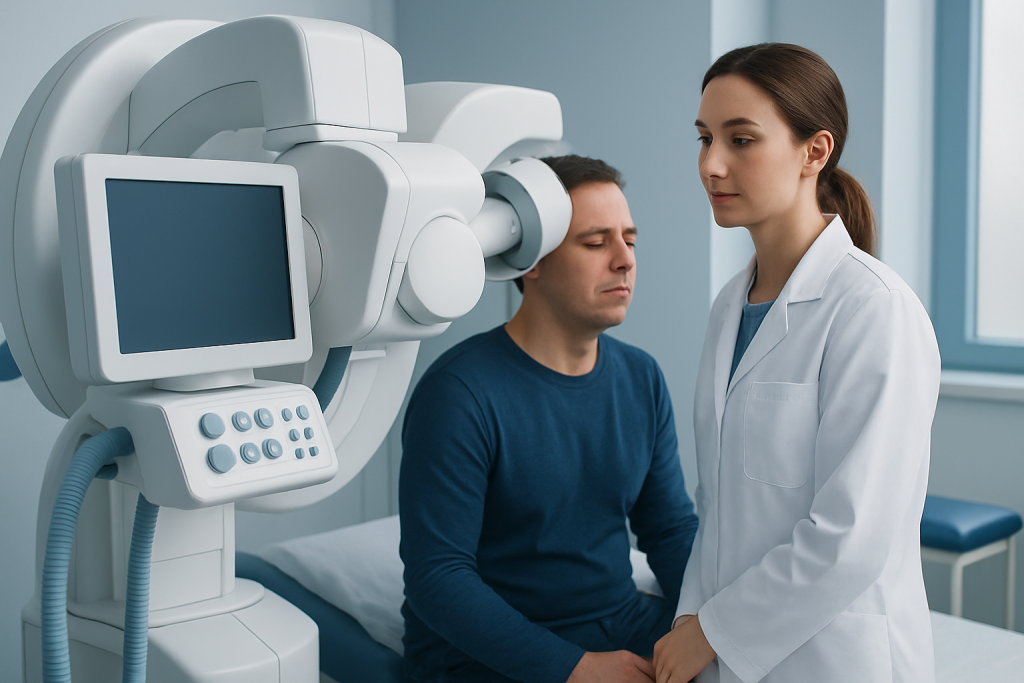
A migraine attack often moves through recognizable phases, although not every person experiences every phase. The prodrome phase may begin hours or even a day before the headache with subtle changes such as mood shifts, food cravings, neck stiffness, yawning, or difficulty concentrating. Some people then develop aura, which can involve flashing lights, blind spots, tingling, or speech changes.
The headache phase is the part most people associate with migraine. It commonly lasts from 4 to 72 hours if not treated, though individual attacks can be shorter or longer. Pain may be one-sided or affect both sides, and it may throb, pulse, or intensify with routine movement. Nausea, vomiting, and sensitivity to light, noise, or smells often appear during this stage.
After the pain eases, the postdrome phase can leave a person feeling tired, slowed down, or unusually sensitive for another day. This is one reason migraines can feel as though they last longer than expected. Some people recover quickly, while others need quiet rest and a gradual return to normal activity.
Causes and risk factors that can affect duration

Migraine does not have a single cause. It is thought to involve changes in brain signaling, nerve pathways, and blood vessel activity, with genetics playing an important role. A family history of migraine can make someone more likely to develop it, and attacks may become more frequent during certain life stages, including periods of hormonal change.
Many triggers can influence how often migraines happen and how long they linger. Common examples include disrupted sleep, skipped meals, dehydration, stress, bright lights, strong odors, alcohol, weather changes, and certain foods. For some people, a trigger does not cause an attack every time, but it can lower the threshold so that a migraine becomes harder to stop once it begins.
Other factors can shape duration as well. Delaying treatment, repeated exposure to the trigger, untreated nausea with poor fluid intake, and medication overuse can all make attacks feel longer or more difficult to control. A person who has migraine with aura, menstrual migraine, or chronic migraine may also notice a different time course from someone with occasional episodes.
Diagnosis: why the timing matters
Doctors usually diagnose migraine by listening carefully to the symptom pattern rather than relying on a single test. The timing of attacks is especially helpful. A person who has repeated episodes of moderate to severe head pain lasting hours to days, with nausea or sensitivity to light, often fits the typical migraine pattern.
A clinician may ask how long the headache lasts, whether there is aura, how often attacks occur, what seems to trigger them, and whether the symptoms have changed over time. A headache diary can be very useful here, particularly for someone traveling for care and trying to provide a clear history in a short appointment. The diary may include start and end times, associated symptoms, food or sleep changes, and medication used.
Imaging or other tests are not always needed. They may be considered if the headaches are new, atypical, suddenly different, or accompanied by concerning neurological signs. The goal is to confirm the diagnosis and rule out other causes when the story does not look like a standard migraine.
Treatment options and what may shorten an attack
Although migraine cannot always be stopped immediately, early treatment often improves the chance of reducing pain and shortening the attack. Many people do best when they take action as soon as they recognize their personal warning signs. Waiting until the headache is severe can make treatment less effective.
Treatment may include over-the-counter pain relievers, anti-nausea medicines, prescription migraine-specific medicines, or preventive therapy for people who have frequent attacks. Doctors may also recommend non-drug strategies such as resting in a dark room, hydrating, applying cold packs, or limiting sensory stimulation. The best choice depends on the person’s migraine pattern, other health conditions, and previous response to treatment.
For some people, prevention is the real way to reduce the overall burden of migraine. Preventive treatment may be considered when attacks are frequent, prolonged, or disruptive. A neurologist can help decide whether a short-term rescue plan, a preventive approach, or both would be most appropriate.
Prevention and self-care
Self-care often focuses on predictability. Regular sleep, consistent meals, adequate fluids, and stress management can make attacks less likely and sometimes less intense. Many people benefit from learning their personal trigger pattern rather than trying to avoid every possible trigger in a broad, exhausting way.
A practical migraine record can reveal patterns that are easy to miss in daily life. Tracking menstrual cycles, long travel days, skipped meals, alcohol intake, intense exercise, and screen time can help show what is most relevant for that individual. For international travelers, changes in sleep schedule, dehydration during flights, and irregular meals are common issues worth planning around.
Other helpful habits include taking prescribed medicines exactly as directed by a clinician, avoiding frequent use of pain relievers without medical guidance, and building a recovery plan for the days when an attack starts. Small adjustments can make the duration of attacks more manageable, even if they do not eliminate migraine completely.
- Keep a headache diary for several weeks.
- Prioritize sleep and hydration, especially during travel.
- Eat regular meals and avoid long fasting periods.
- Use migraine medicine early if it has been prescribed.
- Review recurring triggers with a doctor.
When to see a doctor
Medical advice is worthwhile if migraines are becoming more frequent, lasting longer than usual, or interfering with work, travel, or family life. A doctor should also evaluate headaches that are new, clearly changing, or not responding to previously effective treatment. Even when migraines are familiar, a review can help refine the treatment plan.
Prompt medical attention is especially important if a headache is sudden and severe, follows a head injury, comes with fever or stiff neck, causes weakness or confusion, or includes vision or speech changes that are unusual for the person. These features do not automatically mean something dangerous is happening, but they should be assessed without delay.
For people arranging treatment from another country, a Neurology: Memory, Balance, and Nerve Problems in Older Adults" class="ahp-ilk">Geriatric Neurology Consultation: What Tests Might Be Recommended?" class="ahp-ilk">neurology consultation can help clarify whether the headaches are consistent with migraine, whether preventive therapy is needed, and what follow-up can be done locally after returning home. Acibadem Health Point’s multidisciplinary specialists and JCI-accredited hospitals diagnose and treat migraine for international patients in a coordinated, patient-centered way.
Living with migraine over time
One of the most useful things a person can know about migraine is that duration is often variable. A shorter attack one month and a longer one the next does not necessarily mean the condition is worsening. What matters most is the overall pattern, the impact on daily life, and whether the symptoms are changing in a meaningful way.
With the right plan, many people can reduce both the frequency and the length of attacks. That plan may combine medicine, trigger management, lifestyle adjustments, and follow-up with a clinician who understands the person’s history. When migraine is approached as a manageable neurological condition rather than an unpredictable interruption, it becomes easier to plan work, travel, and recovery with more confidence.
Frequently asked questions
01How long do migraines usually last?
Many migraine attacks last between 4 and 72 hours if untreated. Some people also have a warning phase before the headache and a recovery phase afterward, which can make the overall experience feel longer.
02Can a migraine last more than one day?
Yes, migraines can last more than a day, and some attacks continue for several days. If a migraine is unusually prolonged or keeps returning, a doctor should review the pattern and treatment plan.
03Why do some migraines seem to last longer than others?
Duration can be affected by triggers, sleep disruption, dehydration, hormone changes, and how quickly treatment begins. The type of migraine and the person’s overall health can also influence the course of an attack.
04What can help a migraine end sooner?
Early treatment often helps more than waiting until the pain is severe. Resting in a quiet, dark place, staying hydrated, and using prescribed or recommended medicines as directed can all be helpful.
05When is a migraine no longer typical?
A headache that is suddenly severe, very different from usual, or linked with weakness, confusion, fever, or speech changes should be assessed promptly. New or changing headache patterns also deserve medical evaluation.
06Do all migraines have aura?
No, many migraines occur without aura. Aura is only one possible feature and may involve visual changes, tingling, or speech symptoms before the headache begins.
This article is for general information only and is not a substitute for professional medical advice. Please consult a qualified doctor about your individual situation.
Persistent digestive symptoms? Get evaluated in Turkey
JCI-accredited · board-certified surgeons · reply within 24h
Add us as a Preferred Source to see more of our trusted health content across Google Search, AI Overviews and Discover.