How Is an IVF Baby Conceived?

An IVF baby is conceived through in vitro fertilization (IVF), where eggs are collected, fertilized with sperm in a laboratory, and one embryo may later be placed in the uterus. The process can help people with a range of fertility challenges, but outcomes depend on individual factors and IVF cannot guarantee pregnancy or birth.
Overview: What Is an IVF Baby?
An IVF baby is a child conceived through in vitro fertilization (IVF). During IVF, mature eggs are collected from the ovaries and combined with sperm in a laboratory. If fertilization occurs and an embryo develops, a clinician can transfer an embryo into the uterus, where it may implant and grow as a pregnancy.
IVF is one type of assisted reproductive technology. It may be considered when pregnancy has not occurred after an appropriate period of trying, when there is a known fertility condition, or when genetic testing of embryos is being discussed. The pregnancy, birth, and long-term health care of a child conceived through IVF are generally managed in the same way as for other pregnancies, with care tailored to the individual parent and pregnancy.
IVF is a process rather than a single procedure, and each plan is individualized. Some cycles involve fresh embryo transfer, while others involve freezing embryos and transferring an embryo in a later cycle. A fertility specialist can explain which approach is appropriate based on medical history, test results, and personal preferences.
Who May Be a Candidate for IVF?
IVF may be recommended for people with blocked or damaged fallopian tubes, ovulation disorders, endometriosis, reduced ovarian reserve, uterine or pelvic factors, or infertility without an identified cause. It may also be used when sperm factors are present, including low sperm count, reduced sperm movement, or problems with sperm shape. In some situations, intracytoplasmic sperm injection (ICSI), in which a single sperm is injected into an egg, may be used as part of IVF.
Couples and individuals may also consider IVF when fertility preservation is needed before treatments that could affect egg or sperm production, or when donor eggs, donor sperm, or a gestational carrier is part of the care plan. People at risk of passing on certain inherited genetic conditions may discuss preimplantation genetic testing with a reproductive genetics team.
Evaluation commonly includes a review of menstrual and medical history, ultrasound assessment of the ovaries and uterus, hormone testing, semen analysis when relevant, and testing of the fallopian tubes in selected cases. These results help the specialist estimate likely response to treatment and discuss alternatives, including expectant management, ovulation induction, intrauterine insemination, or IVF.
How the IVF Procedure Works Step by Step
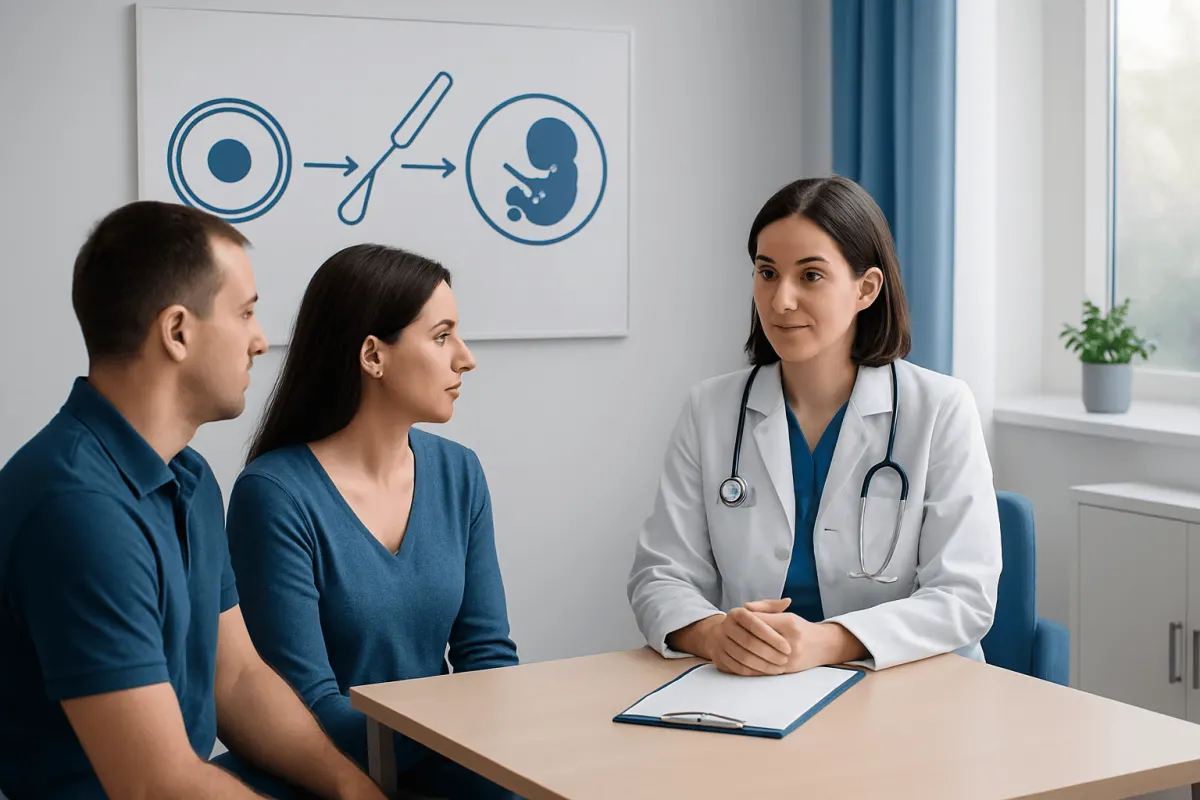
IVF usually begins with ovarian stimulation. Injectable fertility medicines encourage several follicles, the small fluid-filled sacs in the ovaries that contain eggs, to mature during one cycle. The care team monitors the response with ultrasound scans and blood tests, then gives a final maturation medication when the follicles are ready.
Egg collection, also called egg retrieval, is usually performed using ultrasound guidance and sedation or anesthesia. A thin needle passes through the vaginal wall to collect fluid from the follicles. The embryology laboratory identifies eggs in that fluid and combines them with prepared sperm. Fertilization may occur through conventional insemination or ICSI when clinically indicated.
Embryos are observed in the laboratory for several days. Depending on the plan, suitable embryos may be frozen, tested for certain genetic concerns after counseling, or prepared for transfer. During embryo transfer, a thin catheter places an embryo through the cervix into the uterus. The procedure is usually brief and does not normally require anesthesia. For a detailed explanation of assessment and treatment pathways, patients can explore IVF treatment.
A blood test is generally used about one to two weeks after embryo transfer to check for pregnancy. If the test is positive, an early ultrasound is arranged to confirm that the pregnancy is developing in the uterus. If it is negative, the fertility team can review the cycle and discuss whether another transfer or a different approach may be suitable.
Recovery Timeline After IVF
Recovery differs between the stages of IVF. During ovarian stimulation, people may notice bloating, breast tenderness, mild pelvic discomfort, mood changes, headaches, or tiredness related to hormone medicines. Regular monitoring is important because it allows clinicians to adjust care and identify an excessive ovarian response early.
After egg collection, mild cramping, vaginal spotting, abdominal fullness, and fatigue are common for a short time. Many people return to usual light activities within a day or two, although the care team may advise avoiding strenuous exercise, sexual activity, or heavy lifting for a period if the ovaries remain enlarged. Sedation or anesthesia also means that driving and making important decisions should be avoided for the rest of the procedure day.
Embryo transfer is generally followed by a quieter period rather than strict bed rest. Normal gentle daily activity is usually acceptable unless the clinician advises otherwise. Progesterone or other medicines may be prescribed to support the uterine lining, and these can cause symptoms such as fatigue, bloating, breast tenderness, or discharge that do not reliably indicate whether pregnancy has occurred.
The waiting period before the pregnancy test can be emotionally demanding. Support from a partner, trusted family member, counselor, or fertility support group can be valuable. Patients should follow their clinic’s instructions and avoid testing too early, as fertility medicines can sometimes affect the interpretation of home pregnancy tests.
Benefits, Risks and IVF Results
IVF can create an opportunity for pregnancy when other approaches have not worked or are unlikely to work. It allows embryos to be created and, when appropriate, frozen for future transfers. It may also make it possible to use donor eggs or sperm and, in selected circumstances, to consider embryo testing after specialist genetic counseling.
However, IVF does not guarantee pregnancy. The chance of success varies with the age of the person providing eggs, ovarian reserve, sperm quality, embryo quality, uterine factors, underlying fertility diagnosis, and the clinic’s treatment approach. A fertility specialist may discuss success in terms of implantation, clinical pregnancy, ongoing pregnancy, or live birth, so it is helpful to clarify which outcome is being discussed.
Potential medical risks include ovarian hyperstimulation syndrome (OHSS), in which the ovaries respond excessively to fertility medicines; bleeding, infection, or injury related to egg collection; ectopic pregnancy; miscarriage; and emotional strain. Transferring more than one embryo can increase the risk of twins or higher-order multiple pregnancy, which carries additional health risks. Single embryo transfer is often considered when appropriate to reduce this risk.
IVF itself is not a cause of every pregnancy complication. Still, fertility teams monitor pregnancies carefully and consider the person’s age, medical history, and reason for fertility treatment. A clear discussion of expected benefits, limitations, and safety measures supports informed decisions.
Does IVF Give 100% Success?
No. IVF does not give a 100% chance of pregnancy or live birth, even when embryos appear healthy. Fertilization may not occur, embryos may not continue developing, an embryo may not implant, or a pregnancy may end in miscarriage. These outcomes can be disappointing, but they are not a reflection of effort or personal failure.
Success is strongly related to age at egg collection, particularly because egg number and chromosomal health tend to change with age. Other important influences include embryo development, the health of the uterus, sperm factors, medical conditions, lifestyle factors, and the cause and duration of infertility.
A clinic can provide an individualized estimate after reviewing test results and treatment history. Published success rates can be useful for context, but they may not predict one person’s outcome because patient populations and reporting methods differ between clinics and countries.
What Is the Hardest Stage of IVF?
The hardest stage of IVF is different for each person. Some find the daily injections, monitoring appointments, and physical effects of ovarian stimulation most challenging. Others find egg collection, uncertainty about fertilization and embryo development, or the wait for the pregnancy test more difficult.
Emotionally, receiving unexpected laboratory results or a negative pregnancy test can be particularly hard. It can help to ask the fertility team in advance when updates will be provided, what each result means, and what choices may be available if the cycle does not progress as hoped.
Practical support can make treatment more manageable. Planning time away from demanding commitments, arranging transport on egg collection day, keeping a medication schedule, and seeking counseling if stress becomes overwhelming are reasonable steps. Fertility care should address emotional wellbeing as well as medical treatment.
Why Are IVF Babies Usually Boys?
IVF babies are not usually boys. IVF does not reliably make a baby more likely to be male, and the sex ratio among babies conceived through IVF is generally close to the natural ratio, although small differences can occur in some studies depending on the laboratory method and whether embryos are transferred at different stages of development.
A baby’s chromosomal sex is determined at fertilization by whether the sperm contributes an X or Y chromosome. Standard IVF treatment is intended to help achieve pregnancy, not to select sex. The legal and ethical rules around sex selection vary by country, and many settings restrict it to specific medical reasons, such as reducing the risk of certain sex-linked genetic conditions.
When genetic testing of embryos is considered, it should be discussed carefully with a fertility specialist and genetic counselor. Testing has specific purposes, limitations, and implications, and it does not ensure that an embryo will implant or result in a healthy live birth.
How Quickly Do You Get Pregnant With IVF?
Some people become pregnant after the first embryo transfer, but there is no fixed timeline. A stimulation and egg collection cycle usually takes several weeks from the start of medicines to egg retrieval. If a fresh transfer is suitable, transfer may occur several days after egg collection; if embryos are frozen, the transfer may take place in a later menstrual cycle after the uterine lining is prepared.
The pregnancy blood test is commonly performed about one to two weeks after embryo transfer. If it is positive, an ultrasound is generally scheduled a few weeks later to confirm the location and early development of the pregnancy. More than one transfer or treatment cycle may be needed before pregnancy occurs.
Timing can also be affected by the need for preliminary testing, treatment of conditions affecting the uterus, recovery from an excessive ovarian response, genetic testing plans, or personal scheduling. The fertility team can map out a realistic timeline while keeping safety and readiness at the center of decision-making.
When to Seek Medical Care
Anyone who has been trying to conceive without success, has irregular or absent periods, known pelvic disease, a history of pelvic infection or surgery, recurrent pregnancy loss, or concerns about sperm health may benefit from speaking with a doctor or fertility specialist. Earlier assessment may be appropriate for people in their mid-30s or older, or whenever there is a known condition that may affect fertility.
During IVF, urgent medical advice is needed for severe or worsening abdominal pain or swelling, rapid weight gain, shortness of breath, fainting, heavy vaginal bleeding, persistent vomiting, fever, or markedly reduced urination. These symptoms are uncommon but may indicate OHSS, infection, bleeding, or another condition requiring prompt assessment.
After embryo transfer, seek urgent care for severe pain, heavy bleeding, dizziness, shoulder-tip pain, or fainting, as these can require assessment for complications including ectopic pregnancy. Acıbadem Health Point’s multidisciplinary specialists and JCI-accredited hospitals provide fertility assessment and IVF care for international patients, with treatment plans guided by individual clinical needs.
Frequently asked questions
01Is an IVF baby different from a naturally conceived baby?
An IVF baby develops from an embryo that was fertilized in a laboratory before being transferred to the uterus. Once pregnancy is established, fetal development follows the same basic biological process as in other pregnancies. Prenatal care is individualized according to the pregnant person's health, age, pregnancy history, and any pregnancy-specific concerns.
02How long does an IVF cycle take?
An egg collection cycle often takes several weeks, including baseline testing, ovarian stimulation, monitoring, egg retrieval, fertilization, and embryo development. A fresh embryo transfer may happen within days of retrieval, while a <a href="https://www.acibademhealthpoint.com/blog/frozen-embryo-transfer-vs-fresh-transfer-when-each-one-makes-more-sense/" title="Frozen Embryo Transfer vs. Fresh Transfer: When Each One Makes More Sense" class="ahp-ilk">frozen embryo transfer is performed later in a prepared cycle. The overall timeline can be longer if additional tests or more than one treatment cycle are needed.
03Is egg retrieval painful?
Egg retrieval is typically performed with sedation or anesthesia, so pain during the procedure is usually minimized. Mild cramps, bloating, spotting, or pelvic discomfort can occur afterward and commonly improve within a few days. The care team should be contacted if pain is severe, symptoms worsen, or there is heavy bleeding, fever, or breathing difficulty.
04Can IVF cause twins?
IVF can result in twins or more when more than one embryo is transferred. Multiple pregnancy increases the chance of complications such as preterm birth and pregnancy-related health problems. Transferring one embryo when clinically appropriate is an important way to lower this risk.
05Can IVF be done with frozen embryos?
Yes. Embryos can be frozen after IVF and transferred in a later cycle, which is called frozen embryo transfer. This approach may allow time for genetic testing when appropriate, recovery after stimulation, or preparation of the uterine lining. Not every frozen embryo will survive thawing or implant, but modern freezing methods are widely used in fertility care.
06What should be avoided after embryo transfer?
The treating clinic's instructions should take priority. In many cases, gentle daily activities are acceptable, while strenuous exercise, overheating, smoking, alcohol, and non-prescribed medicines should be avoided. Strict bed rest is not generally required, but any new or severe symptoms should be discussed with the fertility team.
This article is for general information only and is not a substitute for professional medical advice. Please consult a qualified doctor about your individual situation.
IVF & fertility treatment in Turkey — success rates and costs
JCI-accredited · board-certified surgeons · reply within 24h
Add us as a Preferred Source to see more of our trusted health content across Google Search, AI Overviews and Discover.