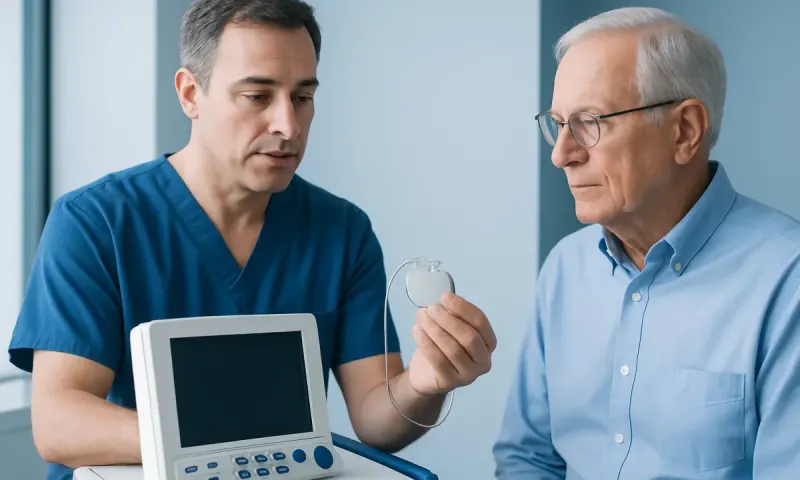
How Is a Pacemaker Fitted: A Complete Medical Overview
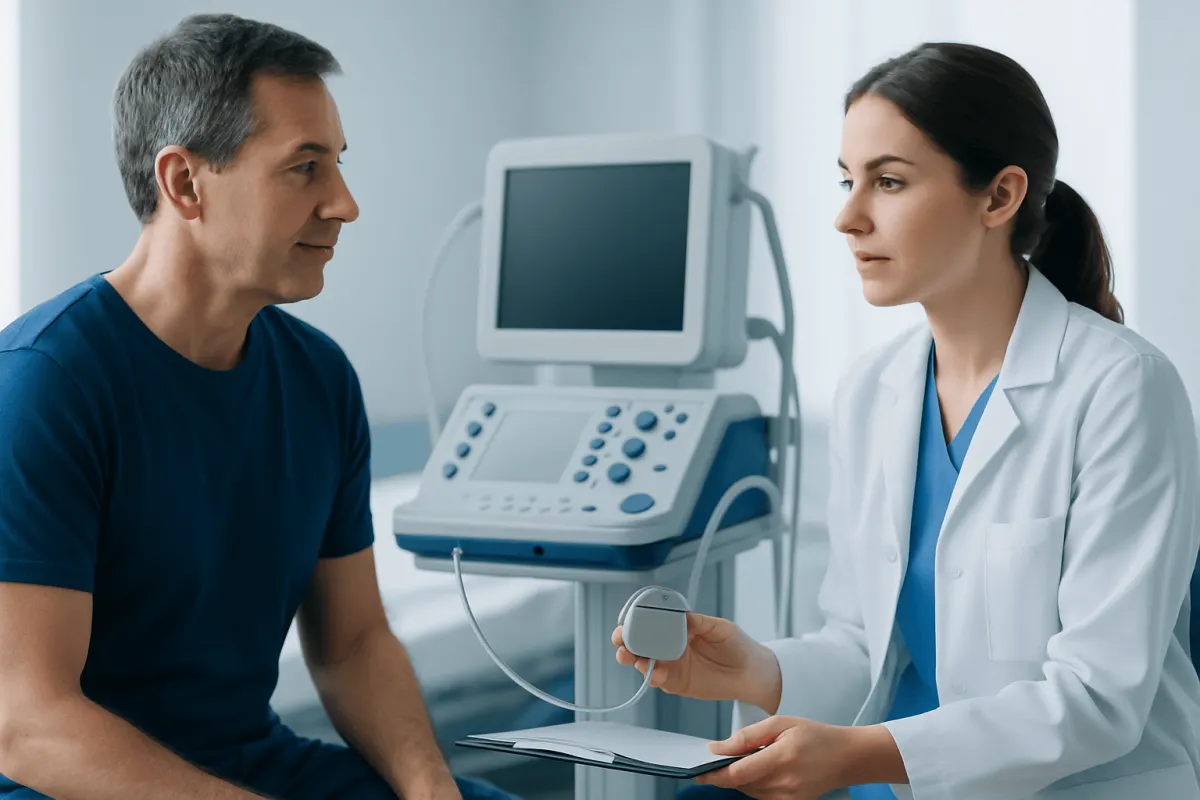
How is a pacemaker fitted? Most pacemakers are implanted during a planned procedure in which a small pulse generator is placed under the skin near the collarbone and connected to the heart by one or more thin leads. The procedure is usually performed with local anesthetic and sedation, followed by monitoring and individualized recovery advice.
Overview: How Is a Pacemaker Fitted?
How is a pacemaker fitted? A cardiology team makes a small incision, usually just below the collarbone, and places a compact battery-powered pulse generator beneath the skin. In a conventional system, one or more thin insulated wires, called leads, are passed through a nearby vein into the heart and connected to the generator. The device is then tested and programmed to support the person’s heartbeat when needed.
A pacemaker does not usually make the heart beat continuously. It monitors the heart rhythm and sends small electrical signals when the heart is beating too slowly or when electrical conduction is unreliable. It may be recommended for certain slow heart rhythms, including some forms of arrhythmia, or after evaluation of symptoms such as fainting, dizziness, fatigue or exercise intolerance.
There are several types of pacemakers. Traditional single-, dual- and biventricular devices use leads, while selected people may be suitable for a leadless pacemaker placed directly inside the heart through a catheter. The best option depends on the underlying rhythm condition, heart structure, expected pacing needs and the person’s overall health.
Before the Procedure: Assessment and Preparation
Before implantation, the cardiology team confirms why pacing is needed and chooses the most appropriate device. Assessment may include an electrocardiogram (ECG), ambulatory rhythm monitoring, blood tests, echocardiography and sometimes chest imaging. These tests help identify the rhythm problem and support safe procedural planning.
A clinician reviews current medicines, allergies, previous procedures and conditions that can affect bleeding, infection risk or anesthesia. People taking blood thinners, diabetes medicines or certain supplements should receive individual instructions; they should not stop prescribed medication unless the treating clinician tells them to do so.
Patients may be asked not to eat or drink for a period before the procedure, particularly if sedation is planned. On arrival, staff check vital signs, establish intravenous access and clean the area of the upper chest. Antibiotics may be given around the time of implantation to reduce the chance of infection.
It can be helpful to arrange transport home and support for the first day or two, depending on the care plan. The team will explain consent, expected recovery and who to contact if concerns arise after discharge.
How Is a Pacemaker Implanted in the Body?

For a standard transvenous pacemaker, the patient lies on an X-ray procedure table. The skin beneath one collarbone is cleaned, covered with sterile drapes and numbed with local anesthetic. Sedation may be offered to promote comfort and relaxation while allowing the patient to breathe independently and communicate if necessary.
The clinician makes a small incision and accesses a vein beneath the collarbone. Using live X-ray imaging, the leads are gently advanced through the vein and positioned in the relevant heart chamber or chambers. The team measures electrical signals and tests the lead positions to confirm they work reliably.
To explain how a pacemaker is attached to the body, the leads are secured near the vein entry point and connected to the generator. A small pocket under the skin or chest muscle holds the generator. The incision is then closed and covered with a sterile dressing. In some cases, a leadless device is delivered through a vein in the groin and attached to the inside wall of the heart, so no chest incision or leads are used.
Afterward, the device is programmed for the person’s rhythm needs. A chest X-ray and device check may be performed to confirm lead location and identify uncommon early complications. Pacemaker implantation is often part of broader cardiology care for heart rhythm conditions.
Is Installing a Pacemaker a Big Surgery?
Installing a pacemaker is an invasive procedure, but it is generally less extensive than open-heart surgery. Conventional implantation is commonly carried out in a cardiac catheterization laboratory or operating room using a small upper-chest incision, local anesthetic and sedation. The heart itself is not surgically opened.
Even so, it requires careful planning and skilled monitoring because leads are positioned within the heart and the device is placed under the skin. The exact complexity varies. A first-time single- or dual-chamber implant may be relatively straightforward, whereas replacing leads, implanting a biventricular pacing system or treating someone with complex heart disease may require more time and specialized techniques.
As with any procedure, there are risks. These can include bleeding or bruising, infection, blood vessel injury, a collapsed lung, lead movement, abnormal rhythms or, rarely, injury to the heart. The team monitors for these complications and discusses the individual risk profile before treatment.
Most people can return home on the same day or after an overnight stay, depending on their health, the procedure performed and local clinical protocols. A pacemaker is a long-term treatment, so ongoing follow-up is an important part of care.
How Many Hours Does It Take for Pacemaker Surgery?
A routine pacemaker implantation commonly takes about one to two hours. However, the full hospital visit is longer because it includes admission, preparation, anesthesia or sedation, device programming, observation and discharge planning. Patients should ask their own team what to expect because procedure times differ.
Some implants take longer. For example, placing more than one lead, implanting a cardiac resynchronization device, managing difficult vein access or replacing a previous system can increase the time required. A leadless pacemaker may have a different procedural pathway and recovery plan.
After the procedure, staff monitor blood pressure, oxygen level, heart rhythm and the incision site. Temporary discomfort around the chest pocket is common and is typically managed with the pain-relief approach advised by the clinical team. Before leaving, patients receive instructions on wound care, physical activity, medication and follow-up.
What Are the Downsides of Having a Pacemaker?
A pacemaker can significantly improve symptoms and safety for people who need rhythm support, but it also involves practical and medical considerations. The incision can be sore initially, and a visible or palpable device bump may be noticeable under the skin, particularly in people with less tissue over the chest. Some people need time to adjust emotionally to having an implanted device.
There is a small ongoing possibility of device-related issues, such as infection, lead malfunction, lead displacement or battery depletion. The battery does not usually run out suddenly; regular checks identify when generator replacement should be planned. Replacing the generator is generally less involved than the original implantation, although every procedure carries some risk.
People with pacemakers also need to inform healthcare professionals and dentists about the device before procedures. Some scans and treatments require special precautions. Many modern pacemakers are designed for MRI under specific conditions, but MRI safety must always be checked by the cardiology and imaging teams in advance.
Daily life is usually not heavily restricted. Household appliances and common electronics are generally safe when used normally, although strong magnetic fields and certain industrial equipment may interfere with a pacemaker. Individual device guidance should take priority over general advice.
What Can You Not Do After Having a Pacemaker Put In?
During early recovery, patients are commonly advised to avoid heavy lifting, vigorous upper-body exercise and repeated overhead movement of the arm on the implant side. These temporary precautions help the incision heal and reduce the chance that a newly placed lead moves. The duration varies, so the implanting team’s instructions should be followed closely.
Driving restrictions differ according to the reason for the pacemaker, local regulations and whether the person has experienced fainting or other symptoms. A clinician should confirm when driving can safely resume. Contact sports and activities that could cause a direct blow to the device area may require additional protection or individualized advice.
People should keep the wound clean and dry as instructed, avoid applying creams or powders unless advised, and watch for increasing redness, drainage, fever or worsening pain. They should attend all device-clinic appointments. Pacemaker checks may be done in person and, for many devices, through remote monitoring.
Long-term, most people can walk, travel, work and exercise in ways appropriate for their health. Airport and security screening staff should be told about the device, and patients may carry a pacemaker identification card. The cardiology team can provide practical guidance on exercise, work exposures and travel.
How Is a Pacemaker Maintained, and When Should Medical Care Be Sought?
How a pacemaker is maintained involves routine follow-up rather than daily care by the patient. At device checks, clinicians review the battery, lead function, stored rhythm information and pacing settings. Remote monitoring can transmit device information to the clinical team, but it does not replace urgent medical assessment when symptoms occur.
Patients should seek urgent medical care for chest pain, severe shortness of breath, fainting, new severe dizziness or symptoms that feel similar to those experienced before implantation. Prompt medical advice is also needed for fever, increasing redness, warmth, swelling, discharge or opening of the wound, as these may suggest infection.
A swollen, painful arm on the implant side, persistent hiccups or muscle twitching near the chest or abdomen, or a sudden change in exercise tolerance should be reported to the care team. These symptoms do not always mean there is a serious problem, but they should be assessed.
Acıbadem Health Point’s multidisciplinary specialists and JCI-accredited hospitals provide assessment, pacemaker implantation and follow-up for international patients. A cardiologist or cardiac electrophysiology team can explain whether pacing is appropriate and create an individualized monitoring plan.
Frequently asked questions
01How is a pacemaker performed?
Pacemaker implantation is performed in a sterile procedure room, usually with local anesthetic and sedation. A clinician places the generator beneath the skin near the collarbone and, for conventional systems, guides leads through a vein into the heart using X-ray imaging. The device is tested and programmed before the incision is closed.
02Does pacemaker implantation hurt?
Local anesthetic is used to numb the skin and deeper tissue, and sedation may help a person feel more comfortable. Pressure or pulling sensations can occur during the procedure, while soreness around the incision is common afterward. The care team can recommend suitable pain relief and should be told if pain is severe or worsening.
03How long does it take to recover after a pacemaker is fitted?
The skin incision usually begins healing over the first one to two weeks, while activity restrictions may continue longer to allow leads to settle. Recovery differs according to the device type, other health conditions and the reason for pacing. The implanting team gives individualized guidance on work, exercise, driving and arm movement.
04Can a person sleep on the side of the pacemaker?
Many people can eventually sleep in their preferred position once the wound has healed and discomfort has settled. Immediately after implantation, sleeping on the opposite side may be more comfortable and can avoid pressure on the incision. Patients should follow any specific advice from their care team.
05Can a pacemaker be removed?
A pacemaker may be removed or replaced in selected circumstances, such as infection, a device complication or a change in clinical need. Removing leads can be more complex than replacing the generator because leads may become attached to surrounding tissue over time. Decisions are made by an experienced electrophysiology team after careful assessment.
06How long does a pacemaker battery last?
Battery life varies with the device type, programmed settings and how often it needs to pace the heart. Regular device checks estimate remaining battery life well before replacement is needed. When the battery reaches its planned replacement point, the generator is usually replaced while functioning leads may remain in place.
This article is for general information only and is not a substitute for professional medical advice. Please consult a qualified doctor about your individual situation.
Heart care in Turkey — expert evaluation and treatment
JCI-accredited · board-certified surgeons · reply within 24h
Add us as a Preferred Source to see more of our trusted health content across Google Search, AI Overviews and Discover.