How Endoscopy Detects Ulcers, Cancer, and Reflux Damage
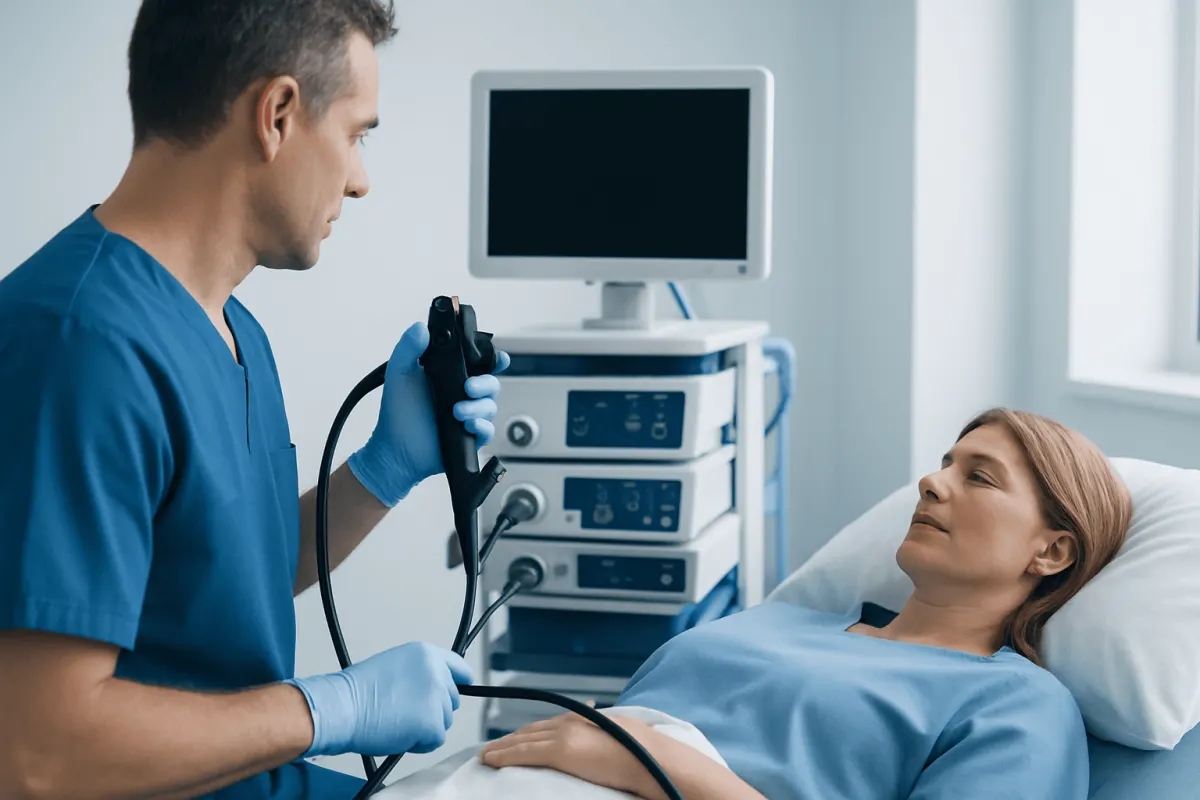
Upper endoscopy is a procedure that lets a gastroenterologist examine the esophagus, stomach, and first part of the small intestine. It can identify ulcers, inflammation from reflux, suspicious stomach changes, and many other causes of upper digestive symptoms, while biopsies can confirm certain diagnoses.
What Is an Upper Endoscopy?
An upper endoscopy, also called gastroscopy or esophagogastroduodenoscopy (EGD), is a procedure used to examine the lining of the upper digestive tract. This includes the esophagus, which carries food from the mouth to the stomach; the stomach; and the duodenum, the first part of the small intestine. A specialist passes a thin, flexible tube with a light and camera through the mouth while the person is sedated or made comfortable with medication.
The camera provides close-up images that are more detailed than many imaging tests for surface changes in the digestive lining. During the examination, the clinician may take small tissue samples, called biopsies, remove certain small growths, or treat some sources of bleeding. Endoscopy and colonoscopy services may be recommended when symptoms or test results suggest a condition affecting the digestive tract.
Upper endoscopy is particularly useful for investigating ongoing heartburn, Abdominal Pain: Causes and Treatment" class="ahp-ilk">upper abdominal pain, nausea, vomiting, swallowing difficulties, anemia, gastrointestinal bleeding, or unexplained weight loss. It is also used for follow-up in people with selected known conditions, depending on their individual clinical situation.
Can Endoscopy Detect Stomach Cancer?
Yes. Endoscopy is one of the main tests used to detect suspected stomach cancer because it allows the doctor to view the stomach lining directly. The examination may show a mass, ulcer-like area, thickened folds, irregular tissue, bleeding, or another abnormal area. However, appearance alone cannot reliably confirm whether an abnormality is cancerous.
If an area looks suspicious, the doctor takes biopsies during the procedure. A pathologist examines these samples under a microscope to determine whether cancer cells, precancerous changes, inflammation, or another condition is present. Multiple biopsies may be taken because some abnormalities are patchy or may not be fully represented by one small sample.
Endoscopy can identify stomach cancer at different stages, including early cancers that may cause few or no symptoms. If cancer is confirmed, further tests such as CT scanning, endoscopic ultrasound, or laboratory tests may be used to assess its extent and help guide treatment. Endoscopy is an important diagnostic tool, but it does not by itself determine the full stage of a cancer.
People with persistent symptoms should not assume they have cancer, as indigestion and upper abdominal discomfort are common and often have non-cancerous causes. Still, prompt assessment is important when symptoms are new, persistent, worsening, or accompanied by warning signs such as bleeding, weight loss, persistent vomiting, or difficulty swallowing.
Can Endoscopy Find Stomach and Duodenal Ulcers?
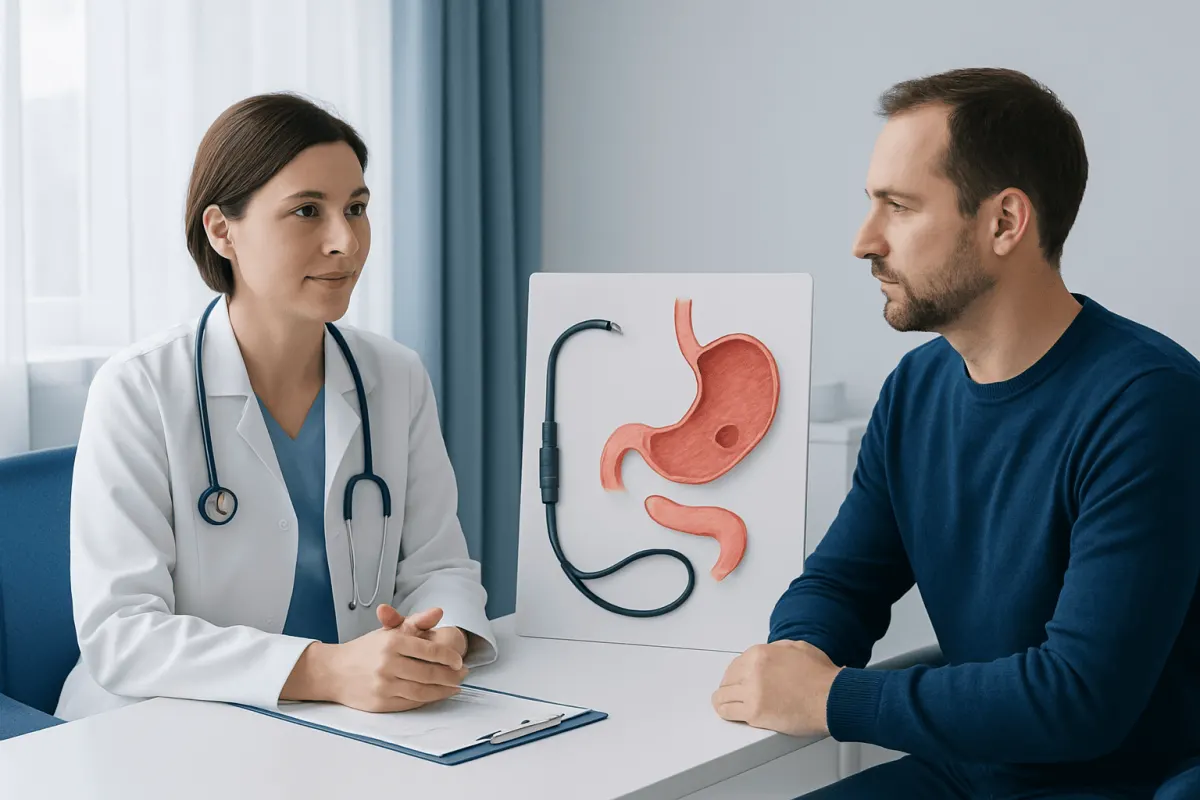
Endoscopy is highly effective for finding peptic ulcers, which are open sores in the lining of the stomach or duodenum. It can show the ulcer’s location, size, depth, and features that may indicate recent or active bleeding. This information helps the doctor assess whether treatment is needed immediately and plan follow-up appropriately.
Many ulcers are associated with infection by Helicobacter pylori (H. pylori), regular use of nonsteroidal anti-inflammatory drugs (NSAIDs), or a combination of factors. During endoscopy, biopsies may be taken to test for H. pylori and to assess stomach ulcers carefully. Biopsy is especially important for some gastric ulcers because rarely an ulcer-like lesion can be caused by cancer.
If an ulcer is bleeding, endoscopy can often provide treatment at the same time. Depending on the situation, the specialist may use injection therapy, thermal treatment, clips, or other techniques to control bleeding. People can learn more about peptic ulcer evaluation and treatment and the causes that should be addressed to support healing.
Symptoms of an ulcer can include burning or gnawing upper abdominal pain, nausea, early fullness, bloating, or indigestion. However, some ulcers cause little discomfort until complications occur. A person should seek urgent care for vomiting blood, material that resembles coffee grounds, black tarry stools, fainting, severe weakness, or sudden severe abdominal pain.
Can Endoscopy Show Reflux Damage?
Endoscopy can detect injury caused by gastroesophageal reflux disease (GERD), also called reflux disease. Repeated exposure to stomach acid can inflame the lower esophagus, leading to erosive esophagitis, ulcers, narrowing of the esophagus, or bleeding in some people. The examination can show redness, breaks in the lining, scarring, strictures, or other complications.
Not all people with reflux symptoms have visible changes on endoscopy. Heartburn can occur even when the lining appears normal, sometimes called non-erosive reflux disease. In these situations, the doctor may diagnose reflux based on symptoms and treatment response, or recommend additional testing such as ambulatory pH monitoring or impedance testing when clarification is needed.
Endoscopy can also identify Barrett’s esophagus, a change in the lower esophageal lining that can develop in some people with long-standing reflux. Biopsies are needed to confirm Barrett’s esophagus and to check for abnormal cells. The presence of Barrett’s esophagus does not mean a person has cancer, but it may require individualized follow-up.
Management may include lifestyle measures, acid-suppressing medicines, and treatment of complications when appropriate. Reflux disease care is tailored to symptom pattern, endoscopy findings, risk factors, and a person’s overall health.
Who May Need an Endoscopy?
A doctor may recommend endoscopy when upper digestive symptoms are persistent, recurrent, severe, or not improving with initial treatment. Common reasons include troublesome heartburn, pain in the upper abdomen, recurrent vomiting, swallowing problems, unexplained iron-deficiency anemia, suspected ulcer disease, or signs of bleeding.
Endoscopy is particularly important when alarm symptoms are present. These include food sticking during swallowing, painful swallowing, vomiting blood, black stools, unexplained loss of weight, persistent vomiting, anemia, a family history that increases concern for upper gastrointestinal cancer, or new symptoms in an older adult. The timing and urgency of testing depend on the individual symptoms and medical assessment.
Some people may need endoscopy for surveillance rather than for symptoms. For example, selected patients with Barrett’s esophagus, previous ulcers with concerning features, or certain inherited or regional risk factors for gastric cancer may be offered scheduled monitoring. A gastroenterologist can explain whether surveillance is appropriate and how often it may be needed.
Endoscopy is not always the first test for mild, uncomplicated indigestion or occasional heartburn. Doctors may first consider a review of medicines, testing for H. pylori, a trial of treatment, dietary and lifestyle measures, or other investigations. The best approach is based on the full clinical picture rather than any single symptom.
How to Prepare and What to Expect
Before an upper endoscopy, patients are usually asked not to eat or drink for a specified period so the stomach is empty. The care team gives exact instructions, including which regular medicines should be continued, adjusted, or temporarily stopped. It is important to mention blood-thinning medicines, diabetes medicines, allergies, pregnancy, heart or lung conditions, and any prior problems with sedation.
During the procedure, a sedative is commonly used to promote comfort and relaxation. A mouth guard may protect the teeth and the endoscope. The procedure itself often takes a short time, although preparation and recovery mean the overall visit is longer. The endoscope does not block breathing.
Afterward, temporary throat soreness, bloating, or passing gas can occur because air or carbon dioxide is used to expand the digestive tract for clear viewing. Sedation can affect alertness and coordination for the rest of the day, so patients generally need a responsible adult to accompany them home and should avoid driving, alcohol, and important decisions until advised otherwise.
Serious complications are uncommon but can include bleeding, a reaction to sedation, infection, or a tear in the digestive tract. The risk is higher when therapeutic procedures are performed. Patients should contact their care team promptly after the test if they develop worsening chest or abdominal pain, fever, vomiting, trouble breathing, difficulty swallowing, or signs of bleeding.
Understanding Results and Next Steps
Some endoscopy findings can be discussed immediately, such as visible inflammation, an ulcer, a narrowing, or a suspected source of bleeding. Biopsy results take longer because tissue must be processed and reviewed by a pathologist. The doctor will explain when and how results will be available and whether additional tests or follow-up are needed.
A normal endoscopy can be reassuring, but it does not rule out every possible cause of digestive symptoms. Functional dyspepsia, non-erosive reflux, medication effects, gallbladder conditions, and disorders outside the upper digestive tract may not produce visible changes. Further evaluation may be considered if symptoms persist.
When an ulcer, H. pylori infection, reflux injury, Barrett’s esophagus, or cancer is diagnosed, care plans vary. They may include medication, removal or avoidance of ulcer-causing medicines when possible, follow-up testing to confirm H. pylori eradication, nutritional guidance, endoscopic therapy, surgery, or cancer treatment. Decisions should be made with a qualified clinician who can account for biopsy findings and personal health needs.
Acıbadem Health Point’s multidisciplinary specialists and JCI-accredited hospitals evaluate and treat digestive conditions for international patients, including those who need endoscopic diagnosis and coordinated follow-up care.
When to Seek Medical Care
A medical appointment is appropriate for persistent heartburn, recurring upper abdominal pain, frequent nausea or vomiting, ongoing indigestion, or new difficulty swallowing. A clinician can assess possible causes, review medicines such as NSAIDs, and determine whether endoscopy or another test is appropriate.
Urgent medical attention is needed for vomiting blood, coffee-ground-like vomit, black tarry stools, fainting, marked dizziness, severe weakness, sudden severe abdominal pain, or chest pain. These symptoms can have several causes, including gastrointestinal bleeding, and should be assessed without delay.
People with reflux can often reduce symptoms by avoiding meals close to bedtime, identifying personal trigger foods or drinks, limiting alcohol where relevant, stopping smoking, and maintaining a weight that supports health. These measures do not replace medical evaluation when alarm symptoms are present or when symptoms continue despite self-care.
Regular follow-up is important when biopsies show Barrett’s esophagus, H. pylori infection, an ulcer requiring reassessment, or other significant findings. Understanding the results and attending recommended review appointments can help ensure that treatment is adjusted safely and effectively.
Frequently asked questions
01Is endoscopy the best test for stomach cancer?
Upper endoscopy is a key test when stomach cancer is suspected because it allows direct inspection of the stomach lining and enables biopsies. A biopsy is required to confirm cancer. Additional scans and tests may be needed if cancer is diagnosed to determine its extent.
02Can an endoscopy miss stomach cancer?
Endoscopy is very useful, but no test is perfect. Very small, subtle, hidden, or difficult-to-reach abnormalities can occasionally be missed, and biopsies may not always capture abnormal cells. If symptoms continue or concern remains, the doctor may recommend repeat endoscopy, further biopsies, or other tests.
03Will endoscopy show whether reflux is causing my heartburn?
Endoscopy can show reflux complications such as esophagitis, ulcers, narrowing, or Barrett’s esophagus. However, many people with reflux symptoms have a normal-looking esophagus. In that situation, symptom assessment and, when needed, reflux monitoring tests can provide additional information.
04Does an ulcer always cause pain?
No. Some stomach or duodenal ulcers cause typical burning upper abdominal pain, but others cause mild symptoms or none at all. Bleeding, anemia, nausea, or indigestion may be the first signs in some people.
05Are biopsies during endoscopy painful?
Biopsies are usually painless because the digestive tract lining does not sense cutting in the same way as the skin. They are small samples taken through the endoscope during the procedure. Sedation also helps most patients remain comfortable.
06How long does it take to get endoscopy biopsy results?
Timing varies by hospital and the type of testing needed, but pathology results are commonly available within several days to around two weeks. Tests for special infections or detailed cell changes can sometimes take longer. The care team will explain how the results will be communicated.
This article is for general information only and is not a substitute for professional medical advice. Please consult a qualified doctor about your individual situation.
Medical weight-loss options in Turkey — costs & eligibility
JCI-accredited · board-certified surgeons · reply within 24h
Add us as a Preferred Source to see more of our trusted health content across Google Search, AI Overviews and Discover.