How Does Liposuction Remove Fat Cells?
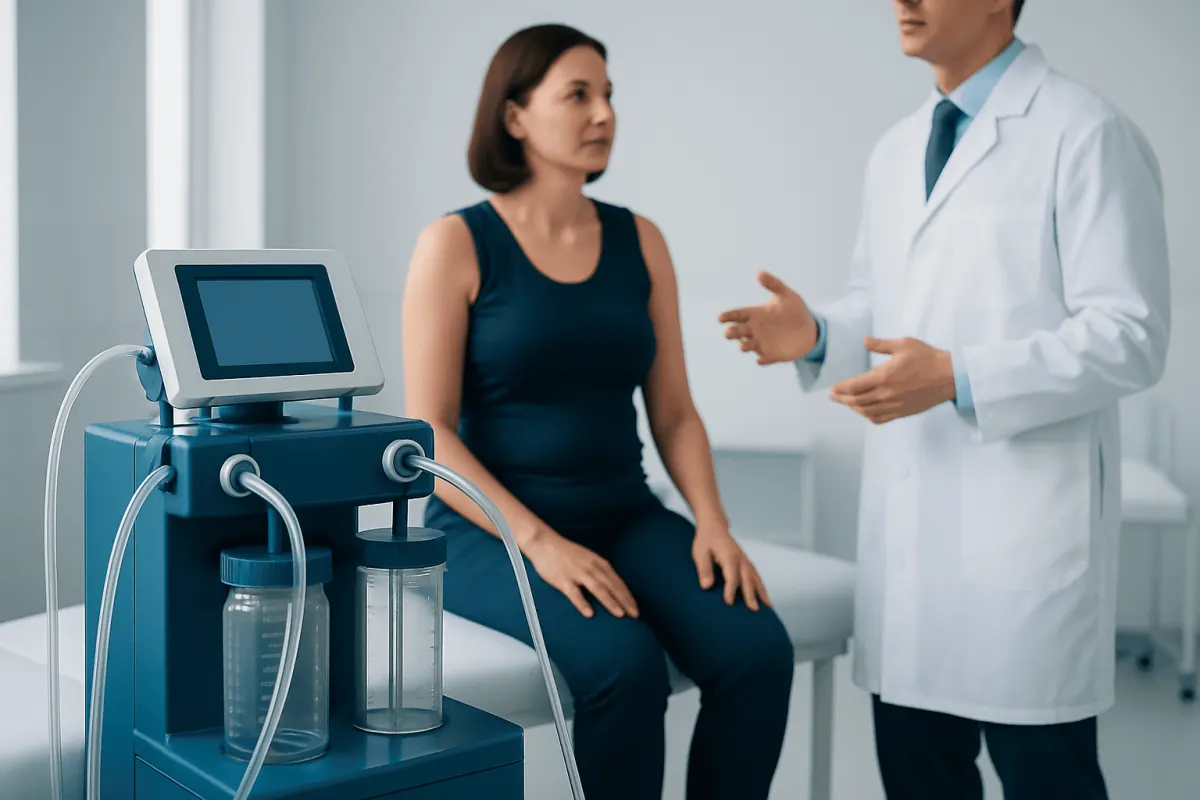
Liposuction is a surgical body-contouring procedure that removes localized deposits of fat through a thin tube called a cannula. It can reshape areas that do not respond as expected to diet and exercise, but it is not a treatment for obesity or a substitute for healthy weight management.
How Does Liposuction Work?
Liposuction works by physically removing selected deposits of fat from beneath the skin. During the procedure, a surgeon makes very small incisions and inserts a narrow hollow tube called a cannula. The cannula is moved carefully through the fatty layer to loosen fat cells, which are then removed with controlled suction.
Before suction begins, many procedures use a fluid containing saline, a local anesthetic, and medicine that helps reduce bleeding. This is often called tumescent fluid. Depending on the treatment area and surgical plan, the surgeon may also use techniques such as power-assisted, ultrasound-assisted, or laser-assisted liposuction to help loosen fat. The safest and most appropriate technique varies from person to person.
Liposuction treats subcutaneous fat, which is the pinchable layer beneath the skin. For example, when considering how liposuction works on belly fat, it is important to know that it can reduce fat under the abdominal skin but cannot remove visceral fat around the internal organs. It is therefore a contouring procedure, not a treatment for obesity, metabolic disease, or a replacement for nutrition, physical activity, or weight-management care.
Who May Be a Candidate for Liposuction?
A suitable candidate is usually an adult in generally good health who is close to a weight they can maintain and has specific areas of persistent fat. These areas may include the abdomen, flanks, hips, thighs, upper arms, back, knees, chin, or neck. Good skin elasticity can help the skin adjust to a new contour, although some people may need a separate skin-tightening procedure if loose skin is a major concern.
During consultation, the surgeon reviews medical conditions, previous operations, medications, allergies, smoking or nicotine use, and goals for body shape. People with uncontrolled medical conditions, active infection, significant bleeding risks, or unrealistic expectations may be advised to delay or avoid surgery. Nicotine can impair wound healing, so patients are commonly asked to stop smoking and avoid nicotine products before and after surgery as directed by their clinical team.
How liposuction works on thighs, arms, and the chin follows the same basic principle, but each area requires different planning because skin quality, nearby nerves, and the desired contour differ. Liposuction may also be considered as part of specialist care for selected people with lipedema. In this setting, how liposuction works for lipedema is more complex: it may reduce painful, disproportionate fatty tissue and improve function for some patients, but it does not cure the condition and should be assessed by clinicians experienced in lipedema care.
What Happens During the Liposuction Procedure?
The process begins with preoperative markings while the patient is standing, helping the surgeon plan treatment zones and preserve natural body proportions. On the day of surgery, the type of anesthesia is chosen according to the areas being treated, the expected extent of surgery, medical history, and patient comfort. Smaller procedures may be performed with local anesthesia and sedation, while broader treatment may require general anesthesia.
After the skin is cleaned, the surgeon creates small, carefully placed incisions and introduces the tumescent fluid when indicated. A cannula is then inserted through the incisions, and fat is loosened and suctioned out in a controlled pattern. The surgeon continually assesses symmetry and contour rather than removing fat indiscriminately. This helps reduce the chance of unevenness and supports a proportionate result.
The incisions may be left partially open for fluid drainage or closed with small stitches, depending on the technique. A compression garment is usually fitted to support the treated area and help limit swelling. Most patients go home on the same day, but this depends on the extent of surgery, anesthesia used, medical history, and whether other procedures are performed at the same time. A reliable how does liposuction work video can illustrate the cannula and suction process, but it cannot replace individualized discussion with a qualified surgeon.
Is It Painful to Have Liposuction?
Liposuction should not be painful during the operation because anesthesia and, when appropriate, sedation or general anesthesia are used. Patients may feel pressure or movement during procedures performed under local anesthesia, but they should tell the surgical team if they feel pain or significant discomfort. The anesthesia plan is discussed before surgery so patients know what to expect.
Afterward, soreness is common and is often described as similar to bruising, muscle tenderness, or stiffness. Swelling, bruising, numbness, and temporary sensitivity can also occur in the treated area. Discomfort is usually most noticeable in the early recovery period and gradually improves, although altered sensation may take longer to settle.
The surgeon may recommend prescribed or non-prescription pain relief when appropriate, along with compression garments and gentle walking. Patients should use medicines only as instructed and should not add supplements or anti-inflammatory medicines without checking first, as some products can affect bleeding or interact with prescribed treatment.
Recovery Timeline and Self-Care After Liposuction
Recovery is individual and depends on the number and size of treated areas, the technique used, and a person’s general health. In the first days, patients may have swelling, bruising, fluid drainage from incisions, and limited comfort with movement. Short, gentle walks are usually encouraged soon after surgery because they support circulation, but strenuous activity should be avoided until the surgeon confirms it is safe.
Many people can return to light daily activities within days or a short period of time, while work and exercise plans need to be individualized. A compression garment is commonly worn for a period advised by the surgeon. Follow-up appointments allow the team to check healing, manage dressings or drains if used, and assess whether swelling is resolving as expected.
Early contour changes may be visible, but swelling can temporarily hide the result. The area often continues to refine over weeks, and final results may take several months to become clear. Attending follow-up visits, maintaining hydration and balanced nutrition, avoiding nicotine, and following activity restrictions are practical ways to support recovery.
How Long Do Liposuction Results Last?
The fat cells removed during liposuction are permanently removed from the treated area. This means the contour improvement can be long-lasting when a person maintains a relatively stable weight. However, liposuction does not prevent future weight gain, natural aging, hormonal changes, or changes in skin elasticity.
Remaining fat cells can enlarge if overall body weight increases. Weight gain may affect both treated and untreated areas, so the body shape may change over time. Regular physical activity, a balanced eating pattern, sufficient sleep, and ongoing medical care for relevant health conditions can help preserve the result.
Patients should view liposuction as one component of a long-term approach to health and body confidence, rather than a one-time solution for weight management. A surgeon can explain what degree of contour change is realistic for the selected body area and skin quality.
Where Does the Fat Go After Liposuction?
The fat removed by liposuction is suctioned through the cannula into a sterile collection container. It is then handled and disposed of according to clinical safety procedures. In standard liposuction, the removed fat does not travel elsewhere in the body and does not melt away through the liver or kidneys.
Some fat cells may be processed for fat grafting during a planned procedure, such as transferring a patient’s own fat to another area. This is a separate surgical decision that requires discussion of benefits, limitations, and risks. It is not routinely part of every liposuction procedure.
A common question seen in searches such as “how does liposuction work reddit” is whether fat will return in a different location. Fat does not migrate from the treated area to another body part. Still, if a person gains significant weight, remaining fat cells throughout the body can enlarge, which may alter overall proportions.
Is Liposuction 100% Safe?
No surgical procedure, including liposuction, is 100% safe. Liposuction is commonly performed, and careful patient selection, appropriate surgical planning, qualified anesthesia care, and treatment in a properly equipped facility all help reduce risk. The extent of treatment and whether procedures are combined can also affect safety considerations.
Possible complications include bleeding, infection, fluid collection, prolonged swelling, temporary or persistent numbness, contour irregularities, asymmetry, skin discoloration, scarring, and reactions to anesthesia. Less common but serious complications can include blood clots, fat embolism, fluid imbalance, injury to deeper structures, and breathing problems. A detailed preoperative assessment and following aftercare instructions are important parts of risk reduction.
When to seek medical care
Patients should contact their surgical team promptly for worsening pain, increasing redness or warmth, fever, foul-smelling drainage, persistent vomiting, or swelling that seems unusual. Emergency medical care is needed for chest pain, trouble breathing, fainting, confusion, heavy bleeding, or sudden pain and swelling in one leg. For international patients, Acıbadem Health Point’s multidisciplinary specialists and JCI-accredited hospitals can assess and treat patients considering or recovering from liposuction.
Frequently asked questions
01Does liposuction remove weight?
Liposuction removes localized fat, but it is not designed as a weight-loss procedure. The amount removed is usually not intended to produce a major change on the scale. Its purpose is to improve contour in selected areas.
02Can liposuction tighten loose skin?
Liposuction mainly removes fat and does not reliably tighten significant loose skin. Skin with good elasticity may contract to some degree after fat removal. If skin laxity is substantial, a surgeon may discuss other procedures that remove or tighten excess skin.
03How does liposuction work on arms and chin?
On the arms and chin, liposuction removes small, localized fat deposits through tiny incisions using a narrow cannula. These areas require careful technique because contour changes can be highly visible. Skin elasticity is particularly important when planning treatment of the upper arms, chin, and neck.
04Can belly fat come back after liposuction?
The removed fat cells do not grow back in the treated area. However, remaining fat cells can enlarge if body weight increases, and untreated areas can also accumulate fat. Liposuction cannot remove visceral fat inside the abdomen.
05How soon can someone exercise after liposuction?
Gentle walking is often encouraged early in recovery, but strenuous exercise should wait until the surgeon gives approval. The appropriate timing depends on the extent of surgery, healing progress, and whether other procedures were performed. Returning too quickly can increase discomfort and interfere with recovery.
06Is liposuction used to treat lipedema?
Liposuction may be considered for some people with lipedema when symptoms persist despite conservative management. It should be evaluated by a team familiar with lipedema, as surgical planning differs from cosmetic contouring. The procedure may help selected symptoms and mobility concerns, but it is not considered a cure.
This article is for general information only and is not a substitute for professional medical advice. Please consult a qualified doctor about your individual situation.
Medical weight-loss options in Turkey — costs & eligibility
JCI-accredited · board-certified surgeons · reply within 24h
Add us as a Preferred Source to see more of our trusted health content across Google Search, AI Overviews and Discover.