

How Do Kidney Stones Form?
- 8 min read
- Published November 29, 2026
Key Takeaways
- Kidney stones develop when urine becomes concentrated and crystal-forming substances are more likely to stick together.
- Pain is common, but symptoms can also include nausea, blood in the urine, and urinary urgency.
- Risk is affected by fluid intake, diet, body weight, medications, and conditions that change urine chemistry.
- Diagnosis usually includes urine tests, blood tests, and imaging to identify stone size and location.
- Many stones pass with supportive care, while larger or persistent stones may need medical procedures.
Kidney stones form when minerals and salts in urine crystallize and clump together. They can be influenced by hydration, diet, family history, certain medical conditions, and some medicines.
Overview
Kidney stones are hard deposits that form inside the kidneys when urine contains too much of certain minerals, acids, or salts and not enough fluid to keep them diluted. Over time, tiny crystals can join together and grow into a stone that may stay in the kidney or move into the urinary tract.
For many people, the first question is not just what a stone is, but how it started in the first place. The short answer is that kidney stones usually develop when the balance inside urine changes: more crystal-forming material, less water, or both. That shift may happen quietly, which is why some people do not know they are at risk until a stone causes pain.
Although kidney stones are common, they do not all behave the same way. Some are small enough to pass on their own, while others block urine flow and need treatment. A doctor can help identify the likely cause and suggest ways to lower the chance of another stone.
Symptoms
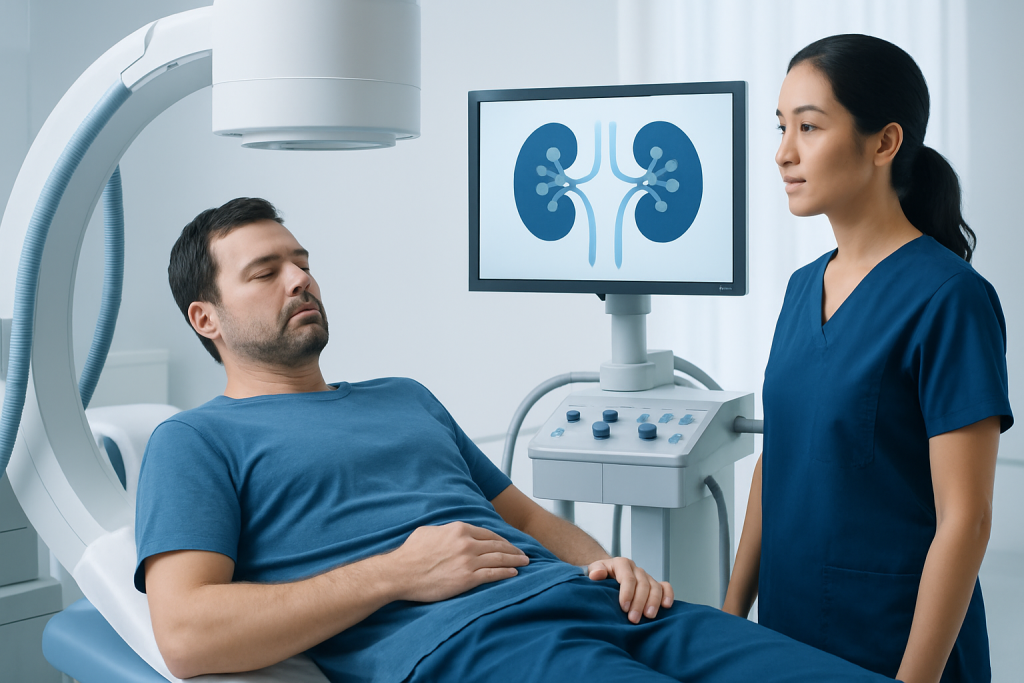
Kidney stones often announce themselves with sudden pain, but the pattern can vary depending on where the stone is and whether it is moving. Pain may begin in the side or lower back and can shift toward the abdomen or groin as the stone travels.
Other symptoms may appear alongside the pain, including:
- Blood in the urine, which may look pink, red, or brown
- Nausea or vomiting
- A frequent urge to urinate
- Pain or burning during urination
- Cloudy or unusually strong-smelling urine
Some stones cause only mild discomfort or no noticeable symptoms at all, especially when they remain in the kidney. In these cases, the stone may be found during imaging done for another reason.
Causes & Risk Factors

Kidney stones form when urine becomes too concentrated for a long enough time that crystals can begin to collect. Dehydration is one of the most common contributors, because less fluid means minerals are less diluted and more likely to settle into stone form.
Several factors can raise the likelihood of stone formation. Family history matters, and so do patterns that affect urine chemistry, such as frequent high sodium intake, low fluid intake, or diets high in certain stone-promoting substances. Some medical conditions, such as recurrent urinary tract infections, gout, digestive disorders, or overactive parathyroid glands, can also increase risk.
Other contributors may include:
- Obesity or metabolic syndrome
- Low intake of calcium from food in some situations, or excess calcium from certain supplements
- High intake of animal protein or salt
- Some medications that change urine composition
- A history of previous kidney stones
Different stone types have different triggers. For example, calcium stones are the most common overall, but uric acid, struvite, and cystine stones each have their own pattern of causes and prevention strategies.
Diagnosis
When someone seeks care for suspected kidney stones, the evaluation usually begins with symptoms, medical history, and a physical exam. The doctor may ask about the location of pain, how it started, whether there has been blood in the urine, and whether the person has had stones before.
Urine and blood tests can help show whether infection, dehydration, abnormal mineral levels, or kidney strain may be involved. Imaging is often used to confirm a stone, find its size, and see whether it is blocking urine flow. Depending on the situation, a doctor may use ultrasound, X-ray, or computed tomography (CT).
If a stone is passed, it may be collected and analyzed. That information can be especially useful because knowing the stone type can guide future prevention. For international patients, this is also the point where careful coordination matters: imaging results, lab reports, and prior records can help a specialist build a practical plan without repeating unnecessary tests.
Treatment Options
Treatment depends on the size of the stone, the level of pain, whether there is infection, and whether the stone is blocking the urinary tract. Small stones may pass on their own with supportive care, while larger stones or stones that cause obstruction often need a procedure.
Common approaches include pain relief, hydration guidance, and monitoring while the stone moves. Some doctors also prescribe medicines that help relax the ureter, making passage easier in certain cases. If the stone is unlikely to pass or symptoms are persistent, procedures may be recommended.
Procedural options can include:
- Shock wave treatment to break stones into smaller pieces
- Ureteroscopy, where a thin scope is used to reach and remove or break the stone
- Percutaneous procedures for larger or more complex stones
If infection occurs along with a blocked urinary tract, it is treated as a more urgent situation because urine needs to drain properly. After recovery, a doctor may suggest a prevention plan based on the stone type and the factors that made it form.
Prevention & Self-care
Prevention is often very practical, and small daily habits can make a meaningful difference. The most important goal is usually to keep urine from becoming too concentrated, which often means drinking enough fluids throughout the day so urine stays lighter in color.
Diet advice should be individualized rather than one-size-fits-all. Many people benefit from moderating salt intake, avoiding extreme high-protein patterns, and eating a balanced diet that includes calcium from food when appropriate. A doctor may also advise adjusting oxalate-rich foods, vitamin supplements, or other habits depending on the stone type.
Helpful self-care steps often include:
- Drinking fluids regularly, especially in hot weather or during travel
- Not ignoring repeated urinary symptoms
- Following up after a first stone to understand why it happened
- Keeping any passed stone for analysis if advised
- Reviewing medicines and supplements with a clinician
For people traveling for care or follow-up, planning matters. Bringing prior scans, lab results, and a medication list can make it easier for the treating team to tailor advice and reduce delays in decision-making.
When to See a Doctor
Medical evaluation is wise whenever kidney stone symptoms are new, severe, or recurring. Pain that does not improve, blood in the urine, vomiting that makes it hard to drink fluids, or symptoms that suggest infection all deserve prompt attention.
A doctor should be contacted quickly if there is fever, chills, trouble urinating, or pain with a known stone, because these may signal obstruction or infection that needs urgent care. People with one kidney, pregnancy, or chronic kidney disease should seek medical guidance early rather than waiting to see whether the stone passes.
For patients considering treatment abroad, it is helpful to choose a center that can connect diagnosis, procedure, and follow-up clearly. Acibadem Health Point’s multidisciplinary specialists and JCI-accredited hospitals diagnose and treat kidney stones for international patients, with an emphasis on coordinated care from first assessment through recovery.
Frequently asked questions
01How do you get kidney stones in the first place?
Kidney stones usually form when urine becomes concentrated and minerals or salts crystallize together. Not drinking enough fluids is a common reason, but diet, family history, medications, and certain health conditions can also play a role.
02Are kidney stones always caused by dehydration?
No. Dehydration is an important risk factor, but it is not the only one. Some people form stones because of inherited tendencies, metabolic conditions, infections, or specific urine chemistry changes even when they drink reasonably well.
03Can kidney stones go away without treatment?
Some small stones pass on their own with time, fluids, and pain control, but others do not. The chance of passing depends on the stone’s size, shape, and location, so imaging and medical advice are important.
04What does kidney stone pain usually feel like?
Many people describe sudden, intense pain in the side or back that may move toward the lower abdomen or groin. The pain can come in waves and may be accompanied by nausea or blood in the urine.
05How can a person lower the chance of another stone?
The best prevention depends on the stone type, but drinking enough fluids and reducing excess salt are common starting points. A doctor may also recommend changes in diet, supplements, or medications after reviewing tests.
06When is a kidney stone an emergency?
Fever, chills, severe pain, inability to urinate, or vomiting that prevents drinking should be evaluated quickly. These symptoms can suggest blockage or infection, which may need urgent treatment.
This article is for general information only and is not a substitute for professional medical advice. Please consult a qualified doctor about your individual situation.
Persistent digestive symptoms? Get evaluated in Turkey
JCI-accredited · board-certified surgeons · reply within 24h
Add us as a Preferred Source to see more of our trusted health content across Google Search, AI Overviews and Discover.



How can we help you today?
Meet an Acibadem specialist by secure video, before you travel.
Book a video visit