How Can You Fix a Prolapse Without Surgery?
Many people can manage pelvic organ prolapse without surgery through pelvic floor muscle training, changes that reduce strain, and a vaginal pessary fitted by a clinician. These approaches may improve comfort and daily function, although they do not always fully correct the anatomical prolapse.
Overview: Can a Prolapse Be Fixed Without Surgery?
Pelvic organ prolapse occurs when the muscles and connective tissues supporting the pelvic organs become weaker. The bladder, uterus, small bowel, rectum, or vaginal walls may then press downward into or through the vagina. People searching for how to fix a prolapse without surgery can often find meaningful symptom relief with pelvic floor rehabilitation, lifestyle measures, and a fitted vaginal pessary.
Non-surgical treatment is not intended to “push” organs permanently back into their original position. Instead, it reduces pressure on the pelvic floor, improves muscle support, and may hold the prolapse in a more comfortable position. The best approach depends on the prolapse type, severity, symptoms, general health, future pregnancy plans, and personal preferences.
Terms can be confusing. A cystocele is a bladder prolapse, a rectocele involves the rectum pressing into the back vaginal wall, and uterine prolapse involves downward movement of the uterus. Rectal prolapse, in which the rectum protrudes through the anus, is a different condition and should be medically assessed rather than managed solely at home.
Symptoms and Types of Pelvic Organ Prolapse
Some people have a prolapse without noticeable symptoms. Others describe a feeling of heaviness, dragging, pressure, or a bulge in or near the vagina. Symptoms can become more apparent after standing for a long time, exercising, coughing, lifting, or straining during a bowel movement, and may improve when lying down.
Depending on the organ involved, prolapse may also cause urine leakage, difficulty starting urination, a sense that the bladder does not empty completely, recurrent urinary infections, constipation, or difficulty emptying the bowel. Sexual discomfort may occur for some people, though many continue to have comfortable and satisfying sexual activity.
Pelvic organ prolapse is distinct from a “prolapse disc” in the spine. A prolapsed or herniated disc affects the back and nerves, not the pelvic organs, and needs a different assessment and treatment plan. Likewise, bladder prolapse is uncommon in men because it is usually associated with vaginal pelvic support structures; men with urinary symptoms should seek an individual urologic evaluation.
How Non-Surgical Prolapse Care Works
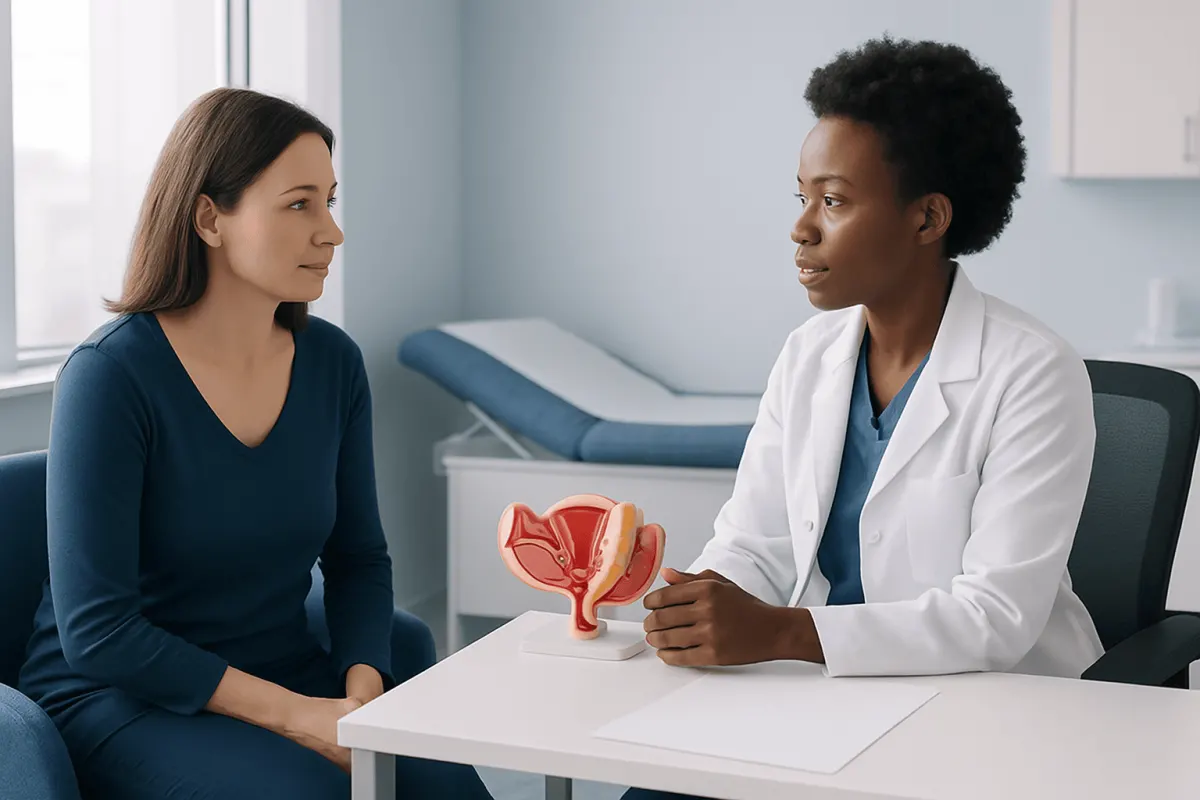
The main non-surgical strategies work in complementary ways. Pelvic floor muscle training improves the strength, coordination, and endurance of the muscles that support the bladder, uterus, bowel, and vagina. A clinician may also teach breathing and pressure-management techniques, because repeatedly holding the breath and straining can place excess downward force on these tissues.
A vaginal pessary is a soft silicone device inserted into the vagina by a trained healthcare professional. It supports the vaginal walls and pelvic organs, much like an internal brace. Different shapes and sizes are available, and a proper fitting is important for comfort, effectiveness, and safe use. Pessary treatment may be suitable for short-term symptom control, long-term management, during pregnancy in selected cases, or while a person considers other options.
Medical treatment may also address factors that aggravate prolapse. For example, local vaginal estrogen may be considered for some postmenopausal patients with vaginal dryness or fragile tissues, if clinically appropriate. It does not reverse prolapse, but it can improve tissue comfort and may help with pessary tolerance. A clinician should advise on suitability, particularly for anyone with a history of hormone-sensitive conditions.
Who May Be a Candidate and What to Expect
Non-surgical treatment is commonly considered when symptoms are mild or moderate, surgery is not desired, surgery carries added risk, or future pregnancy is planned. It can also be helpful for more advanced prolapse when a pessary provides adequate support. An evaluation by a gynecologist, urogynecologist, pelvic floor specialist, or appropriately trained clinician helps identify the prolapse type and rule out other causes of symptoms.
Assessment usually includes a discussion of urinary, bowel, sexual, pregnancy, and medical history. The clinician performs a pelvic examination, often both lying down and standing or bearing down, to understand how the prolapse behaves. Urine testing, bladder-emptying measurements, or other investigations may be recommended when symptoms suggest a related bladder or bowel problem.
For pelvic floor therapy, the first visit commonly includes an assessment of muscle strength, relaxation, posture, breathing, and movement patterns. The therapist then creates an individualized program. Improvement may take several weeks to months, and consistent practice is important. A person should not assume that repeated unsupervised squeezing exercises are always enough; correct technique matters.
For a pessary, the clinician inserts one or more trial sizes and asks the person to walk, cough, squat, and use the bathroom if possible. Once a comfortable fit is found, instructions cover removal if appropriate, cleaning, follow-up, and warning signs such as pain, discharge with odor, bleeding, or difficulty urinating.
What Are Some Home Remedies for Pelvic Organ Prolapse?
Home care cannot reliably cure a prolapse, but it can reduce symptoms and help prevent further strain. Regular pelvic floor exercises taught by a qualified pelvic health physiotherapist are usually more helpful than general exercise alone. The exercises should include both contraction and full relaxation, since some people have overactive or poorly coordinated pelvic floor muscles rather than simple weakness.
Helpful daily measures include preventing constipation with adequate fibre, fluids, and regular physical activity; treating a persistent cough; maintaining a weight that supports overall health; and avoiding smoking. When lifting, it can help to exhale during effort, keep the object close to the body, and avoid lifting beyond personal capacity. High-impact exercise may worsen symptoms for some people, but movement is still beneficial and can often be adapted.
Some people find temporary comfort by lying down, avoiding prolonged standing, wearing supportive but non-restrictive clothing, or planning activities around times when symptoms are milder. Vaginal creams, herbal products, and devices bought without professional fitting should not be relied on to treat prolapse. A healthcare professional can advise whether a pessary or other treatment is appropriate.
How to Push a Prolapse Back Into Place?
A vaginal bulge may sometimes reduce when a person lies down, rests, or gently changes position. However, repeatedly trying to push a prolapse back into place is not a long-term treatment and should not replace an examination. Forceful manipulation can irritate delicate tissue and does not address the underlying loss of support.
If tissue is visible at the vaginal opening, a clinician can assess whether a pessary, pelvic floor therapy, or another approach is suitable. Keeping the area clean and dry, avoiding straining, and arranging an appointment are sensible steps. If the tissue becomes painful, dark, very swollen, bleeding, or cannot be gently reduced after rest, urgent medical advice is needed.
Rectal prolapse should not be managed as though it were vaginal prolapse. While clinicians may sometimes reduce an acute rectal prolapse, recurrent rectal prolapse usually requires assessment by a colorectal specialist. Measures such as constipation management can help symptoms, but they are not a substitute for medical care.
Can You Reverse a Prolapse Naturally?
Natural measures can improve symptoms and may help prevent progression, particularly in early prolapse. Pelvic floor muscle training, bowel regularity, reduced straining, and management of cough or excess weight can lessen the downward pressure on pelvic support structures. Some people notice that a mild prolapse becomes less noticeable with these changes.
However, established pelvic organ prolapse does not always fully reverse with lifestyle changes alone. The connective tissues that have stretched or weakened may not return completely to their previous form. It is more accurate to think of non-surgical care as management that can restore comfort, confidence, and function for many people.
For uterine, bladder, or bowel prolapse, an individualized plan is more useful than comparing symptoms with another person’s experience. If symptoms remain disruptive despite conservative treatment, a specialist can explain surgical and non-surgical options without pressure to choose a procedure.
Can You Walk With a Prolapsed Bladder?
Yes. Many people can walk safely with a prolapsed bladder, also called cystocele. Walking is generally a low-impact activity and can support cardiovascular health, bowel regularity, and weight management. Symptoms such as pressure or a vaginal bulge may increase with longer walks in some people, especially later in the day.
Comfortable, supportive footwear, gradual increases in distance, regular breaks, and attention to pelvic floor symptoms can make walking more manageable. Some people benefit from a fitted pessary during exercise. If walking causes pain, significant urinary difficulty, bleeding, or worsening bulge symptoms, it is advisable to stop and discuss this with a clinician.
High-impact activities such as jumping or running are not automatically unsafe, but they may need modification depending on symptoms and pelvic floor assessment. A pelvic health physiotherapist can help develop an activity plan that supports fitness while minimizing pelvic pressure.
When to Seek Medical Care
Medical assessment is recommended for a new vaginal bulge, persistent pelvic pressure, urine leakage, difficulty emptying the bladder, recurrent urinary infections, constipation with obstructed bowel emptying, or symptoms that affect work, sleep, exercise, or sexual wellbeing. It is also important to seek advice before using an internal support device purchased independently.
Prompt care is needed for inability to pass urine, severe pelvic or abdominal pain, fever, heavy vaginal bleeding, foul-smelling discharge, or prolapsed tissue that appears dark, blue, very swollen, or ulcerated. Rectal tissue protruding from the anus, especially with pain or bleeding, should be assessed urgently.
Acıbadem Health Point’s multidisciplinary specialists and JCI-accredited hospitals evaluate and treat pelvic floor conditions for international patients. A qualified clinician can help a person decide whether conservative care, a pessary, or another treatment is the most suitable next step.
Frequently asked questions
01How to fix a uterine prolapse without surgery?
Non-surgical management for uterine prolapse may include pelvic floor muscle training, reducing constipation and heavy straining, and using a professionally fitted vaginal pessary. These options can reduce symptoms and support the uterus, although they may not fully reverse the prolapse. An examination is needed to determine the prolapse stage and the most appropriate care plan.
02How to fix a bladder prolapse without surgery?
A bladder prolapse can often be managed with pelvic floor physiotherapy, lifestyle measures that reduce pelvic pressure, and a vaginal pessary. Treatment may also address urine leakage, incomplete emptying, constipation, or vaginal tissue dryness when relevant. Anyone with trouble passing urine or repeated urinary infections should arrange prompt medical assessment.
03How to fix a bowel prolapse without surgery?
If bowel prolapse refers to a rectocele, pelvic floor therapy, constipation management, and a pessary may help reduce vaginal pressure and improve bowel-emptying symptoms. If it means rectal prolapse through the anus, specialist assessment is important because non-surgical measures usually cannot permanently correct it. Avoiding straining remains helpful in either situation.
04How to fix a rectal prolapse without surgery?
Managing constipation, avoiding straining, and treating chronic cough can reduce symptoms and may help prevent worsening of rectal prolapse. However, rectal prolapse in adults often needs assessment by a colorectal specialist and may ultimately require a procedure for durable correction. Urgent care is needed if the protruding tissue is painful, bleeding, darkened, or cannot be reduced.
05How to fix a prolapsed bladder without surgery in men?
A true bladder prolapse into the vagina does not occur in men, as it relates to female pelvic anatomy. Men may experience urinary symptoms from prostate enlargement, pelvic floor dysfunction, bladder outlet obstruction, or other urologic conditions. A urologist can identify the cause and recommend suitable non-surgical treatment where possible.
06How to fix a prolapse disc without surgery?
A prolapsed disc is a spinal condition and is unrelated to pelvic organ prolapse. Non-surgical care for a disc problem may include remaining gently active, physiotherapy, pain-management strategies, and medical assessment when symptoms persist. New leg weakness, numbness around the groin, or loss of bladder or bowel control requires emergency evaluation.
This article is for general information only and is not a substitute for professional medical advice. Please consult a qualified doctor about your individual situation.
Persistent digestive symptoms? Get evaluated in Turkey
JCI-accredited · board-certified surgeons · reply within 24h
Add us as a Preferred Source to see more of our trusted health content across Google Search, AI Overviews and Discover.
More from the Health Library
Levalbuterol vs Albuterol: Key Differences and How Doctors Tell Them Apart
Preterm Labour Signs and Symptoms: Common Causes, Related Conditions, and When to See a Doctor