How Can I Stop Spider Veins From Worsening?
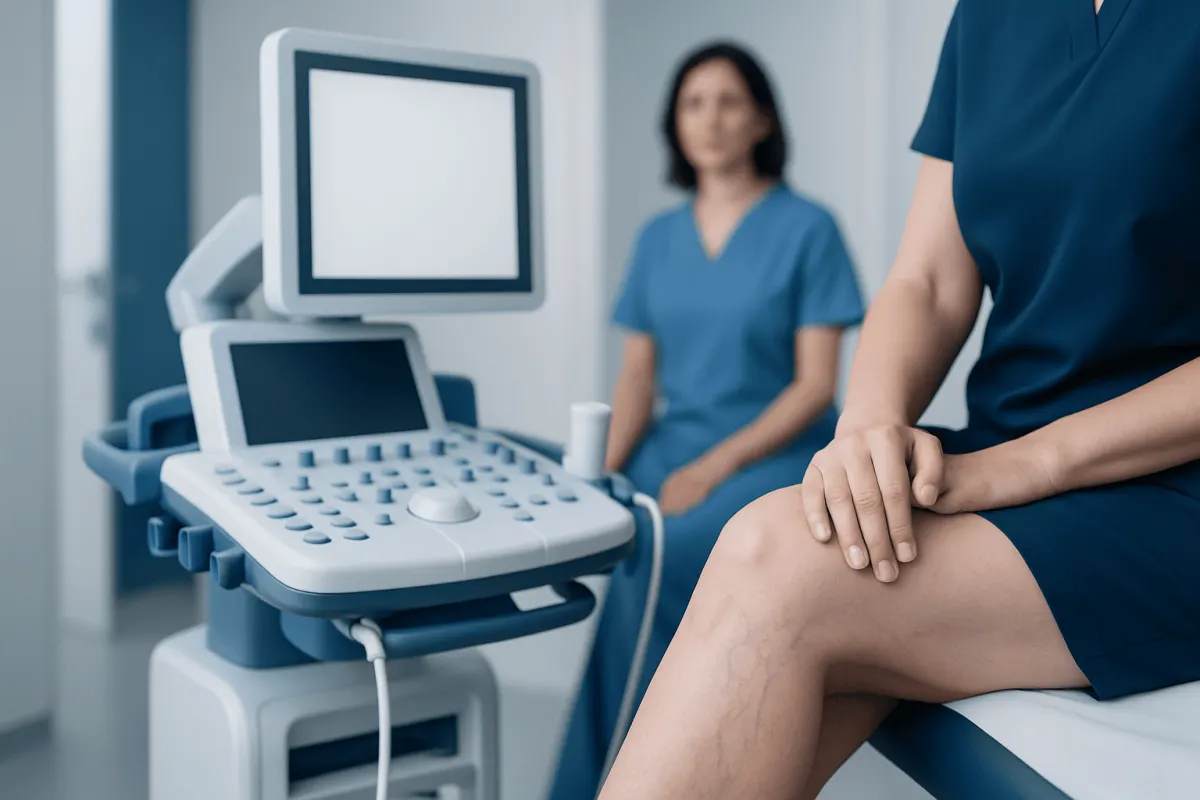
Spider veins cannot always be completely prevented, especially when family history and hormonal changes play a role. Regular movement, weight management, leg elevation and medical assessment when needed can help reduce symptoms and limit progression, while procedures can treat visible veins.
How Can I Stop Spider Veins?
To help stop new spider veins from developing or becoming more noticeable, a person can stay physically active, avoid long periods of sitting or standing, maintain a weight that is appropriate for them, and elevate the legs when resting. These steps support circulation, but they cannot reliably prevent every spider vein because genetics, age and hormonal changes also have important roles.
Existing spider veins usually do not disappear with home care. For people who want to reduce their appearance or who have symptoms that need assessment, a clinician may recommend procedures such as sclerotherapy or laser treatment. A medical review is particularly useful when visible veins occur with aching, swelling, skin changes or larger varicose veins.
Spider veins are usually harmless, but they can be a cosmetic concern and occasionally occur alongside venous insufficiency, a condition in which leg-vein valves do not work efficiently. Understanding the likely cause helps a person choose realistic prevention and treatment options.
What Spider Veins Are and How They Differ From Varicose Veins
Spider veins, also called telangiectasias, are tiny blood vessels visible near the surface of the skin. They may look red, blue or purple and often form branching, web-like or thin line patterns. They are most often seen on the thighs, lower legs, ankles or face.
Varicose veins are different. They are typically larger, bulging or twisted veins that may be blue or skin-coloured and can cause heaviness, throbbing, itching or aching. Although both conditions involve veins, varicose veins are more likely to be associated with weakened valves inside the leg veins. More information about varicose veins can help explain when an evaluation is appropriate.
Some people have both spider veins and varicose veins. Treating a significant underlying vein problem can be important before, or alongside, treatment aimed at smaller surface veins.
What Is the Root Cause of Spider Veins?
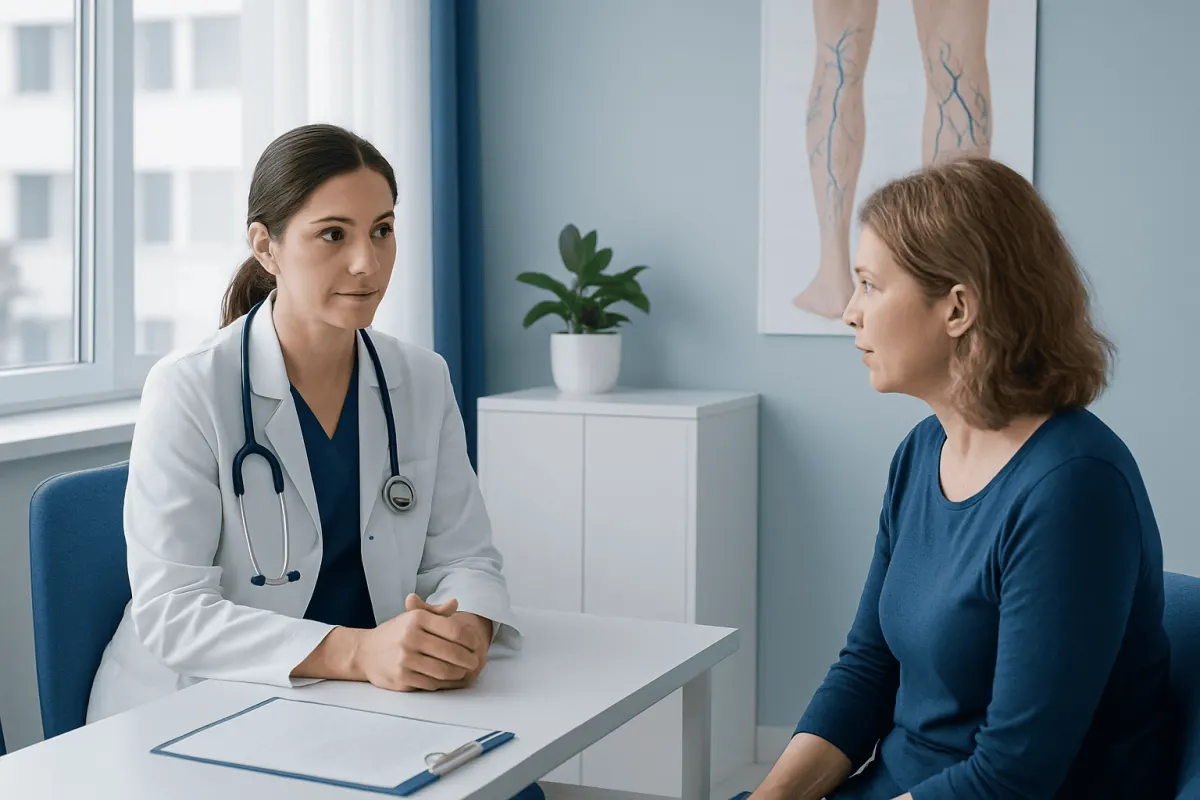
The root cause of spider veins is widening of small blood vessels close to the skin. In the legs, pressure in the venous system and reduced efficiency of vein valves can contribute. When blood does not move upward toward the heart as effectively as it should, pressure may make superficial vessels more visible.
Family history is one of the strongest influences. A person may be more likely to develop spider veins if close relatives have them. Aging, pregnancy, hormonal changes, prolonged standing or sitting, a higher body weight, previous leg injury and a history of blood clots can also increase risk.
Spider veins on the face may be associated with sun exposure, skin conditions such as rosacea, alcohol-related facial flushing, temperature extremes or inherited skin and vessel characteristics. The appearance of facial veins does not necessarily indicate a circulation problem in the legs.
- Genetics and increasing age can make vein walls and valves less resilient.
- Pregnancy can temporarily increase blood volume and pressure in leg veins.
- Occupations involving prolonged standing may worsen leg discomfort and venous pressure.
- Hormonal influences can affect vein tone in some people.
Can I Treat My Spider Veins Myself?
A person can take steps at home to support leg comfort and circulation, but self-care does not remove established spider veins. Regular walking, cycling, swimming and calf-strengthening activity encourage the calf muscles to help move blood through leg veins. Taking brief movement breaks during travel, desk work or standing work can also be helpful.
For those wondering how to reduce spider veins naturally, it is important to set realistic expectations. A balanced diet, not smoking, sun protection for facial skin, and managing weight where advised may support overall vascular health. However, no food, supplement, cream or exercise has been shown to reliably make existing spider veins disappear.
Compression stockings may lessen tiredness, mild swelling or aching for some people, especially after standing. They should fit correctly, and people with known peripheral artery disease, significant diabetes-related circulation problems or other medical conditions should seek clinical advice before using compression. A clinician can also advise whether symptoms suggest a deeper vein issue.
Will Vicks Vapor Rub Get Rid of Spider Veins?
No. Vicks Vapor Rub has not been shown to get rid of spider veins, repair vein valves or improve blood flow in affected leg veins. Its ingredients may create a cooling or warming sensation on the skin, which some people find temporarily soothing, but this does not change the vein itself.
Applying strongly scented topical products can irritate sensitive skin or trigger contact dermatitis in some people. They should not be used on broken skin, ulcers or unexplained areas of redness and swelling. A person should avoid relying on internet remedies if they have leg pain, swelling or skin changes that need medical assessment.
Evidence-based treatment for visible spider veins is usually performed by trained clinicians. The most suitable option depends on where the veins are located, their size, skin type and whether there is an underlying venous condition.
Why Am I Suddenly Getting Lots of Spider Veins?
Spider veins can become more noticeable over time rather than appearing all at once. A recent increase may follow pregnancy, hormonal treatment, weight changes, reduced activity, a new job involving long hours on the feet, sun exposure, or simply age-related changes in the skin and veins. They may also become easier to see after changes in skin tone or body composition.
When many veins appear on the legs, it can be useful to consider whether there are accompanying symptoms, such as heaviness, aching, ankle swelling, nighttime cramps, itching or visible varicose veins. These features may indicate venous insufficiency and can guide a clinician on whether imaging is needed.
A sudden change accompanied by one-sided leg swelling, warmth, redness, tenderness, chest pain or shortness of breath requires urgent medical attention. These symptoms are not typical of uncomplicated spider veins and should not be managed with home remedies alone.
Medical Treatments for Spider Veins and Varicose Veins
Sclerotherapy is a commonly used treatment for leg spider veins. A clinician injects a solution into selected veins, causing their walls to close so the body can gradually absorb them. More than one session may be needed, and treated veins often fade over weeks to months. Temporary bruising, redness, itching or skin colour changes can occur.
Laser or intense light-based procedures can be used for some small spider veins, particularly on the face, and may also suit selected leg veins. The clinician will consider skin tone, vessel colour, the area being treated and the risk of pigmentation changes. Treatment is generally planned after an examination rather than chosen only from photographs.
If larger varicose veins or reflux in deeper veins are present, treatment may focus first on the underlying source. Depending on the findings, options can include varicose vein treatment such as minimally invasive procedures that close or remove poorly functioning veins. Treating underlying reflux may improve symptoms and reduce the chance of recurrent surface veins, although new spider veins can still develop over time.
Anyone considering treatment should discuss expected results, potential side effects, recovery instructions and the possibility of repeat treatment with a qualified vascular specialist or dermatologist.
How Can I Prevent Spider Veins and When to Seek Medical Care
There is no guaranteed way to avoid spider veins, but daily habits may help lower venous pressure in the legs. Regular activity, changing position often, avoiding very tight clothing around the waist or groin, elevating the legs after prolonged standing, and following personalised advice about weight management can be useful. During long journeys, standing or walking periodically and moving the ankles and calves may support circulation.
People asking how to stop varicose veins from getting worse or how to stop varicose veins from progressing should arrange an assessment if they have symptoms or enlarging veins. Compression, physical activity and leg elevation may help symptoms, but they do not correct a major valve problem. Early review can identify whether vein ultrasound or targeted treatment is appropriate.
Medical care should be sought promptly for persistent leg swelling, worsening pain, skin darkening or thickening near the ankles, a rash or wound that does not heal, bleeding from a vein, or a hard, red and painful vein. Urgent care is needed for sudden one-sided swelling, severe pain, warmth or redness in a leg, or for chest pain or breathing difficulty.
Acıbadem Health Point’s multidisciplinary specialists and JCI-accredited hospitals can assess and treat vein conditions for international patients, including evaluation of symptoms and discussion of appropriate treatment options.
Frequently asked questions
01How can I stop spider veins on my legs?
A person may help limit new leg spider veins by staying active, avoiding prolonged sitting or standing, elevating the legs and addressing weight concerns with a clinician if appropriate. These measures cannot guarantee prevention or erase existing veins. Medical treatments such as sclerotherapy may reduce the appearance of established spider veins.
02How can I stop varicose veins from getting worse?
Regular walking, calf exercises, leg elevation and breaks from sitting or standing can help manage symptoms and support circulation. Compression stockings may help some people when they are properly selected. Enlarging, painful or symptomatic varicose veins should be assessed because an underlying valve problem may need treatment.
03Can exercise remove spider veins?
Exercise does not remove existing spider veins. It can support circulation, strengthen calf muscles and help with risk factors such as inactivity or weight gain. Walking, cycling and swimming are generally useful low-impact options for many people.
04Are spider veins dangerous?
Spider veins are usually harmless and are often a cosmetic concern. However, leg symptoms such as swelling, aching, skin changes, sores or prominent varicose veins may point to a related vein condition. A clinician can determine whether further assessment is needed.
05Do compression stockings prevent spider veins?
Compression stockings may reduce leg heaviness, aching and mild swelling for some people, particularly after long periods of standing. Evidence does not show that they reliably prevent all spider veins or make existing ones disappear. They should be used with professional guidance when a person has circulation conditions or other health concerns.
06Can spider veins come back after treatment?
A successfully treated spider vein can fade, but new spider veins may develop elsewhere over time because genetic, hormonal and lifestyle influences remain. Follow-up treatments are sometimes needed. Managing risk factors and seeking evaluation for varicose veins may help create a longer-term plan.
This article is for general information only and is not a substitute for professional medical advice. Please consult a qualified doctor about your individual situation.
Explore treatments in Turkey — costs, top hospitals & a free quote
JCI-accredited · board-certified surgeons · reply within 24h
Add us as a Preferred Source to see more of our trusted health content across Google Search, AI Overviews and Discover.