Hot Flashes and Nausea: Causes and Warning Signs
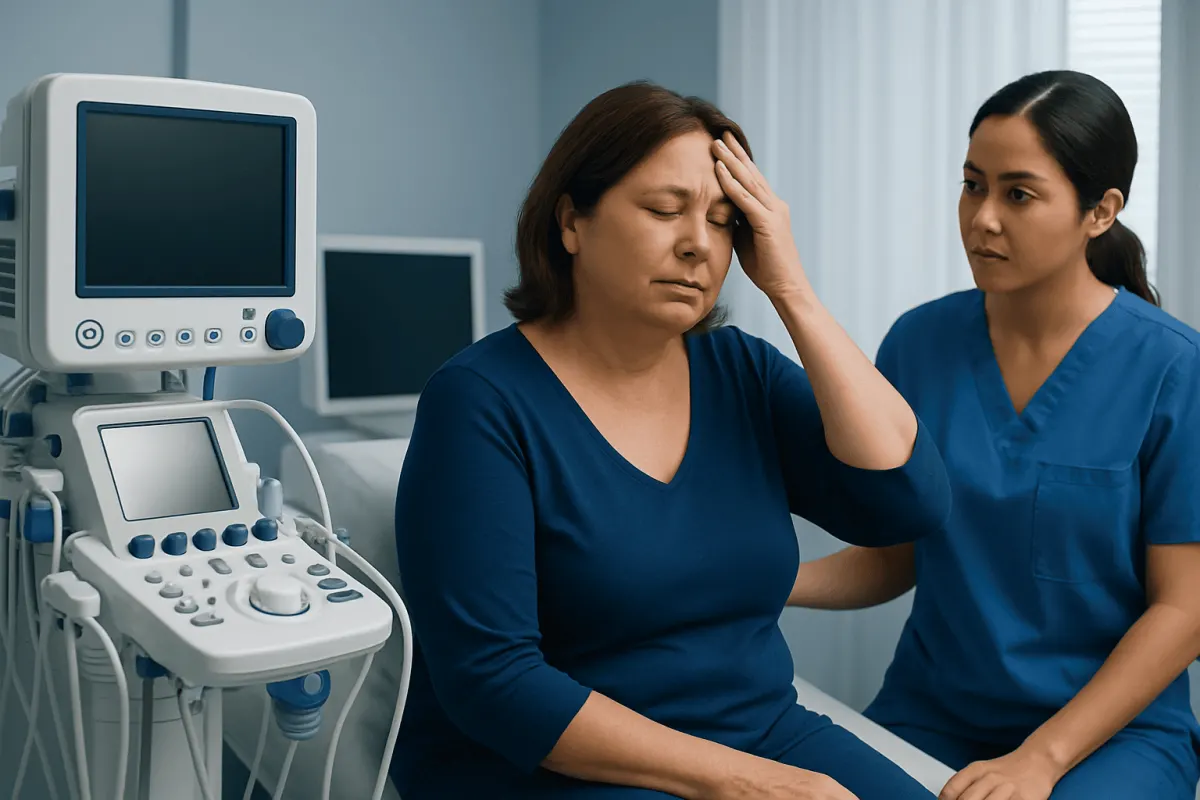
Hot flashes and nausea may happen together during hormonal changes, illness, stress, medication use, or digestive upset. Although they are often temporary, new, severe, persistent, or unexplained symptoms should be assessed by a qualified clinician.
Overview: Why Hot Flashes and Nausea Can Occur Together
Hot flashes and nausea can occur together for several reasons. A hot flash is a sudden feeling of warmth, often affecting the face, neck, and chest, and may be followed by sweating, flushing, chills, or a fast heartbeat. Nausea is the uncomfortable sensation of needing to vomit. When both occur, the cause may be a temporary trigger, such as anxiety or overheating, or an underlying health issue that needs evaluation.
Hormonal changes are among the most common explanations, particularly during perimenopause and menopause. However, these symptoms are not limited to women in midlife. Infection, migraine, blood sugar changes, medication side effects, pregnancy, digestive illness, and some endocrine conditions may also be involved.
The pattern matters. Symptoms that occur around menstrual periods, after particular foods or drinks, during stressful situations, or soon after starting a medicine may suggest a possible trigger. A clinician can help distinguish common causes from conditions that require targeted testing or treatment.
How the Symptoms May Feel
A hot flash often begins abruptly and can last from seconds to several minutes. The person may feel a wave of internal heat, develop red or blotchy skin, sweat, and then feel cold or chilled afterward. Nighttime episodes are often called night sweats and can interrupt sleep.
Nausea may be mild and brief, or it may occur with loss of appetite, stomach discomfort, dizziness, vomiting, or sensitivity to odors. Some people notice nausea during a hot flash because sweating, rapid breathing, palpitations, or worry about the episode can intensify the feeling of being unwell.
Associated symptoms can provide useful clues. For example, fever and body aches may point toward infection, while headache and light sensitivity may occur with migraine. Missed periods, breast tenderness, or fatigue may suggest pregnancy. Palpitations, tremor, and unintended weight changes should be discussed with a doctor because they can occur with hormonal or metabolic conditions.
- Sudden warmth, flushing, or sweating
- Chills after sweating
- Queasiness, reduced appetite, or vomiting
- Dizziness, weakness, headache, or a racing heartbeat
- Sleep disruption, irritability, or anxiety
Common Triggers and Possible Causes

Perimenopause and menopause commonly cause hot flashes because changing estrogen levels affect the body’s temperature regulation. Some people also experience nausea, bloating, indigestion, headaches, sleep disturbance, or mood changes during this transition. Pregnancy can also bring nausea alongside heat intolerance or flushing, particularly in early pregnancy.
Everyday triggers may cause or worsen episodes. Warm rooms, heavy clothing, spicy foods, alcohol, caffeine, smoking, emotional stress, and poor sleep can provoke hot flashes in susceptible people. Skipping meals or prolonged fasting may contribute to nausea, shakiness, sweating, and feeling overheated, especially in people prone to low blood sugar.
Acute illnesses can cause nausea with sweating or a feverish feeling. Viral stomach infections, foodborne illness, influenza, and other infections may produce these symptoms, often with diarrhea, abdominal pain, fever, or fatigue. Digestive conditions such as reflux may also cause nausea, although they do not usually cause true hot flashes.
Other possibilities include migraine, panic attacks, medication side effects, alcohol withdrawal, thyroid disorders, and less commonly certain hormone-producing tumors. These causes cannot be identified from symptoms alone. Persistent or recurrent episodes deserve medical assessment, particularly when they begin unexpectedly or differ from a person’s usual pattern.
Medications, Hormones, and Other Health Factors
Some prescription medicines and over-the-counter products can cause nausea, sweating, flushing, or both. Examples include certain pain medicines, antibiotics, antidepressants, diabetes medicines, steroids, and treatments that affect hormones. Cancer treatments may also trigger hot flashes or nausea. A person should not stop a prescribed medicine without speaking with the clinician who prescribed it.
Hormonal medications, including some contraceptives and hormone therapies, may affect symptoms differently from person to person. Changes in dose, missed doses, or starting a new hormonal treatment can be relevant. Recording when symptoms started in relation to medication or hormone changes can help a clinician review possible side effects safely.
Thyroid overactivity can cause heat intolerance, increased sweating, tremor, anxiety, palpitations, and weight loss; nausea may occur in some cases. Diabetes and other conditions that affect blood glucose can lead to sweating, shakiness, nausea, or confusion when blood sugar is too low. These symptoms should be taken seriously, particularly in people who use insulin or glucose-lowering medication.
How Doctors Evaluate Hot Flashes and Nausea
A medical evaluation usually begins with a detailed history. The clinician may ask when the episodes began, how long they last, whether they occur at night, what seems to trigger them, and whether there are symptoms such as fever, vomiting, headaches, menstrual changes, weight change, chest discomfort, or anxiety. Pregnancy possibility, alcohol use, and all medicines and supplements should also be discussed.
A physical examination may include checking temperature, blood pressure, pulse, hydration, abdomen, thyroid, and neurologic function. Depending on the history, testing may include a pregnancy test, blood glucose measurement, blood count, thyroid tests, electrolyte testing, or other blood work. Testing is individualized rather than required for every person with occasional mild symptoms.
If symptoms appear related to menopause, the diagnosis is often based on age, menstrual history, and symptoms. Hormone tests are not always necessary. When digestive symptoms are prominent or persistent, a clinician may evaluate for conditions such as gastroesophageal reflux disease (GERD) or other gastrointestinal causes.
Treatment Options and Symptom Relief
Effective treatment addresses the cause. For example, an infection may require fluids and supportive care, a medication reaction may call for a supervised medication review, and low blood sugar may need changes to meal timing or diabetes treatment. People with persistent nausea may need assessment for dehydration, nutritional concerns, or an underlying digestive condition.
For menopause-related hot flashes, treatment may include practical lifestyle measures, nonhormonal medicines, or hormone therapy for appropriate patients after an individualized discussion of benefits and risks. Hormone therapy is not suitable for everyone, so a doctor should review medical history, including any history of blood clots, certain cancers, liver disease, or unexplained vaginal bleeding. Menopause treatment options can be tailored to symptom severity and personal health factors.
Simple measures may ease an episode: move to a cooler area, loosen clothing, sip water slowly, use a fan, and rest in a comfortable position. For nausea, small frequent meals and avoiding strong smells, rich foods, or alcohol may help. If vomiting is ongoing, oral rehydration fluids may be useful, but medical advice is important when fluids cannot be kept down.
Prevention and Self-Care: Finding Personal Patterns
A symptom diary can be one of the most useful tools for recurrent hot flashes and nausea. It may include the time of day, food and drink intake, menstrual cycle timing, sleep quality, stress level, room temperature, medicines, and accompanying symptoms. Over several weeks, patterns may become clearer and can support a more productive medical consultation.
Many people benefit from wearing light layers, keeping the sleeping environment cool, staying hydrated, and reducing known triggers such as alcohol, tobacco, spicy meals, and excess caffeine. Regular meals with balanced sources of protein, fiber, and carbohydrates may help people who notice symptoms when hungry or after missed meals.
Stress-management approaches such as paced breathing, relaxation exercises, gentle physical activity, and regular sleep routines may reduce the impact of stress-related symptoms. These approaches do not replace medical care when symptoms are severe, frequent, or associated with warning signs.
When to Seek Medical Care
Medical care is recommended for hot flashes and nausea that are new, recurrent, worsening, interfering with daily life, or unexplained. A doctor should also assess symptoms accompanied by persistent vomiting, fever, abdominal pain, significant weight change, missed periods or possible pregnancy, palpitations, tremor, or changes in bowel habits.
Urgent medical evaluation is needed for chest pain, shortness of breath, fainting, confusion, a sudden severe headache, weakness on one side of the body, severe abdominal pain, vomiting blood, black stools, or signs of significant dehydration. Dehydration may include very little urine, severe dizziness, dry mouth, or inability to keep liquids down.
Acıbadem Health Point’s multidisciplinary specialists and JCI-accredited hospitals evaluate symptoms such as hot flashes and nausea for international patients, with care guided by the likely underlying cause. A qualified clinician can help develop a safe plan when symptoms are persistent or concerning.
Frequently asked questions
01Can menopause cause hot flashes and nausea?
Yes. Hormonal changes during perimenopause and menopause commonly cause hot flashes, and some people also report nausea, indigestion, headaches, sleep changes, or anxiety. Nausea should still be assessed if it is new, persistent, severe, or accompanied by vomiting or abdominal pain.
02Can anxiety cause hot flashes and nausea?
Anxiety can activate the body’s stress response, leading to sweating, flushing, a fast heartbeat, nausea, dizziness, or a feeling of heat. However, similar symptoms can occur with medical conditions, so recurrent or severe episodes should not automatically be attributed to anxiety.
03Could hot flashes and nausea be a sign of pregnancy?
Pregnancy can cause nausea, particularly in early pregnancy, and some people notice feeling warmer or more prone to sweating. Anyone who could be pregnant and has a missed period, unusual bleeding, or persistent nausea should consider a pregnancy test and speak with a healthcare professional.
04What should a person eat or drink when hot flashes and nausea occur?
Cool water taken in small sips may be easier to tolerate than large amounts at once. Small, bland meals can help some people with nausea, while fatty foods, alcohol, caffeine, and strong odors may worsen symptoms. Persistent vomiting or an inability to keep fluids down needs medical advice.
05Are hot flashes and nausea ever an emergency?
They can be urgent when they occur with chest pain, trouble breathing, fainting, confusion, severe headache, severe abdominal pain, vomiting blood, or signs of dehydration. Emergency assessment is also important for sudden neurologic symptoms such as facial drooping, speech difficulty, or weakness on one side.
06How can a doctor find the cause of recurrent symptoms?
A doctor will review symptom timing, triggers, menstrual history, pregnancy possibility, medications, and associated symptoms. Depending on the situation, they may perform an examination and arrange tests such as blood glucose, pregnancy testing, thyroid testing, or other blood work.
This article is for general information only and is not a substitute for professional medical advice. Please consult a qualified doctor about your individual situation.
Persistent digestive symptoms? Get evaluated in Turkey
JCI-accredited · board-certified surgeons · reply within 24h
Add us as a Preferred Source to see more of our trusted health content across Google Search, AI Overviews and Discover.