Hormone Pellets: Pros, Cons, and Considerations
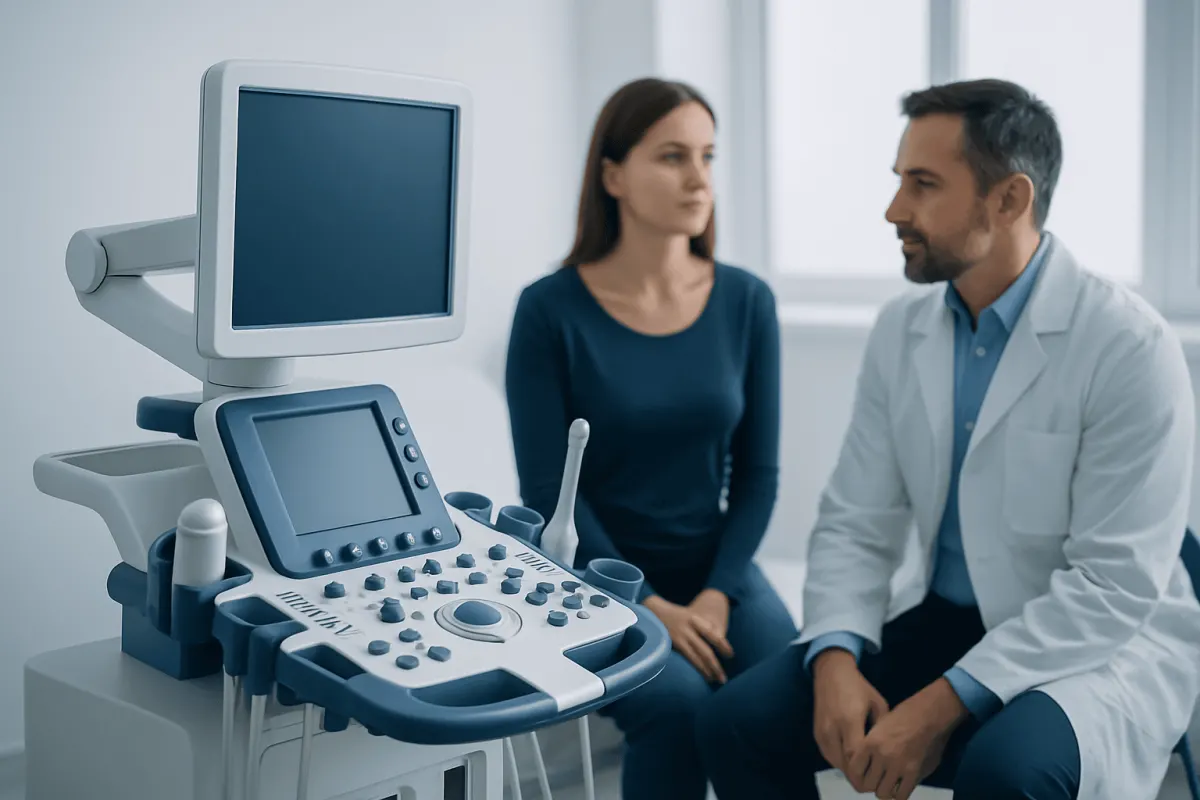
The pros and cons of hormone pellets depend on a person’s symptoms, medical history, treatment goals, and ability to have regular follow-up. Pellets can provide steady hormone delivery for months, but they cannot be easily adjusted or removed once inserted, making careful assessment and monitoring important.
Overview: What Are Hormone Pellets?
Hormone pellets are small, solid implants that are placed into the fatty tissue beneath the skin, commonly in the upper buttock or hip area. They slowly dissolve and release hormone over time. Depending on the product and the person’s needs, pellets may contain testosterone, estrogen, or both.
The main appeal of pellet therapy is convenience. Rather than applying a gel every day, using a patch, or taking regular injections, a person may receive hormone delivery over several months from one brief office procedure. However, the pros and cons of hormone pellets should be considered carefully because the hormone dose is not easily changed once the pellet has been inserted.
Hormone pellets may be discussed for people with confirmed hormone deficiency or for selected menopausal symptoms. They are sometimes promoted as “bioidentical” hormones, meaning their chemical structure is similar or identical to hormones naturally made by the body. The term “bioidentical,” however, does not automatically mean a treatment is safer, more effective, or suitable for every person.
Potential Benefits of Hormone Pellets
For some patients, pellet therapy offers a practical way to receive a relatively continuous supply of hormone. This may avoid the rise-and-fall pattern that can occur when a dose is missed or when certain short-acting treatments wear off. Some people find this approach easier to maintain than daily tablets, creams, gels, or patches.
When hormone therapy is clinically appropriate, treatment may help address symptoms linked to low hormone levels. Depending on the hormone prescribed and the individual situation, these can include menopausal hot flashes, night sweats, vaginal symptoms, reduced sexual desire, low energy, or symptoms of medically confirmed testosterone deficiency. Symptom improvement is not guaranteed, and symptoms such as fatigue, weight changes, or low mood can have many possible causes.
Possible advantages include:
- Longer-lasting hormone delivery, often for several months
- No need for daily application or frequent self-injection
- Potentially steadier hormone exposure for some individuals
- A discreet treatment option that does not require visible patches or topical products
- Regular scheduled reviews around each insertion, when follow-up is well organized
These benefits should be weighed against the fact that other forms of hormone therapy can also be effective and may allow greater flexibility. Patches, gels, tablets, vaginal preparations, and injections may be easier to adjust when treatment goals or side effects change.
Limitations and Possible Risks to Consider

The most important limitation of hormone pellets is limited dose control after placement. If a person develops unwanted effects, such as acne, oily skin, breast tenderness, mood changes, fluid retention, hair growth, or changes in libido, the hormone continues to be released as the pellet dissolves. Removing a pellet may be difficult and is not always fully effective once hormone release has begun.
Insertion is a minor procedure, but it still carries procedural risks. Bruising, pain, bleeding, temporary swelling, scarring, infection, or pellet extrusion can occur. People who take blood-thinning medicines, have bleeding disorders, have an active skin infection, or have poorly controlled diabetes may need particular assessment before any implant procedure.
Hormone-related risks vary substantially by the specific hormone, dose, route of delivery, age, and medical history. Systemic estrogen therapy may not be appropriate for people with certain hormone-sensitive cancers, unexplained vaginal bleeding, a history of blood clots, stroke, or serious liver disease. Testosterone treatment can cause acne, increased body or facial hair, scalp hair thinning, voice changes, changes in red blood cell levels, and other effects, especially if levels become too high.
People should also be cautious about claims that pellets reliably prevent aging, improve memory, cause weight loss, or treat a wide range of nonspecific symptoms. These claims may go beyond available evidence. A qualified clinician should evaluate other potential explanations for symptoms before hormone treatment is started.
Compounded Pellets and Product Quality
In many settings, hormone pellets are prepared by compounding pharmacies rather than manufactured as standardized, widely regulated products. Compounding can be useful when a patient needs an individualized formulation that is not commercially available. However, compounded medicines may not have the same level of pre-market review, manufacturing consistency, or clinical evidence as approved medicines in a particular country.
It is helpful to ask whether a proposed pellet is an approved product or a compounded preparation, what hormone it contains, and how the dose was selected. In the United States, for example, a testosterone pellet product is approved for certain men with testosterone deficiency, while many estrogen and combination pellet products are compounded. Regulatory standards and product availability vary internationally.
Testing saliva or urine hormone levels to create highly individualized pellet doses is sometimes advertised. These tests may not reliably reflect the hormone levels needed to guide systemic hormone treatment. Blood testing can be useful in selected situations, but results should be interpreted alongside symptoms, examination findings, treatment type, timing of the test, and a person’s overall health.
Who May Be a Candidate for Hormone Therapy?
Hormone therapy should begin with a diagnosis rather than a single symptom. For example, menopause is usually identified through age, menstrual history, and symptoms, while testosterone deficiency in men generally requires compatible symptoms together with consistently low morning testosterone results on appropriate testing. A clinician may also investigate thyroid disease, anemia, sleep problems, depression, medication effects, or other conditions that can produce similar symptoms.
For menopausal symptoms, systemic hormone therapy may be considered for selected patients after an individualized discussion of benefits and risks. For people with bothersome vaginal dryness or discomfort during sex, local vaginal estrogen or other local treatments may be appropriate and may not require systemic hormone exposure. The best option depends on the symptoms being treated.
Pellets are not automatically the preferred form of hormone therapy. Patients may be better suited to a treatment that can be adjusted promptly, particularly early in therapy or when risk factors are present. A clinician may recommend non-hormonal treatments, lifestyle measures, or a different hormone formulation when pellets are unlikely to offer a clear advantage.
Before making a decision, the clinician should review personal and family history, including blood clots, cardiovascular disease, migraine, liver disease, breast or prostate conditions, abnormal bleeding, and past cancers. Current medicines, pregnancy potential, smoking status, and cardiovascular risk factors should also be discussed.
What Safe Assessment and Follow-Up Should Include
A careful consultation should clarify the symptoms a person hopes to improve, how long they have been present, and how they affect daily life. The clinician should explain expected benefits, realistic timelines, alternatives, side effects, and the plan if symptoms do not improve. Patients should be given time to ask questions before consenting to an implant procedure.
Relevant examination and tests depend on the individual. They may include blood pressure measurement, assessment of weight and metabolic health, and targeted laboratory testing. People using testosterone may need monitoring of hormone levels and red blood cell measures. Those using estrogen should continue age-appropriate breast, cervical, and other preventive health screening as recommended by their clinician.
Follow-up matters because a person’s symptoms and safety profile can change over time. A treatment plan should include when to review benefits and side effects, when repeat testing is needed, and when to reconsider the dose or treatment method. Keeping a simple symptom record can help distinguish true improvement from normal day-to-day variation.
Acıbadem Health Point’s multidisciplinary specialists and JCI-accredited hospitals assess hormone-related concerns and discuss suitable diagnostic and treatment options for international patients.
When to Seek Medical Care
Anyone considering hormone pellets should seek medical advice before starting treatment, especially if symptoms are new, severe, or unexplained. Prompt medical review is important for postmenopausal bleeding, bleeding after sex, a new breast lump, pelvic pain, severe headaches, chest pain, shortness of breath, or one-sided leg swelling.
After pellet insertion, patients should contact their treating clinician if there is increasing redness, warmth, swelling, drainage, fever, severe pain, persistent bleeding, or if the pellet appears to be coming out of the skin. These signs may indicate an infection or another procedure-related problem that needs assessment.
Urgent care is needed for symptoms that could suggest a blood clot, stroke, or serious allergic reaction, such as sudden chest pain, difficulty breathing, coughing blood, sudden weakness or numbness, facial drooping, trouble speaking, or swelling of the lips or throat. These symptoms are uncommon but should never be ignored.
Frequently asked questions
01How long do hormone pellets last?
Hormone pellets commonly release hormone for several months, but the duration varies by the hormone used, dose, metabolism, activity level, and individual response. A clinician can explain the expected timing for a specific product. Symptoms should be reviewed rather than relying only on a fixed schedule for repeat insertion.
02Are hormone pellets safer than pills, patches, or gels?
Hormone pellets are not automatically safer than other forms of hormone therapy. Their main advantage is long-lasting delivery, while their main drawback is that the dose cannot be readily adjusted or stopped. Safety depends on the hormone, dose, route, medical history, and quality of clinical follow-up.
03Are bioidentical hormone pellets natural?
The term bioidentical usually means that a hormone has a chemical structure matching a hormone made in the human body. It does not mean that the treatment is risk-free or proven to work better than other hormone therapies. Both approved and compounded products may be described as bioidentical.
04Can hormone pellets help with menopause symptoms?
Some people may report improvement in hot flashes, sleep disruption, or other symptoms after hormone treatment. However, pellets are only one delivery method, and they may not be the best choice for everyone. A clinician can discuss approved and adjustable options, including patches, gels, tablets, and local vaginal treatments.
05Can women use testosterone pellets?
Testosterone may be considered for selected women in specific circumstances, such as carefully assessed low sexual desire after menopause. It should be prescribed and monitored by a clinician with experience in hormone care. Higher-than-needed testosterone exposure can cause effects such as acne, increased hair growth, scalp hair loss, or voice changes.
06What questions should a patient ask before getting hormone pellets?
Patients can ask what diagnosis is being treated, why pellets are recommended over other options, what hormone and dose will be used, and whether the product is approved or compounded. They should also ask about possible side effects, monitoring, procedure risks, costs, and what can be done if they do not tolerate the treatment. Clear answers support informed decision-making.
This article is for general information only and is not a substitute for professional medical advice. Please consult a qualified doctor about your individual situation.
Explore treatments in Turkey — costs, top hospitals & a free quote
JCI-accredited · board-certified surgeons · reply within 24h
Add us as a Preferred Source to see more of our trusted health content across Google Search, AI Overviews and Discover.