Hollywood smile Recovery: Week-by-Week Timeline
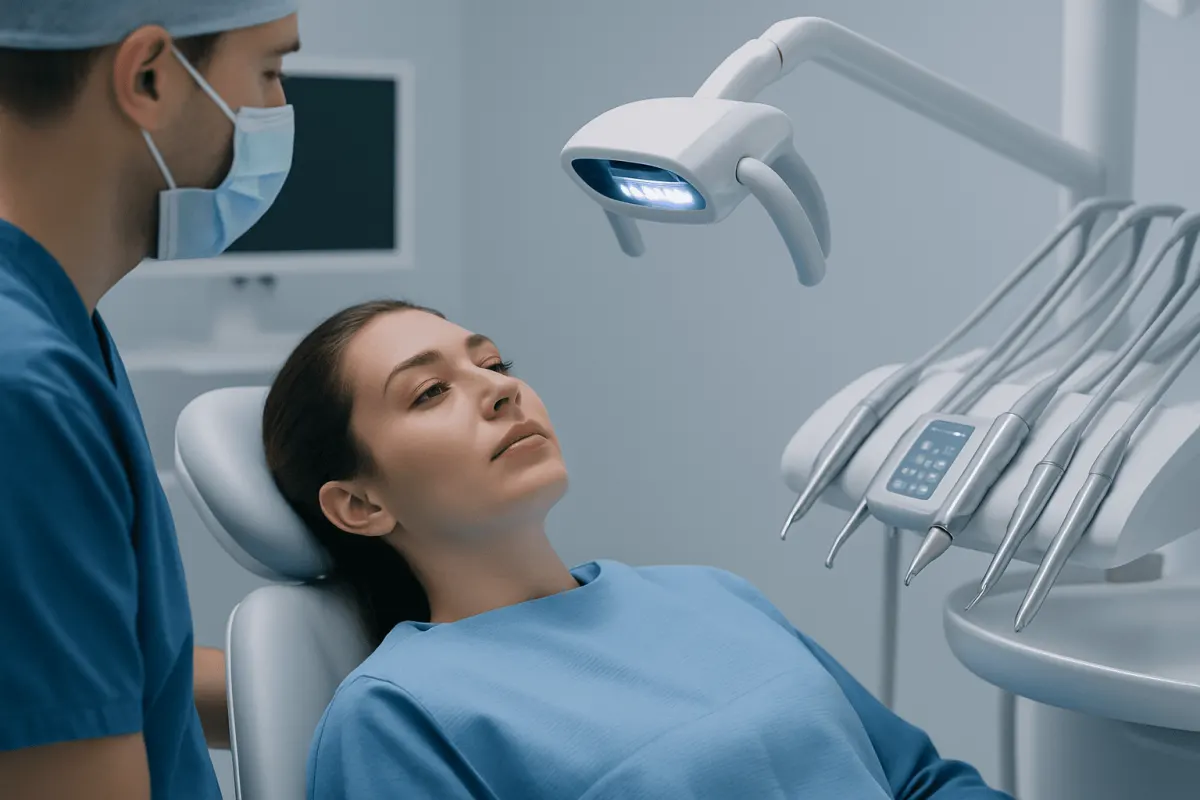
Hollywood smile recovery is usually brief because most treatments involve teeth and gums rather than surgery. Many people return to desk work the next day or within 1–2 days, while mild tooth sensitivity or gum tenderness commonly improves during the first one to two weeks.
Hollywood Smile Recovery: What to Expect
Hollywood smile recovery usually involves little downtime. A Hollywood smile is not one single procedure; it is a personalized cosmetic dentistry plan that may include porcelain veneers, crowns, tooth whitening, composite bonding, gum contouring, orthodontic treatment, or replacement of missing teeth. Recovery therefore varies according to which treatments are included.
For veneers, crowns, bonding, or whitening alone, many people feel able to return to routine desk work the same day or the following day. Temporary sensitivity to cold, heat, pressure, or sweet foods can occur, particularly after tooth preparation or whitening. If gum reshaping, dental implants, extractions, or sedation are part of the plan, healing may take longer and activity restrictions may be needed.
A dentist should provide individualized aftercare instructions based on the procedures performed, the condition of the teeth and gums, and the person’s general health. The wider treatment planning process is described here: Hollywood Smile treatment.
How a Hollywood Smile Works and Who May Be Suitable
The goal of a Hollywood smile is to improve the appearance and balance of the smile while protecting oral health and preserving as much natural tooth structure as possible. A dentist may assess tooth color, shape, size, spacing, alignment, gum symmetry, facial proportions, bite function, and the health of the jaw and supporting tissues.
Suitable candidates generally have healthy gums and enough sound tooth structure for the proposed restorations. People with cavities, gum disease, untreated tooth grinding, active dental infection, or unstable bite problems may need treatment for these concerns first. Cosmetic restorations placed before oral disease is controlled may have a higher risk of complications or a less predictable appearance.
A Hollywood smile can be appropriate for people who wish to address discoloration, small chips, uneven tooth shapes, minor gaps, worn edges, or older restorations. It may not be the best first option when major crowding, jaw misalignment, extensive tooth loss, or advanced gum disease is present. In these situations, orthodontic, periodontal, restorative, or implant care may be recommended as part of a staged plan.
- Veneers are thin custom shells bonded to the front surfaces of selected teeth.
- Crowns cover the entire visible portion of a weakened or heavily restored tooth.
- Whitening can lighten natural teeth but does not change the color of crowns, veneers, or fillings.
- Bonding can repair small defects or alter shape using tooth-colored resin.
Step by Step: What Happens During Treatment

Care normally begins with a consultation, clinical examination, photographs, digital scans or impressions, and sometimes dental X-rays. The dentist discusses goals, existing dental concerns, and whether changes to the bite or gumline are needed. A trial smile design or temporary mock-up may help a person visualize proposed changes before final restorations are made.
For veneers or crowns, the dentist may gently reshape a small amount of enamel to create space for the restoration. Local anesthetic can be used where needed. Scans or impressions are then sent to a dental laboratory, and temporary restorations may be fitted until the final veneers or crowns are ready. Some clinics use digital technology that can shorten certain stages, but treatment schedules differ.
At the fitting visit, the dentist checks shade, shape, margins, and bite before bonding or cementing the final restorations. Small bite adjustments are common as the mouth adapts. If whitening, bonding, gum contouring, orthodontics, implant treatment, or other procedures are included, the order and overall duration will be tailored to the individual plan.
Temporary restorations require particular care. They may be less secure than final ceramic restorations, so patients are often advised to avoid sticky foods, hard foods, and biting directly into firm items until the final appointment.
Hollywood Smile Recovery Timeline: Week by Week
Day 0 to day 2: After veneers, crowns, or bonding, numbness from local anesthetic may last for several hours. The gums can feel tender, especially if they were retracted or shaped, and teeth may be temporarily sensitive to temperature or pressure. Soft foods and gentle chewing are often more comfortable. If sedation was used, driving, alcohol, important decisions, and strenuous activity should be avoided for the period advised by the clinical team.
Days 3 to 7: Most people return to usual daily routines during this period. A desk-based job is often possible within one to two days, provided there was no extensive gum or surgical treatment and the person feels well. Sensitivity should begin to lessen, although cold drinks and very hot foods may still trigger brief discomfort. It is sensible to avoid chewing ice, nuts, hard candy, or other hard foods on new restorations.
Week 2: Gum tenderness and sensitivity commonly continue to settle. The new tooth shapes may feel unfamiliar at first, and speech can feel slightly different for a few days, particularly if the front teeth have changed length or contour. The tongue and lips typically adapt quickly. A dentist can make a minor adjustment if the bite feels high, uneven, or uncomfortable.
Weeks 3 to 6: By this stage, the smile should generally feel natural in everyday activities. Any surgical gum or implant-related sites may still require follow-up, depending on the procedure. People who clench or grind their teeth may be advised to use a custom night guard to help protect veneers, crowns, and natural teeth.
Longer-term: Final aesthetic review may occur after the gums have fully settled, especially following gum contouring, orthodontics, or implant treatment. Restorations need ongoing care; they are durable but not indestructible and may eventually require repair or replacement.
Eating, Work, Exercise, and Daily Care During Recovery
After non-surgical cosmetic dental care, return to work is commonly rapid. A person can usually resume normal activity when numbness has worn off and they feel comfortable. For the first several days, choosing softer foods and chewing slowly can reduce pressure on treated teeth. Extremely hot or cold drinks may be avoided temporarily if sensitivity is present.
Exercise is usually acceptable after straightforward veneers, crowns, bonding, or whitening, once the person feels well. However, people who have received sedation should follow the clinic’s specific instructions. After gum contouring, tooth extraction, implant placement, or another surgical procedure, strenuous exercise may need to be postponed for a short period because it can increase bleeding, throbbing, or swelling.
Oral hygiene remains essential. Teeth should be brushed twice daily with a soft toothbrush and fluoride toothpaste, and cleaned between the teeth as advised. Gentle brushing near tender gums is preferable to skipping cleaning altogether. A dentist may recommend a sensitivity toothpaste, a specific mouth rinse, or temporary changes to flossing technique after certain procedures.
To protect the result, it is helpful to avoid using teeth to open packaging, biting nails, chewing pens, or crunching ice. Coffee, tea, red wine, tobacco, and deeply colored foods may stain natural teeth over time; ceramic veneers and crowns are more stain resistant, but surrounding natural teeth can still change color.
Benefits, Limits, and Possible Risks
A carefully planned Hollywood smile may improve the color, shape, symmetry, and apparent alignment of teeth. It can also restore chipped or worn surfaces and replace older restorations. Good outcomes are based on realistic goals, sound oral health, compatible bite function, and a plan that uses the least invasive suitable approach.
Like all dental treatment, cosmetic procedures have limitations and potential risks. Temporary sensitivity, gum irritation, bite changes, rough edges, or discomfort when chewing can occur. Veneers, crowns, and bonding can chip, fracture, debond, wear, or require repair. Teeth that are reduced for crowns or some veneers cannot return to their original untreated form.
More significant concerns, though less common, include nerve irritation within a tooth, infection, gum recession, poor fit, or damage to surrounding teeth. The risk can be higher where there is untreated gum disease, severe grinding, extensive decay, or poor home care. Attending follow-up appointments gives the dentist an opportunity to check bite comfort, gum health, and restoration edges.
Patients considering treatment should ask what each proposed procedure involves, whether tooth enamel will be removed, how long the expected result may last, and what maintenance will be needed. Clear discussion helps ensure that cosmetic goals are balanced with long-term dental health.
When to Seek Medical Care
It is appropriate to contact the treating dentist if pain is severe, worsening, or not improving with the aftercare measures recommended. The dentist should also be contacted if a restoration feels loose, cracks, falls off, or if the bite feels persistently uneven. Early assessment can often prevent a smaller concern from becoming more disruptive.
Prompt dental advice is important for increasing facial or gum swelling, fever, pus, bad taste with swelling, prolonged bleeding after a surgical procedure, or difficulty opening the mouth. Emergency medical help is needed for trouble breathing or swallowing, rapidly spreading swelling, or signs of a serious allergic reaction.
People with persistent bleeding gums, tooth mobility, recurrent sensitivity, or pain when biting should not assume these are normal parts of recovery. These symptoms may indicate an underlying dental issue that needs examination. Acıbadem Health Point’s multidisciplinary dental specialists and JCI-accredited hospitals provide assessment and treatment planning for international patients.
Frequently asked questions
01How long does Hollywood smile recovery take?
For veneers, crowns, bonding, or whitening, most people have little downtime and resume regular routines within one to two days. Mild tooth sensitivity and gum tenderness often settle within one to two weeks. Recovery can take longer if the treatment includes gum surgery, tooth extraction, implants, or orthodontics.
02When can a person return to work after a Hollywood smile?
Many people can return to desk work the same day or the next day after non-surgical cosmetic dental treatment. If sedation was used, it is best to follow the clinic’s instructions and avoid driving or making important decisions until the effects have fully worn off. Surgical procedures may require more time away, depending on swelling, discomfort, and the nature of the work.
03When can exercise restart after a Hollywood smile?
Light everyday activity is usually fine after simple veneers, crowns, bonding, or whitening if the person feels comfortable. Strenuous exercise may need to wait briefly after gum contouring, extraction, implant placement, or sedation. The treating dentist can give the safest timeline based on the exact procedures performed.
04Is sensitivity normal after veneers or crowns?
Brief sensitivity to cold, heat, pressure, or sweet foods can be normal after teeth are prepared or restored. It should gradually improve over days to a few weeks. Severe, worsening, spontaneous, or persistent pain should be reviewed by a dentist.
05What foods should be avoided after Hollywood smile treatment?
Soft foods can be more comfortable during the first few days, particularly when gums are tender or temporary restorations are in place. Hard, sticky, or very crunchy foods, such as ice, hard candy, and nuts, should be avoided until the dentist confirms that normal chewing is appropriate. It is also sensible not to bite directly into firm foods with newly restored front teeth.
06Can Hollywood smile veneers or crowns be repaired if they chip?
Small chips or rough areas can sometimes be polished or repaired, depending on the material and location. Larger fractures or a loose veneer or crown may require replacement. A person should keep any detached piece if possible and contact their dentist rather than trying to reattach it at home.
This article is for general information only and is not a substitute for professional medical advice. Please consult a qualified doctor about your individual situation.
Explore treatments in Turkey — costs, top hospitals & a free quote
JCI-accredited · board-certified surgeons · reply within 24h
Add us as a Preferred Source to see more of our trusted health content across Google Search, AI Overviews and Discover.