Hodgkin’s Lymphoma: Diagnosis, Staging and Care
Hodgkin's lymphoma is a cancer that begins in lymphocytes, white blood cells that are part of the immune and lymphatic systems. It can affect lymph nodes and other organs, but modern treatment often achieves long-term remission or cure, especially when care is tailored to the cancer's type and stage.
Hodgkin's lymphoma overview
Hodgkin’s lymphoma, also called Hodgkin lymphoma, is a cancer of the lymphatic system. This system includes lymph nodes, lymph vessels, the spleen, bone marrow and immune cells called lymphocytes. The Hodgkin’s lymphoma medical definition is a lymphoma characterized by abnormal lymphoid cells, typically including Reed-Sternberg cells in the most common form. These cells can be identified when a tissue sample is examined under a microscope.
In medical terminology, lymphoma means a cancer that develops from lymphocytes. The Hodgkin’s lymphoma medical term is often shortened to HL, which is the usual Hodgkin’s lymphoma medical abbreviation in clinical notes and research. HL differs from the much larger group called non-Hodgkin lymphomas, which includes many diseases with different behavior and treatment approaches.
Most people with Hodgkin’s lymphoma have classic Hodgkin lymphoma. A less common form, nodular lymphocyte-predominant Hodgkin lymphoma, has different cell features and may be managed somewhat differently. Accurate classification is important because it helps the care team select the most suitable treatment plan.
Symptoms and changes that may need assessment
The most common sign is a painless enlarged lymph node, often in the neck, above the collarbone, under the arm or in the groin. Nodes may feel like a lump or swelling, but enlarged nodes are much more commonly caused by infections or other noncancerous conditions. Persistent or growing swelling should be assessed by a clinician.
Some people develop symptoms known as B symptoms. These include fever without a clear infection, drenching night sweats, and unexplained weight loss. Other possible symptoms include persistent tiredness, itching, cough, chest pressure or shortness of breath when enlarged nodes are in the chest. Symptoms vary, and their presence alone cannot diagnose lymphoma.
Rarely, an enlarged lymph node may become painful after drinking alcohol. This is not a reliable diagnostic sign. A doctor will consider the full history, physical examination, blood tests and imaging findings rather than drawing conclusions from one symptom.
- Painless lymph node swelling that does not settle
- Unexplained fevers or drenching night sweats
- Unintentional weight loss or reduced appetite
- Persistent itching, fatigue, cough or breathlessness
Causes and risk factors

The exact cause of Hodgkin’s lymphoma is not fully understood. It begins when lymphocytes develop genetic changes that allow them to grow and survive abnormally. These changes are acquired during life; they are not usually inherited directly from a parent and are not caused by something a person did or did not do.
Having had Epstein-Barr virus infection is associated with some cases, but most people exposed to this common virus never develop Hodgkin’s lymphoma. A weakened immune system, including immune suppression related to certain conditions or medicines, can also increase risk. Family history may slightly raise risk in some families, though Hodgkin’s lymphoma remains uncommon.
Risk factors do not mean a person will develop cancer, and many people diagnosed have no identifiable risk factor. There is no established screening test for Hodgkin’s lymphoma in people without symptoms. Paying attention to persistent health changes and seeking appropriate medical review remains the most practical approach.
How Hodgkin's lymphoma is diagnosed and staged
Diagnosis requires a biopsy, in which a doctor removes all or part of an enlarged lymph node or another affected tissue. An excisional biopsy, which removes a node, often provides the clearest information because the pathologist can assess the tissue structure as well as the cells. Needle biopsies may sometimes be used, but additional tissue can be needed.
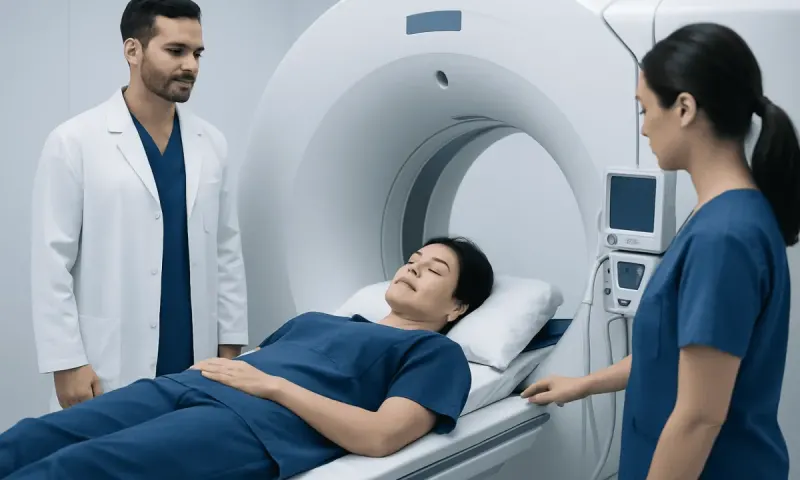
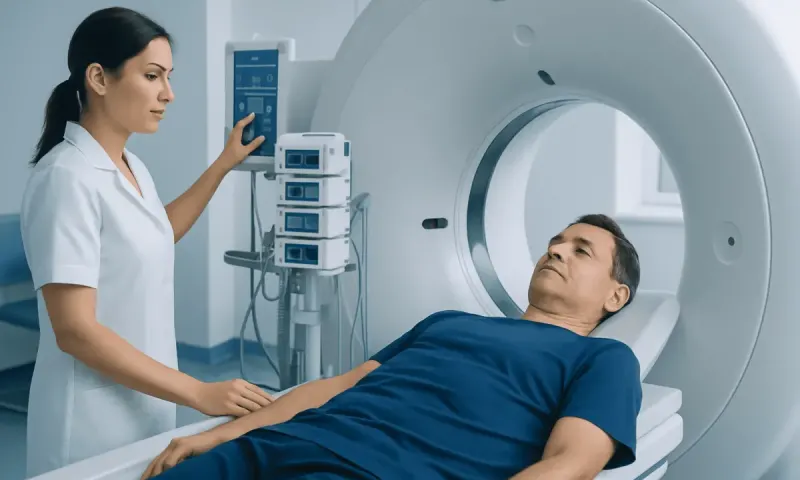
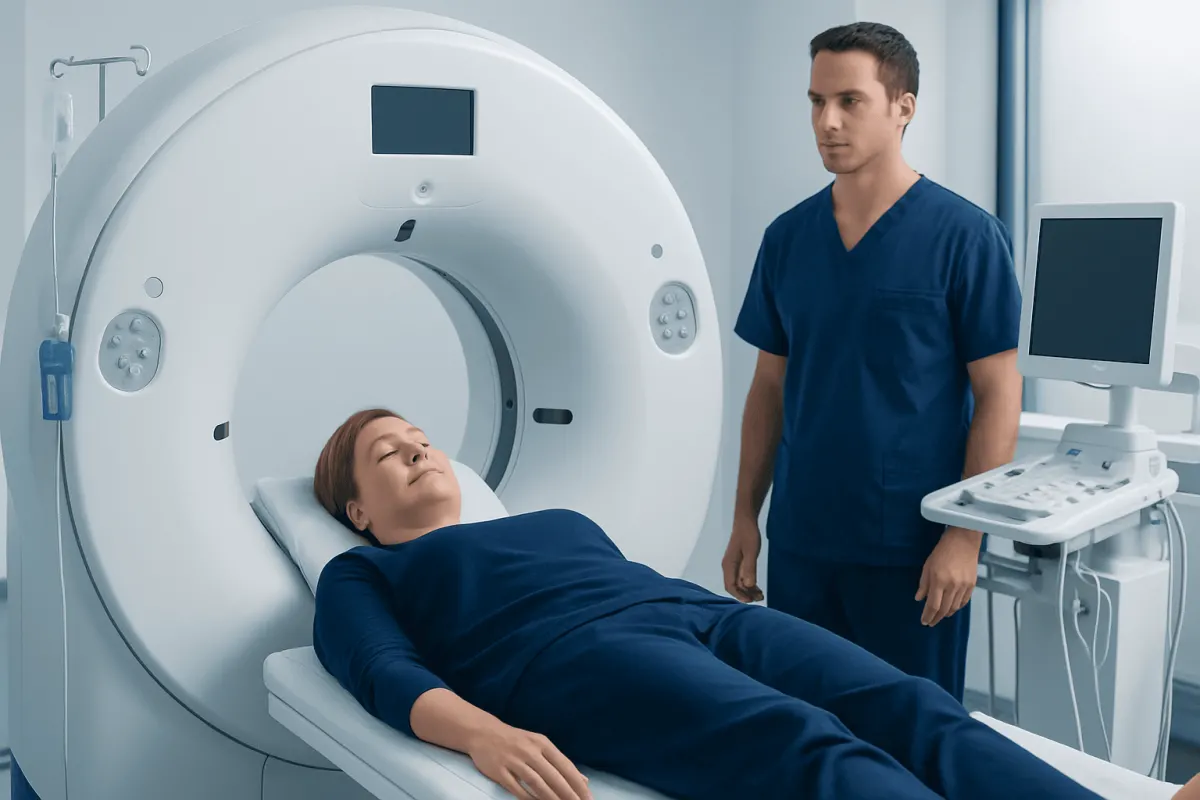
After diagnosis, the team determines the extent of disease through staging. This commonly includes a physical examination, blood tests and imaging such as PET-CT. In selected situations, further tests may be recommended. PET imaging can show areas that are metabolically active and can help assess response during or after treatment.
Hodgkin lymphoma is usually described with stages I through IV. Stage I involves one lymph node region or one nearby site; stage II involves two or more regions on the same side of the diaphragm; stage III involves regions on both sides; and stage IV indicates more widespread involvement of organs outside the lymphatic system. Letters and other descriptors may provide extra information, such as the presence of B symptoms. Staging guides treatment planning, but it does not alone predict an individual’s outcome.
Is Hodgkin's lymphoma a serious cancer?
Hodgkin’s lymphoma is a serious cancer because it can spread without treatment and because its treatments need specialist planning and monitoring. At the same time, it is among the cancers for which treatment can be highly effective. Many people achieve remission, including people whose lymphoma is more advanced at diagnosis.
Outlook depends on several factors, including the subtype, stage, symptoms, overall health, laboratory results and how the lymphoma responds to initial therapy. It is more helpful to discuss individual outlook with the treating hematologist-oncologist than to rely on a stage or a general statistic alone.
Supportive care is also an important part of treatment. It may address infection prevention, nausea, fatigue, emotional wellbeing, fertility considerations and practical needs during therapy. Patients should tell their team promptly about new symptoms or side effects, as many can be managed effectively.
Is Hodgkins a form of leukemia?
No. Hodgkin’s lymphoma is not a form of leukemia. Both are blood-related cancers, but they start in different locations and involve the body in different ways. Hodgkin’s lymphoma primarily begins in lymphatic tissue, especially lymph nodes, while leukemia usually begins in blood-forming cells in the bone marrow and commonly involves abnormal cells in the blood.
Lymphoma can sometimes involve the bone marrow, particularly when it is more extensive, but that does not make it leukemia. The diagnosis is based on the type of abnormal cell, the pattern seen in the biopsy and the overall clinical findings.
Because blood cancers have overlapping terms, patients may find pathology reports confusing. A hematopathologist and hematologist-oncologist can explain the exact lymphoma subtype and what it means for treatment. This distinction is important because leukemia and lymphoma require different diagnostic and treatment strategies.
Treatment and the meaning of complete metabolic response
Treatment is personalized according to the lymphoma subtype, stage, whether B symptoms are present, PET findings, age, other health conditions and treatment goals. Chemotherapy is a common foundation of care. Depending on the situation, treatment may also include immunotherapy or targeted medicines, radiation therapy to selected areas, or high-dose therapy with stem cell transplant for lymphoma that returns or does not respond adequately to initial treatment.
Interim and end-of-treatment PET-CT scans can help evaluate response. A Hodgkin’s lymphoma complete metabolic response means that previously active areas no longer show abnormal metabolic activity on PET imaging at the level expected for active lymphoma. This is a favorable imaging result, although the treating team interprets it alongside the scan details, symptoms and other clinical information.
For relapsed or refractory Hodgkin lymphoma, treatment may involve a different combination of medicines and, for eligible patients, stem cell transplant. Clinical trials may also be an option at some centers. Care should be coordinated by specialists experienced in lymphoma, since balancing effectiveness with possible short- and long-term effects is essential.
Acıbadem Health Point’s multidisciplinary specialists and JCI-accredited hospitals provide diagnostic evaluation and treatment planning for international patients with Hodgkin’s lymphoma. A patient can discuss available options, supportive care needs and follow-up plans with a qualified hematology-oncology team.
Do you ever get rid of Hodgkin's lymphoma?
Yes. Many people are treated successfully and remain free of lymphoma for the long term. Doctors may use the terms remission, complete response or cure depending on the timing and clinical context. Remission means there is no detectable active disease after treatment; with sustained remission over time, some patients can be considered cured.
However, Hodgkin’s lymphoma can return in a minority of people, sometimes months or years after treatment. Follow-up visits help monitor for recurrence and address late effects that may involve the heart, lungs, thyroid, fertility or risk of certain second cancers, depending on the therapies received. The follow-up schedule is individualized and may become less frequent over time.
Healthy routines can support general recovery, including not smoking, staying physically active as tolerated, eating a balanced diet and keeping recommended health appointments. These measures do not replace medical follow-up, but they can help support overall wellbeing after cancer treatment.
When to seek medical care
A person should arrange a medical appointment if they notice an enlarged lymph node that lasts more than a few weeks, continues to grow, feels firm, or is accompanied by unexplained fever, drenching night sweats, weight loss or persistent fatigue. These symptoms often have causes other than lymphoma, but timely assessment can provide clarity and appropriate care.
Urgent medical assessment is appropriate for severe shortness of breath, chest pain, marked facial or neck swelling, confusion, severe weakness, or signs of a serious infection such as high fever with feeling very unwell. People already receiving lymphoma treatment should contact their oncology team promptly if they develop fever or other possible signs of infection.
Before an appointment, it can be useful to note when symptoms began, whether lumps have changed, any recent infections, medicines, family history and associated symptoms. This information can help the clinician decide whether observation, blood testing, imaging or referral to a specialist is needed.
Frequently asked questions
01What is the medical abbreviation for Hodgkin's lymphoma?
The commonly used medical abbreviation for Hodgkin's lymphoma is HL. It may also appear as Hodgkin lymphoma in medical records, without the apostrophe and without the word “disease.” The exact subtype may be listed separately in a pathology report.
02What stage of cancer is Hodgkin's lymphoma?
Hodgkin's lymphoma is not one fixed stage; it may be diagnosed at stage I, II, III or IV. The stage reflects where lymphoma is found in the body and helps guide treatment. Even advanced-stage Hodgkin lymphoma can often respond well to treatment.
03Can Hodgkin's lymphoma be cured?
Many people with Hodgkin's lymphoma can be cured, particularly when the cancer responds completely to initial treatment. Others may achieve long-lasting remission. If the lymphoma returns, further treatment can still be effective for many patients.
04What does complete metabolic response mean in Hodgkin's lymphoma?
A complete metabolic response usually means a PET scan no longer shows abnormal metabolic activity consistent with active lymphoma. It is an important sign that treatment has worked well. The oncology team will interpret the result in the context of the full scan report and the patient's clinical situation.
05How is Hodgkin's lymphoma different from non-Hodgkin lymphoma?
Hodgkin's lymphoma and non-Hodgkin lymphoma are both cancers of lymphocytes, but they have different cell features, patterns of spread and treatment approaches. Classic Hodgkin lymphoma is usually identified by Reed-Sternberg cells on biopsy. A specialist pathology review helps confirm which type is present.
06Is a swollen lymph node always Hodgkin's lymphoma?
No. Swollen lymph nodes are common and are most often linked to infections or inflammation. A node that persists, grows or occurs with unexplained systemic symptoms should be evaluated by a healthcare professional. A biopsy is required to diagnose Hodgkin's lymphoma.
This article is for general information only and is not a substitute for professional medical advice. Please consult a qualified doctor about your individual situation.
Medical weight-loss options in Turkey — costs & eligibility
JCI-accredited · board-certified surgeons · reply within 24h
Add us as a Preferred Source to see more of our trusted health content across Google Search, AI Overviews and Discover.