HIV Cough: Possible Causes and When to Seek Care
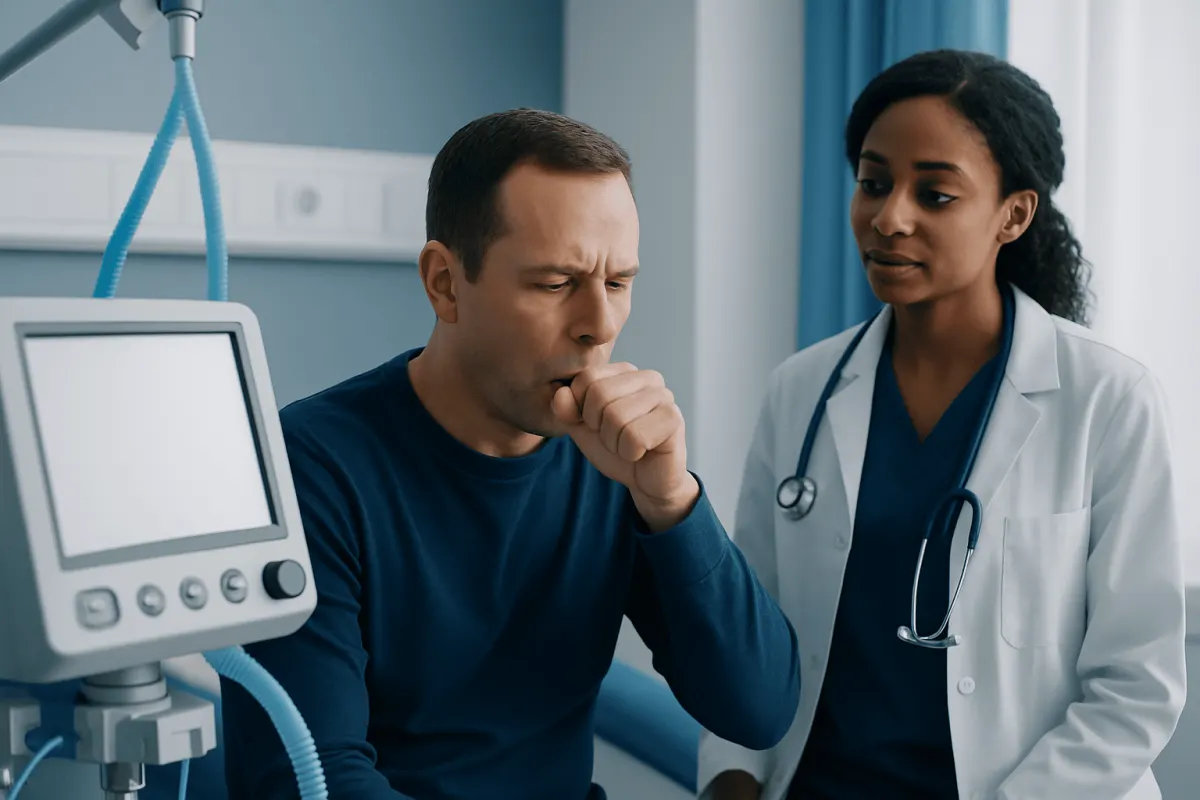
An HIV cough can have many causes, from a common viral cold or allergies to infections that are more likely when the immune system is weakened. A new, persistent, or worsening cough should be assessed by a healthcare professional, especially when it occurs with fever, breathlessness, chest pain, or unintentional weight loss.
What does an HIV cough mean?
An HIV cough is a cough occurring in a person who has HIV or is concerned about possible HIV exposure. It is not a diagnosis in itself and does not reliably indicate whether someone has HIV. Most coughs are caused by common conditions such as viral respiratory infections, allergies, asthma, acid reflux, or exposure to smoke and other airway irritants.
However, HIV can affect the immune system when it is untreated or not fully controlled. This may increase the chance of some chest infections and can make certain illnesses more severe. The cause of a cough depends on factors including how long it has lasted, whether there is phlegm, fever or shortness of breath, current medicines, smoking history, and the person’s immune status.
A cough should be viewed in context rather than as an isolated symptom. For someone who does not know their HIV status, testing is the only way to determine whether HIV is present. For someone living with HIV, a new or persistent cough is a reason to discuss symptoms with their healthcare team, particularly if antiretroviral treatment has been interrupted or recent immune monitoring is unavailable.
Cough patterns and accompanying symptoms
A short-lived dry or productive cough may occur with a cold, influenza, COVID-19, bronchitis, or seasonal allergies. A cough that produces clear, white, yellow, or green mucus may reflect airway inflammation or infection, but mucus color alone cannot identify the cause or determine whether antibiotics are needed.
Healthcare professionals consider the full pattern. Useful details include whether the cough began suddenly or gradually, lasts more than several weeks, occurs at night, is triggered by exercise, or has changed over time. Associated symptoms such as fever, chills, sore throat, wheezing, nasal congestion, heartburn, fatigue, night sweats, weight loss, chest discomfort, and breathlessness can help narrow the possible causes.
Some lung infections associated with weakened immunity can cause a dry cough that gradually becomes more troublesome, along with increasing shortness of breath or fever. Others, including tuberculosis, may cause a cough lasting weeks, tiredness, fever, drenching night sweats, weight loss, or occasionally blood in sputum. These symptoms are not unique to HIV, but they require timely medical assessment.
- Acute cough: commonly lasts less than three weeks and is often related to a viral illness.
- Persistent cough: lasts several weeks or recurs frequently and should be evaluated, especially with other symptoms.
- Emergency features: severe breathing difficulty, blue or gray lips, confusion, fainting, significant chest pain, or coughing up more than small streaks of blood.
Common triggers and HIV-related causes

People living with HIV can develop the same respiratory conditions as the general population. Upper respiratory viral infections, asthma, chronic obstructive pulmonary disease, post-nasal drip from allergies or sinus disease, gastroesophageal reflux, and smoking or vaping can all lead to coughing. Environmental exposures, including dust, workplace chemicals, and air pollution, may also irritate the airways.
When the immune system is significantly weakened, clinicians also consider opportunistic infections. These are infections that occur more easily or become more serious when immune defenses are reduced. Examples include bacterial pneumonia, Pneumocystis jirovecii pneumonia (often called PCP), tuberculosis, and some fungal infections. The likelihood varies by CD4 cell count, viral suppression, location, prior infections, preventive medicines, and other health conditions.
Bacterial pneumonia may cause fever, chills, cough with or without mucus, sharp pain on breathing, and shortness of breath. PCP often develops over days to weeks with a dry cough, fever, tiredness, and breathlessness, particularly during activity. Tuberculosis can affect anyone, but risk is higher with HIV and in areas where TB is more common. More information about tuberculosis can help explain its symptoms and evaluation.
Not every respiratory symptom in a person with HIV is infection-related. Less commonly, lung inflammation, certain cancers, heart conditions, or medication-related effects may be considered. A clinician can determine which possibilities are most relevant based on the individual’s symptoms and examination.
How clinicians assess a cough in someone with HIV
Assessment starts with a careful history and physical examination. The clinician may ask about symptom duration, phlegm or blood, recent travel, contact with people who have tuberculosis or other infections, smoking, occupational exposures, vaccination history, current medications, and use of antiretroviral therapy. They will also ask about prior CD4 counts and HIV viral load results when relevant.
Testing depends on the clinical picture. It may include pulse oximetry to measure oxygen levels, a chest X-ray, blood tests, sputum testing, viral respiratory testing, or tests for tuberculosis. In some circumstances, a CT scan of the chest, bronchoscopy, or specialist assessment may be appropriate. These investigations help identify a cause rather than assuming that HIV is responsible for the cough.
Someone with a cough and a possible recent exposure to HIV may be offered HIV testing as part of routine, confidential medical care. Early HIV infection can cause flu-like symptoms in some people, but cough alone is not a reliable early symptom. Prompt testing is important because it provides clarity and, if needed, enables early access to effective care.
Testing for other conditions may be needed at the same time. For example, symptoms and local risk factors may lead to testing for COVID-19, influenza, bacterial pneumonia, or tuberculosis. A clinician will interpret results alongside the person’s overall health and HIV status.
Treatment approaches depend on the cause
Treatment is directed at the underlying cause of the cough. Viral infections often improve with rest, fluids, and symptom relief measures, while asthma, reflux, or allergies may need specific treatment plans. Bacterial pneumonia and tuberculosis require clinician-prescribed antimicrobial treatment, and the choice of medicine depends on the suspected or confirmed infection.
If an opportunistic infection is diagnosed, treatment may involve antimicrobial medicines, monitoring of oxygen levels, and sometimes hospital care. People with HIV should not start antibiotics, steroids, or leftover medicines without medical advice, as these may be ineffective, cause side effects, or obscure important diagnostic findings.
Antiretroviral therapy is central to long-term HIV care. By suppressing HIV and allowing immune function to recover, it substantially reduces the risk of many HIV-related infections. If treatment has been missed, stopped, or is causing concerns, the prescribing clinician can help identify a safe plan rather than having the person make changes independently.
For individuals whose HIV care needs to be started or reviewed, HIV treatment may include antiretroviral management, monitoring, and preventive strategies tailored to immune status. Treatment for a cough or lung infection should be coordinated with the HIV care team where possible, because medicine interactions may need consideration.
Prevention and supportive self-care
Maintaining regular HIV care and taking antiretroviral therapy as prescribed are important ways to protect immune health. Keeping scheduled viral load and CD4 monitoring appointments helps the care team identify when preventive treatment or further assessment may be useful. Recommended vaccines, which may include influenza, COVID-19, and pneumococcal vaccines depending on age and health status, can also help reduce the risk of some respiratory infections.
Simple measures can support recovery from mild respiratory symptoms: adequate fluids, rest, avoiding cigarette smoke and vaping, and using a humidified environment if it feels comfortable. Honey may soothe a cough in adults and children over one year old, but it should not be given to infants. A pharmacist or clinician can advise on suitable over-the-counter products, especially for people taking multiple medicines.
People with HIV should avoid sharing medication and should tell clinicians and pharmacists about all prescribed drugs, supplements, and herbal products. Some cough products or treatments for respiratory illness can interact with antiretroviral medicines. Persistent symptoms should not be managed with home remedies alone.
Reducing exposure to respiratory infections can be helpful, particularly for people with low immune function. Hand hygiene, avoiding close contact with people who are acutely unwell when practical, and following local public health advice can all lower risk. These steps complement, rather than replace, medical assessment when concerning symptoms occur.
When to seek medical care
Medical advice is appropriate for a cough that lasts more than a few weeks, gets worse, interferes with sleep or daily activities, or occurs with fever, night sweats, unexplained weight loss, wheezing, or increasing fatigue. People living with HIV should contact their HIV clinician promptly if they develop a new persistent cough, particularly if they have a low CD4 count, are not currently taking antiretroviral therapy, or have recently been treated for a lung infection.
Urgent assessment is needed for shortness of breath at rest, rapid or difficult breathing, chest pain, confusion, fainting, blue or gray lips or face, or coughing up blood. These symptoms can occur with serious conditions and should not be attributed to HIV without evaluation. Emergency services should be used if symptoms are severe or rapidly worsening.
For international patients, Acıbadem Health Point’s multidisciplinary specialists and JCI-accredited hospitals can assess respiratory symptoms and coordinate HIV-related care when needed. A clinician can help determine whether the cough is due to a common condition, an infection requiring targeted treatment, or another cause needing further investigation.
Frequently asked questions
01Is coughing a sign of HIV?
A cough alone is not a reliable sign of HIV. It is much more commonly caused by everyday conditions such as colds, allergies, asthma, reflux, or airway irritation. An HIV test is the only way to know whether someone has HIV.
02What kind of cough can occur with HIV?
The cough can be dry or produce mucus, depending on the cause. Common respiratory infections can cause the same symptoms in people with and without HIV, while some infections linked to weakened immunity may cause persistent dry cough, fever, and shortness of breath. A clinician should assess a cough that is prolonged or worsening.
03Can HIV cause pneumonia?
HIV does not directly cause pneumonia, but untreated HIV can weaken immune defenses and increase the risk of some types of pneumonia. Bacterial pneumonia and Pneumocystis jirovecii pneumonia are among the conditions clinicians may consider. Effective antiretroviral therapy helps lower the risk of opportunistic infections.
04How long should a cough last before a person with HIV contacts a doctor?
A cough lasting more than a few weeks should be discussed with a healthcare professional. Earlier contact is sensible if there is fever, shortness of breath, chest pain, night sweats, weight loss, or a known low CD4 count. Severe breathing difficulty or coughing up blood needs urgent evaluation.
05Can antiretroviral treatment make a cough go away?
Antiretroviral therapy improves immune function and reduces the likelihood of many HIV-related infections over time. It does not treat every cause of cough directly, so a separate evaluation may still be needed for asthma, reflux, a cold, pneumonia, or another condition. Antiretroviral medicines should only be changed with guidance from the prescribing clinician.
06Should a person with HIV take cough medicine without advice?
Some over-the-counter cough products may be suitable, but it is best to check with a pharmacist or clinician first. This is particularly important when taking antiretroviral therapy or other regular medicines because drug interactions and individual health factors may matter. Cough suppressants should not delay medical care for a persistent or severe cough.
This article is for general information only and is not a substitute for professional medical advice. Please consult a qualified doctor about your individual situation.
Medical weight-loss options in Turkey — costs & eligibility
JCI-accredited · board-certified surgeons · reply within 24h
Add us as a Preferred Source to see more of our trusted health content across Google Search, AI Overviews and Discover.