High Temp for Infants: What You Need to Know

Key Takeaways
- A fever in an infant is usually defined as a rectal temperature of 38°C (100.4°F) or higher.
- Babies under 3 months with a fever need prompt medical evaluation, even if they seem otherwise well.
- Hydration, comfortable clothing, and close observation are important parts of home care.
- The most concerning signs are breathing difficulty, unusual sleepiness, poor feeding, dehydration, or a rash that does not fade with pressure.
- A fever itself is not a diagnosis; doctors look for the cause and the baby's age, symptoms, and exam findings.
A high temp for infants is usually a sign that the body is responding to an infection or another irritation, but the level of concern depends on the baby's age, overall behavior, and other symptoms. Knowing what counts as a fever, how to check it correctly, and when to seek medical advice helps parents respond calmly and safely.
Overview
A high temp for infants usually means the baby’s body temperature has risen above the normal range, most often because the immune system is reacting to an infection. In practical terms, a fever in a baby is commonly defined as a rectal temperature of 38°C (100.4°F) or higher.
What matters most is not only the number on the thermometer, but also the infant’s age and how the baby is behaving. A 2-week-old with a mild fever needs urgent medical attention, while an older infant with a fever and a mild cold may only need careful monitoring and a discussion with a pediatrician.
For families traveling internationally or managing care away from home, it helps to know the local threshold for urgent assessment and to keep the baby’s vaccination record and recent symptoms available. That makes it easier for a doctor to understand the situation quickly and recommend the right next step.
Symptoms and What Parents May Notice
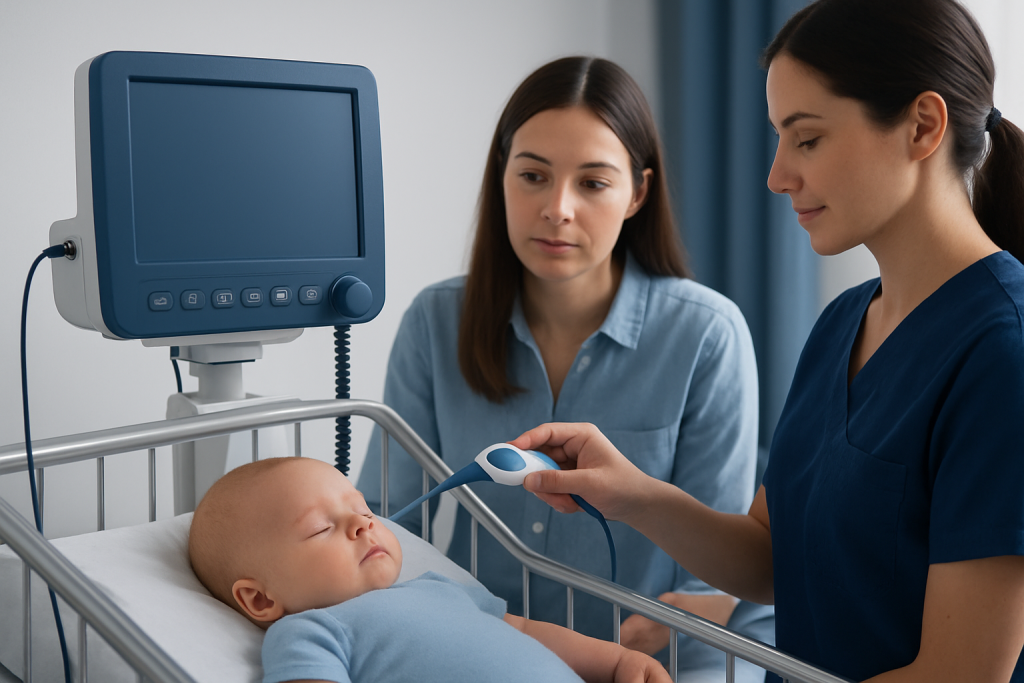
Fever does not always look dramatic in infants. Some babies feel warm to the touch, feed less than usual, or become fussier than normal, while others seem sleepy or less interested in playing. A temperature reading is the most reliable way to know whether the baby has a true fever.
Other signs can include sweating, shivering, flushed skin, faster breathing, or a change in sleep patterns. Because infants cannot describe how they feel, small changes in behavior often matter just as much as the temperature itself.
Parents should pay attention to the whole picture, including feeding, urine output, alertness, and breathing. A baby who is hard to wake, refuses several feeds, or has fewer wet diapers may need medical review sooner, even if the fever is not very high.
Causes and Risk Factors

In infants, fever is most often caused by common viral infections such as colds or stomach viruses. Less often, it may be linked to bacterial infections, including ear infections, urinary tract infections, pneumonia, or, in very young babies, more serious bloodstream infections.
Not every rise in temperature is caused by illness. Overbundling, a hot environment, or recent vaccination can sometimes raise body temperature, especially in younger babies. Teething may make an infant irritable, but it usually does not cause a true fever.
Certain factors increase the need for caution. These include being younger than 3 months, having a weakened immune system, being born prematurely, or having chronic medical conditions. In those situations, even a modest fever deserves prompt medical advice.
Diagnosis
Doctors begin by asking when the fever started, how high it has been, and what other symptoms are present. They will also ask about feeding, wet diapers, recent illnesses, exposures to sick contacts, travel, and vaccination history. In infants, these details often guide the next steps more than the temperature alone.
The physical examination may include checking breathing, hydration, skin color, ears, throat, abdomen, and the baby’s alertness and tone. Depending on the infant’s age and symptoms, the doctor may recommend urine testing, blood tests, viral testing, or imaging to look for the source of the fever.
For the youngest infants, a more detailed evaluation may be needed because their signs can be subtle. The goal is not to alarm families, but to identify infections early and avoid missing problems that are easier to treat when caught promptly.
Treatment Options
Treatment depends on the cause of the fever, the baby’s age, and whether the infant is otherwise stable. Viral illnesses are usually treated with supportive care, while bacterial infections may require prescription medicine and closer follow-up or hospital care in some cases.
At home, parents can focus on comfort: offering feeds more often, keeping the baby lightly dressed, and making sure the room is not too warm. A doctor may advise a fever-reducing medicine in some situations, but medication decisions in infants should always follow professional guidance, especially for very young babies.
If the baby is dehydrated, unable to keep fluids down, or too unwell to feed safely, medical treatment may include observation, fluids, or additional testing. When travel is involved, families should not delay care while waiting for their usual doctor to respond from another country; local pediatric assessment is the safer choice.
Prevention and Self-care
Not every fever can be prevented, but basic infection-control habits can lower the chance of some illnesses. Handwashing, limiting close contact with sick people, keeping vaccinations up to date, and avoiding smoke exposure all support infant health.
For day-to-day care, parents can watch the baby’s temperature with a reliable thermometer, note feeding and diaper changes, and keep a simple symptom log. This is especially useful when the baby sees different doctors, or when care begins in one country and continues in another.
Comfort measures should stay gentle and safe. The baby should not be overwrapped, ice-cold baths should be avoided, and any home remedy should be checked with a clinician first. The aim is to support the infant’s comfort while the underlying cause is being assessed.
When to See a Doctor
Any infant under 3 months old with a temperature of 38°C (100.4°F) or higher should be assessed by a doctor promptly. This recommendation applies even if the baby looks fairly comfortable, because young infants can become seriously ill without obvious warning signs.
Older infants should also be seen urgently if they have trouble breathing, persistent vomiting, poor feeding, signs of dehydration, a seizure, a stiff neck, unusual sleepiness, a blue or gray color around the lips, or a rash that does not fade when pressed. A fever lasting more than a couple of days or one that keeps returning should also be discussed with a pediatrician.
Families who are far from home, including international patients, may find it reassuring to have a clear evaluation plan. Acibadem Health Point’s multidisciplinary specialists and JCI-accredited hospitals diagnose and treat pediatric conditions like infant fever for international patients, with coordinated care that supports both the child and the family.
Practical Questions Parents Often Ask
It is common to wonder whether a fever should always be lowered right away. In infants, the answer depends on age, cause, and overall condition; the priority is to identify why the fever is happening and whether the baby is stable.
Parents also often ask whether a baby can be febrile but still look “fine.” Yes, that can happen, which is why age-based guidance matters so much. A baby who seems well may still need urgent assessment if they are very young, especially under 3 months.
Another frequent concern is whether teething explains a high temperature. Teething can make babies uncomfortable, but a true fever should not be automatically blamed on teething, because infections and other causes need to be considered first.
Frequently asked questions
01What counts as a high temp for infants?
A rectal temperature of 38°C (100.4°F) or higher is generally considered a fever in infants. Rectal reading is usually the most accurate method in very young babies. If parents are unsure how to measure it correctly, they should ask a pediatrician for guidance.
02When is a fever in a baby an emergency?
A fever in a baby under 3 months old needs prompt medical evaluation. Urgent care is also needed if the infant has trouble breathing, is unusually hard to wake, is feeding poorly, has signs of dehydration, or develops a concerning rash or seizure.
03Can teething cause a true fever?
Teething may cause fussiness, drooling, and gum discomfort, but it usually does not cause a true fever. If an infant has a real fever, another cause should be considered. Parents should not assume teething is the explanation without medical advice.
04Should parents give fever medicine to an infant?
Medication choices depend on the baby’s age and the reason for the fever. Parents should follow a doctor’s advice before giving any fever-reducing medicine, especially in very young infants. The goal is comfort and safety, not simply lowering the number on the thermometer.
05What should parents do at home while waiting to see a doctor?
They should keep the baby lightly dressed, offer feeds more often, and watch for changes in breathing, alertness, and wet diapers. It is also helpful to note the temperature, when it was taken, and any other symptoms. If the baby worsens, they should seek care sooner rather than waiting.
06How is a fever cause found in infants?
Doctors use the baby’s age, symptoms, physical exam, and sometimes urine tests, blood tests, or viral tests to look for the source. In young infants, doctors may investigate more carefully because serious infections can present with few outward signs. The exact testing plan depends on the situation.
This article is for general information only and is not a substitute for professional medical advice. Please consult a qualified doctor about your individual situation.
Explore treatments in Turkey — costs, top hospitals & a free quote
JCI-accredited · board-certified surgeons · reply within 24h
Add us as a Preferred Source to see more of our trusted health content across Google Search, AI Overviews and Discover.