

Hematopoiesis: How Blood Cells Are Made
- 8 min read
- Published November 28, 2026
Key Takeaways
- Hematopoiesis is the body’s ongoing production of red blood cells, white blood cells, and platelets.
- Most blood cell production happens in the bone marrow, starting from hematopoietic stem cells.
- Symptoms of impaired blood formation often overlap and may include fatigue, infections, bruising, or bleeding.
- Diagnosis usually involves blood tests and sometimes bone marrow evaluation to identify the cause.
- Treatment depends on the underlying condition and may include monitoring, medicines, transfusions, or specialized procedures.
Hematopoiesis is the process by which the body makes new blood cells, mainly in the bone marrow. It is essential for carrying oxygen, fighting infection, and stopping bleeding, and problems in this process can lead to a range of blood disorders.
Overview
Hematopoiesis is the process the body uses to create new blood cells. It happens continuously, because blood cells have limited lifespans and must be replaced throughout life. In healthy adults, most of this work takes place inside the bone marrow, the soft tissue found within certain bones.
This process produces three main types of blood cells: red blood cells, which carry oxygen; white blood cells, which help defend against infection; and platelets, which support clotting. At the center of the system are hematopoietic stem cells, which can mature into the different cell types the body needs. When hematopoiesis functions well, the blood stays balanced and able to do its many jobs.
For people navigating care from another country, understanding this basic biology can make conversations with doctors easier. Whether the concern is anemia, frequent infections, unusual bruising, or a suspected marrow disorder, the key question is often the same: is the body making blood cells normally, and if not, why?
How the process works
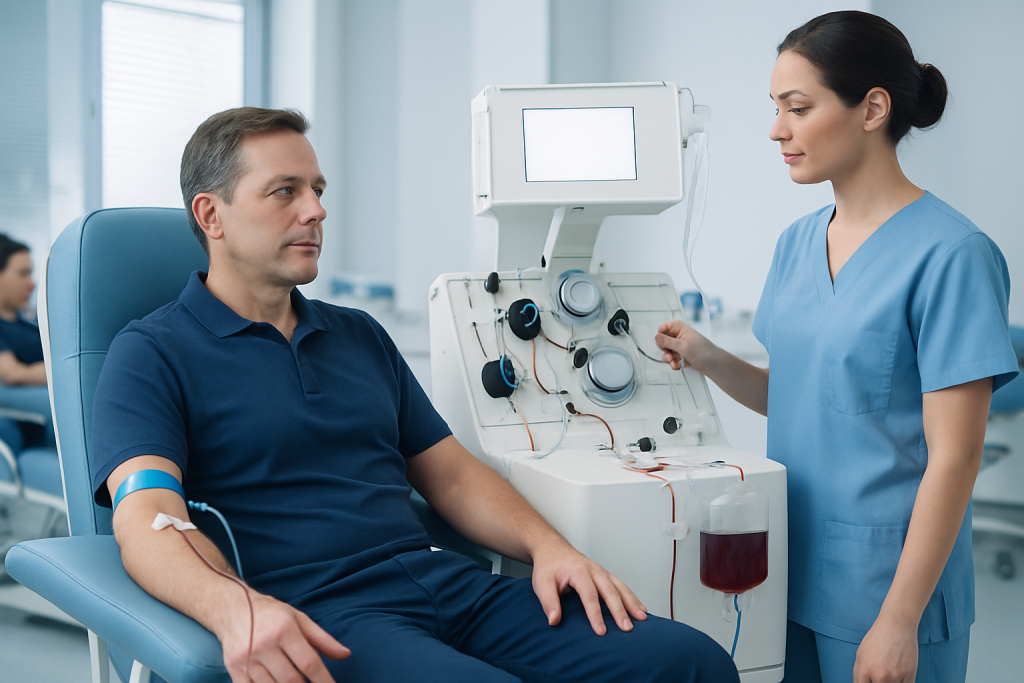
Hematopoiesis begins with stem cells in the bone marrow. These cells are often described as “immature” because they have not yet committed to becoming a specific blood cell. Under the influence of chemical signals from the body, they divide and develop along different pathways until they become fully formed blood cells.
Red blood cell production is especially sensitive to the body’s need for oxygen. If oxygen levels are low, the kidneys release a hormone called erythropoietin, which signals the marrow to make more red cells. White blood cell production rises when the body needs to respond to infection or inflammation, while platelet production adjusts to help maintain normal clotting.
Before birth, hematopoiesis occurs in different places, including the liver and spleen. After birth, the bone marrow becomes the main site. In adults, the pelvis, ribs, spine, and some long bones are especially important for blood cell production.
Symptoms of abnormal blood cell production

When hematopoiesis is disrupted, symptoms usually reflect which blood cell line is affected. A person with too few red blood cells may feel tired, weak, short of breath, lightheaded, or unable to tolerate usual activity. If white blood cells are low or not working properly, infections may happen more often or take longer to improve.
Problems with platelets can show up as easy bruising, small purple spots on the skin, nosebleeds, bleeding gums, or prolonged bleeding after minor injuries. Some marrow disorders affect more than one cell line at once, so symptoms can overlap.
- Fatigue or pale skin
- Frequent or unusual infections
- Easy bruising or bleeding
- Shortness of breath with activity
- Bone pain or a feeling of fullness in the abdomen in some conditions
These symptoms do not point to one single diagnosis on their own. A careful medical evaluation is needed because many common conditions, including nutritional deficiencies and chronic illness, can look similar at first.
Causes and risk factors
Many different factors can interfere with normal blood cell formation. Some are temporary and reversible, while others reflect a chronic bone marrow or blood disorder. Nutritional deficiencies, especially of iron, vitamin B12, or folate, can reduce the body’s ability to make healthy blood cells. Chronic kidney disease, inflammation, and certain infections can also change how the marrow responds.
More serious causes include inherited conditions, autoimmune diseases, exposure to toxins, prior chemotherapy or radiation, and bone marrow diseases such as aplastic anemia, myelodysplastic syndromes, and leukemia. In these settings, the marrow may produce too few cells, abnormal cells, or cells that do not mature properly.
Risk factors depend on the cause. A history of cancer treatment, certain medications, family history of blood disorders, heavy alcohol use, and exposure to industrial chemicals can all matter. Age can also influence risk, since some marrow disorders become more common later in life.
Diagnosis
Evaluation usually starts with a detailed medical history and physical examination, followed by blood tests. A complete blood count helps measure the number and size of blood cells and can show whether one or more cell lines are low, high, or abnormal. A blood smear may also be reviewed to look at the appearance of the cells.
Depending on the findings, doctors may order iron studies, vitamin levels, kidney tests, inflammatory markers, infection tests, or genetic testing. When a marrow problem is suspected, a bone marrow aspiration and biopsy may be recommended to examine how cells are developing and to look for signs of marrow failure, cancer, or other disorders.
For patients traveling for care, this step-by-step approach can be especially helpful. Results from one country may be reviewed alongside new imaging or biopsy findings, allowing a specialist team to confirm the diagnosis and plan treatment with the full clinical picture in mind.
Treatment options
Treatment depends entirely on the cause of the hematopoietic problem. If a nutritional deficiency is responsible, the main goal is to replace the missing nutrient and address the reason it developed. If an infection, medication, or chronic illness is affecting blood counts, treatment may focus on controlling that underlying issue.
Bone marrow disorders may require more specialized care. Options can include medications that stimulate blood cell production, transfusions, immune-based therapies, antimicrobial support, or treatments directed at abnormal cells. In selected conditions, stem cell transplant may be considered, especially when the marrow is failing or producing dangerous abnormal cells.
Supportive care is often part of the plan. This may include monitoring blood counts over time, managing symptoms, reducing infection risk, and adjusting daily activities during recovery. A hematologist or multidisciplinary team can explain which therapies are appropriate and how the response will be followed after discharge or once the patient returns home.
Prevention and self-care
Not every cause of abnormal hematopoiesis can be prevented, but some practical habits support healthy blood formation. Eating a balanced diet that includes iron, folate, vitamin B12, and adequate protein can help reduce the risk of certain deficiency-related problems. Staying current with routine medical care also makes it easier to catch changes in blood counts early.
People who have chronic illnesses, take long-term medicines, or have a history of cancer treatment should keep scheduled follow-up visits and blood tests. It is also wise to discuss supplements and over-the-counter products with a clinician, since some can interact with treatment or mask an underlying issue.
- Follow dietary advice given by a doctor or dietitian
- Take prescribed medicines as directed
- Keep laboratory and follow-up appointments
- Report new bruising, bleeding, fever, or extreme fatigue promptly
- Use infection-prevention measures when advised
For international patients, planning before travel can make follow-up smoother. Bringing test results, medication lists, and prior pathology reports helps the receiving team continue care without unnecessary delays.
When to see a doctor
Medical advice should be sought if fatigue is persistent, infections are frequent, bruising seems excessive, or bleeding is hard to stop. A doctor’s assessment is also important if a blood test shows anemia, low white cells, low platelets, or unusual blood cell sizes or shapes.
Some symptoms deserve prompt attention, especially if they appear suddenly or are becoming worse. These include shortness of breath at rest, chest discomfort, black or bloody stools, high fever with low blood counts, or severe weakness. While many blood abnormalities are treatable, timely evaluation helps identify the cause and prevents complications.
In cases where specialized testing or treatment is needed, a hematology team can guide the next steps. Acibadem Health Point’s multidisciplinary specialists and JCI-accredited hospitals diagnose and treat conditions affecting hematopoiesis for international patients, with coordinated care across testing, treatment, and follow-up.
Frequently asked questions
01What is hematopoiesis in simple terms?
Hematopoiesis is the process of making new blood cells. The bone marrow produces red blood cells, white blood cells, and platelets to keep the blood functioning normally.
02Where does hematopoiesis happen in adults?
In adults, hematopoiesis mainly occurs in the bone marrow. The pelvis, spine, ribs, and some long bones are important production sites.
03Why is hematopoiesis important?
It replaces blood cells that wear out naturally and keeps oxygen delivery, immunity, and clotting working properly. Without steady blood cell production, the body cannot maintain normal function.
04What can cause problems with blood cell formation?
Causes include nutritional deficiencies, chronic disease, medications, infections, autoimmune conditions, toxins, inherited disorders, and bone marrow diseases. The correct diagnosis depends on which blood cell lines are affected and what other tests show.
05How is a bone marrow problem diagnosed?
Doctors usually start with blood tests and may order a bone marrow aspiration or biopsy if the results suggest a marrow disorder. Additional tests can help identify whether the cause is deficiency, inflammation, cancer, or another condition.
06Can abnormal hematopoiesis be treated?
Yes, treatment is often possible, but it depends on the cause. Some people need vitamin replacement or monitoring, while others may need medicines, transfusions, or more advanced therapies such as stem cell transplant.
This article is for general information only and is not a substitute for professional medical advice. Please consult a qualified doctor about your individual situation.
Joint and spine care in Turkey — expert assessment & treatment
JCI-accredited · board-certified surgeons · reply within 24h
Add us as a Preferred Source to see more of our trusted health content across Google Search, AI Overviews and Discover.


How can we help you today?
Meet an Acibadem specialist by secure video, before you travel.
Book a video visit