Hematologic Disorders: What the Term Means on a Medical Report

Hematologic disorders is a broad medical term used for conditions that affect the blood, bone marrow, lymph nodes, or clotting system. On a medical report, it does not describe one single disease but a category that includes many different blood-related problems.
Overview
The phrase hematologic disorders refers to a group of conditions that affect the blood and the tissues that make or support blood cells. This includes red blood cells, white blood cells, platelets, bone marrow, lymph nodes, spleen, and the proteins involved in clotting. When this term appears on a medical report, it usually means a doctor is considering or documenting a blood-related condition rather than naming one precise diagnosis.
Because it is a broad term, it can include very common disorders, such as iron-deficiency anemia, as well as more specialized conditions involving bleeding, clotting, or abnormal blood cell production. Some hematologic disorders are temporary and improve when the underlying cause is treated. Others may be chronic and need long-term monitoring or specialist care.
A report may use this wording after abnormal blood test results, symptoms such as tiredness or easy bruising, or findings seen during a hospital stay or routine check-up. In many cases, the term is simply a starting point. The next step is usually to identify exactly which blood component is affected and why.
What Conditions Can the Term Include?
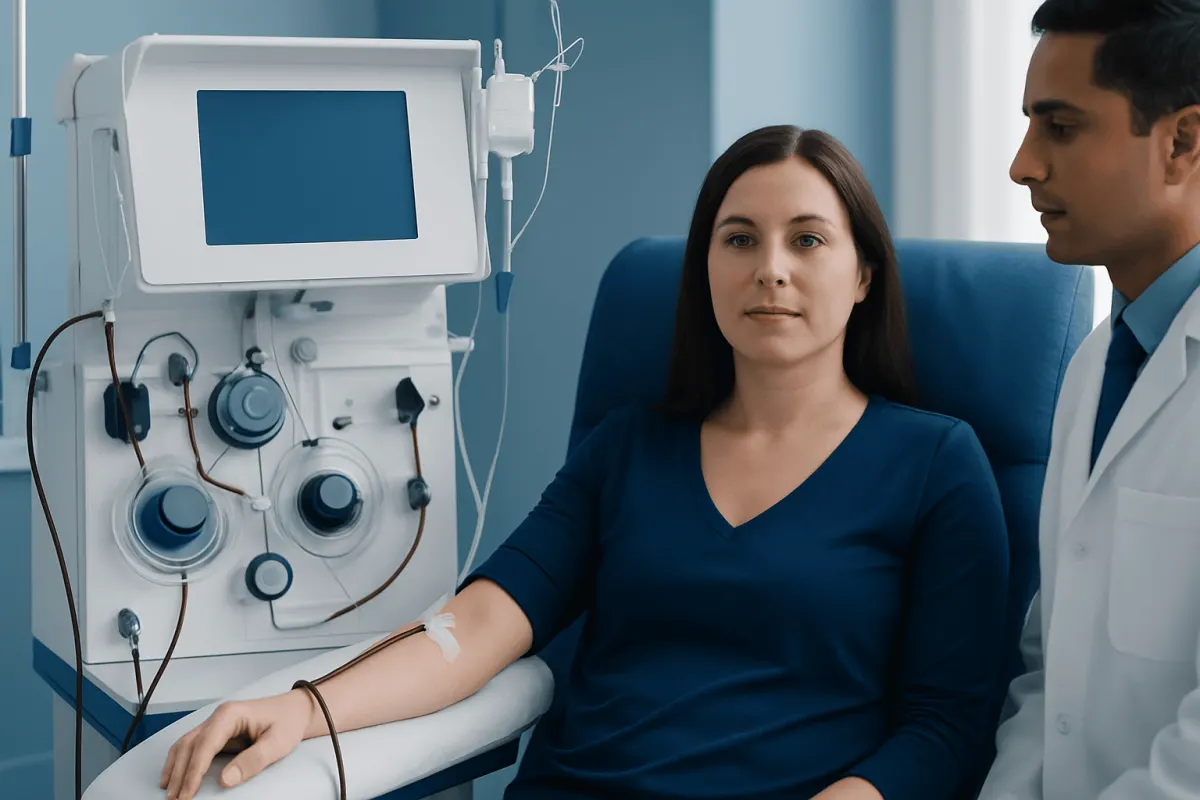
Hematologic disorders can involve different parts of the blood system. Red blood cell disorders may reduce oxygen delivery to tissues and often lead to tiredness or weakness. White blood cell disorders can affect the body’s ability to fight infection. Platelet and clotting disorders can increase the risk of bleeding or, in some cases, unwanted clotting.
Examples of conditions that may fall under this term include anemia, vitamin deficiency-related blood problems, inherited blood disorders, bleeding disorders, clotting disorders, bone marrow disorders, and some cancers of the blood or lymphatic system. Doctors use the broader term when the exact diagnosis is not yet confirmed or when discussing a category of related illnesses.
Some reports also use hematologic language when a blood abnormality is secondary to another medical problem. For example, chronic kidney disease, autoimmune disease, infections, liver disease, certain medicines, or cancer treatment can all change blood counts. This is one reason why the same report term can mean very different things from one person to another.
- Red blood cell disorders: anemia, hemolytic conditions, inherited hemoglobin disorders
- White blood cell disorders: low white count, high white count, leukemia-related abnormalities
- Platelet disorders: low platelets, high platelets, platelet function problems
- Clotting disorders: excessive bleeding or abnormal blood clot formation
- Bone marrow and lymphatic disorders: marrow failure, lymphoma-related changes, plasma cell disorders
Symptoms and Warning Signs

Symptoms depend on which part of the blood system is affected. A person with low red blood cells may notice fatigue, shortness of breath on exertion, dizziness, pale skin, or reduced exercise tolerance. If platelets or clotting factors are involved, symptoms may include easy bruising, frequent nosebleeds, gum bleeding, heavy menstrual bleeding, or prolonged bleeding after a cut.
White blood cell problems may lead to frequent infections, slow recovery, fever, or mouth sores. Some blood disorders can also cause enlarged lymph nodes, night sweats, bone pain, or unintended weight loss. However, these symptoms are not specific to one disease, so they need proper medical evaluation.
It is also common for hematologic disorders to be discovered before symptoms appear. Routine blood tests, preoperative testing, pregnancy care, or health checks may show low hemoglobin, unusual platelet counts, or changes in white blood cells. In those situations, a report may mention a possible hematologic disorder even when the person feels well.
Causes and Risk Factors
There is no single cause of hematologic disorders. Some are linked to nutritional deficiencies, especially low iron, vitamin B12, or folate. Others are related to chronic inflammation, kidney disease, liver disease, autoimmune conditions, or infections. Certain medicines, including some antibiotics, chemotherapy drugs, and immune-related treatments, may also affect blood counts.
Inherited conditions can play an important role. Some people are born with disorders that affect hemoglobin, clotting proteins, or bone marrow function. Family history can therefore help doctors understand whether a blood abnormality may be genetic. Age also matters, since some blood conditions are more common in children while others become more frequent later in life.
Additional risk factors include pregnancy, heavy menstrual bleeding, poor dietary intake, alcohol misuse, exposure to toxins, recent major surgery, and some cancers. Occasionally, a hematologic disorder develops without an obvious cause at first. In those cases, a careful work-up helps clarify whether the problem is temporary, secondary to another illness, or a primary blood disease.
How Doctors Diagnose Hematologic Disorders
Diagnosis usually begins with a medical history, physical examination, and blood tests. Doctors often review symptoms, family history, medications, diet, menstrual history, infections, and any recent illnesses or treatments. The first laboratory step is commonly a complete blood count, which measures red blood cells, white blood cells, hemoglobin, hematocrit, and platelets.
Depending on the results, doctors may order additional tests such as iron studies, vitamin B12 and folate levels, reticulocyte count, blood smear, coagulation tests, kidney and liver function tests, or markers of inflammation. If there is concern about a marrow problem or a blood cancer, more specialized studies may be needed, including flow cytometry, genetic testing, imaging, or a bone marrow biopsy.
In some situations, the report term may be used while doctors are distinguishing between related conditions such as leukemia or lymphoma and non-cancerous causes of blood count changes. This does not mean cancer is always likely. It means the blood system is being evaluated carefully so the correct diagnosis can be made.
Because interpretation can be complex, many patients are referred to a hematologist. This specialist can decide whether follow-up blood tests, repeat monitoring, or specific procedures are needed, and whether the condition is mild, urgent, chronic, or easily reversible.
Treatment Options
Treatment depends entirely on the underlying diagnosis. Some hematologic disorders improve by correcting the cause, such as treating iron deficiency, replacing vitamin B12, changing a medication, or managing an infection or chronic disease. Others need closer follow-up, especially if blood counts are very low, symptoms are significant, or the condition affects clotting.
Supportive care may include iron therapy, vitamin replacement, medicines that help blood cell production, antibiotics for infection risk, or transfusion support when appropriate. Certain clotting or bleeding disorders may require factor replacement, blood-thinning medicines, or other specialized therapies. If the condition is related to the bone marrow or a blood cancer, treatment may involve chemotherapy, targeted medicines, immunotherapy, or in selected cases stem cell transplant.
Many people worry when they see a broad term on a report, but treatment should not be assumed before the diagnosis is clear. Some findings only require observation and repeat blood work over time. Others respond well to straightforward treatment once the cause is identified.
At the end of the evaluation process, the care plan should explain what the disorder is, whether it is temporary or chronic, what symptoms to watch for, and when blood tests need to be repeated. Clear follow-up is an important part of safe care.
Prevention and Self-care
Not all hematologic disorders can be prevented, especially inherited conditions or disorders linked to bone marrow disease. Still, general self-care can support blood health and may reduce the risk of some common causes. A balanced diet with enough iron, folate, vitamin B12, and protein is important, particularly during pregnancy, growth, and recovery from illness.
People should take medicines only as prescribed and tell their doctor about supplements, herbal products, and over-the-counter drugs, since some can affect clotting or blood counts. Regular follow-up is helpful for those with chronic diseases such as kidney disease, autoimmune disorders, or digestive conditions that can interfere with nutrient absorption.
Anyone with a diagnosed bleeding tendency should ask about activity precautions, dental procedures, and when to seek care after an injury. Those with low immunity due to a blood disorder may need extra attention to infection prevention, vaccinations as advised by their doctor, and prompt review for fever or new illness.
- Eat a nutrient-rich, varied diet
- Attend routine blood tests if recommended
- Avoid self-treating unexplained fatigue or bruising without medical advice
- Discuss family history of blood disorders with a doctor
- Seek prompt care for unusual bleeding, severe weakness, or recurrent infections
When to See a Doctor
A person should arrange medical review if a report mentions hematologic disorders and the meaning has not been clearly explained. It is especially important to seek advice if there are symptoms such as increasing fatigue, pale skin, shortness of breath, easy bruising, frequent nosebleeds, swollen lymph nodes, repeated infections, or unintentional weight loss.
Urgent medical attention is needed for heavy bleeding, black or bloody stools, chest pain, severe shortness of breath, high fever, confusion, or symptoms of a possible blood clot such as sudden leg swelling or one-sided chest pain. These symptoms do not always mean a serious blood disease, but they should not be ignored.
If the term appears after routine testing, patients can ask practical questions: Which blood values are abnormal? Is this likely temporary? What further tests are needed? Should a hematologist be involved? Understanding the exact diagnosis is more helpful than focusing on the broad label alone.
For people who need specialist assessment, Acıbadem Health Point’s multidisciplinary specialists in JCI-accredited hospitals evaluate and treat hematologic disorders for international patients, with care tailored to the specific diagnosis and overall health needs.
Frequently asked questions
01Does hematologic disorders mean cancer?
No. Hematologic disorders is a broad term that includes many non-cancerous and cancerous conditions affecting the blood or bone marrow. Common examples include anemia, vitamin deficiencies, bleeding disorders, and infections that change blood counts.
02Why would this term appear on a medical report?
It may appear when blood tests are abnormal or when a doctor is documenting a blood-related issue that still needs clarification. In many cases, it is a category label rather than the final diagnosis.
03What tests are usually needed next?
Doctors often begin with repeat blood work, a complete blood count review, iron studies, vitamin levels, and clotting tests if needed. Some people may need more specialized testing, such as a blood smear, imaging, genetic tests, or bone marrow evaluation.
04Can hematologic disorders be treated?
Many can be treated effectively, especially when the cause is identified early. Treatment may be as simple as replacing a deficiency, or it may involve specialist therapies for more complex blood disorders.
05Should a person see a hematologist right away?
Not always, but specialist referral is often helpful if blood counts are significantly abnormal, symptoms are present, or the cause is unclear. A primary care doctor can usually advise whether urgent hematology review is needed.
06Can someone have a hematologic disorder without symptoms?
Yes. Some blood disorders are first found on routine blood tests before they cause noticeable symptoms. That is why follow-up testing and medical interpretation are important even when a person feels well.
This article is for general information only and is not a substitute for professional medical advice. Please consult a qualified doctor about your individual situation.
Explore treatments in Turkey — costs, top hospitals & a free quote
JCI-accredited · board-certified surgeons · reply within 24h
Add us as a Preferred Source to see more of our trusted health content across Google Search, AI Overviews and Discover.